- Company Articles
- Products and Technology
- Product knowledge
- Aluminum Foot Base Lifespan: How Long Do They Typically Last?

Aluminum Foot Base Lifespan: How Long Do They Typically Last?
Related Product
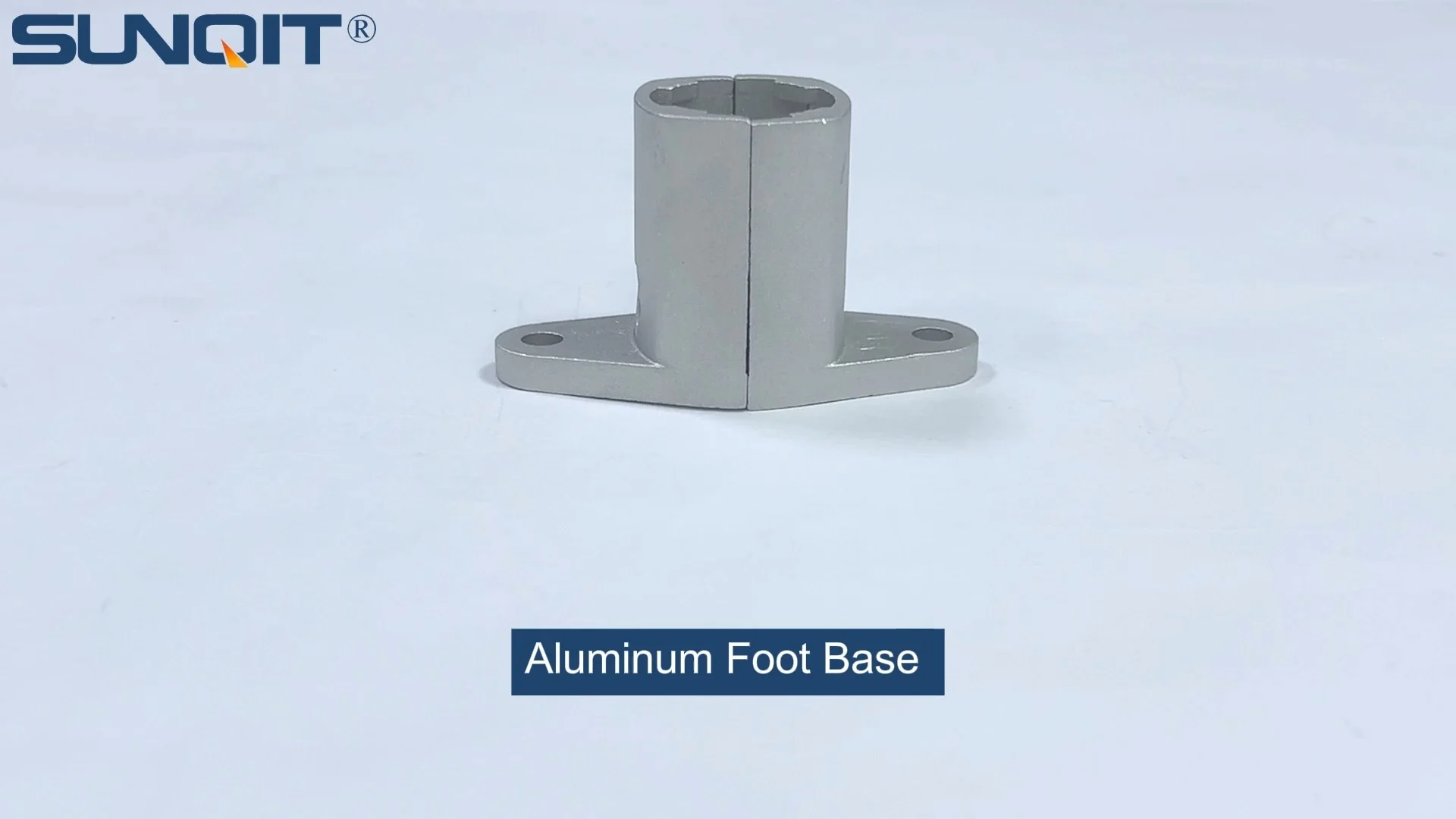
Aluminum Foot Base
Aluminum foot base to connect 28mm aluminum pipe and fixed it on the ground and prevent pipe fall and move.
In the bustling world of manufacturing, warehousing, and even office setups, it's often the smallest components that keep everything running smoothly. Think about the workbench where your team assembles products, the flow rack holding inventory, or the conveyor system moving materials across the factory floor—each of these relies on a foundation that's easy to overlook: the aluminum foot base. These unassuming parts might not grab attention, but they're the silent workhorses ensuring stability, alignment, and safety in countless industrial and commercial spaces. If you're a facility manager, a small business owner setting up a workshop, or just someone curious about the durability of the tools that build our world, you've probably wondered: How long do aluminum foot bases actually last? Let's dive into this question, exploring the factors that shape their lifespan, real-world expectations, and how to make them go the extra mile—because in a lean system, every component's longevity directly impacts efficiency and bottom lines.
What Are Aluminum Foot Bases, Anyway?
Before we talk about how long they last, let's make sure we're all on the same page about what aluminum foot bases are. Simply put, these are the sturdy, often adjustable components that sit at the bottom of structures like workbenches, material racks, or conveyor frames, acting as a bridge between the equipment and the floor. They're designed to do three key jobs: support weight , level uneven surfaces , and protect both the equipment and the floor from damage. Unlike generic plastic or rubber feet, aluminum foot bases are built for durability—especially in industrial settings where heavy loads, constant movement, and harsh conditions are the norm.
You'll find them in all sorts of setups. A mechanic's workbench might use adjustable aluminum foot bases to keep the surface steady, even if the garage floor is slightly uneven. A warehouse's flow rack, stacked with boxes, relies on them to distribute weight evenly and prevent tipping. Even in offices, some heavy-duty shelving units use aluminum foot bases to avoid scratching hardwood floors. In short, wherever there's a need for stable, long-lasting support, these little components step up.
But not all aluminum foot bases are created equal. They come in different shapes, sizes, and designs, often paired with aluminum profiles—the structural beams they attach to. Some are fixed, while others are adjustable (think of adjustable leveling feet , a common type that lets you twist a knob to raise or lower the height). Materials matter too: most are made from aluminum alloys, which balance strength and lightness, and many have rubber or plastic pads on the bottom to grip the floor and reduce noise. All these details play a role in how long they'll hold up.
The Big Question: What Influences Their Lifespan?
So, how long can you expect your aluminum foot base to last? The answer isn't a simple number—it depends on a handful of key factors. Let's break them down, one by one, so you can get a clearer picture for your specific setup.
1. Material Quality: Not All Aluminum Is Created Equal
The first thing to consider is the quality of the aluminum itself. Aluminum foot bases are typically made from aluminum alloys, which are mixtures of aluminum and other metals like copper, magnesium, or silicon. These alloys are chosen for their strength, corrosion resistance, and weight. For example, 6061 aluminum is known for its high tensile strength and weldability, making it a popular choice for industrial components. On the flip side, cheaper alloys with lower quality control might be more prone to bending, cracking, or wearing down over time.
Another aspect is the thickness of the aluminum. A foot base with a thin, flimsy base plate might warp under heavy loads, while a thicker plate distributes weight better and resists deformation. Coatings matter too: many aluminum foot bases are anodized (a process that adds a protective oxide layer) or powder-coated to boost corrosion resistance. Without these treatments, aluminum can still oxidize—though it forms a protective layer of aluminum oxide, which is better than rust, but not invincible in harsh environments.
2. Load Capacity: Are You Pushing Them Too Hard?
Every aluminum foot base has a maximum load capacity—the amount of weight it's designed to support. Ignore this, and you'll drastically cut its lifespan. Let's say a foot base is rated for 500 pounds. If you stack a workbench with tools and materials weighing 800 pounds on top of it, the base plate might bend, the threads (if it's adjustable) could strip, or the welds (if it's welded to the aluminum profile) might crack. Over time, even slightly exceeding the load capacity can lead to fatigue—small, invisible damages that add up until the foot base fails.
It's not just static loads, either. Dynamic loads—weight that moves or shifts—are even harder on foot bases. Think about a conveyor system where boxes slide onto a flow rack: the sudden impact of each box adds stress. Or a workbench where someone is constantly leaning on it or placing heavy tools down with force. These repeated stresses can wear down the foot base faster than a steady, unmoving load. So, if your setup involves a lot of movement or impact, you'll need a foot base built to handle dynamic loads, which often means reinforced construction or higher-grade materials.
3. Environmental Conditions: Where Are They Installed?
Aluminum is naturally resistant to corrosion, but it's not immune—especially in extreme environments. Let's compare two scenarios: a foot base under a workbench in a climate-controlled factory vs. one under a rack on a loading dock exposed to rain, snow, and road salt. The indoor one will likely last decades, while the outdoor one might start showing signs of wear in just a few years if not properly protected.
Humidity is another culprit. In a damp warehouse or a food processing plant with frequent washdowns, moisture can seep into the gaps of adjustable foot bases, causing threads to seize or corrode. Chemicals are even worse: if your facility uses solvents, oils, or cleaning agents, some of these can react with aluminum or its coatings, eating away at the material. For example, acidic cleaners might strip anodized layers, leaving the aluminum vulnerable to further damage.
Temperature swings matter too. In a hot environment, aluminum expands; in the cold, it contracts. Over time, these repeated expansions and contractions can loosen bolts or weaken the bond between the foot base and the aluminum profile. UV exposure, from sunlight streaming through windows or outdoor setups, can fade powder coatings and make plastic or rubber pads brittle, reducing their grip and shock absorption.
4. Maintenance: A Little Care Goes a Long Way
Even the highest-quality aluminum foot base won't last forever without basic maintenance. Think of it like a car: skip the oil changes, and it'll break down sooner. The same applies here. Simple steps like cleaning, tightening, and inspecting can add years to your foot base's life.
For example, if you notice a foot base is wobbly, tightening the bolts that attach it to the aluminum profile can prevent further stress. If the rubber pad on the bottom is worn or cracked, replacing it (a cheap and easy fix) ensures the foot base stays stable and doesn't scratch the floor. In humid environments, wiping down adjustable foot bases with a dry cloth and applying a light lubricant to the threads can prevent seizing. And if you spot signs of corrosion—like white, powdery spots on the aluminum—gently cleaning it with a mild detergent and applying a corrosion inhibitor can stop it from spreading.
Unfortunately, many people overlook maintenance, assuming aluminum "takes care of itself." While it's more low-maintenance than steel, it still needs attention, especially in high-stress or harsh environments.

Real-World Lifespan: What Do the Numbers Say?
Now that we understand the factors, let's get to the heart of the matter: how long do aluminum foot bases actually last in practice? To answer this, we've compiled data from industry reports, manufacturer warranties, and facility managers who've used these components for years. Remember, these are averages—your mileage may vary based on the factors we discussed.
| Setup Type | Environment | Load (Per Foot Base) | Maintenance Routine | Expected Lifespan |
|---|---|---|---|---|
| Residential/Office Shelving | Indoor, climate-controlled, low humidity | 100–300 lbs (light to medium) | Minimal (occasional dusting, annual inspection) | 15–25 years |
| Industrial Workbench | Indoor factory, moderate humidity, no chemicals | 300–800 lbs (medium to heavy, static load) | Quarterly inspections, annual tightening/lubrication | 10–15 years |
| Flow Rack in Warehouse | Indoor, dry, occasional temperature swings | 500–1,000 lbs (heavy, dynamic loads from sliding boxes) | Monthly inspections, semi-annual pad replacement | 8–12 years |
| Outdoor Loading Dock Rack | Outdoor, exposed to rain, snow, road salt | 800–1,500 lbs (very heavy, dynamic loads) | Bi-weekly cleaning, quarterly corrosion checks, annual part replacement | 3–7 years |
| Food Processing Workbench | Indoor, high humidity, frequent washdowns with chemicals | 300–600 lbs (medium load, wet environment) | Weekly cleaning, monthly lubrication, bi-annual pad replacement | 5–8 years |
*Table data based on industry averages and manufacturer recommendations. High-quality aluminum alloys (e.g., 6061) and proper installation assumed.
As you can see, lifespan varies widely. In ideal conditions—indoor, light loads, minimal stress—aluminum foot bases can last 15–25 years, often outliving the equipment they support. In harsh environments, like outdoor loading docks or food processing plants, they might need replacement in as little as 3–7 years. The key takeaway? Your setup and habits have a huge impact on longevity.
Manufacturer warranties are another clue. Most reputable suppliers offer warranties of 5–10 years for their aluminum foot bases, assuming normal use and proper maintenance. This aligns with the mid-range of our table, suggesting that with average care, 8–12 years is a reasonable expectation for industrial settings.

Extending Lifespan: Practical Tips for Your Setup
Want to make sure your aluminum foot bases last as long as possible? Here are actionable tips, tailored to different environments and use cases, to maximize their lifespan.
For Indoor, Climate-Controlled Settings (Offices, Dry Factories)
- Choose the right load rating: Even if your current load is light, opt for a foot base rated for 20–30% more than you need. This "buffer" prevents stress from occasional heavier loads.
- Inspect annually: Check for loose bolts, worn rubber pads, or signs of corrosion (unlikely here, but possible near windows with condensation). Tighten bolts and replace pads as needed.
- Clean gently: Dust or wipe down foot bases with a damp cloth. Avoid harsh cleaners—mild soap and water is enough.
For Industrial Settings (Warehouses, Factories with Dynamic Loads)
- Reinforce high-stress areas: If foot bases are under flow racks or conveyors with constant impact, use models with thicker base plates or reinforced welds.
- Inspect quarterly: Check for bent plates, stripped threads (on adjustable models), or cracks in the aluminum. Tighten bolts monthly—vibration from machinery can loosen them.
- Lubricate adjustable threads: Use a dry lubricant (like graphite) on adjustable foot bases to prevent seizing, especially if the area is dusty.
- replace pads proactively: If rubber pads show 50% wear, replace them. Worn pads reduce stability and increase noise from movement.
For Harsh Environments (Outdoor, Humid, or Chemical-Exposed Areas)
- Opt for corrosion-resistant coatings: Choose foot bases with thick anodization (at least 10 microns) or powder coating. For extreme cases, look for models with stainless steel hardware (bolts, nuts) to prevent rust.
- Elevate if possible: In outdoor setups, place foot bases on concrete pads or metal plates to keep them off the ground and away from standing water.
- Clean regularly: Wipe down with fresh water to remove salt, chemicals, or grime. For corrosion spots, use a specialized aluminum cleaner and apply a corrosion inhibitor.
- Inspect monthly: Harsh environments accelerate wear, so check for corrosion, loose parts, or degraded coatings more often. replace any damaged components immediately—small issues become big ones fast here.
- Use plastic or rubber covers: In washdown areas, cover adjustable threads with plastic caps when not in use to prevent water and chemicals from seeping in.
General Best Practices for All Setups
- Buy from reputable suppliers: Cheap, generic foot bases often skimp on material quality and coatings. Look for suppliers who specialize in aluminum pipe accessories and lean system components—they're more likely to use high-grade alloys and rigorous testing.
- Install correctly: Follow the manufacturer's instructions. Over-tightening bolts can strip threads or warp the base plate; under-tightening leads to wobbling and stress.
- Train your team: Make sure anyone using the equipment knows not to stand, jump, or place excessive weight on unsupported areas (like the edge of a workbench, which can stress the foot bases unevenly).
- Keep records: Note installation dates, maintenance checks, and replacements. This helps you spot patterns (e.g., "foot bases near the loading dock need replacement every 5 years") and plan for future upgrades.

Common Misconceptions: What You Might Be Getting Wrong
When it comes to aluminum foot bases, there are a few myths that can lead to premature failure or unnecessary expenses. Let's debunk them.
Myth 1: "Aluminum Doesn't Rust, So It Doesn't Need Maintenance"
It's true that aluminum doesn't rust (rust is iron oxide), but it can corrode. Aluminum oxide, the protective layer that forms when aluminum reacts with oxygen, is thin and white. In most cases, this layer is self-healing and prevents further corrosion. However, in acidic or salty environments, this layer can break down, leading to pitting or "white rust." Without maintenance—like cleaning or applying a corrosion inhibitor—this can weaken the aluminum over time. Additionally, the hardware (bolts, nuts) that attach the foot base to the aluminum profile is often steel, which does rust. So even if the aluminum holds up, rusted bolts can cause the foot base to loosen or fail.
Myth 2: "Heavier Foot Bases Are Always Better"
Weight alone isn't a measure of quality. A heavy foot base might be made from a low-grade, thick aluminum alloy that's prone to bending, while a lighter one could be made from a high-strength alloy like 6061, which is stronger and more durable. Focus on load capacity, material grade, and coating quality instead of weight. For example, a 6061 aluminum foot base with a 1000-lb rating will outlast a heavier, lower-grade one with the same rating.
Myth 3: "Once Installed, They're Set It and Forget It"
Even in the best environments, foot bases are subject to vibration, minor load changes, and normal wear. A foot base that's perfectly stable today might loosen next month due to machinery vibrations. Ignoring this can lead to uneven loading, which stresses the foot base and the equipment it supports. Regular inspections take 5–10 minutes per setup and are well worth the time to avoid costly replacements or accidents.
Myth 4: "All Rubber Pads Are the Same"
The rubber pad on the bottom of the foot base isn't just for grip—it also absorbs shock and reduces noise. But not all rubber is created equal. Some pads are made from cheap, hard rubber that cracks easily; others are made from high-density, oil-resistant rubber that stands up to chemicals and heavy use. If your environment uses oils or solvents, opt for nitrile rubber pads (resistant to oils) instead of standard rubber. In cold environments, look for pads rated for low temperatures to prevent brittleness.
Wrapping Up: Why Lifespan Matters for Your Lean System
At the end of the day, aluminum foot bases are more than just "feet" for your equipment—they're a critical part of your lean system. A lean system thrives on efficiency, reliability, and minimizing waste. When foot bases fail prematurely, you're not just replacing a small part—you're dealing with downtime (while the workbench or rack is out of commission), wasted money (on replacements), and potential safety risks (unstable equipment can lead to accidents or damaged inventory).
By understanding the factors that influence lifespan, choosing quality components, and following simple maintenance routines, you can ensure your aluminum foot bases support your operations for years—even decades—to come. Whether you're setting up a new workbench, upgrading a flow rack, or maintaining existing equipment, investing time and resources into your foot bases pays off in the long run.
So, how long do aluminum foot bases last? It depends on you: the quality you choose, the care you give them, and the environment you put them in. With the right approach, they'll be quietly supporting your success for years to come—just as they should.