- Company Articles
- Products and Technology
- Product knowledge
- Aluminum Foot Base Load Capacity: How to Choose the Right Rating

Aluminum Foot Base Load Capacity: How to Choose the Right Rating
Related Product
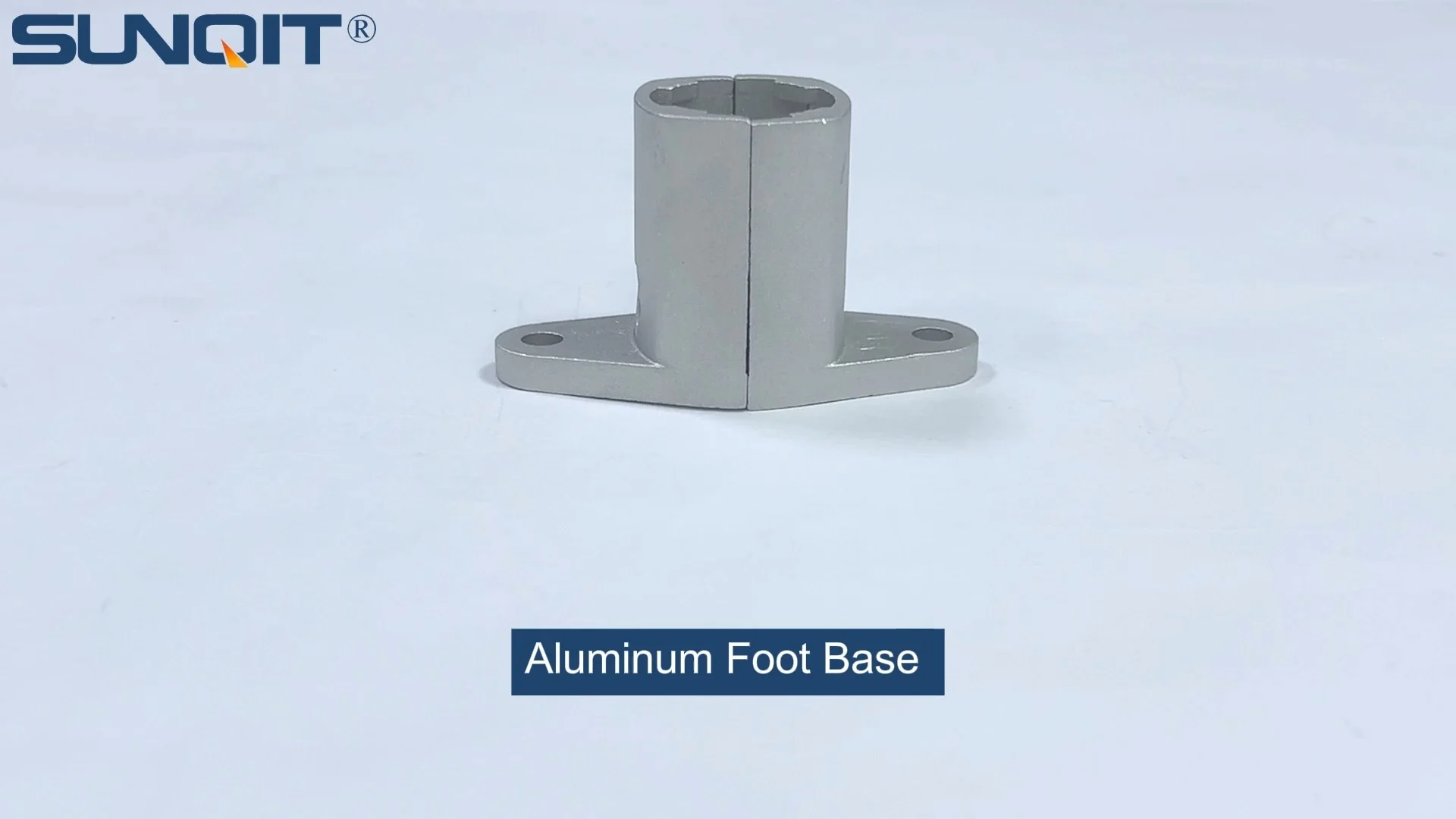
Aluminum Foot Base
Aluminum foot base to connect 28mm aluminum pipe and fixed it on the ground and prevent pipe fall and move.
Walk into any busy workshop, manufacturing floor, or warehouse, and you'll notice a silent workhorse holding everything together: the aluminum foot base. It's not the flashiest component on a workbench or material rack, but without the right load capacity, even the sturdiest aluminum profile structure can wobble, creak, or worse—fail. Whether you're setting up a new production line with workbench E (single deck-without caster) or upgrading a material rack B (3 row and 3 floor), choosing the correct aluminum foot base load rating isn't just about stability—it's about safety, efficiency, and protecting your investment in aluminum pipe accessories and equipment.
In this guide, we'll break down everything you need to know to select the perfect aluminum foot base for your needs. From understanding what load capacity really means to avoiding common pitfalls, we'll cover the nitty-gritty details that keep your workspaces steady and your operations running smoothly. Let's dive in.
What Is an Aluminum Foot Base, and Why Does Load Capacity Matter?
At its core, an aluminum foot base is the foundation of structures built with aluminum profile—think workbenches, material racks, turnover trolleys, and even conveyor systems. It's the component that connects the vertical aluminum pipes to the floor, distributing the weight of the structure and its contents evenly. Without a properly rated foot base, even the strongest aluminum extrusion profile can't prevent a structure from tipping, sagging, or damaging the floor.
Load capacity refers to the maximum weight a foot base can support without deforming or failing. This isn't just about the static weight of, say, tools on a workbench; it also includes dynamic forces like vibrations from machinery, accidental impacts, or the movement of materials (like sliding parts on a roller track). Underestimating this number is like building a house on sand—eventually, the structure will give way.
Key Factors That Affect Aluminum Foot Base Load Capacity
Not all aluminum foot bases are created equal. Their load capacity depends on a handful of critical factors, each of which plays a role in how much weight they can handle. Let's break them down:
1. Material Quality: The Aluminum Profile Matters
The grade and thickness of the aluminum used in the foot base directly impact its strength. High-quality aluminum extrusion profile—like the 6063-T5 alloy commonly used in industrial applications—offers superior tensile strength and resistance to bending compared to lower-grade aluminum. A foot base made from thin, low-quality aluminum might look the part, but it won't stand up to heavy loads over time. When shopping, always ask suppliers about the aluminum alloy and wall thickness of their foot bases.
2. Design: Shape and Size Dictate Stability
A foot base's design—its footprint, height, and base plate size—affects how weight is distributed. A larger base plate spreads the load over more floor area, reducing pressure and increasing stability. For example, a square base plate measuring 100x100mm will handle more weight than a narrow 50x50mm plate, even if both are made from the same aluminum profile. Adjustable foot bases, which let you level the structure on uneven floors, can also impact load capacity if not properly locked into place—always ensure the adjustment mechanism is secure.
3. Installation: How You Attach It Matters Just as Much
Even the best aluminum foot base will fail if installed incorrectly. Using the wrong aluminum pipe accessories—like mismatched bolts or loose fasteners—can create weak points. For instance, if you attach a foot base to an aluminum pipe using under-torqued screws, the joint may loosen under load, reducing the overall capacity of the structure. Always follow the manufacturer's guidelines for installation torque and use compatible accessories, such as the correct size washers and nuts.
4. Environmental Conditions: Static vs. Dynamic Loads
Is your structure holding a stationary load (like tools on a workbench) or supporting moving materials (like parts sliding down a flow rack)? Dynamic loads—those that shift or move—exert more stress on foot bases than static loads. For example, a material rack B (3 row and 3 floor) storing heavy boxes that are frequently loaded and unloaded will need a higher load-rated foot base than a static storage rack with rarely moved items. Vibrations from nearby machinery can also amplify stress, so factor in your workspace's activity level when choosing a rating.

Typical Load Requirements for Common Structures
To choose the right load capacity, you first need to know how much weight your structure will actually bear. Below is a table outlining typical load requirements for common industrial structures, along with the minimum aluminum foot base load rating recommended for each. These values are based on industry standards and real-world applications:
| Structure Type | Typical Load Per Unit | Minimum Foot Base Load Rating | Example Product |
|---|---|---|---|
| Workbench (Single Deck, No Caster) | 100-300 kg | 150-450 kg (per foot base) | Workbench E (single deck-without caster) |
| Material Rack (3 Row, 3 Floor) | 300-800 kg | 450-1200 kg (per foot base) | Material Rack B (3 row and 3 floor) |
| Turnover Trolley (Empty to Full) | 50-200 kg | 75-300 kg (per foot base) | Hand Trolley A |
| Flow Rack (Light Parts) | 200-500 kg | 300-750 kg (per foot base) | Plastic Roller Track Guide Rail Yellow Flow Rack |
| Heavy-Duty Assembly Workbench | 500-1000 kg | 750-1500 kg (per foot base) | Aluminum Workbench K (with reinforced frame) |
Note: These are general guidelines. Always calculate the total load of your structure (including the weight of the aluminum profile itself) and divide by the number of foot bases to determine the required per-base rating. For example, a workbench E weighing 50 kg with a 300 kg load would have a total weight of 350 kg. With 4 foot bases, each needs to support at least 87.5 kg—but we recommend a 50% safety margin, so 131 kg or higher.

Common Mistakes to Avoid When Choosing Load Capacity
Even experienced facility managers can make missteps when selecting aluminum foot bases. Here are the most frequent errors—and how to steer clear of them:
1. Underestimating the Total Load
It's easy to focus only on the "working load" (e.g., the tools on a workbench) and forget the structure's own weight. An aluminum workbench with a steel top, aluminum honeycomb panel, and accessories like tool holders can add 50-100 kg to the total load. Always add the structure's weight to the expected payload before calculating per-foot-base requirements.
2. Ignoring Dynamic Loads
A box sitting static on a rack exerts less force than the same box being slid onto the rack or dropped (even slightly). Dynamic loads can increase stress by 20-50%—so if your structure will see frequent loading/unloading, bump up the foot base rating by at least 30% to account for these forces.
3. Sacrificing Quality for Cost
Low-cost aluminum foot bases might seem appealing, but they often use thin aluminum profile or weak welds. A $10 foot base with a 100 kg rating might fail at 120 kg, while a $15 model from a reputable aluminum foot base supplier could handle 200 kg reliably. Investing in quality upfront prevents costly downtime and repairs later.
4. Overlooking Floor Conditions
Uneven or soft floors (like concrete with cracks) reduce a foot base's effective load capacity. In these cases, choose adjustable foot bases with larger base plates or suction cup anti-slip foot adjusters to distribute weight better. For example, a suction cup antiskid foundation can increase stability on smooth floors by creating a vacuum seal, boosting effective load capacity by up to 15%.

Step-by-Step Guide to Choosing the Right Load Rating
Now that you know what to watch out for, let's walk through the process of selecting the perfect aluminum foot base load rating for your project:
Step 1: Calculate the Total Load
Start by adding up all the weights your structure will support: the weight of the aluminum profile and accessories (aluminum pipe clamp, joint, etc.), the payload (tools, materials), and any dynamic forces (vibrations, impacts). For example:
- Aluminum workbench frame + top: 80 kg
- Tools and materials: 250 kg
- Dynamic load factor (30%): 75 kg (30% of 250 kg)
- Total load: 80 + 250 + 75 = 405 kg
Step 2: Determine the Number of Foot Bases
Most structures use 4 foot bases (one at each corner), but larger or longer structures (like a 6-foot material rack) may need 6 or more. For our example workbench, we'll use 4 foot bases.
Step 3: Divide Total Load by Foot Bases (Plus Safety Margin)
Divide the total load by the number of foot bases, then add a 50% safety margin to account for uneven weight distribution or unexpected loads:
- Load per foot base: 405 kg ÷ 4 = 101.25 kg
- With 50% safety margin: 101.25 kg × 1.5 = 151.875 kg
Round up to the nearest standard rating—in this case, a 160 kg or 200 kg foot base would work.
Step 4: Match to Foot Base Specifications
Check manufacturer data sheets for foot base load ratings. Look for terms like "static load capacity" and "dynamic load capacity." Ensure the foot base's dynamic rating (if listed) meets or exceeds your calculated requirement. If unsure, ask your aluminum foot base supplier for guidance—reputable suppliers will help you select the right model.
Case Study: How One Factory Avoided Disaster by Upgrading Foot Bases
A mid-sized electronics manufacturer was using workbench E (single deck-without caster) stations with basic aluminum foot bases rated for 100 kg each. The workbenches held circuit board assemblies, tools, and testing equipment—total load per bench: ~280 kg (4 foot bases × 70 kg each, no safety margin).
After a few months, workers reported the benches wobbling during testing, and one bench even tipped slightly when a technician leaned on it. An inspection revealed the foot bases were bending under the load—their 100 kg rating was being pushed to the limit, and dynamic forces from equipment vibrations were making it worse.
The solution? Upgrading to 200 kg-rated aluminum foot bases with larger base plates and made from high-grade aluminum profile. The new foot bases cost $12 each (vs. $8 for the old ones), but the investment paid off: no more wobbling, reduced equipment damage, and improved worker confidence. The factory also added a 50% safety margin to all future foot base selections.
Final Thoughts: Your Structure's Foundation Deserves Careful Attention
Aluminum foot bases might not be the most glamorous part of your workspace, but they're the unsung heroes that keep everything stable and safe. By taking the time to calculate load requirements, avoid common mistakes, and choose high-quality foot bases from trusted aluminum foot base suppliers, you'll ensure your structures stand the test of time—even under the heaviest loads.
Remember: when it comes to load capacity, it's better to overestimate than underestimate. A few extra dollars spent on a higher-rated foot base today can save you from costly repairs, downtime, or even accidents tomorrow. So, whether you're building a simple workbench or a complex material handling system, make the aluminum foot base a priority—it's the foundation of your success.