- Company Articles
- Products and Technology
- Installation And Maintenance
- Aluminum Foot Base Maintenance: 5 Easy Tips to Extend Lifespan

Aluminum Foot Base Maintenance: 5 Easy Tips to Extend Lifespan
Related Product
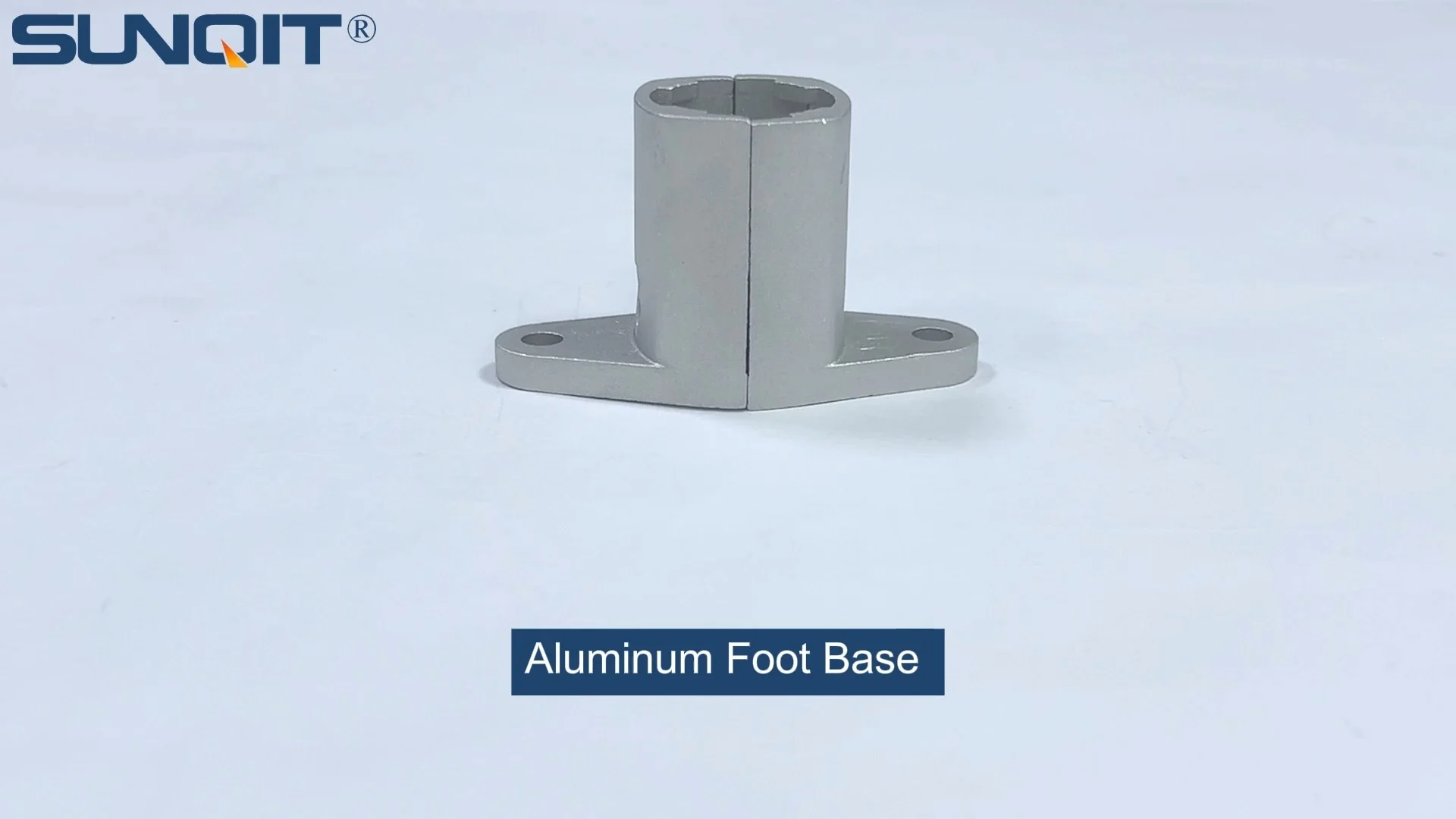
Aluminum Foot Base
Aluminum foot base to connect 28mm aluminum pipe and fixed it on the ground and prevent pipe fall and move.
In the hum of a busy workshop or the precision-focused environment of a manufacturing floor, there's an unsung hero working quietly beneath it all: the aluminum foot base. These sturdy, unassuming structures are the backbone of stability for workbenches, conveyor systems, and material racks, ensuring every task—from assembly to quality checks—happens on level, secure ground. But like any hardworking team member, aluminum foot bases need a little care to keep performing at their best. Neglect them, and you might soon face wobbly workstations, delayed production, or even safety hazards. The good news? Extending their lifespan doesn't require fancy tools or expert knowledge. Here are five easy, actionable tips to keep your aluminum foot bases strong, stable, and ready for years of reliable service.
1. Regular Cleaning: The First Line of Defense
Aluminum is prized for its durability and resistance to rust, but it's not invincible—especially when exposed to the daily grind of a workshop. Dust, grease, coolant spills, and even moisture can take a toll over time, hiding small flaws and accelerating wear. Think of cleaning as giving your foot base a quick health check: it removes the "clutter" so you can spot issues early and keeps the material itself in top shape.
How to clean effectively: Start with a soft, lint-free cloth or a microfiber towel to wipe away loose dust and debris. For stuck-on grime—like oil splatters or dried coolant—mix a few drops of mild dish soap with warm water. Dip a sponge or soft brush into the solution and gently scrub the surface. Avoid abrasive tools like steel wool or scouring pads; they'll scratch the aluminum's protective finish, making it more vulnerable to corrosion later. Rinse with a damp cloth (no soaking!) and dry thoroughly with a clean towel—moisture left lingering can lead to white, powdery oxidation (aluminum oxide), which, while not as destructive as rust, can weaken the surface over time.
Pro tip for tough spots: If you notice light oxidation (those white spots), mix equal parts white vinegar and water, apply with a cloth, let sit for 5 minutes, then wipe clean. For stubborn grease, a citrus-based degreaser (applied sparingly and rinsed immediately) works wonders—just avoid harsh chemicals like bleach or ammonia, which can eat away at aluminum.
Aim to clean your aluminum foot bases at least once a week in high-traffic areas (like near assembly lines) and biweekly in less busy spots. Regular cleaning isn't just about appearances—it's your first chance to spot cracks, loose connections, or wear that might otherwise go unnoticed.
2. Inspect for Hidden Wear (Don't Just Glance—Look Closely)
Cleaning sets the stage for inspection, but true maintenance means getting up close and personal with your foot base. Even a "small" issue—like a tiny crack or a slightly loose bolt—can snowball into a big problem if ignored. For example, a hairline fracture in the aluminum could spread under the weight of a loaded workbench, leading to instability. Or a loose connection to aluminum pipe accessories might throw off the entire structure's balance, making tasks like precision assembly nearly impossible.
What to check during inspection: Start with the base itself. Run your hand along the aluminum surfaces to feel for dents, sharp edges, or unevenness—these can indicate impacts or stress. Pay extra attention to welds (if present) and joints where the foot base connects to the workbench or aluminum pipe accessories; these are high-stress areas prone to cracking. Next, look for signs of corrosion: besides the white oxidation mentioned earlier, watch for pitting (small holes) or discoloration, which signal deeper damage. If you spot pitting, it's time to consider replacing that part—corrosion weakens aluminum's structural integrity, and there's no easy fix for advanced damage.
Don't forget the hardware: Nuts, bolts, and screws hold everything together, and vibrations from machinery or daily use can loosen them over time. Grab a flashlight and check every fastener—are they tight? Do any have stripped threads or rust? A loose bolt might seem minor, but it can cause the foot base to shift, creating a domino effect of instability up through the workbench. Tighten loose hardware on the spot (we'll cover tools for this in Tip 3!), and replace any damaged bolts or nuts immediately—using the same size and material (preferably stainless steel or zinc-coated for extra rust resistance).

3. Lubricate Moving Parts (Yes, Even Foot Bases Have Them!)
You might not think of a foot base as "moving," but many designs include adjustable components that need smooth operation to function properly. Adjustable leveling feet—those threaded, screw-like parts that let you tweak the height to compensate for uneven floors—are a prime example. Over time, dust and friction can make these feet hard to turn, or cause them to seize up entirely, leaving you with a wobbly workbench you can't fix. Similarly, if your foot base is part of a mobile setup (like a rolling workbench), caster accessories (wheels, axles, and brakes) need lubrication to roll smoothly and avoid squeaking.
What to lubricate and how: Focus on two key areas: adjustable leveling feet threads and caster wheel axles/bearings. For threads, a silicone-based lubricant is ideal—it's compatible with aluminum, won't damage plastic parts (if your foot base has them), and repels dust better than oil-based lubes. Apply a tiny amount to a cloth and wipe it along the threads; avoid over-spraying, as excess lube will just attract more dirt. For caster axles, a few drops of the same silicone lube (or a lightweight machine oil, if the manufacturer recommends it) will keep wheels rolling freely. If your casters have brakes, spray a little lube on the brake mechanism to ensure it engages and releases smoothly—sticky brakes can make moving the workbench a struggle and wear out the brake pad faster.
How often? For adjustable leveling feet, lubricate every 3 months if they're used occasionally, or monthly if you're constantly tweaking them (e.g., in a workshop with uneven floors). Caster accessories should be lubricated every 2 months with regular use, or more often if the workbench is moved frequently (like in a busy warehouse). Always wipe away old lube and clean the area before applying fresh—this prevents gunk buildup.

4. Tighten Connections: Keep the "Team" Working Together
Aluminum foot bases are often assembled from multiple parts: the base plate, support tubes, adjustable feet, and brackets that attach to the workbench or aluminum pipe accessories. Over time, vibrations from nearby machinery, the weight of heavy tools, and even temperature changes (expanding and contracting metal) can loosen these connections. A single loose bolt might not seem like a big deal, but it creates "play" in the structure—every time someone leans on the workbench or places a heavy part, that looseness spreads, stressing other bolts and joints. Eventually, you'll have a foot base that wobbles, creaks, or even shifts mid-task.
Tools you'll need: A basic set of hex keys (Allen wrenches), a screwdriver (Phillips or flathead, depending on the hardware), and a torque wrench (optional, but helpful for critical connections). Most foot bases use hex bolts or socket cap screws, so having a full set of hex keys (in metric sizes, since aluminum parts often follow international standards) is a must.
How to tighten like a pro: Start by identifying all connection points: where the base plate meets the support tubes, where adjustable leveling feet screw into the base, and where the foot base attaches to the workbench frame. Use the right tool size—too small, and you'll strip the bolt head; too large, and you won't get a good grip. Tighten each bolt until it's "snug"—you should feel resistance, but don't over-tighten! Aluminum is softer than steel, and cranking a bolt too hard can strip the threads or even crack the metal. A good rule of thumb: tighten until the bolt stops turning easily, then give it a quarter-turn more. For bolts that connect to aluminum pipe accessories (like brackets or cross-braces), check the manufacturer's torque specs if available—this ensures you're not under or over-tightening.
Watch for stripped threads: If a bolt spins freely without tightening, or the head is rounded, it's stripped. Remove it carefully (use pliers if the head is damaged) and replace it with a new bolt of the same diameter, length, and thread pitch. If the nut or the threaded hole in the aluminum is stripped, you may need to tap a new thread (using a tap and die set) or replace the entire part—better to fix this early than risk the connection failing later.

5. Protect Against the Elements (Even Indoors!)
Most aluminum foot bases live indoors, but that doesn't mean they're safe from environmental damage. Humidity in a workshop, chemical spills (coolant, cleaning agents), and even UV light from windows can all affect their lifespan. The goal here isn't to wrap them in bubble wrap, but to take simple steps to shield them from the biggest threats in their daily environment.
Moisture: The silent enemy. High humidity or standing water (from a spilled bucket or leaky pipe) can lead to oxidation, especially if the aluminum's protective finish is scratched. If your workshop is prone to dampness, use a dehumidifier to keep humidity below 60%. Wipe up spills immediately, and avoid placing the foot base directly on concrete floors without a barrier—concrete can wick moisture, even if it looks dry. A thin rubber mat or plastic pipe sleeve (cut to size) under the base plate adds a layer of protection and reduces noise too!
Chemicals: Avoid harsh cleaners. We mentioned this earlier, but it's worth repeating: stay away from bleach, ammonia, or acidic cleaners (like toilet bowl cleaner) when cleaning your foot base. These can etch the aluminum surface, making it more porous and prone to future damage. Stick to mild soap and water, or a cleaner specifically labeled "safe for aluminum." If you work with oils or solvents (e.g., in an auto repair shop), place a drip tray under the foot base to catch spills, and clean any splatters immediately with a citrus-based degreaser (rinsed right away!).
UV light: For foot bases near windows. Prolonged exposure to sunlight can fade colored finishes (if your foot base has one) and weaken plastic components (like caster wheel covers or leveling foot caps). If moving the workbench isn't an option, apply a UV-resistant clear coat (available at hardware stores) to the aluminum surface—this adds a protective layer that blocks UV rays. For plastic parts, a quick wipe with a UV protectant spray (like those used for car dashboards) can extend their life.
| Maintenance Task | Frequency | Tools Needed | Key Benefit |
|---|---|---|---|
| Surface cleaning (dust/debris removal) | Weekly | Soft cloth, microfiber towel | Prevents buildup that hides damage; keeps aluminum looking new |
| Deep cleaning (grease/grime) | Monthly | Mild soap, warm water, sponge | Removes corrosive substances; improves inspection accuracy |
| Inspection (cracks, corrosion, loose hardware) | Biweekly | Flashlight, gloves (optional) | Catches small issues before they become big problems |
| Lubrication (adjustable feet, casters) | Every 2–3 months | Silicone-based lubricant, cloth | Ensures smooth adjustment; prevents seizing or squeaking |
| Tightening connections | Monthly | Hex keys, screwdriver, torque wrench (optional) | Maintains stability; reduces stress on bolts/joints |
| Part replacement (stripped bolts, corroded parts) | As needed | Replacement hardware, pliers (for removal) | Restores structural integrity; avoids sudden failure |
Your aluminum foot base might not get the same attention as the shiny new conveyor or high-tech workbench it supports, but its role in keeping your operation running smoothly is irreplaceable. By following these five tips—cleaning regularly, inspecting for wear, lubricating moving parts, tightening connections, and protecting against the elements—you'll not only extend its lifespan but also ensure every task on top of it is safer, more efficient, and less prone to errors. Best of all, these steps take just minutes a week, making them easy to fit into your regular maintenance routine. Think of it as investing in the foundation of your workspace—because a strong base means a stronger, more productive team.