- Company Articles
- Products and Technology
- Product knowledge
- Aluminum Foot Base Surface Treatments: Improving Grip & Stability

Aluminum Foot Base Surface Treatments: Improving Grip & Stability
Related Product
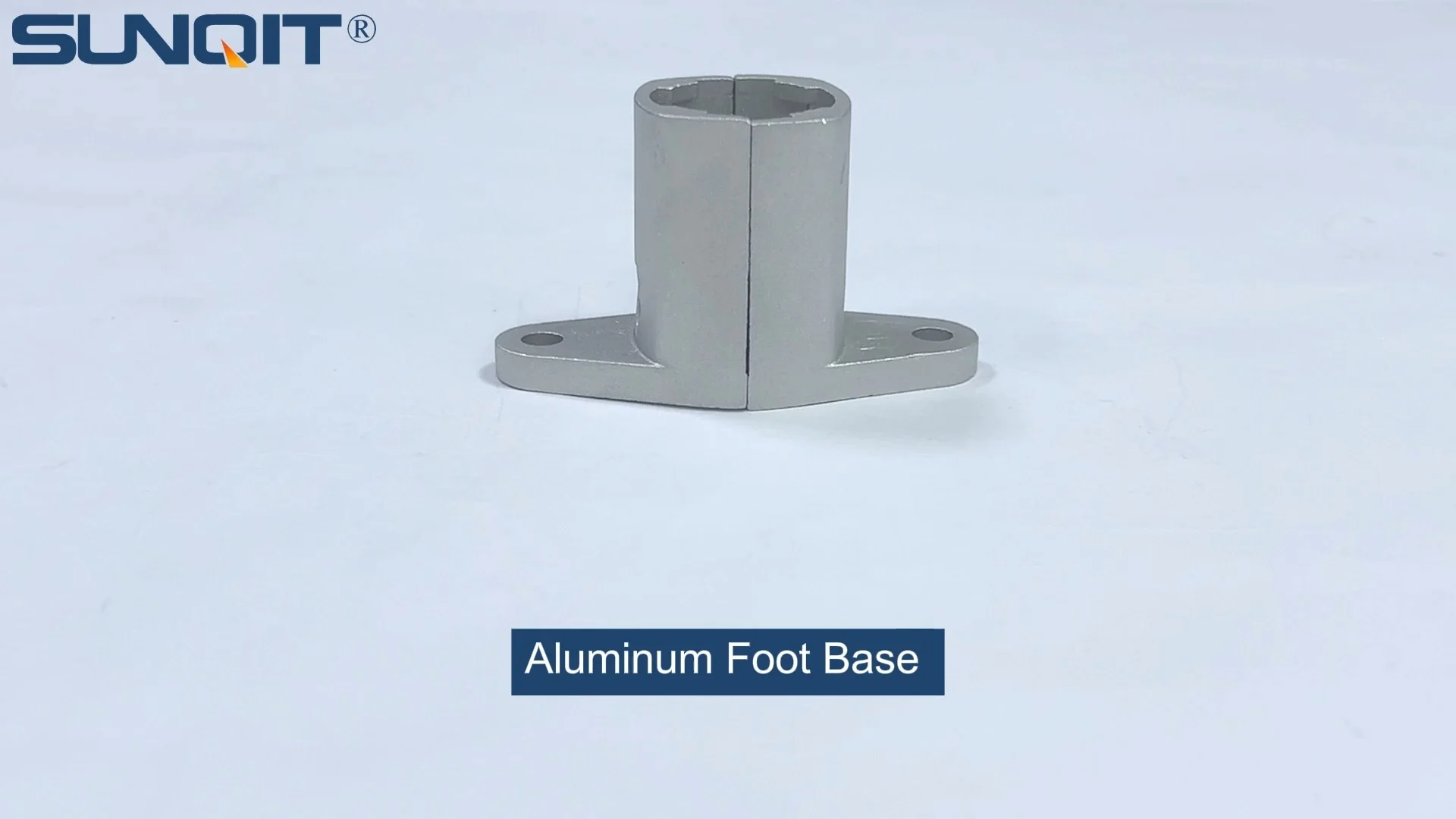
Aluminum Foot Base
Aluminum foot base to connect 28mm aluminum pipe and fixed it on the ground and prevent pipe fall and move.
In the hustle of a busy factory floor or the precision-driven environment of a manufacturing plant, every component matters—even the ones you might overlook at first glance. Take the aluminum foot base, for example. This unassuming part, often tucked beneath workbenches, material racks, or conveyor systems, plays a quiet but critical role: it's the foundation that keeps equipment steady, prevents slips, and ensures operations run smoothly. But raw aluminum alone isn't always up to the task. That's where surface treatments come in. By modifying the outer layer of aluminum foot bases, these processes boost grip, enhance durability, and ensure long-term stability—turning a basic component into a silent hero of industrial efficiency.
Why Surface Treatments Matter for Aluminum Foot Bases
Aluminum is prized in industrial settings for its lightweight strength, corrosion resistance, and malleability. But when it comes to foot bases—components tasked with bearing heavy loads, resisting daily wear, and maintaining traction on sometimes slippery floors—raw aluminum has limitations. Its natural surface is often smooth, offering minimal friction, and while aluminum does form a thin oxide layer that resists rust, this layer can wear away under constant stress. Surface treatments address these gaps by:
- Enhancing grip: Creating textured or rough surfaces that increase friction between the foot base and the floor, preventing unwanted movement even under vibration or load shifts.
- Boosting stability: Strengthening the aluminum's resistance to corrosion, scratches, and dents, ensuring the foot base maintains its shape and load-bearing capacity over time.
- Extending lifespan: Protecting the underlying aluminum from environmental damage (moisture, chemicals, temperature fluctuations) and reducing the need for frequent replacements.
For manufacturers, warehouse managers, or anyone relying on aluminum profile workbenches, material racks, or turnover trolleys, the right surface treatment isn't just an upgrade—it's a cost-saving investment in safety and reliability. Imagine a material rack B (3 row and 3 floor) loaded with heavy components: without a treated foot base, a sudden jolt or wet floor could cause it to shift, risking damage or injury. With a properly treated base, it stays anchored, letting workers focus on their tasks instead of worrying about equipment stability.
Common Surface Treatments for Aluminum Foot Bases
Not all surface treatments are created equal. Each method offers unique benefits, making some better suited for specific environments or needs. Let's dive into the most widely used treatments, how they work, and why they're effective for aluminum foot bases.
1. Anodizing: The Workhorse of Corrosion Resistance
Anodizing is one of the most popular surface treatments for aluminum, and for good reason. This electrochemical process converts the aluminum's surface into a thick, porous oxide layer, essentially "growing" a protective barrier from the metal itself. Here's how it works: the aluminum foot base is submerged in an electrolyte bath (usually sulfuric acid) and acts as the anode in an electrical circuit. When current is applied, oxygen ions react with the aluminum, forming aluminum oxide (Al₂O₃) on the surface. The result is a layer that's integral to the metal—no flaking or peeling—with tiny pores that can be sealed (to boost corrosion resistance) or left open (to absorb dyes for color customization).
For grip, anodized surfaces can be modified during the process to create a textured finish. By adjusting the electrolyte concentration or current density, manufacturers can produce matte, satin, or even slightly rough surfaces that enhance friction. For stability, anodizing is a standout: the oxide layer is far more corrosion-resistant than aluminum's natural film, making it ideal for humid warehouses, chemical-exposed factories, or outdoor applications. It also hardens the surface, reducing scratches from dragging or impacts—critical for foot bases that see daily use.
Example: Anodized aluminum foot bases are a staple in medical device manufacturing, where cleanliness and corrosion resistance are non-negotiable. They're also common in food processing plants, where frequent washdowns would quickly degrade untreated aluminum.
2. Powder Coating: Durability with a Customizable Touch
If you've ever noticed a workbench or material rack with a vibrant, uniform color, it's likely powder coated. This process involves applying a dry powder (typically a thermoplastic or thermoset polymer) to the aluminum foot base using electrostatic charge, then curing it in an oven. The heat melts the powder, forming a hard, continuous film that adheres tightly to the surface.
When it comes to grip, powder coating shines in its versatility. The powder can be formulated to create textures ranging from smooth to rough—matte finishes reduce slippage, while "orange peel" or granular textures add extra friction. For stability, the thick coating (often 2-6 mils, compared to anodizing's 0.5-2 mils) acts as a physical barrier against moisture, chemicals, and abrasion. Unlike paint, it won't chip or fade easily, even under heavy use. And with hundreds of color options, powder coating also lets facilities color-code equipment (e.g., yellow for high-traffic zones, grey for cleanrooms) without sacrificing performance.
Example: In automotive assembly lines, where conveyor systems and workbenches are exposed to oil, grease, and constant foot traffic, powder-coated aluminum foot bases maintain their grip and appearance for years. The textured finish prevents oil from turning the surface into a slip hazard, while the durable coating resists stains from lubricants.
3. Sandblasting: Rough Texture for Maximum Traction
For applications where raw grip is the top priority, sandblasting is a go-to. This mechanical process uses high-pressure air to propel abrasive materials (sand, glass beads, aluminum oxide) at the aluminum surface, eroding the top layer to create a uniformly rough texture. The result is a matte, pitted surface that feels like fine sandpaper—ideal for preventing slippage.
Sandblasting doesn't add a protective layer like anodizing or powder coating; instead, it modifies the existing aluminum surface. This makes it great for enhancing grip in dry, low-corrosion environments, such as indoor warehouses or assembly lines with concrete floors. However, because it exposes fresh aluminum, sandblasted foot bases are often paired with a secondary treatment (like a clear sealant or powder coating) to boost corrosion resistance. For example, a sandblasted foot base might first get a rough texture for grip, then a thin anodized layer to protect against moisture—combining the best of both worlds.
Example: Turnover trolleys used in electronics manufacturing often feature sandblasted aluminum foot bases. The rough surface ensures the trolleys stay put during loading/unloading, even when workers push or pull with force. When paired with a clear powder coat, they also resist scratches from metal parts sliding across the trolley bed.
4. Chemical Etching: Precision Texturing for Specialized Needs
For applications requiring ultra-specific grip patterns—like foot bases that need to lock into place on grated floors or align with precision rails—chemical etching is the answer. This process uses acidic or alkaline solutions to dissolve select areas of the aluminum surface, creating custom textures, grooves, or even logos. Unlike sandblasting, which is random, etching allows for controlled patterns: think tiny pyramids, grid lines, or channels that channel away liquids (like oil or water) to maintain traction.
While less common than anodizing or powder coating, chemical etching is invaluable in industries where precision matters. For example, aluminum foot bases for laboratory workbenches might be etched with a grid pattern to ensure they align perfectly with under-bench storage units, while those in cleanrooms could have micro-grooves to prevent dust buildup. The etched surface also improves adhesion for paints or adhesives, making it a useful pre-treatment step.

Comparing Surface Treatments: Which One Is Right for You?
Choosing the best surface treatment depends on your environment, load requirements, and priorities (grip, corrosion resistance, cost). To simplify the decision, here's a breakdown of key factors for the most common methods:
| Treatment Method | Grip Enhancement | Stability/Corrosion Resistance | Best For | Maintenance Needs | Cost Range* |
|---|---|---|---|---|---|
| Anodizing | Moderate (textured options available) | Excellent (oxide layer is integral to aluminum) | Humid/chemical-exposed areas, medical/cleanroom settings | Low (wipe with mild detergent; avoid abrasive cleaners) | Medium ($1.50-$3.00 per sq ft) |
| Powder Coating | High (textured/rough finishes optional) | Very Good (thick polymer barrier) | Heavy-traffic zones, color-coded equipment, outdoor use | Low (resistant to chipping/scratches; touch-ups possible) | Medium-High ($2.00-$4.00 per sq ft) |
| Sandblasting | Very High (rough, matte surface) | Low (unless sealed; exposes raw aluminum) | Dry indoor environments, temporary grip needs | High (may require re-sanding every 1-2 years; sealant needed for moisture) | Low ($0.75-$1.50 per sq ft) |
| Chemical Etching | Variable (custom patterns for specific grip needs) | Low-Medium (etching weakens natural oxide layer) | Precision alignment, specialized traction (e.g., grated floors) | Medium (sealant required; avoid harsh chemicals) | High ($3.00-$6.00 per sq ft) |
*Cost estimates based on industrial bulk pricing; may vary by supplier and finish complexity.

Real-World Applications: How Treated Foot Bases Improve Industrial Workflows
To see surface treatments in action, let's look at three common industrial setups where aluminum foot bases make a tangible difference:
1. Workbenches: Stability for Precision Tasks
A workbench is only as reliable as its foundation. In electronics assembly, where workers handle small, delicate components, even a tiny wobble can lead to errors. Aluminum profile workbenches—like the "Workbench E (single deck-without caster)"—often use anodized or powder-coated foot bases. Anodized bases resist corrosion from soldering fluxes, while powder-coated options with a rough texture prevent the bench from sliding during intensive tasks (e.g., using a torque wrench). In automotive repair shops, where oil and grease are everywhere, sandblasted then sealed foot bases ensure the workbench stays anchored, even when mechanics lean on it heavily.
2. Material Racks: Load-Bearing Confidence
Material racks, such as "Material Rack B (3 row and 3 floor)," are designed to hold hundreds of pounds of parts. Without stable foot bases, the rack could tilt or shift, risking collapsed inventory. Powder-coated aluminum foot bases are a popular choice here: their thick, durable finish resists dents from dropped parts, while the textured surface grips concrete floors, even when the rack is fully loaded. In warehouses with high humidity, anodized foot bases add an extra layer of protection, preventing rust from weakening the rack's structure over time.
3. Conveyors and Roller Tracks: Smooth Operations, Stable Foundations
Conveyor systems rely on precise alignment to keep products moving smoothly. A misaligned roller track can jam, causing costly downtime. Aluminum roller tracks often use foot bases treated with chemical etching—custom grooves or textures that lock the base into place, preventing shifts due to vibration. For example, "Plastic roller track guide rail yellow" systems (used in packaging lines) pair etched aluminum foot bases with the plastic rails, ensuring the entire setup stays level even as boxes slide over the rollers. In food processing, where conveyors are washed daily, anodized foot bases resist the constant moisture, maintaining stability for years.

Choosing the Right Treatment: Key Questions to Ask
Still unsure which surface treatment is best for your aluminum foot bases? Start by answering these questions:
- What's the environment like? Is the area humid, dry, exposed to chemicals, or prone to oil/grease spills? (e.g., Humid = anodizing; oily = powder coating with rough texture)
- How much grip do you need? Will the foot base be on smooth concrete, grated metal, or uneven floors? (e.g., Smooth floors = sandblasting; uneven = powder coating)
- What's the load capacity? Heavier loads require more durable treatments (e.g., powder coating for impact resistance).
- What's your budget? Sandblasting is cost-effective for short-term use, while anodizing or powder coating offers better long-term value.
- Are there aesthetic requirements? Need color-coding or a specific finish? (e.g., Powder coating for color; anodizing for a natural metallic look)
When in doubt, consult with an aluminum profile supplier. They can test samples in your environment, recommend treatments, and even provide case studies of similar applications. Remember: the goal isn't just to "treat" the foot base—it's to ensure it works seamlessly with your equipment, workers, and workflow.
Conclusion: The Unsung Hero of Industrial Stability
Aluminum foot bases might not get the same attention as flashy machinery or high-tech tools, but they're the backbone of safe, efficient industrial operations. By investing in surface treatments—whether anodizing for corrosion resistance, powder coating for durability, or sandblasting for grip—you're not just upgrading a component; you're building a foundation for reliability. From workbenches to material racks, treated aluminum foot bases reduce downtime, prevent accidents, and extend the life of your equipment—proving that sometimes, the smallest details make the biggest difference.
So the next time you walk through a factory or warehouse, take a moment to look down. Chances are, the stable, slip-resistant foot bases keeping everything in place are more than just aluminum—they're a testament to the power of smart surface treatments. And when you're ready to upgrade your own setup, remember: the right treatment isn't an expense. It's an investment in peace of mind.