- Company Articles
- Products and Technology
- Installation And Maintenance
- Aluminum Foot Base Troubleshooting: Fixing Loose or Wobbly Installations

Aluminum Foot Base Troubleshooting: Fixing Loose or Wobbly Installations
Related Product
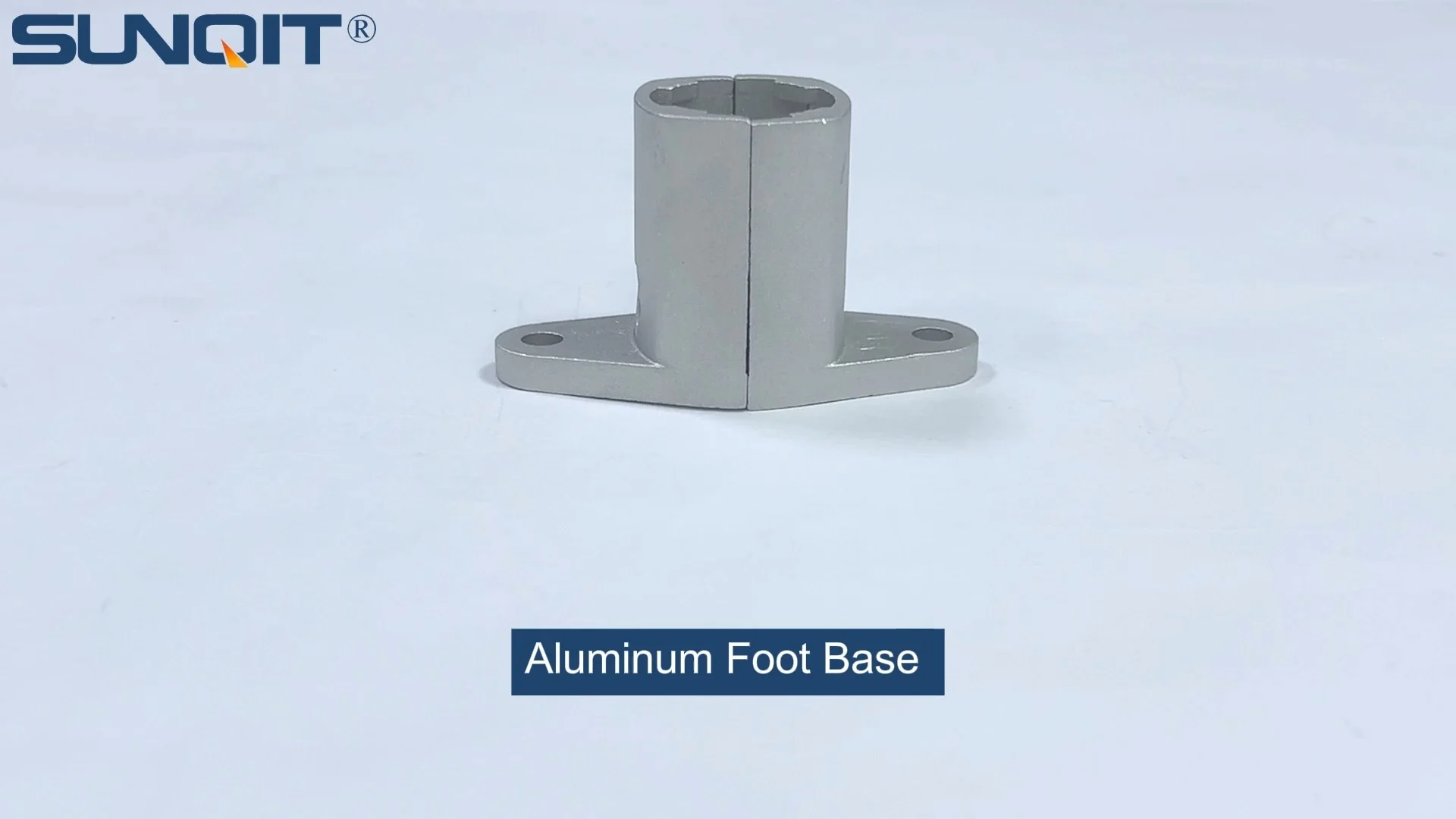
Aluminum Foot Base
Aluminum foot base to connect 28mm aluminum pipe and fixed it on the ground and prevent pipe fall and move.
Picture this: You're in the middle of a busy workday at your manufacturing facility. The assembly line is humming, your team is focused, and every second counts. But then, you notice it—a faint wobble in the workbench where your team assembles delicate components. At first, it's subtle, easy to brush off. But by mid-morning, that wobble has grown into a full-on shake. Parts slide off the table, tools rattle, and worst of all, your team's concentration is broken. You kneel down to check the base, and there it is: the aluminum foot base, loose and shifting under the weight of the workbench. Sound familiar? If you've ever dealt with a wobbly aluminum foot base, you know how frustrating—and costly—it can be. Loose installations don't just disrupt productivity; they risk damage to equipment, compromise worker safety, and even derail tight production schedules. But here's the good news: troubleshooting and fixing a loose or wobbly aluminum foot base doesn't have to be a headache. With the right knowledge, a few simple tools, and a little patience, you can get your setup stable again in no time. Let's dive in.
What Is an Aluminum Foot Base, Anyway?
Before we jump into troubleshooting, let's make sure we're all on the same page about what an aluminum foot base is and why it matters. At its core, an aluminum foot base is a foundational component used to support and stabilize structures like workbenches, material racks, assembly lines, and even turnover trolleys. Made from lightweight yet durable aluminum, these bases are designed to distribute weight evenly, reduce vibration, and keep equipment level—even on uneven floors. Think of them as the "feet" of your industrial setup: just as a chair needs sturdy legs to stay upright, your workbench or conveyor system relies on a solid aluminum foot base to stay stable.
But aluminum foot bases aren't just simple blocks of metal. They often come paired with adjustable leveling feet—small, threaded components that let you tweak the height of each base to compensate for uneven surfaces. These feet are game-changers in busy facilities where floors might be worn, cracked, or sloped from years of heavy equipment use. By turning the leveling feet, you can raise or lower individual corners of a workbench or rack, ensuring everything stays flat and stable. Without them, even a perfectly installed aluminum foot base might start to wobble the first time someone bumps into it or the floor shifts.
Aluminum foot bases also work hand-in-hand with aluminum profile accessories—things like brackets, connectors, and end caps that secure the base to the larger structure (say, the legs of a workbench or the frame of a material rack). These accessories are the glue that holds everything together. A loose bracket or a stripped connector can turn a solid base into a wobbly mess faster than you can say "productivity dip." That's why understanding how all these parts interact is key to troubleshooting when things go wrong.
Common Causes of Loose or Wobbly Aluminum Foot Bases
Wobbles don't happen by accident. More often than not, a loose aluminum foot base is the result of one (or more) common issues. Let's break down the usual suspects so you can spot them quickly:
| Issue | What's Happening | Why It Causes Wobbling |
|---|---|---|
| Loose Adjustable Leveling Feet | The threaded leveling feet have worked their way loose over time, often due to vibration from equipment or repeated use. | With leveling feet loose, the base can't maintain a consistent height, leading to rocking or tilting. |
| Stripped Threads on Leveling Feet or Bases | Over-tightening (or using the wrong tool) can strip the threads on leveling feet or the holes they screw into, making it impossible to secure them tightly. | Stripped threads mean the feet can't "grab" onto the base, so they spin freely instead of staying in place. |
| Damaged Aluminum Profile Accessories | Brackets, connectors, or bolts that secure the foot base to the structure are bent, cracked, or missing. | Without solid connections, the base can shift independently of the structure, causing wobbles every time the structure moves. |
| Uneven Floors (Even After Leveling) | Floors with deep cracks, potholes, or uneven wear can cause the base to rock, even if the leveling feet are adjusted. | The base can't "settle" evenly, so weight shifts from one foot to another as the structure is used. |
| Overloading the Structure | Putting more weight on the workbench, rack, or trolley than the foot base is rated to handle. | Excess weight bends or warps the base or the leveling feet, leading to uneven support and wobbling. |
| Dirt or Debris in Threads | Dust, grease, or metal shavings from the production floor get stuck in the threads of the leveling feet or base holes. | Debris prevents the feet from screwing in all the way, leaving gaps that cause movement. |
Let's take a closer look at a few of these. Take stripped threads, for example. I once visited a small electronics shop where the team had been tightening their adjustable leveling feet with a pipe wrench—way too much force for the delicate aluminum threads. After a month, half the feet were stripped, and their assembly workbench looked like it was doing the cha-cha every time someone leaned on it. Or consider overloading: A warehouse I consulted for had stacked 500-pound pallets on a material rack rated for 300 pounds. The aluminum foot bases bowed under the weight, and the whole rack started to lean. It was a disaster waiting to happen.

Tools You'll Need to Troubleshoot
You don't need a fully stocked machine shop to fix a wobbly aluminum foot base, but having the right tools on hand will make the job faster and easier. Here's what to grab before you start:
- Hex keys (Allen wrenches): Most adjustable leveling feet and aluminum profile accessories use hex screws, so a set of metric hex keys (common sizes are 4mm, 5mm, and 6mm) is a must. Look for a set with ball ends—they let you reach screws at odd angles without stripping them.
- Adjustable wrench: Useful for tightening or loosening leveling feet with larger, flat heads. Avoid pipe wrenches here—they're too aggressive and can scratch or bend aluminum.
- Level: A 2-foot or 4-foot spirit level will help you check if the structure is flat after adjusting the feet. Digital levels are great for precision, but a basic bubble level works too.
- Wire brush or compressed air: To clean dirt, grease, or debris out of threaded holes or leveling foot threads. Even a small speck of dust can keep a foot from tightening properly.
- Thread locker (medium strength): A bottle of blue thread locker (like Loctite 242) can prevent leveling feet from loosening again. Avoid red thread locker—it's permanent and hard to remove if you need to adjust later.
- Replacement parts: It's smart to keep spare adjustable leveling feet, aluminum profile brackets, and bolts on hand. You never know when you'll find a stripped foot or a cracked bracket that needs swapping out.
- Rubber mallet: Sometimes, a gentle tap with a rubber mallet can seat a foot base or bracket more securely without damaging the aluminum.
Pro tip: Keep these tools in a dedicated kit near your workbenches or assembly lines. That way, you won't waste time hunting for a hex key when a wobble strikes. Trust me, when the line is down and every minute counts, having tools at arm's reach is a lifesaver.

Step-by-Step Troubleshooting Guide
Now that you know what causes wobbles and have your tools ready, let's walk through fixing a loose aluminum foot base. We'll start with the simplest fixes (loose feet) and work our way up to trickier issues (stripped threads or damaged accessories).
Step 1: Inspect the Area
First, clear the area around the wobbly structure. Remove any tools, parts, or debris that might get in the way. Then, take a good look at the aluminum foot bases and adjustable leveling feet. Are any feet visibly loose? Do you see cracks in the base or brackets? Is there dirt caked in the threads? Jot down what you notice—this will help you target your fixes.
Next, push gently on different corners of the structure (workbench, rack, etc.). Does it rock back and forth, or does it tilt to one side? Rocking usually means loose feet or uneven adjustment; tilting might point to a stripped foot or a bent base.
Step 2: Tighten Loose Adjustable Leveling Feet
Loose leveling feet are the most common culprit, so start here. Grab your adjustable wrench or hex key (depending on the foot design) and try tightening each foot a quarter-turn clockwise. Go slow—over-tightening can strip threads. After tightening each foot, check the level again. If the wobble stops, great! If not, move on.
If the feet spin freely without tightening, they might be stripped. To confirm, remove the foot by unscrewing it all the way. Look at the threads on the foot and inside the base hole. If they're mangled, bent, or missing chunks, you'll need to replace the foot (or the base, if the hole is stripped).
Step 3: Clean Threads and Re-Seat Feet
If the threads look good but the foot still won't tighten, dirt or debris might be to blame. Use a wire brush to scrub the threads on the foot and inside the base hole. If there's stubborn grime, blast it with compressed air or wipe it with a rag dampened with isopropyl alcohol. Let everything dry, then screw the foot back in. It should tighten smoothly now.
Once the foot is tight, check the level again. If one corner is still low, adjust that foot by turning it clockwise to raise it or counterclockwise to lower it. Keep tweaking until the bubble in your level is centered from front to back and side to side.
Step 4: Check Aluminum Profile Accessories for Damage
If the feet are tight and clean but the structure still wobbles, the problem might be with the accessories holding the base to the structure. Take a close look at the brackets, bolts, and connectors that attach the aluminum foot base to the legs or frame of the workbench/rack. Are any bolts missing? Are brackets bent or cracked? Is the base itself loose where it meets the structure?
Tighten any loose bolts with your hex key or wrench. If a bracket is bent, try to straighten it gently with pliers (aluminum is soft, so go slow to avoid snapping it). If it's cracked or broken, replace it with a new one—don't try to "make do" with a damaged bracket. A cracked bracket can fail suddenly, leading to a collapse.
I once helped a client fix a wobbly material rack where the bracket connecting the foot base to the rack leg had snapped clean in half. They'd been using it that way for weeks, propping it up with a piece of wood. As soon as we replaced the bracket, the wobble vanished. It's amazing how much difference a single sturdy accessory can make.
Step 5: Address Uneven Floors with Shims (If Needed)
Sometimes, even with adjustable leveling feet, floors are so uneven that you need a little extra help. If you've maxed out the adjustment on a leveling foot and the structure still tilts, try adding a shim under the foot. Shims are thin pieces of metal, plastic, or rubber that fill the gap between the foot and the floor.
To shim properly: Loosen the foot, slide the shim under it, then retighten the foot. Use a level to check if the structure is flat. If not, add more shims (one at a time) until it's stable. Avoid stacking too many shims—they can slip or compress over time. For really bad floors, consider using self-leveling concrete or floor patch first, then adjust the feet.
Step 6: Secure with Thread Locker (Optional but Recommended)
To keep leveling feet from loosening again, apply a drop of medium-strength thread locker to the threads before screwing them back in. Let it dry for 10-15 minutes before putting weight on the structure. The thread locker will form a bond that resists vibration, so the feet stay tight even in busy facilities.

Preventive Maintenance: Keep Wobbles at Bay
Fixing a wobble is great, but preventing it from happening again is even better. Here's how to keep your aluminum foot bases stable for the long haul:
- Check feet monthly: Add a quick 5-minute inspection to your monthly maintenance routine. Tighten any loose feet, clean threads, and check for damage. Catching a loose foot early beats dealing with a full-blown wobble later.
- Don't overload structures: Stick to the weight limits specified by the manufacturer. If you need to store heavier items, upgrade to a sturdier base or add extra foot bases for support.
- Clean floors regularly: Sweep or vacuum to keep dirt and debris from building up around foot bases. A clean floor means cleaner threads and fewer issues with feet loosening.
- Train your team: Make sure everyone knows not to stand, sit, or lean on workbenches or racks—extra weight can bend bases or loosen feet. Post weight limit signs if needed.
- replace worn parts promptly: If you notice a cracked bracket, a stripped foot, or a bent leveling screw, swap it out right away. Waiting only makes the problem worse (and more expensive to fix).
FAQ: Your Aluminum Foot Base Questions Answered
Q: Can I use steel leveling feet with aluminum foot bases?
A: It's not recommended. Steel and aluminum can react chemically when in contact (especially in humid environments), leading to corrosion (called galvanic corrosion). Stick to aluminum or plastic leveling feet to avoid this.
Q: How tight should I make the leveling feet? Tight enough that they don't spin, but not so tight I strip the threads. A good rule of thumb: Tighten until you feel resistance, then give a quarter-turn more. If the foot starts to bind or the aluminum feels like it's bending, stop—you're over-tightening.
A: Tight enough that they don't spin, but not so tight you strip the threads. A good rule of thumb: Tighten until you feel resistance, then give a quarter-turn more. If the foot starts to bind or the aluminum feels like it's bending, stop—you're over-tightening.
Q: My foot base is bent. Can I bend it back?
A: Probably not. Aluminum is strong but brittle—bending it back can cause it to crack. It's safer to replace the base. Bent bases can't support weight evenly, so they'll always wobble, even with new feet.
Q: Do I need to use thread locker every time I adjust the feet?
A: Not every time, but it's a good idea if the structure is in a high-vibration area (like near a conveyor or punch press). If you adjust the feet occasionally, you can skip it—but keep a bottle handy for when you notice feet loosening often.
Conclusion: Stability = Productivity
A wobbly aluminum foot base might seem like a small problem, but it's one that can snowball into big issues—missed deadlines, damaged parts, even safety risks. The good news is, with a little know-how, the right tools, and regular maintenance, you can keep your workbenches, racks, and trolleys stable and secure. Remember: The key is to check often, fix small issues before they grow, and treat your aluminum foot bases (and their adjustable leveling feet and aluminum profile accessories) with care. After all, a stable workspace is a productive workspace—and that's something every team can get behind.
So the next time you feel that faint wobble, don't ignore it. Grab your tools, follow these steps, and get back to what matters: keeping your operation running smoothly, safely, and efficiently. Your team (and your bottom line) will thank you.