- Company Articles
- Products and Technology
- Product knowledge
- Aluminum Foot Base vs. Plastic: Which Material Suits Your Workbench Better?

Aluminum Foot Base vs. Plastic: Which Material Suits Your Workbench Better?
Related Product
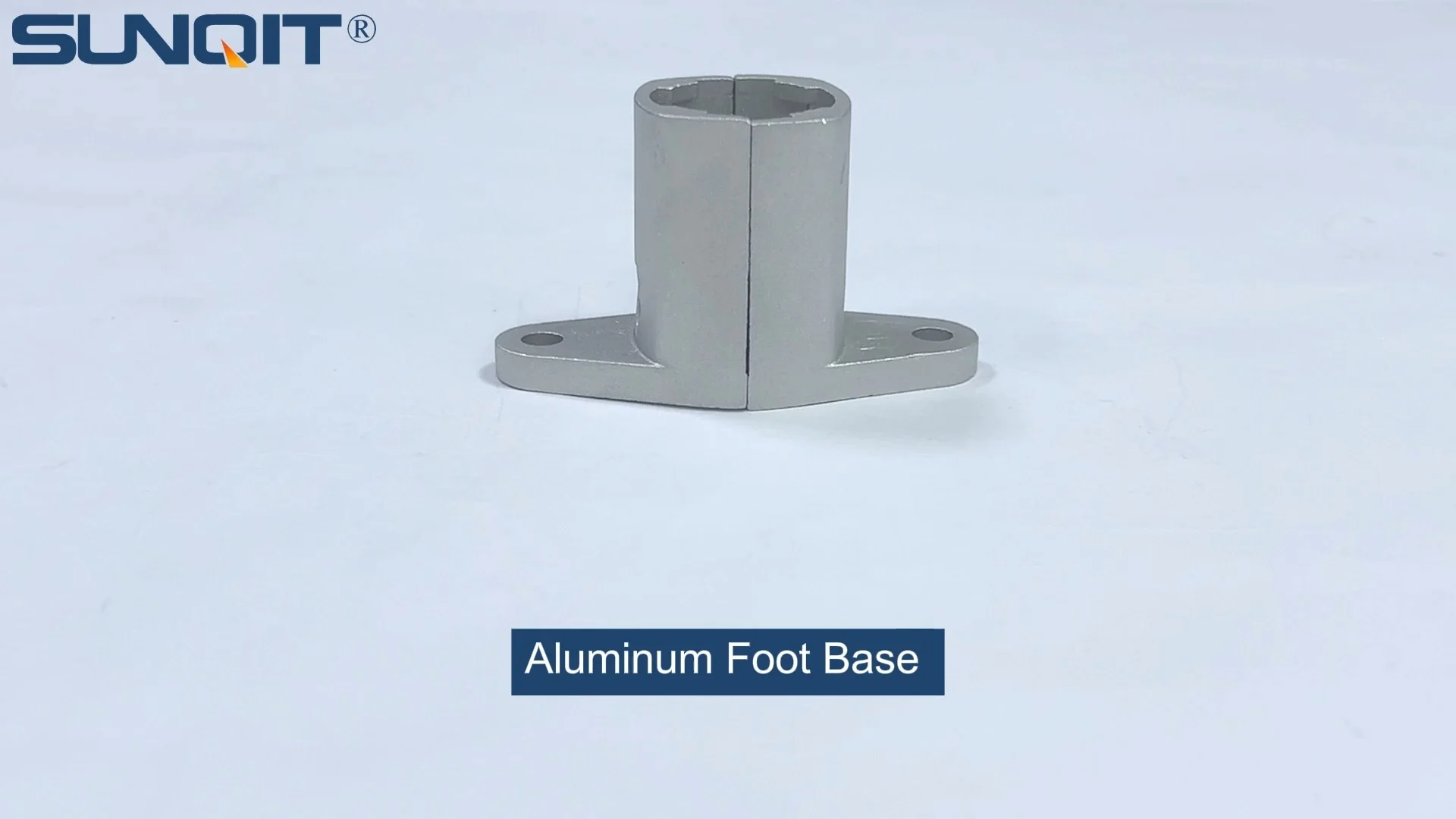
Aluminum Foot Base
Aluminum foot base to connect 28mm aluminum pipe and fixed it on the ground and prevent pipe fall and move.
The unsung hero of workspace efficiency—why your workbench's foundation matters more than you think
Walk into any workshop, factory floor, or lab, and you'll notice the workbench is the heart of the operation. It's where ideas take shape, products get assembled, and precision meets productivity. But for all the attention we give to the workbench's surface—whether it's a sleek aluminum honeycomb panel or an anti-static ESD workbench top—there's one component that often gets overlooked: the foot base. That unassuming structure holding everything up isn't just a afterthought; it's the backbone of stability, safety, and long-term efficiency.
When it comes to choosing a foot base, two materials dominate the conversation: aluminum and plastic. Both have their loyalists, but which one is right for your workspace? Is it the industrial strength of aluminum, or the lightweight flexibility of plastic? In this guide, we'll dive into the nitty-gritty of each material, exploring their strengths, weaknesses, and real-world applications. By the end, you'll know exactly which foot base will turn your workbench from a mere table into a productivity powerhouse.
Why the Foot Base Isn't Just "Legs" – It's Your Workbench's Lifeline
Let's start with a simple truth: a workbench is only as good as what holds it up. A wobbly foot base doesn't just make tasks harder—it creates hazards. Imagine (oops, scratch that) – Think about a scenario where you're assembling delicate electronics on an ESD workbench. One sudden jolt from an unstable base, and a tiny component slips, costing hours of rework. Or picture a mechanic leaning into a heavy tool on a bench with weak plastic feet; the whole setup shifts, risking injury or damaged equipment.
The foot base does more than prevent wobbles, though. It absorbs vibrations, protects floors from scratches (especially if you're using caster wheels for mobility), and even influences how easy it is to clean around your workspace. And in specialized environments—like cleanrooms or ESD-sensitive areas—it can impact compliance with safety standards. So, choosing between aluminum and plastic isn't just about cost or looks; it's about investing in a foundation that aligns with your daily workflow, long-term goals, and the unique demands of your industry.
Aluminum Foot Bases: The Heavyweight Champion of Durability
What Makes Aluminum Stand Out?
Aluminum foot bases are the workhorses of industrial settings, and for good reason. Made from high-grade aluminum profile or aluminum extrusion profile, they're built to withstand the toughest conditions. Unlike plastic, aluminum brings a unique blend of strength and lightness—though "light" here is relative; it's lighter than steel but far sturdier than most plastics. This balance makes it ideal for workbenches that need to support heavy loads without becoming immovable.
Take, for example, a manufacturing plant using a lean pipe workbench to assemble car parts. The aluminum foot base underneath isn't just holding the bench itself; it's supporting power tools, bins of hardware, and the constant movement of workers. Over time, plastic might crack or warp under that stress, but aluminum? It stays rigid, maintaining alignment and stability year after year.
The Pros: Why Aluminum Steals the Show in Industrial Settings
- Unmatched Durability: Aluminum resists dents, cracks, and warping, even under heavy loads (we're talking 500+ pounds in many cases). It's not uncommon to find aluminum foot bases still in use after a decade of daily abuse.
- Corrosion Resistance: Unlike steel, aluminum naturally forms a protective oxide layer, making it a top choice for humid environments, cleanrooms, or workshops where spills are common. For extra protection, many aluminum foot bases are anodized, adding a hard, scratch-resistant finish.
- ESD Compatibility: In electronics manufacturing, static electricity is the enemy. Aluminum is conductive, which means it can be grounded to dissipate static charges—critical for ESD workbenches where even a tiny spark could ruin sensitive components.
- Stability with Mobility: Pair an aluminum foot base with high-quality caster wheels, and you get the best of both worlds: a rock-solid foundation when locked, and smooth movement when you need to reconfigure your workspace. Aluminum's rigidity prevents the "wobble" that often plagues plastic bases with casters.
The Cons: When Aluminum Might Not Be the Best Fit
Aluminum isn't perfect, though. Its biggest downside? Cost. On average, aluminum foot bases are 30-50% more expensive than plastic ones. For small workshops or hobbyists with light-duty needs, that premium might not be justified. They're also heavier—while this adds stability, it can make installation trickier if you're setting up the workbench alone. And if you're working with delicate flooring (like hardwood), aluminum's weight combined with caster wheels could leave indentations if not properly padded.

Plastic Foot Bases: Lightweight, Affordable, and Surprisingly Versatile
The Many Faces of Plastic Foot Bases
Plastic foot bases come in a variety of formulations, each tailored to specific needs. The most common are PVC (polyvinyl chloride), nylon, and polypropylene. PVC is budget-friendly and flexible, while nylon offers better impact resistance. Polypropylene, on the other hand, is chemical-resistant and lightweight—popular in labs or food processing areas where frequent cleaning is a must.
Unlike aluminum, plastic foot bases are often molded into complex shapes, allowing for built-in features like adjustable height, integrated cable management, or non-slip pads. This versatility makes them a favorite for small businesses, home workshops, or anyone looking to customize their workspace without breaking the bank.
The Pros: Why Plastic Shines in the Right Scenarios
- Budget-Friendly: For startups or hobbyists, cost is often the deciding factor. Plastic foot bases are significantly cheaper than aluminum, making them accessible for projects where the workbench doesn't need to support heavy loads.
- Lightweight and Easy to Install: A typical plastic foot base weighs half as much as its aluminum counterpart, so you can set up your workbench solo in minutes. This is a huge plus for mobile workstations or temporary setups.
- Non-Conductive (When Needed): While aluminum's conductivity is a plus for ESD workbenches, plastic's non-conductive nature is better for environments where electrical insulation is critical—think of a workbench near live wires or power tools where grounding isn't an option.
- Gentle on Floors: Plastic is softer than aluminum, so it's less likely to scratch or dent delicate flooring. Many plastic foot bases come with rubberized feet that grip surfaces, reducing slipping and floor damage.
The Cons: Where Plastic Falls Short
Plastic's biggest weakness is durability—especially under heavy use. Over time, exposure to sunlight, chemicals, or repeated weight can cause plastic to warp, crack, or fade. A plastic foot base might handle a home workshop's light tools, but put a 300-pound machine on it, and you'll likely see sagging within a year. They're also less stable with caster wheels; the flexibility that makes plastic lightweight can lead to wobbling when moving, which is frustrating (and unsafe) for precision work.
Another issue is temperature sensitivity. Plastic becomes brittle in cold environments and softens in heat, so it's not ideal for outdoor workshops or facilities with extreme temperature fluctuations. And while some plastics are chemical-resistant, harsh solvents or oils can degrade them over time—something to keep in mind for automotive or industrial settings.

Aluminum vs. Plastic Foot Bases: The Ultimate Showdown
| Factor | Aluminum Foot Base | Plastic Foot Base |
|---|---|---|
| Weight Capacity | 500+ lbs (heavy industrial use) | Up to 200 lbs (light to medium use) |
| Durability | 10+ years (resists dents, warping) | 2-5 years (prone to cracking/warping) |
| Cost | Higher (30-50% more than plastic) | Lower (budget-friendly for light use) |
| ESD Compatibility | Excellent (conductive, groundable) | Poor (non-conductive, unless specially treated) |
| Mobility with Casters | Stable (rigid base prevents wobbling) | Unstable (flexible base leads to wobbling) |
| Floor Protection | Good (needs padding for delicate floors) | Excellent (softer, often rubberized) |

Real-World Stories: When to Choose Aluminum vs. Plastic
Case 1: The Electronics Manufacturer (Aluminum Wins)
A mid-sized electronics company in California was struggling with static damage on their assembly line. Their plastic-footed workbenches weren't grounded, leading to frequent component failures. After switching to aluminum foot bases paired with ESD workbench tops, they grounded the entire setup, reducing static-related defects by 85%. The aluminum's rigidity also improved precision—workers noted less wobbling when using microscopes, cutting assembly time by 15%.
Case 2: The Home Woodworker (Plastic Works)
For Mike, a hobbyist woodworker in Oregon, budget and portability were key. He needed a workbench for his garage that could hold his saw and drills but didn't require industrial strength. A plastic foot base with caster wheels fit the bill—he could move it out of the way when not in use, and at $80, it was affordable enough to leave room in his budget for tools. Two years later, it's still holding up, though he admits he wouldn't trust it with anything heavier than his 150-pound miter saw.
Case 3: The Automotive Shop (Aluminum was Non-Negotiable)
A busy auto repair shop in Texas tried plastic foot bases for their tool benches, but within six months, the plastic warped under the weight of impact wrenches and jacks. They switched to aluminum foot bases with heavy-duty caster wheels, and five years later, the benches still look new. "The initial cost hurt, but we haven't replaced a single foot base since," says the shop manager. "And with the aluminum, we can roll the benches around the garage without worrying about them tipping—worth every penny."
How to Decide: 5 Questions to Ask Before Choosing
Still on the fence? Ask yourself these five questions to narrow it down:
- What's the maximum weight my workbench will hold? If it's over 200 pounds, aluminum is the safer bet. For lighter loads (think: crafts, small tools), plastic works.
- Is my workspace ESD-sensitive? If you're working with electronics, aluminum's conductivity is a must for grounding. For non-ESD environments, plastic might be fine.
- Will the workbench need to move? If you're using caster wheels, aluminum's rigidity prevents wobbling. Plastic is okay for occasional moves but frustrating for daily repositioning.
- What's my long-term plan? If you're in it for the long haul (5+ years), aluminum's durability will save you money on replacements. For temporary setups, plastic is cheaper upfront.
- What's the environment like? Humid, corrosive, or extreme temperatures? Aluminum handles it better. Dry, temperature-stable spaces (like a home office) are plastic-friendly.
The Bottom Line: Aluminum for Longevity, Plastic for Flexibility
At the end of the day, there's no "one size fits all" answer—but there is a "right fit" for your workspace. Aluminum foot bases are the clear choice for industrial settings, ESD workbenches, heavy loads, and anyone who wants a foundation that will last decades. They're an investment, but one that pays off in stability, safety, and reduced downtime.
Plastic foot bases, on the other hand, are perfect for budget-conscious hobbyists, lightweight setups, or temporary workspaces. They're easy to install, gentle on floors, and get the job done when heavy-duty performance isn't needed.
Whichever you choose, remember: your workbench's foot base is the silent partner in your productivity. Don't skimp on it. After all, a strong foundation doesn't just hold up a table—it holds up your work, your goals, and the success of your projects. Choose wisely, and your workbench will reward you for years to come.