Aluminum Foot Base vs. Rubber Pads: When to Use Each Accessory
Related Product
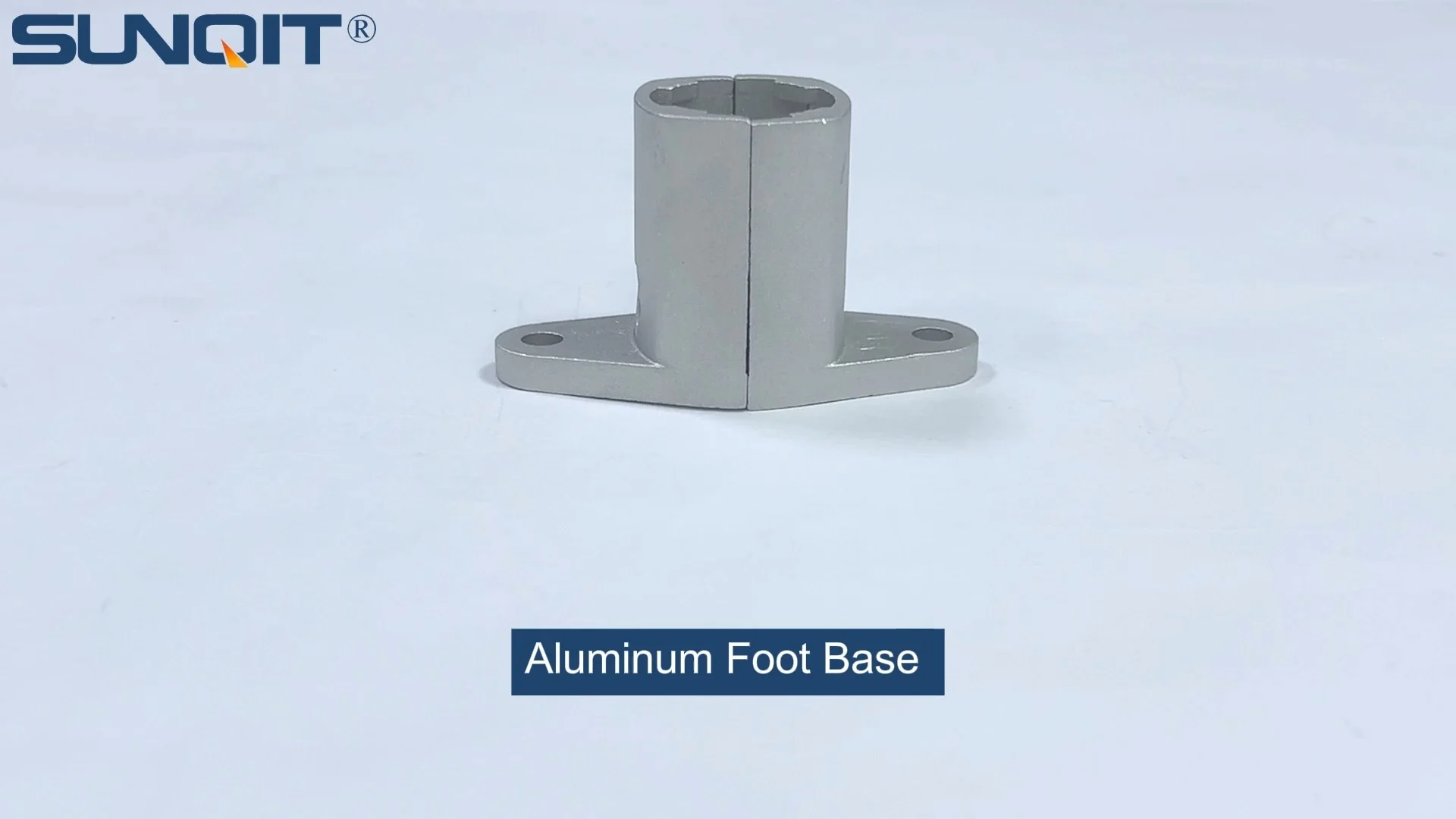
Aluminum Foot Base
Aluminum foot base to connect 28mm aluminum pipe and fixed it on the ground and prevent pipe fall and move.
Aluminum Foot Base

Introduction: The Unsung Heroes of Workshop Stability

Walk into any manufacturing plant, warehouse, or even a small workshop, and you'll notice rows of workbenches, assembly lines, and material racks humming with activity. Workers lean over tools, parts glide along conveyor belts, and machines whir to life—all of this relies on one thing that's easy to overlook: stability. A wobbly workbench isn't just an annoyance; it can throw off measurements, slow down production, and even lead to accidents. That's where the unsung heroes of workshop setup come in: accessories like aluminum foot bases and rubber pads.

You might not think twice about what's under your lean pipe workbench or material rack, but choosing between an aluminum foot base and a rubber pad can make a world of difference in how smoothly your operations run. Let's say you're running a small electronics assembly line. Your team is mounting delicate circuit boards onto a workbench, and every time someone leans on the edge, the bench rocks slightly. A few millimeters of wobble here could mean a misplaced solder joint or a scratched component—costing time, money, and frustration. Or maybe you're managing a warehouse where heavy metal parts slide onto a material rack; the constant impact is creating a loud, distracting noise that's making it hard for your team to communicate. The right accessory under that rack could quiet things down and protect the floor from dents.

In this article, we'll dive into the world of these two essential accessories. We'll break down what aluminum foot bases and rubber pads are, how they work, and most importantly, when to choose one over the other. By the end, you'll have the knowledge to make small adjustments that could lead to big improvements in productivity, safety, and worker satisfaction.

What Are Aluminum Foot Bases?

Let's start with aluminum foot bases. Think of them as the "backbone" of stability for heavy-duty equipment. Made from sturdy aluminum—often aluminum extrusion profiles, which are known for their strength and lightweight properties—these bases are designed to anchor your workbench, rack, or machine firmly to the ground while offering a level of adjustability that's hard to beat.

Most aluminum foot bases look like small, square or rectangular plates with a threaded rod or bolt in the center. This rod screws into the bottom of your equipment (like a lean pipe workbench or aluminum profile rack), allowing you to tweak the height by turning it. Some models even come with adjustable leveling feet, which are game-changers for uneven floors. Imagine your workshop has a concrete floor that's settled over the years, with a slight slope near the back wall. Instead of shimming the legs with scraps of wood (we've all been there), you can simply twist the leveling feet on your aluminum base to raise or lower each corner until the bench is perfectly flat.

But aluminum foot bases aren't just about adjustability. Their rigid, metal construction makes them ideal for supporting heavy loads. A typical aluminum foot base can handle anywhere from 200 to 500 pounds per leg, depending on the design—more than enough for a fully loaded lean pipe workbench stacked with tools, parts bins, and machinery. They're also resistant to rust and corrosion, which is a big plus if your workspace deals with moisture, oils, or chemicals.

One of the best things about aluminum foot bases is their versatility. They're not limited to workbenches; you'll find them under conveyor systems, material racks, and even industrial ovens. And because they're made from aluminum extrusion profiles, they're easy to customize. Need a taller base for better clearance? Or a wider plate to distribute weight more evenly? Manufacturers often offer a range of sizes and styles to fit different equipment.

What Are Rubber Pads?

Now, let's shift to rubber pads— the "shock absorbers" of the workshop world. Unlike aluminum foot bases, which are rigid and adjustable, rubber pads are soft, flexible, and all about grip and cushioning. They're usually small, flat discs or squares made from natural or synthetic rubber, and they're designed to sit between your equipment and the floor.

At first glance, a rubber pad might seem too simple to be effective, but don't let its simplicity fool you. Rubber's natural elasticity makes it great at absorbing vibrations. If you've ever stood next to a running machine and felt the floor shake, you know how annoying (and tiring) constant vibration can be. A rubber pad under that machine would dampen those vibrations, reducing noise and making the workspace more comfortable for everyone nearby.

Grip is another key feature of rubber pads. Ever tried to move a metal shelf across a smooth concrete floor? It slides around like a hockey puck. Stick a rubber pad under each leg, and suddenly it stays put—even when someone bumps into it. This anti-slip property is crucial in environments where floors might be wet, oily, or dusty. In a garage, for example, a tool chest with rubber pads won't slide when you're rolling a heavy tire past it. In a kitchen, a rubber pad under a metal prep table prevents it from shifting when you're chopping vegetables.

Rubber pads also protect your floors. If you've invested in polished concrete or hardwood floors (yes, some workshops do!), dragging a metal-legged workbench across them would leave scratches and dents. A rubber pad acts as a barrier, absorbing the impact and keeping your floors looking new. They're also easy to install—no tools required. Just slip them under the legs of your equipment, and you're good to go. Plus, they're affordable, making them a popular choice for small businesses or temporary setups.

Not all rubber pads are created equal, though. Some are made from thick, dense rubber for heavy loads, while others are thinner and more flexible for lighter equipment. You can even find specialized rubber pads, like those resistant to oil or high temperatures, for specific work environments. For example, a rubber pad used under a deep fryer in a commercial kitchen needs to handle heat without melting, while one under a car lift in a garage needs to resist oil and grease.

Key Differences: Aluminum Foot Base vs. Rubber Pad

Now that we know what aluminum foot bases and rubber pads are, let's break down their differences. To make it easier, here's a side-by-side comparison:

Feature Aluminum Foot Base Rubber Pad
Material Aluminum (often aluminum extrusion profiles) Natural or synthetic rubber
Primary Function Stability, height adjustment, load distribution Vibration absorption, anti-slip grip, floor protection
Load Capacity High (200–500+ lbs per base) Medium to low (varies by thickness; best for under 200 lbs per pad)
Adjustability Yes (via adjustable leveling feet) No (fixed thickness)
Environment Suitability Wet, oily, or corrosive environments (resistant to rust) Dry or moderately wet environments (some types resist oil/heat)
Installation Requires tools (screws, bolts) to attach to equipment Tool-free (slip under equipment legs)
Cost Higher (due to material and adjustability features) Lower (simple design, affordable materials)
Durability Long-lasting (resistant to wear, rust, and impact) Moderate (can degrade over time with heavy use or exposure to chemicals)
Noise Reduction Low (metal-on-floor contact can amplify noise) High (rubber absorbs vibrations and reduces noise)

When to Use an Aluminum Foot Base

Aluminum foot bases shine in situations where stability, adjustability, and load capacity are top priorities. Let's look at some real-world scenarios where an aluminum foot base is the best choice:

Heavy-Duty Workbenches and Racks

If you're using a lean pipe workbench to hold heavy machinery, like a drill press or a milling machine, an aluminum foot base is a must. These machines can weigh several hundred pounds, and a rubber pad alone would compress under the weight, leading to instability. An aluminum foot base distributes the weight evenly across the floor and prevents the bench from sinking or tilting. For example, a automotive repair shop using a workbench to rebuild engines would rely on aluminum foot bases to keep the bench steady, even when a 300-pound engine block is placed on top.

Uneven Floors

Not all workshop floors are perfectly level. Concrete floors can settle over time, creating small slopes or bumps. In these cases, adjustable leveling feet (a common feature of aluminum foot bases) are a lifesaver. Imagine you're setting up a material rack in a warehouse with a floor that dips slightly in one corner. By twisting the leveling feet on your aluminum base, you can raise or lower each corner of the rack until it's perfectly flat. This prevents items from sliding off the shelves and ensures the rack doesn't wobble when workers load or unload it.

Wet or Corrosive Environments

Aluminum is naturally resistant to rust and corrosion, making it ideal for environments with moisture, oils, or chemicals. For example, a food processing plant where floors are regularly hosed down to maintain hygiene would benefit from aluminum foot bases under their workbenches. Unlike steel, which would rust, aluminum holds up well to water. Similarly, a workshop that uses solvents or coolants (like a metal fabrication shop) would avoid rubber pads, which can degrade when exposed to chemicals, and opt for aluminum instead.

Permanent Setups

If you're not planning to move your equipment anytime soon, an aluminum foot base is a smart investment. They're designed for long-term use and can withstand years of heavy wear and tear. A pharmaceutical manufacturing facility, for instance, might install aluminum foot bases under their production lines to ensure stability for decades, even as equipment is upgraded or reconfigured.

When to Use a Rubber Pad

Rubber pads are the go-to choice when vibration, noise, grip, or floor protection is your main concern. Let's explore some scenarios where a rubber pad would outperform an aluminum foot base:

Light to Medium Load Equipment

For equipment that doesn't weigh a ton—like a small workbench in a craft studio or a printer in an office—a rubber pad is more than enough. A rubber pad under a 50-pound sewing machine, for example, would keep it from sliding on a wooden table and absorb the vibrations from the needle, making the machine quieter and more stable. Rubber pads are also great for items like toolboxes, small shelving units, or even office chairs (yes, many office chairs have rubber pads under their casters to protect floors!).

Noise Reduction

If noise is a problem in your workspace, rubber pads are your best friend. Machines like air compressors, blenders, or power tools can create a lot of noise through vibrations. Placing a rubber pad under them absorbs those vibrations, preventing them from traveling through the floor and walls. A home workshop where the owner doesn't want to disturb neighbors would use rubber pads under a table saw, for example, to keep the noise down. Similarly, a recording studio might use rubber pads under audio equipment to reduce vibrations that could interfere with sound quality.

Anti-Slip Needs

Slippery floors are a safety hazard, and rubber pads provide excellent grip. In a garage where oil leaks are common, a tool chest with rubber pads under its legs won't slide when someone steps on it. In a gym, rubber pads under weight benches prevent them from shifting during workouts. Even in a retail store, rubber pads under display racks keep them steady when customers bump into them, reducing the risk of items falling off and breaking.

Protecting Delicate Floors

Hardwood, tile, or polished concrete floors need protection from scratches and dents. A metal-legged workbench placed directly on a hardwood floor would leave marks over time, but a rubber pad acts as a buffer. A boutique workshop that sells handmade furniture, for example, might use rubber pads under their display tables to keep the showroom floors looking pristine. Similarly, a school science lab with tile floors would use rubber pads under lab benches to prevent scratches from heavy equipment.

Temporary or Portable Setups

If you need to move your equipment frequently, rubber pads are easy to install and remove. Unlike aluminum foot bases, which require tools to attach, rubber pads can be slipped under equipment in seconds. A catering company that sets up temporary buffet tables at events would use rubber pads to keep the tables steady on different floor types (carpet, tile, concrete) without having to adjust or install anything permanent. A photographer with a portable lighting setup might use rubber pads under light stands to prevent them from sliding on stage during a concert.

Common Mistakes to Avoid

Even with the best intentions, it's easy to choose the wrong accessory for your workspace. Here are some common mistakes to watch out for:

Mistake #1: Using Rubber Pads for Heavy Loads

Rubber pads are great for light to medium loads, but they'll fail under heavy weight. A 500-pound industrial printer placed on rubber pads would compress the rubber, causing the printer to sink and wobble. Over time, the rubber would degrade, leading to instability. Always check the weight limit of your rubber pads and opt for aluminum foot bases if you're dealing with heavy equipment.

Mistake #2: Using Aluminum Foot Bases Without Floor Protection

Aluminum foot bases are tough, but they can scratch delicate floors. If you have hardwood or polished concrete floors, placing an aluminum foot base directly on them could leave permanent marks. In this case, you can combine the best of both worlds: use an aluminum foot base for stability and place a rubber pad under the base to protect the floor. It's a simple workaround that ensures stability and floor protection.

Mistake #3: Ignoring Environmental Factors

Rubber pads don't hold up well in all environments. If your workspace is hot (like near a furnace) or exposed to chemicals (like a auto repair shop), rubber can melt, crack, or degrade. Similarly, aluminum foot bases might not be the best choice for extremely cold environments, where metal can become brittle (though this is rare in most workshops). Always consider your environment before choosing an accessory.

Mistake #4: Forgetting to Adjust Leveling Feet

One of the biggest benefits of aluminum foot bases is their adjustable leveling feet— but only if you use them! Many people install the bases and forget to level the equipment, leading to wobbling. Take the time to adjust each foot until the equipment is perfectly flat. A quick way to check is to place a bubble level on top of the equipment and adjust the feet until the bubble is centered.

Mistake #5: Choosing Based on Cost Alone

Rubber pads are cheaper than aluminum foot bases, but that doesn't mean they're always the best choice. Saving a few dollars on rubber pads for a heavy workbench might cost you more in the long run when the bench wobbles and causes errors or accidents. Similarly, splurging on aluminum foot bases for a lightweight printer is unnecessary—rubber pads would work just fine and save you money.

Real-World Case Studies: How the Right Accessory Made a Difference

Still not sure when to use each accessory? Let's look at two real-world examples of businesses that solved their problems by choosing the right base or pad.

Case Study 1: Automotive Repair Shop Upgrades to Aluminum Foot Bases

A small automotive repair shop in Texas was struggling with a wobbly workbench used to rebuild engines. The bench, which held tools, parts, and sometimes entire engine blocks (weighing up to 400 pounds), sat on rubber pads. Over time, the rubber compressed under the weight, causing the bench to tilt. Mechanics complained that measurements were off, and tools would roll off the bench. The shop owner decided to switch to aluminum foot bases with adjustable leveling feet. After installation, the bench was perfectly level, even when a heavy engine was placed on it. The mechanics reported fewer errors, and the bench no longer wobbled during use. The owner also noted that the aluminum bases held up well to oil and grease spills, unlike the rubber pads, which had started to degrade.

Case Study 2: Bakery Reduces Noise with Rubber Pads

A family-owned bakery in New York had a problem: their commercial mixer, which ran for hours each morning, created so much noise that it disturbed customers dining in the front of the shop. The mixer sat on a stainless steel table with metal legs directly on the tile floor. The vibrations from the mixer traveled through the floor, making the dining area loud and unpleasant. The bakery tried placing the mixer on a wooden board, but it didn't help. Finally, they installed thick rubber pads under the table legs. The difference was immediate—the noise level dropped by nearly 50%, and customers started staying longer. The rubber pads also prevented the table from sliding when the mixer was in use, making the workspace safer for the bakers.

Conclusion: Small Accessory, Big Impact

Aluminum foot bases and rubber pads might seem like small, insignificant parts of your workshop setup, but they play a huge role in keeping your operations running smoothly. The key is to match the accessory to your needs: choose aluminum foot bases for heavy loads, uneven floors, and permanent, corrosive environments; opt for rubber pads for light loads, noise reduction, anti-slip grip, and floor protection.

Remember, there's no one-size-fits-all solution. Some setups might even benefit from a combination of both—like using aluminum foot bases with rubber pads underneath to get the best of stability and floor protection. By taking the time to assess your workspace, equipment, and environment, you can make a choice that improves productivity, safety, and worker satisfaction.

So the next time you're setting up a lean pipe workbench, material rack, or machine, don't overlook what's under it. Whether it's an aluminum foot base or a rubber pad, that small accessory could be the difference between a frustrating, wobbly workspace and a smooth, efficient operation.


Get In Touch with us

Hey there! Your message matters! It'll go straight into our CRM system. Expect a one-on-one reply from our CS within 7×24 hours. We value your feedback. Fill in the box and share your thoughts!