- Company Articles
- Products and Technology
- Product knowledge
- Aluminum Foot Base vs. Stainless Steel: Which is Better for Food-Grade Environments?

Aluminum Foot Base vs. Stainless Steel: Which is Better for Food-Grade Environments?
Related Product
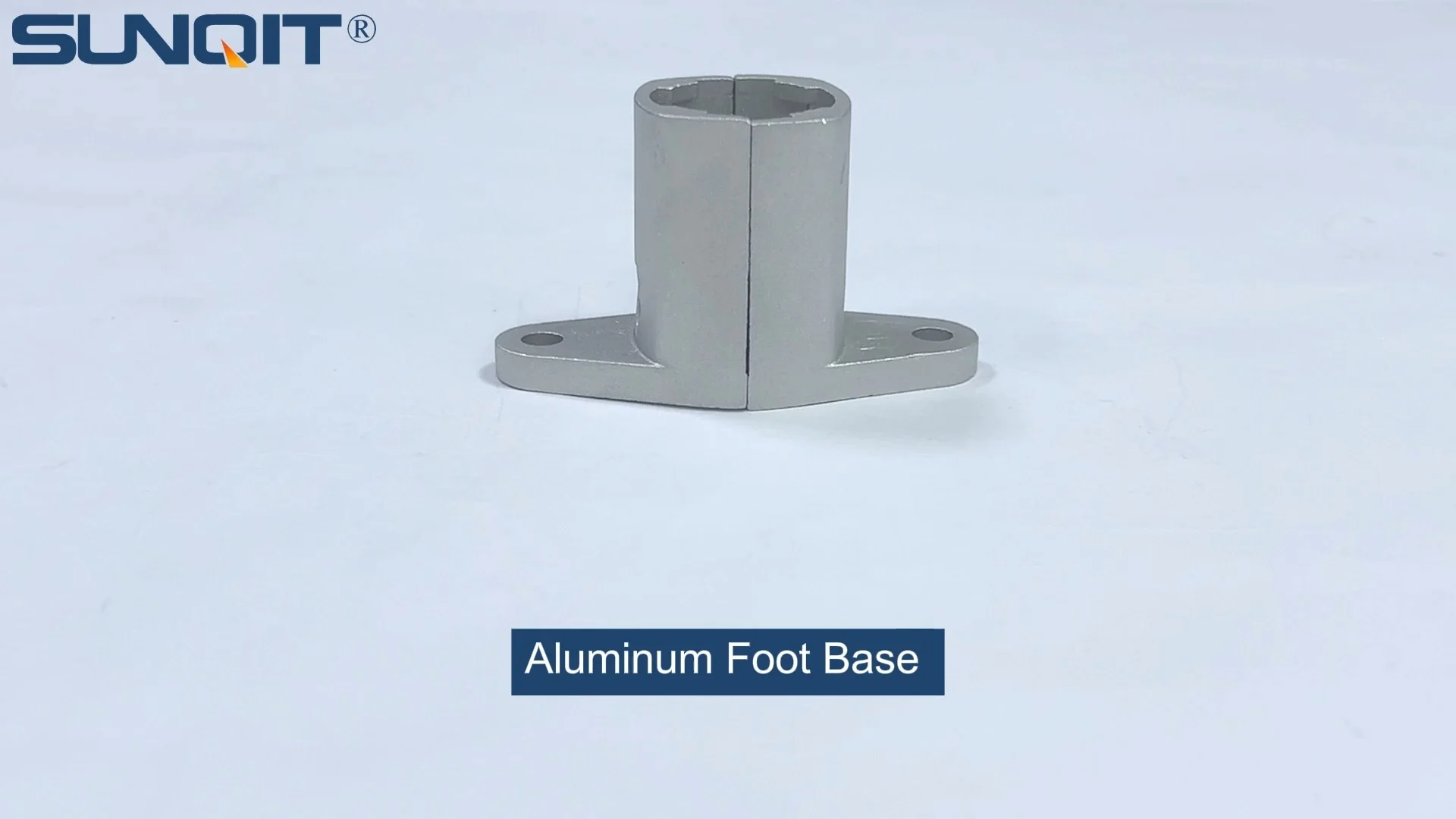
Aluminum Foot Base
Aluminum foot base to connect 28mm aluminum pipe and fixed it on the ground and prevent pipe fall and move.
Walk into any food processing facility, and you'll quickly realize that every detail matters—from the temperature of the refrigerators to the texture of the conveyor belts. But there's one component that often flies under the radar, yet plays a critical role in safety, efficiency, and compliance: the bases that support everything from workbenches to mixing tanks. When it comes to choosing between aluminum foot base and stainless steel for these foundational parts, the decision isn't just about cost or durability. It's about ensuring that every surface, joint, and material meets the strict standards of food-grade environments, where even a tiny rust spot or hard-to-clean crevice could compromise product safety.
If you're in the business of building or maintaining food processing equipment, you've probably asked yourself: Which material truly holds up better in damp, chemical-rich, and high-stakes settings? In this article, we'll dive deep into the pros and cons of aluminum foot base and stainless steel, explore their real-world applications, and help you decide which one aligns best with your facility's needs. We'll also touch on how these materials integrate with broader systems—like lean system principles—and even how they pair with accessories such as caster wheels for mobility. Let's start by breaking down what makes each material unique.
Aluminum Foot Base: Lightweight, Adaptable, and Cost-Effective
Aluminum has long been a favorite in industries where weight and versatility matter, and food processing is no exception. An aluminum foot base, often crafted from extruded aluminum profile, offers a unique set of advantages that make it appealing for many applications. Let's unpack why it's a top contender.
The Benefits of Aluminum in Food-Grade Settings
First and foremost, aluminum is lightweight . This might not sound like a big deal until you consider how often equipment needs to be moved or reconfigured. In facilities that embrace lean system principles—where workflow optimization and flexibility are key—being able to shift a workbench or mobile trolley with minimal effort can save hours of labor. Pair an aluminum foot base with a sturdy caster wheel, and you've got a setup that's easy to maneuver without sacrificing stability.
Then there's corrosion resistance. While aluminum isn't impervious to rust (unlike stainless steel), it forms a thin, protective oxide layer when exposed to air. This layer acts as a barrier against moisture and mild chemicals—think the soapy water or sanitizing sprays used for daily cleaning. For dry or moderately wet areas, like packaging lines or dry ingredient storage zones, this natural defense is often more than enough to keep the base looking and performing like new for years.
Cost is another factor. Aluminum foot bases are generally more affordable than their stainless steel counterparts, especially when you're working with large quantities or custom designs. Aluminum profile is also easier to machine and shape, which means manufacturers can create complex, tailored bases without jacking up the price. If you're outfitting a startup facility or need to stick to a tight budget, aluminum can stretch your dollar further without cutting corners on quality.
Where Aluminum Foot Base Shines (and Where It Falls Short)
Aluminum truly excels in environments where mobility and adaptability are priorities. Imagine a bakery that switches between producing muffins in the morning and bagels in the afternoon—their workstations need to be repositioned quickly to accommodate different mixing bowls and cooling racks. An aluminum foot base with a caster wheel makes this transition seamless. Similarly, in facilities that use lean system methodologies to minimize waste, aluminum's lightweight nature reduces the energy needed to move equipment, aligning with the goal of efficient resource use.
But aluminum isn't perfect. Its Achilles' heel? Harsh chemicals and extreme moisture. In areas like meat processing plants, where equipment is hosed down with high-pressure, acidic sanitizers multiple times a day, aluminum's oxide layer can break down over time. This leads to pitting or discoloration, which not only looks unprofessional but can create tiny crevices where bacteria hide. Additionally, aluminum is softer than stainless steel, so it's more prone to dents or scratches from heavy equipment or dropped tools—another potential breeding ground for germs in food zones.
Stainless Steel: The Heavyweight Champion of Durability
If aluminum is the agile underdog, stainless steel is the seasoned heavyweight—reliable, tough, and built to withstand the harshest conditions. When we talk about stainless steel in food-grade environments, we're usually referring to specific grades like 304 (often called "18/8" for its chromium and nickel content) or 316 (which adds molybdenum for extra corrosion resistance). These alloys are part of the broader stainless steel pipe series, which includes everything from solid bars to hollow tubes, but for foot bases, the focus is on strength and hygiene.
Why Stainless Steel Dominates in Demanding Environments
Stainless steel's biggest claim to fame is its unmatched corrosion resistance . Unlike aluminum, it doesn't rely on a thin oxide layer—instead, its chromium content creates a passive film that self-heals when scratched, ensuring long-term protection against water, acids, and alkalis. This makes it ideal for wet areas like dairy processing plants, where equipment is constantly exposed to milk residues and hot water, or seafood facilities, where salt air and brine can eat away at lesser materials.
Durability is another key advantage. Stainless steel is significantly harder than aluminum, so it stands up to heavy impacts, frequent cleaning, and the weight of large machinery without denting or warping. This longevity translates to lower replacement costs over time, even though the initial investment is higher. For facilities that prioritize long-term reliability over short-term savings, this makes stainless steel a smart choice.
Hygiene is where stainless steel truly shines. Its smooth, non-porous surface leaves nowhere for bacteria to hide, and it's compatible with the most aggressive sanitizers—from chlorine-based cleaners to high-temperature steam. In fact, regulatory bodies like the FDA and EU's Food Safety Authority often cite stainless steel as the gold standard for surfaces that come into contact with food, or in this case, support equipment that does.
The Drawbacks of Stainless Steel: Weight, Cost, and Rigidity
For all its strengths, stainless steel isn't without downsides. The first is weight. A stainless steel foot base can be two to three times heavier than an aluminum one of the same size. This makes it harder to move—even with a heavy-duty caster wheel—and can increase installation costs, as you may need extra labor or equipment to position it. In lean system environments where flexibility is key, this rigidity can be a drawback; reconfiguring a production line with stainless steel bases might take hours instead of minutes.
Cost is another consideration. Stainless steel pipe series materials and fabrication are pricier upfront, which can be a barrier for small businesses or startups. Additionally, stainless steel is more challenging to machine and weld, so custom designs often come with higher labor costs. For example, if you need a foot base with intricate cutouts or non-standard dimensions, aluminum (with its malleable aluminum profile) is easier and cheaper to shape.

Side-by-Side: Comparing the Two Materials
To make the decision clearer, let's put aluminum foot base and stainless steel head-to-head in the areas that matter most for food-grade environments:
| Factor | Aluminum Foot Base | Stainless Steel |
|---|---|---|
| Weight | Lightweight (easy to move with a caster wheel) | Heavy (difficult to reposition without specialized equipment) |
| Corrosion Resistance | Good for dry/mildly wet areas; vulnerable to strong chemicals | Excellent for wet, chemical-rich environments (316 grade is best for salt/high acidity) |
| Durability | Prone to dents/scratches; shorter lifespan in harsh conditions | Highly resistant to impacts and wear; long-lasting |
| Hygiene | Acceptable with regular cleaning, but porous if scratched | Superior; non-porous surface and compatible with all sanitizers |
| Cost | Lower upfront cost; higher replacement frequency | Higher upfront cost; lower long-term maintenance |
| Flexibility | Easy to customize (aluminum profile allows for quick modifications); ideal for lean system reconfigurations | Harder to customize; better for fixed, long-term setups |

Real-World Case Studies: How Facilities Choose
Theory is helpful, but nothing beats seeing these materials in action. Let's look at two examples of food-grade facilities and how they decided between aluminum foot base and stainless steel.
Case Study 1: A Small-Scale Bakery Embracing Lean System Principles
A family-owned bakery in the Midwest produces artisanal breads and pastries, with a focus on small-batch, high-quality products. Their facility is compact, so they rely heavily on lean system practices to maximize space—meaning workstations need to be moved daily to accommodate different production runs (dough mixing in the morning, packaging in the afternoon). They also have limited budget for equipment.
For their mobile workbenches, they chose aluminum foot base paired with locking caster wheels. The lightweight design allows two workers to reposition a bench in under a minute, and the aluminum profile was easy to customize to fit their specific countertop sizes. Since their environment is relatively dry (no high-pressure washing, just daily wiping with mild soap), the aluminum's corrosion resistance is sufficient. They've had the bases for three years now, with only minor scratches—easily touched up with food-safe paint—and estimate they saved 30% upfront compared to stainless steel.
Case Study 2: A Large-Scale Meat Processing Plant
A multinational meat processor operates a facility that handles over 5,000 pounds of product daily, with equipment ranging from automated slicers to large brining tanks. The plant is washed down twice daily with high-temperature water and chlorine-based sanitizers, and the floors are often damp with blood and fat residues.
Here, stainless steel was the only viable option. They use heavy-duty stainless steel pipe series bases for all fixed equipment (like brining tanks) and even specified 316-grade steel for areas near the salt brine. While the initial cost was higher, the plant manager notes that they haven't replaced a single base in five years, compared to aluminum bases they previously used, which needed replacement every 18–24 months due to pitting. The smooth, non-porous surface also makes cleaning faster, reducing downtime between shifts. For mobile equipment (like utility carts), they compromise by using stainless steel frames with aluminum shelves—balancing durability where it matters most with weight savings for mobility.

Making Your Decision: Key Questions to Ask
So, how do you choose between aluminum foot base and stainless steel for your facility? Start by asking yourself these questions:
1. How wet is your environment?
If your facility uses high-pressure washing, harsh chemicals, or has constant moisture (e.g., seafood, dairy, meat), stainless steel is the safer bet. For dry or moderately wet areas (bakeries, snack production), aluminum could work.
2. Does your equipment need to move?
If you're using lean system practices and need frequent reconfigurations, aluminum with a good caster wheel is more practical. For fixed equipment that stays in place for years, stainless steel's weight is a non-issue.
3. What's your budget—short-term vs. long-term?
Aluminum saves money upfront but may cost more in replacements. Stainless steel has a higher initial price tag but lasts longer. Calculate the total cost of ownership over 5–10 years to get a clear picture.
4. What are your regulatory requirements?
Some industries (e.g., pharmaceutical-grade food production) have stricter standards that may mandate stainless steel. Check with your local food safety authority to ensure compliance.
Conclusion: It's About Balance
At the end of the day, there's no one-size-fits-all answer. Aluminum foot base and stainless steel each have their place in food-grade environments, and the best choice depends on your specific needs. Aluminum shines in dry, flexible, budget-conscious settings—especially when paired with a caster wheel for mobility and aluminum profile for customization. Stainless steel, meanwhile, is irreplaceable in wet, high-chemical, or heavy-duty applications where durability and hygiene are non-negotiable.
Many facilities find success in mixing the two: using aluminum for mobile, light-duty equipment and stainless steel for fixed, high-exposure areas. Whichever you choose, remember that the goal is to create a safe, efficient space where your team can focus on producing great food—not worrying about whether their equipment bases are up to the task. After all, in food processing, the best foundations are the ones you never have to think about.