- Company Articles
- Products and Technology
- Application Cases
- Aluminum Guide Rail A in Lean Manufacturing Cells: Streamlining Operations

Aluminum Guide Rail A in Lean Manufacturing Cells: Streamlining Operations
Related Product
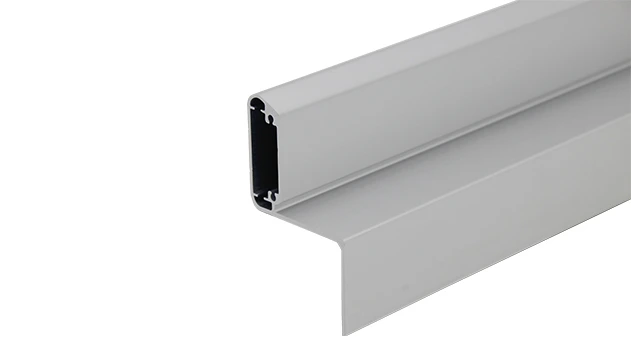
Aluminum Guide Rail A
The aluminum guide rails hold the transport goods securely on the roller track. For installation, the guide rails are simply pushed over the roller tracks.To protect sensitive products.
In the fast-paced world of manufacturing, every second counts. From the moment raw materials enter the facility to the final product rolling off the line, smooth material flow isn't just a luxury—it's the backbone of efficient production. Today, we're diving into a component that quietly revolutionizes this flow: Aluminum Guide Rail A. More than just a piece of metal, it's the unsung hero that turns chaotic workstations into synchronized hubs of productivity, especially when paired with lean pipe systems, workbenches, and conveyors. Let's explore how this unassuming rail is redefining what's possible in lean manufacturing cells.
What Makes a Lean Manufacturing Cell Tick?
Before we zoom in on Aluminum Guide Rail A, let's take a step back. What exactly is a lean manufacturing cell? Think of it as a self-contained unit where a team of workers, machines, and tools collaborate to produce a specific product or sub-assembly—all while minimizing waste, reducing movement, and maximizing value. The goal? To create a seamless workflow where materials and information flow like water: steadily, without interruptions, and exactly where they need to be, when they need to be there.
But here's the challenge many manufacturers face: even with the best intentions, material flow can easily break down. Parts get stuck on rough rails, tools are scattered across workbenches, and conveyors struggle to keep up with changing production needs. That's where lean components come into play—and Aluminum Guide Rail A is a star player in this lineup. It's not just about moving parts; it's about moving them intelligently .
Fun fact: In a typical 3C assembly line (think smartphones, laptops, and tablets), a single stuck component can delay an entire production batch by 20-30 minutes. Multiply that by 50 workstations, and you're looking at hours of lost productivity. Aluminum Guide Rail A is designed to eliminate these tiny but costly disruptions.
Aluminum Guide Rail A: Designed for the Way You Work
So, what sets Aluminum Guide Rail A apart from generic metal rails? Let's start with the basics: material. Made from high-grade aluminum, it's lightweight yet surprisingly tough—think of it as the "athlete" of guide rails. Unlike heavy steel rails that require forklifts to reposition, Aluminum Guide Rail A can be carried by two workers, making it easy to reconfigure when production needs change. And because aluminum naturally resists corrosion, it holds up beautifully in busy factories where oils, coolants, and humidity are part of the daily grind.
But the real magic is in the details. Take the rail's surface finish: it's smooth, almost polished, which means parts glide across it with minimal friction. No more jams, no more manual pushing to get a component moving. And those little notches and grooves along the rail? They're not just for show. They're precision-engineered to lock into lean pipe joints and accessories, so you can build custom flow paths without drilling holes or welding. Need a 45-degree turn to feed parts into a lean pipe workbench? Done. Want to connect it to a flow rack for staged inventory? It clicks right in. This flexibility is a game-changer for manufacturers who can't afford to be tied down by rigid, one-size-fits-all equipment.
Another standout feature? Compatibility. Aluminum Guide Rail A isn't a lone wolf. It plays well with the entire lean ecosystem: lean pipe systems, ESD workbenches (critical for sensitive electronics), conveyors, and even specialized accessories like roller tracks. This means you don't have to overhaul your entire setup to upgrade—just swap in the rail, and watch your existing components perform better than ever.

Aluminum Guide Rail A in Action: Synergy with Key Lean Components
Let's get practical. How does Aluminum Guide Rail A actually work with other lean tools on the factory floor? Let's break it down with three common scenarios:
1. With Lean Pipe Workbenches: The Heart of the Cell
Imagine a 3C assembly workstation where workers assemble circuit boards. The workbench is where the magic happens—but it's also where materials pile up if not managed right. Here's how Aluminum Guide Rail A transforms it: Mounted along the edge of the lean pipe workbench, the rail acts as a "delivery chute" for small parts like screws, connectors, and microchips. Parts slide down the rail directly into labeled bins at the worker's fingertips, eliminating the need to reach across the bench or walk to a distant shelf. It's like having a personal assistant who knows exactly when you need the next component.
What's more, because the rail is adjustable, you can angle it to control the speed of the parts—no more parts flying off the bench or getting stuck. For ESD workbenches (used for static-sensitive components like semiconductors), the rail's aluminum construction even helps dissipate static, adding an extra layer of protection for delicate parts. It's efficiency and safety rolled into one.
2. With Flow Racks: Staging Inventory Smartly
Flow racks are all about "first in, first out" (FIFO) inventory management—ensuring older stock gets used before newer batches, reducing waste and obsolescence. But without the right rails, flow racks can become bottlenecks. Aluminum Guide Rail A changes that. Its smooth surface and consistent slope mean boxes or bins glide down evenly, even when loaded with heavy parts (think automotive components or medical device assemblies). No more jamming, no more manually rearranging items to keep the flow going.
One manufacturer we worked with in the medical equipment industry reported a 30% reduction in picking errors after installing Aluminum Guide Rail A in their flow racks. Why? Because parts moved predictably, and workers could focus on grabbing the right item instead of wrestling with stuck bins. That's the power of friction-free flow.
3. With Conveyors: Bridging the Gaps
Conveyors are the highways of the factory, but even highways need smooth on-ramps and off-ramps. Aluminum Guide Rail A often serves as the "transition zone" between conveyors and workstations. For example, in an appliance manufacturing plant, a conveyor might carry partially assembled refrigerators to a workstation for door installation. Aluminum Guide Rail A guides the refrigerator into position on the lean pipe workbench, ensuring it lines up perfectly with the mounting jig—no more wasted time adjusting and repositioning heavy units. It's like adding a GPS to your material flow, ensuring everything arrives exactly where it needs to be.

A Closer Look: How It Stacks Up Against Traditional Rails
You might be thinking, "We've used steel rails for years—why switch to aluminum?" It's a fair question. Let's put Aluminum Guide Rail A head-to-head with traditional steel rails and see how it measures up in key areas that matter most to manufacturers:
| Feature | Aluminum Guide Rail A | Traditional Steel Rails | Why It Matters |
|---|---|---|---|
| Weight | Up to 40% lighter than steel | Heavy; requires tools/machinery to move | Easier to reconfigure workcells for new products or demand spikes |
| Friction & Flow | Smooth, polished surface reduces friction by 25% | Rough finish; prone to rust buildup over time | Fewer jams mean less downtime and frustration for workers |
| Corrosion Resistance | Natural aluminum oxide layer prevents rust | Prone to rust in humid/damp environments | Longer lifespan, lower replacement costs, and safer for clean industries (e.g., medical) |
| Compatibility | Works with lean pipe joints, roller tracks, and conveyors | Often requires custom adapters for non-steel components | Save time and money on retrofits; mix-and-match with existing lean systems |
| ESD Safety | Conductive aluminum helps dissipate static (critical for 3C/electronics) | Non-conductive unless specially treated (costly) | Protects sensitive parts from static damage, reducing scrap rates |
The verdict? While steel rails have their place, Aluminum Guide Rail A shines in the areas that drive modern manufacturing success: flexibility, durability, and worker-centric design. It's not just about replacing an old part—it's about upgrading the entire workflow.
Real-World Impact: Stories from the Factory Floor
Numbers and specs tell part of the story, but nothing beats hearing from manufacturers who've actually integrated Aluminum Guide Rail A into their operations. Let's look at two case studies that highlight its transformative power:
Case Study 1: 3C Assembly Plant (Smartphone Production)
A leading electronics manufacturer in China was struggling with bottlenecks in their smartphone final assembly line. Workers spent 15% of their time manually pushing component trays along rough steel rails to their lean pipe workstations—time that could have been spent on actual assembly. After switching to Aluminum Guide Rail A, they saw immediate results: tray flow speed increased by 20%, and workers reported a significant reduction in physical strain. Over six months, the plant calculated a 8% boost in daily production volume, all from a simple rail upgrade.
Case Study 2: Medical Device Manufacturer
Medical device production demands precision and cleanliness. A U.S.-based manufacturer of surgical tools was dealing with rust spots on their steel rails, which posed contamination risks. They switched to Aluminum Guide Rail A for its corrosion resistance and compatibility with their ESD workstations. Not only did the rust issues disappear, but the smoother rail surface reduced the need for frequent cleaning (down from 3 times a shift to once). This freed up maintenance staff to focus on more critical tasks, while the ESD-safe design cut static-related part failures by 12%.
These stories share a common thread: Aluminum Guide Rail A isn't just about improving metrics—it's about making work easier, safer, and more satisfying for the people on the floor. When workers don't have to fight against stuck parts or heavy equipment, they're more engaged, more productive, and more likely to contribute ideas for further improvements. That's the essence of lean manufacturing: empowering people through better tools.
Beyond Today: The Future of Lean Cells with Aluminum Guide Rail A
As manufacturing evolves—with trends like small-batch production, customization, and Industry 4.0—flexibility is becoming non-negotiable. Factories can't afford to invest in rigid systems that become obsolete when the next product launch hits. Aluminum Guide Rail A is built for this future. Its modular design means it can adapt to new layouts, new products, and new technologies (like IoT-enabled sensors for real-time flow monitoring) without being replaced.
Imagine a lean manufacturing cell where Aluminum Guide Rail A isn't just guiding parts, but also collecting data: tracking how often bins flow to a workstation, identifying bottlenecks before they cause delays, and even adjusting its angle automatically based on production schedules. While we're not quite there yet, the rail's adaptability makes it a foundation for these smart factories of tomorrow.
And let's not forget sustainability—a growing priority for manufacturers worldwide. Aluminum is 100% recyclable, and its durability means less frequent replacement, reducing waste. When paired with lean principles like "reusable, continuously improvable" systems, Aluminum Guide Rail A helps factories reduce their environmental footprint while boosting the bottom line. It's a win-win that aligns with both profit and purpose.
Final Thoughts: Why Aluminum Guide Rail A Deserves a Spot in Your Lean Toolkit
At the end of the day, manufacturing is about people. It's about the technician assembling a life-saving medical device, the operator ensuring your next smartphone works flawlessly, and the team leader striving to make every shift better than the last. Aluminum Guide Rail A may be a small component, but it has a big impact on these people's daily lives—reducing frustration, saving time, and letting them focus on what they do best: creating value.
Whether you're building a new lean manufacturing cell from scratch or upgrading an existing one, don't overlook the power of smooth, flexible material flow. Pair Aluminum Guide Rail A with a robust lean pipe system, ergonomic workbenches, and efficient conveyors, and you're not just buying equipment—you're investing in a culture of continuous improvement. A culture where every part moves with purpose, every second counts, and every worker has the tools they need to succeed.
So, the next time you walk through your factory, take a look at your material flow. Is it smooth? Is it efficient? Could Aluminum Guide Rail A be the missing piece that turns "good enough" into "exceptional"? We think so. After all, in lean manufacturing, the smallest changes often lead to the biggest results.