- Company Articles
- Products and Technology
- Installation And Maintenance
- Aluminum Guide Rail A: Tips for Proper Maintenance & Longevity

Aluminum Guide Rail A: Tips for Proper Maintenance & Longevity
Related Product
Aluminum Guide Rail A
The aluminum guide rails hold the transport goods securely on the roller track. For installation, the guide rails are simply pushed over the roller tracks.To protect sensitive products.
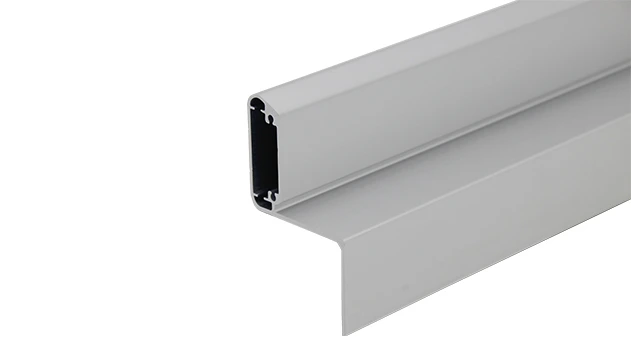
If you've ever walked through a busy manufacturing plant—whether it's a 3C assembly line churning out smartphones or a medical device workshop crafting precision tools—you've probably seen them: those sleek, silver rails quietly keeping production moving. We're talking about aluminum guide rail A , the unsung hero of lean systems everywhere. These rails might not grab headlines, but they're the backbone of efficiency, guiding everything from flow rack rollers to conveyor belts, and even supporting workbench setups. But here's the thing: like any hardworking tool, they need a little TLC to keep performing at their best. In this guide, we'll break down simple, actionable tips to maintain your aluminum guide rail A, so it keeps your production line running smoothly for years to come.
Why Maintenance Matters: It's Not Just About the Rail
Let's start with the obvious: a worn-out guide rail can throw a wrench into your entire operation. Imagine this: you're in the middle of a big order, and suddenly, a workpiece gets stuck on a bent rail. Now your conveyor slows down, your flow rack isn't feeding parts properly, and your team is scrambling to fix it. That's downtime—and in manufacturing, downtime means lost money. But maintenance is about more than avoiding headaches. A well-maintained aluminum guide rail A actually boosts your lean system's performance. It reduces friction, so materials glide smoother; it prevents uneven wear, so your entire setup lasts longer; and it keeps your workspace safer, with fewer jams or accidents.
Think of it like maintaining a car. You wouldn't skip oil changes and expect your engine to run forever, right? The same logic applies here. A little time spent on upkeep today saves you from costly replacements (and stress) tomorrow.
Daily Maintenance: 5-Minute Checkups That Save the Day
You don't need a fancy toolkit or hours of training to keep your aluminum guide rail A in shape. Start with these quick daily habits—they take less time than your morning coffee break!
1. Wipe Away Dust and Debris
Manufacturing floors are dusty places, and even tiny particles can cause big problems. Grab a microfiber cloth (avoid rough rags—they scratch!) and wipe down the rail's surface. Pay extra attention to the grooves and joints, where dust loves to hide. If there's stubborn grime (like oil or adhesive residue), dampen the cloth with warm water—never use harsh chemicals like bleach or acetone, which can eat away at the aluminum's protective coating.
2. Check for Obstructions
Run your hand along the rail to feel for bumps or blockages. Sometimes small screws, plastic shavings, or even a dropped washer can get stuck, causing jams later. If you find something, remove it gently—don't yank or scrape, as that might damage the rail.
3. Inspect Connections (Quick Tug Test)
Aluminum guide rail A rarely works alone—it's usually bolted to frames, flow racks, or workbench edges. Give each connection a light tug to make sure bolts or brackets aren't loose. If something wiggles, tighten it with a wrench (but don't over-tighten—aluminum is strong, but it can strip if you go too hard).
| Task | Frequency | Tools Needed |
|---|---|---|
| Wipe surface dust | Start of shift | Microfiber cloth |
| Check for obstructions | Start and end of shift | Your hand (or a flashlight) |
| Tighten connections | Once per day | Adjustable wrench |

Weekly Deep Clean: Going Beyond the Basics
Once a week, set aside 15–20 minutes for a deeper clean. This is when you'll tackle buildup that daily wipes miss, ensuring your aluminum guide rail A stays smooth and efficient.
1. Use Mild Soap for Grease and Oil
Over time, machine oil, lubricants, or even fingerprints can leave a sticky film on the rail. Mix a few drops of mild dish soap with warm water, dip a soft sponge, and gently scrub the surface. Rinse with a damp cloth (no dripping water!) and dry immediately with a clean towel. Why mild soap? Harsh detergents can strip the rail's anodized finish, which protects against rust and wear.
2. Inspect for Scratches or Dents
Light scratches are normal, but deep ones can catch on materials and cause jams. Run your finger over the rail—if you feel a scratch that catches your nail, it's time to address it. For minor scratches, use a metal polish (like the kind used on stainless steel appliances) and a soft cloth. Rub in small circles until the scratch fades. For dents, if they're small and not in a high-friction area, they might not need fixing. But if the rail is bent or the dent blocks material flow, contact your supplier—don't try to bend it back yourself, as aluminum can crack.

Monthly Inspection: Digging Deeper for Longevity
Monthly checks are like a "health exam" for your aluminum guide rail A. They help you spot issues early, before they turn into big problems. Grab a notebook and jot down what you find—tracking wear over time helps you plan replacements proactively.
1. Check Alignment with the Rest of Your Setup
Aluminum guide rail A doesn't work in isolation—it's part of a larger system, like a flow rack or conveyor. Over time, vibrations or heavy use can shift the rail out of alignment. To check, place a straightedge (like a long level or a piece of lumber) along the rail and see if it lines up with adjacent rails or workbench edges. If it's off by more than 1/8 inch, loosen the brackets, adjust the position, and retighten. Misalignment causes uneven wear, so this step is crucial!
2. Lubricate Moving Parts (But Don't Overdo It)
If your rail has moving components—like roller track connectors or joints—they need a little lubrication to stay smooth. Use a dry lubricant (like silicone spray or graphite powder) instead of oil, which attracts dust. Apply a tiny amount to the joints, then move the parts back and forth to distribute the lubricant. Wipe away excess—too much can gunk up the works.
3. Test Load Capacity
Your aluminum guide rail A is designed to handle specific weights (check the manufacturer's specs!). Once a month, test it with a typical load—place a bin or workpiece on the rail and slide it along. If it feels heavier than usual or sticks in spots, there might be hidden issues (like a bent section or worn rollers). Note: Never overload the rail! Even if it seems okay, excess weight causes permanent damage over time.
Troubleshooting Common Issues: What to Do When Things Go Wrong
Even with great maintenance, problems can pop up. Here's how to fix the most common aluminum guide rail A headaches quickly:
| Problem | Possible Cause | Solution |
|---|---|---|
| Materials stick or move slowly | Dirty rail, misalignment, or dry joints | Clean rail, realign, and lubricate joints |
| Rattling or loud noises | Loose brackets or worn rollers | Tighten brackets; replace worn rollers |
| Surface discoloration (white spots) | Corrosion from water or chemicals | Clean with mild soap; dry thoroughly; apply anti-corrosion spray |
Pro Tips for Extending Lifespan: Beyond the Basics
Want to get the most out of your aluminum guide rail A? Try these expert tricks—they're used by maintenance pros in 3C assembly and medical device plants to keep their lean systems running for years.
1. Use Protective Covers During Downtime
If your production line is shut down for weekends or holidays, cover the rail with a plastic sheet or a soft cloth. This keeps dust, debris, and even moisture off the surface. It's a simple step, but it prevents buildup that's hard to clean later—especially in humid environments.
2. Train Your Team to Handle Materials Gently
Your rail's biggest enemy? Rough handling. Teach your team to place materials gently on the rail, instead of dropping or sliding them with force. Even heavy bins or workpieces can dent the rail if slammed down. A little mindfulness goes a long way—post a friendly reminder near the workbench if needed!
3. Pair with Quality Accessories
The right accessories can protect your aluminum guide rail A. For example, plastic roller track guide rails (yellow or grey) act as a buffer between materials and the aluminum surface, reducing friction and scratches. Similarly, end supports with stops prevent materials from slamming into the rail's edges. Investing in these small parts now saves you from replacing the entire rail later.
FAQ: Your Aluminum Guide Rail A Questions Answered
Q: Can I use steel wool to clean tough stains?
A: Avoid steel wool! It's too abrasive and will scratch the rail's finish, making it more prone to rust and buildup. Stick to microfiber cloths or soft sponges.
Q: How do I know when it's time to replace the rail?
A: Look for signs like deep, unrepairable scratches, bent sections that can't be realigned, or frequent jams even after cleaning and lubrication. Most aluminum guide rail A lasts 5–7 years with good maintenance, but heavy-use environments (like automotive plants) might need replacement sooner.
Q: Is it okay to paint the rail to match my workspace?
A: Probably not. The rail's original finish is designed to reduce friction and resist wear. Paint can chip, creating rough spots that catch on materials. If you need color coding, use tape or labels instead.
Final Thoughts: Maintenance = Smart Manufacturing
Your aluminum guide rail A might not be the star of your production line, but it's the quiet workhorse that keeps everything moving. By following these tips—daily wipes, weekly cleans, monthly checks—you're not just maintaining a piece of equipment. You're investing in your lean system's efficiency, your team's productivity, and your bottom line. Remember: good maintenance isn't a chore. It's a habit that makes your job easier, your workspace better, and your manufacturing process stronger. So grab that microfiber cloth, start your 5-minute check, and enjoy the smooth, reliable performance of a well-cared-for aluminum guide rail A. Your future self (and your wallet) will thank you!