- Company Articles
- Products and Technology
- Solution
- Aluminum Guide Rail B and Lean Manufacturing: Aligning with "Sustainable Improvement" Goals

Aluminum Guide Rail B and Lean Manufacturing: Aligning with "Sustainable Improvement" Goals
Related Product
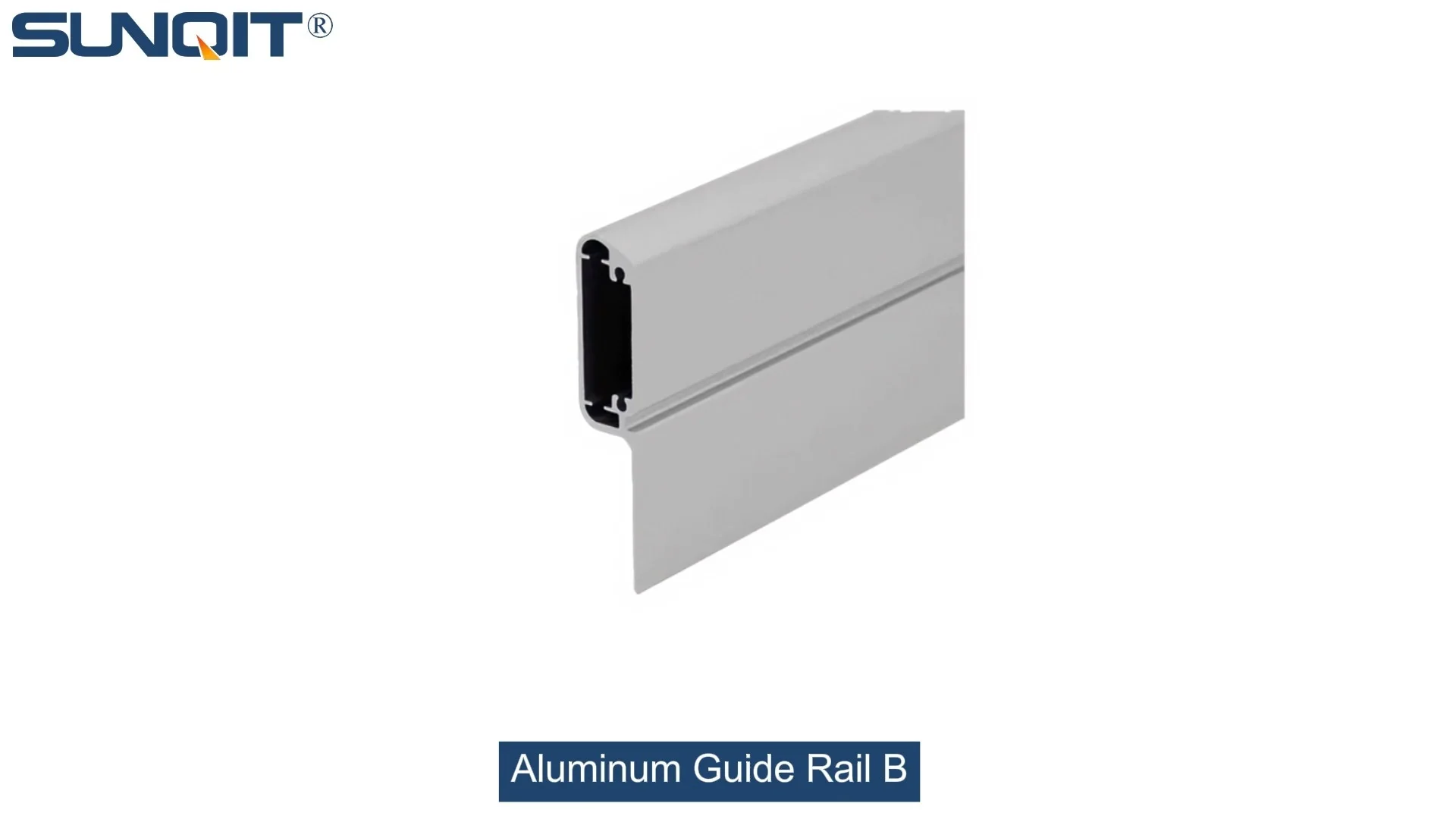
Aluminum Guide Rail B
The aluminum guide rails hold the transport goods securely on the roller track. For installation, the guide rails are simply pushed over the roller tracks.To protect sensitive products.
In today's fast-paced manufacturing world, staying competitive means more than just producing goods quickly—it means building systems that grow, adapt, and improve over time. This is where lean manufacturing steps in, focusing on eliminating waste, boosting efficiency, and fostering sustainable improvement . At the heart of this philosophy lies a seemingly simple yet powerful component: Aluminum Guide Rail B. Far more than just a piece of metal, it's a building block that helps factories across industries turn rigid production lines into flexible, future-ready workspaces. Let's dive into how Aluminum Guide Rail B, paired with tools like lean pipe workbenches, flow racks, and conveyors, is reshaping what "sustainable improvement" looks like on the factory floor.
What Does "Sustainable Improvement" Mean in Lean Manufacturing?
Before we talk about Aluminum Guide Rail B, let's clarify what "sustainable improvement" really means for manufacturers. It's not just about being eco-friendly (though that's a bonus). It's about creating systems that:
• Adapt quickly : When a new product launches or a design changes, your production line shouldn't need a complete overhaul.
• Reduce waste : Less time spent on reconfiguring equipment, fewer materials thrown away, and lower costs for replacements.
• Grow with your needs : Start small, then expand or modify components as your business scales—no need to reinvest in entirely new setups.
• Support your team : Make work easier, safer, and more efficient for the people on the floor, because happy, efficient workers drive better results.
In short, sustainable improvement is about building resilient manufacturing systems. And that's where Aluminum Guide Rail B comes into play.
Aluminum Guide Rail B: The Unsung Hero of Flexible Production
At first glance, Aluminum Guide Rail B might look like any other rail. But its design tells a different story. Made from high-quality aluminum, it's lightweight yet surprisingly strong—perfect for supporting everything from conveyor belts to sliding workbench components. What really sets it apart, though, is how it's built to adapt . Unlike traditional steel rails that require welding or heavy tools to adjust, Aluminum Guide Rail B uses simple, secure connectors that let workers reposition, extend, or modify it in minutes. No special skills, no long downtime—just quick, hassle-free changes.
Think about it: A factory making smartphone components today might need to switch to tablet parts next month. With old-style rails, that switch could take days of dismantling and rebuilding. With Aluminum Guide Rail B? Loosen a few bolts, reposition the rail, and you're ready to go. That's the kind of flexibility that turns "sustainable improvement" from a buzzword into a daily reality.
But it's not just about speed. Aluminum's natural resistance to rust and corrosion means Aluminum Guide Rail B lasts longer, even in busy, high-moisture environments like medical device assembly lines or food packaging plants. And because it's lightweight, it's easier to transport and install, cutting down on labor costs and physical strain for your team. It's a small change that adds up to big wins for your bottom line and your sustainability goals.

From Rails to Systems: How Aluminum Guide Rail B Works with Other Lean Tools
Aluminum Guide Rail B doesn't work alone. It's part of a larger ecosystem of lean tools designed to work together seamlessly. Let's take a closer look at three key partners that make the magic happen: lean pipe workbenches, flow racks, and conveyors.
1. Lean Pipe Workbenches: Where Precision Meets Flexibility
A lean pipe workbench is more than just a table—it's a customizable workspace built around the needs of the people using it. And when you pair it with Aluminum Guide Rail B, you get a setup that can evolve with your tasks. Imagine a workbench where the height adjusts with a quick lever, the tool holders slide along Aluminum Guide Rail B to stay within arm's reach, and the surface can be swapped out for a (ESD) top when handling sensitive electronics. That's the power of this combo.
In a 3C assembly plant (think phones, laptops, and tablets), workers often switch between assembling tiny circuit boards and larger components. With a lean pipe workbench and Aluminum Guide Rail B, they can reposition their tools, lighting, or even the work surface itself to match the task. No more stretching to reach a tool or making do with a workspace that's "close enough." It's about making every minute on the job count—and that's how efficiency soars.
2. Flow Racks: Keeping Materials Moving, Without the Waste
Ever walked through a factory and seen piles of parts stacked on the floor, or workers hunting for components in disorganized bins? That's waste—waste of time, space, and energy. Flow racks solve this by using gravity to move materials smoothly from the back to the front, so the next part is always within reach. And Aluminum Guide Rail B is often the backbone that keeps these racks stable and adjustable.
For example, in a warehouse distributing auto parts, a flow rack with Aluminum Guide Rail B sides can be quickly reconfigured to hold different-sized boxes as inventory changes. Need to add more slots for small screws? Just adjust the rail spacing. Switching to larger engine parts next quarter? Extend the rails and add extra support—no need to buy a whole new rack. It's a system that grows with your inventory, reducing the need for extra storage space and keeping your workflow steady and efficient.
3. Conveyors: Streamlining Movement, One Rail at a Time
Conveyors are the arteries of any production line, moving products from one station to the next. But traditional conveyors can be rigid, with fixed paths that are hard to change. Enter conveyors powered by Aluminum Guide Rail B. These conveyors use the rail as a guide for belts or rollers, making it easy to adjust the path, speed, or incline. Need to add a detour for quality checks? Slide the rail into a new position. Want to slow down the conveyor for delicate medical tools? Adjust the rail-mounted speed controls. It's like having a conveyor that can "learn" and adapt to your needs, rather than forcing you to work around its limitations.

Real-World Impact: How Industries Are Using This System to Improve
Talk is cheap—let's look at how real companies are using Aluminum Guide Rail B and its partners to drive sustainable improvement. Here are three stories from different industries that show the difference these tools can make.
Case Study 1: 3C Assembly (Smartphones and Laptops)
A major electronics manufacturer was struggling with frequent product launches. Every new phone model meant redesigning their assembly lines, which took weeks and cost thousands in downtime. They switched to a system built around Aluminum Guide Rail B, lean pipe workbenches, and conveyors. The results? Line reconfigurations that used to take 10 days now take 2 days. Workers can adjust their workbenches' height and tool placement in minutes, reducing fatigue and errors. And because the aluminum components are reusable, they've cut down on waste by 30%—no more throwing away old steel rails and benches with each product cycle.
Case Study 2: Medical Device Manufacturing
A medical device company needed a production line that met strict cleanliness and precision standards. Their old setup used heavy steel rails that were hard to clean and prone to rust, risking contamination. They switched to Aluminum Guide Rail B and ESD workbenches (designed to prevent static electricity damage to sensitive parts). The aluminum rails are easy to wipe down, resistant to corrosion, and lightweight enough to move for deep cleaning. Plus, the flexible design lets them quickly retool for small-batch, custom devices—critical in an industry where patient needs can change overnight. Today, they're meeting compliance standards with fewer headaches and producing custom devices 50% faster than before.
Case Study 3: (Warehousing and Logistics)
A large logistics company was drowning in inefficiency. Their warehouses used fixed shelving and rigid conveyors, making it hard to adapt to seasonal spikes in orders. They invested in flow racks with Aluminum Guide Rail B and adjustable conveyors. Now, during peak seasons, they can extend their flow racks in hours to hold more inventory and reposition conveyors to speed up sorting. During slower months, they shrink the system back to save space. The result? A 25% increase in order processing speed and a 40% reduction in overtime costs—all while using the same floor space they had before.

Beyond Off-the-Shelf: The Power of Custom Lean Solutions
Every factory is unique, and sometimes off-the-shelf tools just won't cut it. That's where lean solutions come in. These are custom-designed systems built to fit your specific needs, using components like Aluminum Guide Rail B, lean pipe workbenches, and flow racks as building blocks. Whether you're in automotive, aerospace, or food production, a custom lean solution starts by listening to your challenges—then designing a system that solves them.
For example, a car parts manufacturer might need a workstation that can handle heavy engine blocks but also adjust for smaller, delicate sensors. A custom solution could combine a heavy-duty lean pipe workbench with Aluminum Guide Rail B sides for tool storage, plus a conveyor with variable speed controls. Or a pharmaceutical company might need a flow rack system that's easy to sanitize and can be locked to prevent unauthorized access—Aluminum Guide Rail B's corrosion resistance and adjustable locking mechanisms make that possible.
The best part? Custom doesn't mean "one-and-done." These solutions are built with sustainable improvement in mind, so they can be modified as your needs change. Add a new rail, swap out a workbench top, or extend a conveyor—your system grows with you, so you never have to start from scratch.
Traditional vs. Lean: A Quick Comparison
| Feature | Traditional Production Components | Lean Components (Aluminum Guide Rail B, Lean Pipe Workbenches, etc.) |
|---|---|---|
| Setup/Adjustment Time | Days to weeks (requires welding, heavy tools) | Hours to minutes (simple connectors, no special tools) |
| Durability | Prone to rust (steel) or wear (plastic) | Corrosion-resistant aluminum, longer lifespan |
| Flexibility | Rigid, fixed designs | Adjustable, reconfigurable for new tasks |
| Waste Reduction | High (frequent replacement, excess materials) | Low (reusable components, minimal downtime) |
| Worker Experience | Heavy, hard to move; risk of injury | Lightweight, ergonomic; reduces physical strain |
| Sustainability | Single-use, high waste | Reusable, recyclable, supports long-term improvement |
Final Thoughts: Building a Future-Ready Factory
At the end of the day, sustainable improvement isn't about perfection—it's about progress. It's about building systems that don't just keep up with change, but embrace it. Aluminum Guide Rail B, lean pipe workbenches, flow racks, conveyors, and custom lean solutions are more than tools—they're investments in a factory that can grow, adapt, and thrive, no matter what the future brings.
So if you're tired of rigid production lines that hold you back, or wasteful systems that eat into your profits, it might be time to take a closer look at lean manufacturing. Start small—maybe swap out a few traditional rails for Aluminum Guide Rail B, or try a lean pipe workbench in one area. You'll be surprised at how quickly those small changes add up to big results: happier workers, lower costs, less waste, and a factory that's ready to take on whatever comes next.
After all, in manufacturing, the only constant is change. With the right tools, you can make that change your greatest strength.