- Company Articles
- Products and Technology
- Product knowledge
- Aluminum Guide Rail B Design Tips for Maximum Efficiency in Conveyor Systems

Aluminum Guide Rail B Design Tips for Maximum Efficiency in Conveyor Systems
Related Product
Aluminum Guide Rail B
The aluminum guide rails hold the transport goods securely on the roller track. For installation, the guide rails are simply pushed over the roller tracks.To protect sensitive products.
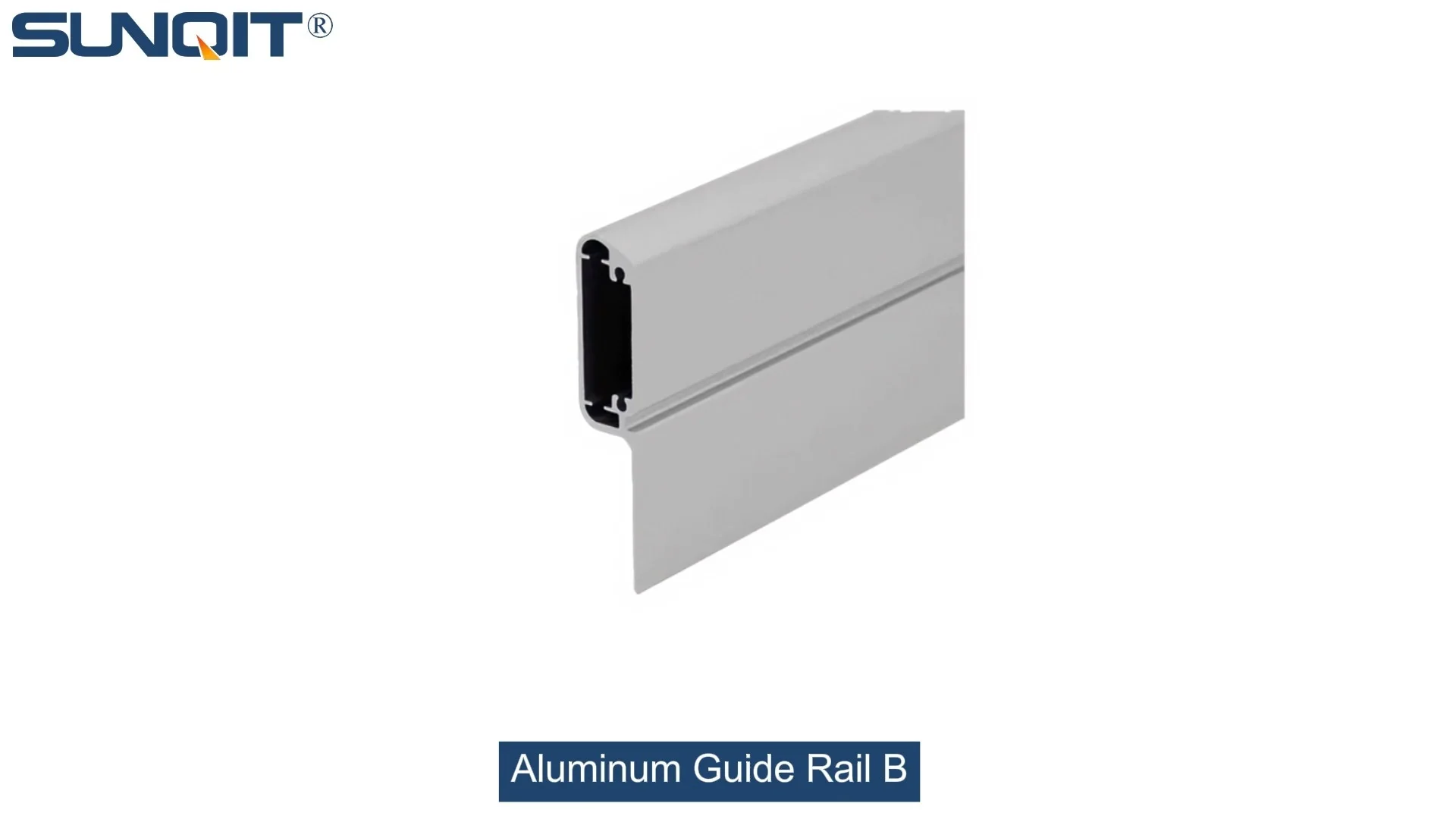
In the fast-paced world of manufacturing, every component in your production line plays a silent but critical role in keeping operations running smoothly. Among these unsung heroes, conveyor systems stand out—they're the arteries that keep materials flowing, ensuring assembly lines never stall and deadlines are met. And at the heart of any high-performing conveyor system? The guide rails that guide, stabilize, and streamline the movement of parts. Today, we're diving deep into Aluminum Guide Rail B —a game-changer for manufacturers aiming to boost efficiency, reduce downtime, and build systems that grow with their needs.
Whether you're designing a lean production line for 3C electronics or optimizing a material handling system in medical device manufacturing, the right guide rail design can mean the difference between a system that merely works and one that thrives . Let's explore how to unlock the full potential of Aluminum Guide Rail B.
1. Start with the Science: Why Aluminum? The Material Advantage
Before diving into design specifics, let's talk about why aluminum has become the go-to material for modern guide rails. Aluminum Guide Rail B isn't just a random choice—it's a result of decades of innovation in material science, tailored to solve the unique challenges of manufacturing environments.
| Material | Weight (kg/m) | Max Load Capacity (kg/m) | Corrosion Resistance | Maintenance Needs |
|---|---|---|---|---|
| Aluminum Guide Rail B | 1.2–1.8 | 80–120 | High (natural oxide layer) | Low (no painting/coating required) |
| Steel Guide Rails | 3.5–4.2 | 150–200 | Medium (prone to rust without coating) | High (regular painting, rust checks) |
| Plastic Guide Rails | 0.6–0.9 | 30–50 | High | Medium (prone to wear under heavy loads) |
Aluminum's biggest win? Its strength-to-weight ratio . At just 1.2–1.8 kg per meter, it's significantly lighter than steel, which means your conveyor motors work less hard, reducing energy costs and extending equipment lifespan. But don't let the light weight fool you—Aluminum Guide Rail B still handles 80–120 kg per meter, making it ideal for most manufacturing scenarios, from small electronic components to medium-sized assemblies.
Another standout feature is aluminum's natural resistance to corrosion. Unlike steel, which requires regular painting or galvanizing to fight rust, Aluminum Guide Rail B forms a protective oxide layer when exposed to air. This is a game-changer for environments like food processing or medical device manufacturing, where cleanliness and low maintenance are non-negotiable.
2. Precision Engineering: The Art of "Flow" in Guide Rail Design
Efficiency in conveyor systems isn't just about moving parts—it's about moving them smoothly . A single bump, misalignment, or friction point can cause jams, damage delicate components, or slow down the entire line. Aluminum Guide Rail B excels here, but only if designed with precision in mind.
a. The "Zero-Gap" Connection: No Room for Misalignment
One of the most common causes of conveyor jams is poor rail-to-rail connections. When two rail sections don't align perfectly, even a 0.5mm gap can catch a part's edge, leading to backups. Aluminum Guide Rail B addresses this with its interlocking profile design . The rails feature a tongue-and-groove system that ensures seamless joints, eliminating gaps and reducing friction.
Pro tip: Pair this with roller track placon mount connectors —these small but mighty (accessories) act as "bridges" between rail sections, keeping them locked in place even under continuous vibration. In tests with 3C assembly lines, this design reduced part jams by 40% compared to standard bolted connections.
b. Wheel-Rail Harmony: Match the Right Rollers
A guide rail is only as good as the rollers that glide along it. Aluminum Guide Rail B is engineered to work seamlessly with specific roller types, ensuring minimal friction and maximum longevity. For example:
- 40 Steel Roller Track Yellow Wheels : Ideal for medium-heavy loads (60–80 kg). The yellow polyurethane coating provides extra grip, preventing parts from sliding during sudden stops.
- 38 Aluminum Roller Track Black ESD Wheels : Perfect for sensitive electronics. The ESD (electrostatic discharge) properties protect components from static damage, a must in 3C and semiconductor manufacturing.
- Swivel Roller Balls (1 inch) : For tight turns or multi-directional flow—common in kitting areas where parts need to be redirected quickly.
The key? Always check the rail's groove depth and width against your roller dimensions. Aluminum Guide Rail B typically features a 15mm groove width, which pairs best with rollers 12–14mm in diameter. Mismatched sizes lead to uneven wear, noisy operation, and premature failure.

3. Build for Flexibility: Modularity and the Lean Philosophy
In today's manufacturing landscape, change is constant. Product lines evolve, order volumes fluctuate, and new regulations emerge. A conveyor system that can't adapt is a system that will soon be obsolete. This is where Aluminum Guide Rail B truly shines—it's built for the lean system mindset of "sustainable improvement."
a. Mix and Match: Compatibility with Lean Pipe Systems
Aluminum Guide Rail B isn't a standalone component—it's part of a larger ecosystem. It plays exceptionally well with lean pipe (aluminum or stainless steel) and lean pipe workbench setups, allowing you to create integrated workstations where conveyor rails feed directly into assembly areas. For example:
Imagine a 3C assembly line where parts flow from a flow rack (stocked with components) down Aluminum Guide Rail B conveyors, straight to a lean pipe workbench. Operators can pick parts from the flow rack, assemble them at the bench, and send finished subassemblies back onto the conveyor—all without ever leaving their workstation. This "U-shaped cell" design reduces walking time by 30% and cuts down on material handling errors.
b. Tool-Less Adjustments: Adapt in Minutes, Not Hours
Traditional steel rails often require welding or heavy bolting to adjust—fine for static systems, but a nightmare when you need to reconfigure a line for a new product. Aluminum Guide Rail B, however, uses internal rotatary aluminum joints and quick-release brackets, letting you adjust rail height, angle, or direction in minutes. Need to raise the rail by 5cm to accommodate taller bins? Loosen two levers, adjust, and lock—no power tools required.
This flexibility is a lifesaver in industries like automotive parts manufacturing, where production runs change weekly. One client in Guangzhou recently reconfigured their entire conveyor layout in under 4 hours using Aluminum Guide Rail B—something that would have taken 2 days with their old steel system.

4. Think Long-Term: Maintenance and Total Cost of Ownership
Efficiency isn't just about speed—it's about sustainability. A system that's cheap to buy but expensive to maintain will eat into your profits over time. Aluminum Guide Rail B is designed to minimize long-term costs, thanks to its low-maintenance nature and durable construction.
a. Easy Cleaning, Even in Harsh Environments
Manufacturing floors are messy—oils, dust, and debris are part of the job. Aluminum Guide Rail B's smooth, non-porous surface makes cleaning a breeze. Unlike steel, which traps grime in weld seams, aluminum can be wiped down with a damp cloth or pressure-washed (for food/medical environments) without damage. This reduces downtime for cleaning by 50% compared to painted steel rails.
b. Replaceable Parts, Not Replaceable Rails
Even the best rails wear out over time—especially in high-traffic areas. But with Aluminum Guide Rail B, you don't need to replace the entire rail when a section wears thin. The modular design lets you swap out just the damaged part. For example:
If a 2-meter section of rail near a loading dock shows signs of wear (scratches, dents), simply remove the roller track placon mount bracket , slide out the old section, and insert a new one. The whole process takes 15 minutes and costs a fraction of replacing the entire rail. This "repair, don't replace" approach aligns perfectly with lean manufacturing's focus on waste reduction.

5. Real-World Results: Case Studies in Efficiency
Numbers and specs tell part of the story, but real impact lies in how these designs perform on the factory floor. Let's look at two industries where Aluminum Guide Rail B has made a measurable difference.
a. 3C Assembly: Speed and Precision for Tiny Parts
A leading smartphone manufacturer in Shenzhen was struggling with slow assembly times on their camera module line. Parts like lens covers and sensors are small (often <5mm) and fragile, and their old plastic guide rails were causing frequent jams. After switching to Aluminum Guide Rail B with 38 Aluminum Roller Track White Wheels (low-friction, high precision), they saw:
- 25% faster part flow (from 20 parts per minute to 25)
- 90% reduction in part damage (no more scratched lens covers)
- 60% less maintenance time (no more cleaning plastic debris from rail grooves)
b. Medical Device Manufacturing: Cleanliness and Compliance
A medical equipment maker in Suzhou needed a conveyor system for their surgical tool assembly line. The challenge? Strict FDA regulations requiring easy cleaning and no risk of contamination. Aluminum Guide Rail B with stainless steel swivel roller balls was the solution. The aluminum's corrosion resistance and smooth surface met FDA standards, while the stainless steel rollers prevented bacterial growth. As a result:
- Passed FDA inspections with zero violations
- Reduced cleaning time by 35% (no hidden crevices for bacteria)
- Scaled production from 500 tools/day to 700 without adding shifts
Final Thoughts: Design with the End in Mind
At the end of the day, Aluminum Guide Rail B is more than just a piece of metal—it's a tool for building smarter, more resilient manufacturing systems. By focusing on material science, precision engineering, flexibility, and long-term maintenance, you're not just designing a conveyor system—you're designing a system that empowers your team to do more, waste less, and adapt faster.
Whether you're a small contract manufacturer or a global production giant, the principles here hold true: start with quality materials, prioritize smooth flow, build for change, and never underestimate the power of a well-designed guide rail. After all, in manufacturing, the smallest components often drive the biggest results.