- Company Articles
- Products and Technology
- Application Cases
- Aluminum Honeycomb Panel Applications in Telecommunication Equipment Manufacturing

Aluminum Honeycomb Panel Applications in Telecommunication Equipment Manufacturing
Related Product
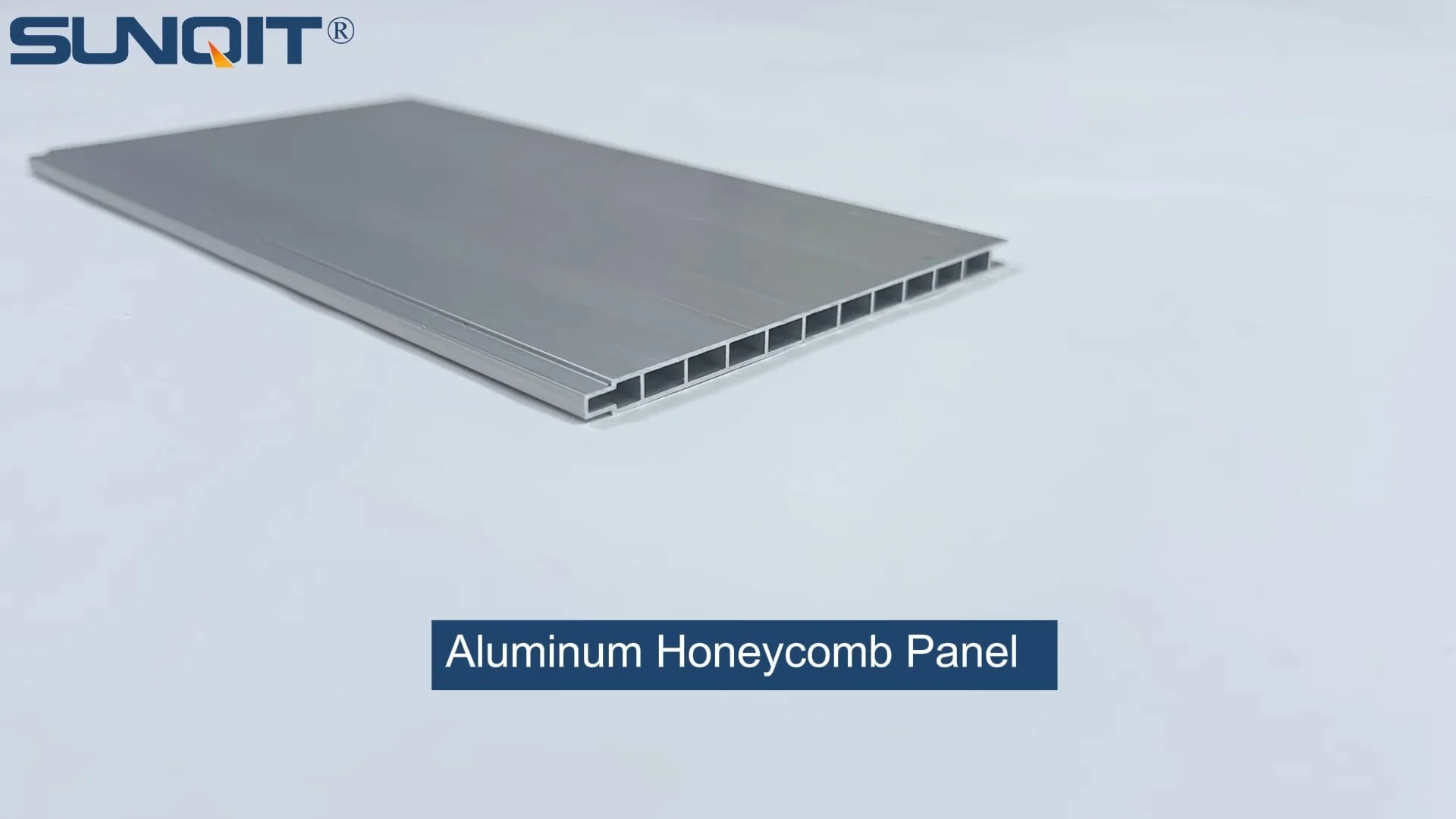
Aluminum Honeycomb Panel
Aluminum honeycomb panel used as table top, side wall, it is connected one pcs by one pcs from the side slot to make a full pieces.This panel width 105mm, 55mm, 35mm are optional for slection.
The Evolving Needs of Telecommunication Equipment Manufacturing
In the fast-paced world of telecommunication, where 5G networks expand and data centers hum with the weight of global connectivity, the equipment that powers this infrastructure faces ever-growing demands. From outdoor cabinets braving extreme weather to precision-engineered server racks in climate-controlled facilities, every component must balance durability, efficiency, and adaptability. Manufacturers are no longer just building hardware—they're crafting solutions that can withstand harsh environments, reduce operational costs, and keep up with the relentless pace of technological advancement.
One of the biggest challenges? The materials that form the backbone of this equipment. Traditional options like solid steel or thick aluminum sheets often fall short: steel is heavy and prone to corrosion, while solid aluminum, though lighter, can still add unnecessary bulk. Enter aluminum honeycomb panels —a material that's quietly revolutionizing how telecommunication equipment is designed, built, and deployed. Blending the strength of metal with the lightness of a engineered structure, these panels are proving to be a game-changer, especially when paired with modular components like aluminum profiles and aluminum extrusion profiles for seamless integration.
Why Aluminum Honeycomb Panels Stand Out: Key Properties
At first glance, an aluminum honeycomb panel might look like any other metal sheet, but its magic lies in its structure. Picture a sandwich: two thin aluminum sheets (the "faces") bonded to a honeycomb-shaped core (usually made of aluminum, paper, or fiberglass). This design isn't just for show—it's a masterclass in engineering efficiency. Let's break down why this structure makes aluminum honeycomb panels ideal for telecommunication manufacturing:
Lightweight Yet Incredibly Strong
Telecommunication equipment, whether it's a 5G base station or a data center server rack, often needs to be installed in hard-to-reach places—rooftops, cell towers, or tight server rooms. Heavy materials mean higher transport costs, more complex installations, and even structural limitations (like rooftop weight limits). Aluminum honeycomb panels solve this by offering an impressive strength-to-weight ratio. Compared to solid aluminum of the same thickness, they can weigh up to 60% less while maintaining comparable rigidity. This lightness doesn't compromise strength, either: the honeycomb core distributes weight evenly across the panel, making it resistant to bending and impact—critical for equipment that might face vibrations during transport or high winds in outdoor settings.
Superior Thermal Management
Telecommunication gear generates heat—lots of it. Servers, routers, and power supplies can push temperatures well above 40°C, and without proper heat dissipation, performance degrades, and components fail. Aluminum honeycomb panels excel here, too. The honeycomb core creates tiny air pockets that act as insulators, preventing heat from building up inside enclosures. For active cooling, the panels can be designed with hollow channels that allow airflow, turning them into passive heat sinks. In outdoor cabinets, this thermal efficiency reduces reliance on energy-hungry fans, cutting operational costs and making the equipment more sustainable.
Natural EMI Shielding
In a world where signals are everything, electromagnetic interference (EMI) is the enemy. Unwanted electromagnetic radiation can disrupt communication, corrupt data, or even damage sensitive components. Aluminum, being a highly conductive metal, naturally blocks EMI—and the honeycomb structure amplifies this effect. The panel's solid aluminum faces form a continuous barrier, while the core's geometry scatters and absorbs stray radiation. For telecommunication equipment, this means clearer signals, fewer disruptions, and compliance with strict industry standards for electromagnetic compatibility (EMC).
Design Flexibility
Telecommunication equipment comes in all shapes and sizes, from sleek indoor routers to rugged outdoor enclosures. Aluminum honeycomb panels are incredibly versatile: they can be cut, bent, or shaped to fit custom designs without losing structural integrity. This flexibility is enhanced when paired with aluminum profiles —modular, extruded aluminum pieces that act as frames or supports. Together, panels and profiles create modular systems that manufacturers can adapt quickly, whether they're building a small workbench for assembly or a large outdoor cabinet.

A Closer Look: How Aluminum Honeycomb Panels Compare to Traditional Materials
To truly appreciate the value of aluminum honeycomb panels, it helps to see how they stack up against materials commonly used in telecommunication manufacturing. The table below compares key metrics like weight, strength, and cost:
| Material | Weight (kg/m²) | Flexural Strength (MPa) | Thermal Conductivity (W/m·K) | EMI Shielding (dB) | Cost (Relative) |
|---|---|---|---|---|---|
| Solid Steel (3mm) | 23.5 | 250 | 45 | 80-90 | Low |
| Solid Aluminum (3mm) | 8.1 | 110 | 205 | 75-85 | Medium |
| Aluminum Honeycomb Panel (3mm faces + 20mm core) | 3.2 | 130 | 35 | 85-95 | Medium-High |
| Wood Composite | 12.0 | 45 | 0.15 | 0-10 | Low |
As the table shows, aluminum honeycomb panels outperform solid aluminum in weight (3.2 kg/m² vs. 8.1 kg/m²) while matching or exceeding its flexural strength. They also offer better EMI shielding than solid aluminum and far superior thermal management compared to steel. While their upfront cost is slightly higher, the long-term savings—from reduced transport, lower energy use, and longer equipment lifespan—make them a cost-effective choice.

Real-World Applications in Telecommunication Manufacturing
Now that we understand the "why," let's dive into the "how." Aluminum honeycomb panels are transforming multiple areas of telecommunication equipment manufacturing, from enclosures to assembly lines. Here are the most impactful applications:
Outdoor Telecommunication Cabinets
Outdoor cabinets are the workhorses of telecommunication networks, housing batteries, routers, and power supplies in every environment—from scorching deserts to freezing mountain tops. These cabinets need to be tough (resistant to rain, dust, and UV rays), lightweight (for easy installation on poles or rooftops), and thermally efficient (to protect components from extreme temperatures). Aluminum honeycomb panels check all these boxes. The panels' aluminum faces resist corrosion (especially when coated with weather-resistant finishes), while the honeycomb core insulates against heat and cold. Some manufacturers even integrate aluminum extrusion profiles into the cabinet frames, creating a modular system that can be customized with additional shelves or cooling units as network needs grow.
Data Center Server Racks
Inside data centers, space is money. Every square meter must be optimized to fit as much computing power as possible, while still allowing for airflow and maintenance. Server racks, which hold dozens of heavy servers, need to be strong enough to support the weight but light enough to be reconfigured as needs change. Aluminum honeycomb panels are increasingly used for rack doors, side panels, and even shelves. Their lightness makes it easier for technicians to move racks during upgrades, while their rigidity ensures the structure doesn't warp under the weight of servers. The panels' EMI shielding also helps contain radiation within the rack, preventing interference with neighboring equipment—a small detail that makes a big difference in data center reliability.
Assembly Line Workbenches
Behind every piece of telecommunication equipment is an assembly line where precision matters. Workbenches, where technicians build and test components, need to be sturdy (to support tools and parts), flat (for accurate measurements), and lightweight (to reconfigure the line as production needs shift). Aluminum honeycomb panels are ideal for workbench tops: they're smooth, non-conductive (when anodized), and resistant to scratches from tools. Many manufacturers pair these panels with aluminum profiles to create modular workbenches—adding shelves, tool holders, or ESD (electrostatic discharge) mats as needed. This modularity aligns perfectly with lean system principles, reducing waste and improving workflow efficiency on the factory floor.
Transport and Packaging Solutions
Telecommunication components, especially delicate ones like fiber optic modules, need to be protected during shipping. Traditional packaging—like foam or wooden crates—often leads to waste (foam is non-recyclable) or added weight (wooden crates are heavy). Aluminum honeycomb panels offer a reusable, lightweight alternative. Manufacturers create custom shipping cases with honeycomb panel walls, which absorb shocks during transport and can be used hundreds of times. These cases are also stackable, saving space in warehouses and on delivery trucks. For high-value components, the panels' EMI shielding even adds an extra layer of protection, preventing static electricity or external radiation from damaging sensitive electronics.
Heat Sinks and Thermal Management Components
As telecommunication equipment becomes more powerful, heat management grows more critical. Aluminum honeycomb panels are being repurposed as passive heat sinks in devices like routers and base stations. By designing the honeycomb core with larger cells, manufacturers create channels for heat to escape, turning the panel into a natural radiator. In some cases, the panels are bonded to heat-generating components (like power amplifiers), where their large surface area and thermal conductivity help dissipate heat without the need for noisy, energy-consuming fans. This not only improves reliability but also extends the lifespan of the equipment—an important selling point in an industry where downtime is costly.
Sustainability and Lean Manufacturing: The Hidden Benefits
Beyond performance, aluminum honeycomb panels align with two of the biggest trends in manufacturing today: sustainability and lean production. Let's start with sustainability. Aluminum is 100% recyclable, and recycling it uses just 5% of the energy required to produce new aluminum. Honeycomb panels, by design, use less material than solid sheets, reducing raw material consumption. For telecommunication manufacturers aiming to reduce their carbon footprint, this is a win-win: lower material usage means fewer emissions from production, and recyclable panels mean less waste at the end of the equipment's life.
Then there's lean system integration. Lean manufacturing focuses on minimizing waste—whether it's time, materials, or energy. Aluminum honeycomb panels support this by being lightweight (reducing transport and handling time), modular (allowing for quick reconfiguration of production lines), and durable (reducing the need for frequent replacements). For example, a workbench made with honeycomb panels and aluminum profiles can be disassembled and reassembled in hours, not days, when a new product line is introduced. This flexibility reduces downtime and keeps production lines running smoothly—key for meeting tight deadlines in the fast-moving telecom industry.
Challenges and Considerations
Of course, no material is perfect, and aluminum honeycomb panels do have considerations. Their upfront cost is higher than steel or solid aluminum, though this is often offset by long-term savings. They also require specialized manufacturing processes to bond the faces to the core, which means manufacturers may need to partner with suppliers experienced in honeycomb technology. Additionally, while the panels are strong, they're not indestructible—extremely sharp impacts can damage the honeycomb core, so they may need additional protection in high-risk environments (like heavy industrial areas).
These challenges are manageable, though. As demand for honeycomb panels grows, production costs are falling, and more suppliers are offering turnkey solutions, including custom cutting and finishing. For most telecommunication manufacturers, the benefits—lightweight, strength, thermal efficiency, and sustainability—far outweigh the drawbacks.
The Future: Innovations on the Horizon
As telecommunication technology advances, so too will the role of aluminum honeycomb panels. Researchers are experimenting with new core materials, like carbon fiber honeycombs, to further boost strength and reduce weight. Others are exploring ways to integrate smart features into the panels, such as embedded sensors that monitor temperature or structural integrity in real time—useful for predictive maintenance of outdoor cabinets. There's also growing interest in combining honeycomb panels with 3D-printed aluminum profile accessories , creating even more customized and efficient designs.
Perhaps most exciting is the potential for these panels to support 6G networks, which will require even more compact, efficient, and powerful equipment. Aluminum honeycomb panels, with their ability to balance multiple needs, are poised to be a foundational material in this next era of connectivity.
Conclusion: Building the Future of Telecommunication, One Panel at a Time
Aluminum honeycomb panels may not be the most glamorous technology in telecommunication, but they're undoubtedly one of the most impactful. By offering a rare combination of lightness, strength, thermal efficiency, and design flexibility, they're helping manufacturers build equipment that's ready for the challenges of today and tomorrow—whether that's a 5G base station in a remote village or a data center powering the next big tech innovation.
When paired with aluminum profiles , aluminum extrusion profiles , and lean system principles, these panels aren't just materials—they're enablers. They're enabling faster installations, lower costs, and more sustainable practices. In a world where connectivity is essential, aluminum honeycomb panels are quietly ensuring that the infrastructure behind it is stronger, smarter, and more resilient than ever before.