- Company Articles
- Products and Technology
- Product knowledge
- Aluminum Honeycomb Panel Bonding Techniques: Ensuring Structural Integrity

Aluminum Honeycomb Panel Bonding Techniques: Ensuring Structural Integrity
Related Product
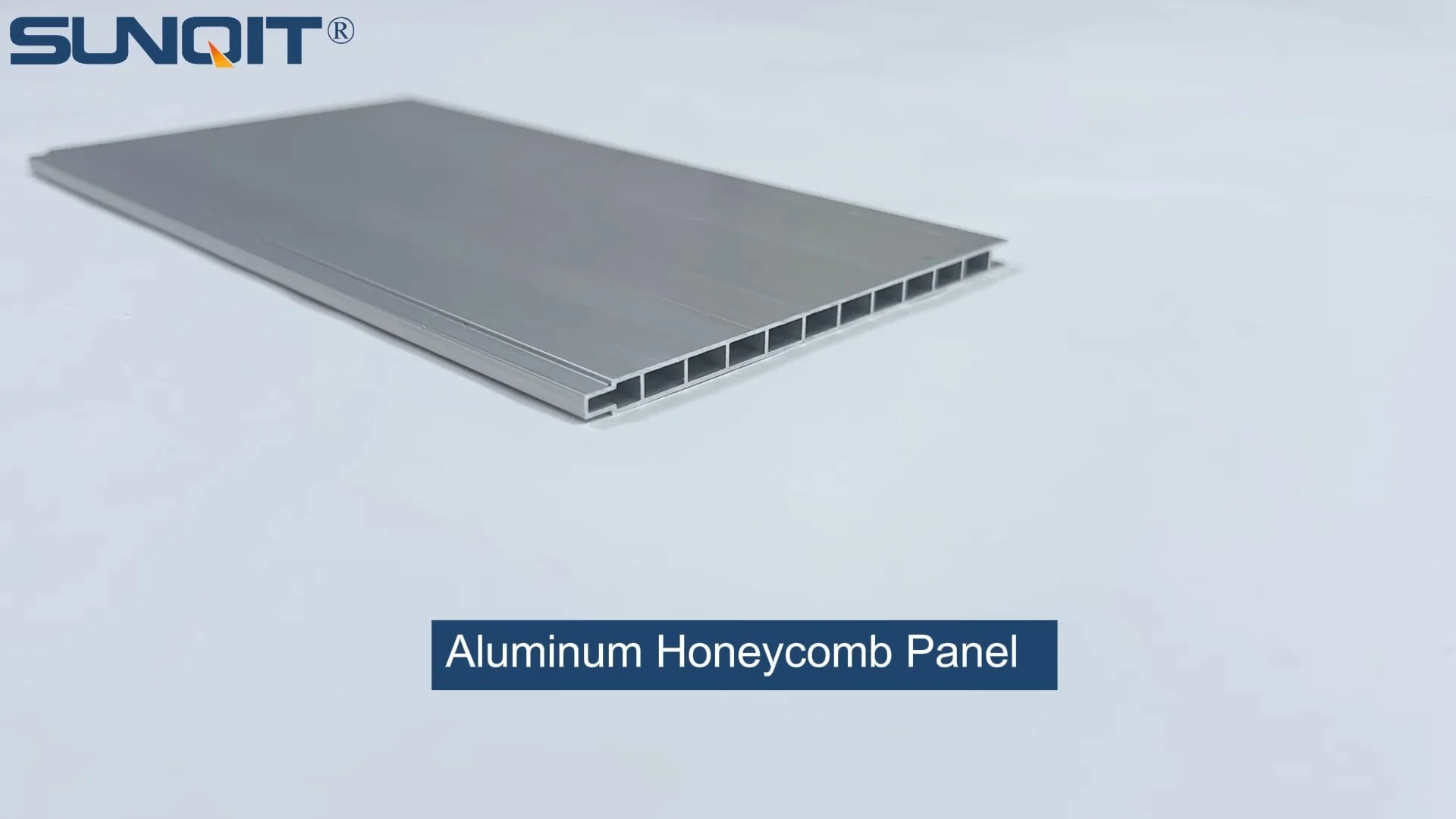
Aluminum Honeycomb Panel
Aluminum honeycomb panel used as table top, side wall, it is connected one pcs by one pcs from the side slot to make a full pieces.This panel width 105mm, 55mm, 35mm are optional for slection.
A deep dive into the methods that keep modern manufacturing strong, lightweight, and reliable
Introduction: The Backbone of Modern Lightweight Structures
In the world of manufacturing, where efficiency and durability walk hand in hand, few materials have revolutionized design quite like the aluminum honeycomb panel. Picture this: a workbench in a bustling factory, its surface sturdy enough to support heavy machinery yet light enough for easy reconfiguration. Or a material rack stacked with components, where every inch of space and ounce of weight matters. Chances are, those structures rely on aluminum honeycomb panels—thin, strong, and surprisingly lightweight, thanks to their unique honeycomb core sandwiched between two face sheets. But what makes these panels so dependable? The answer lies in their bonding techniques. Without precise, reliable bonding between the honeycomb core and the face sheets (often made from aluminum extrusion profiles), even the best-designed panel would crumble under pressure.
Whether you're a supplier crafting panels for wholesale, a manufacturer building lean pipe workbenches, or a facility manager choosing materials for a new production line, understanding how aluminum honeycomb panels are bonded isn't just technical knowledge—it's the key to ensuring safety, longevity, and performance. In this article, we'll explore the art and science of bonding these innovative panels, from the adhesives that hold them together to the real-world applications that demand perfection. We'll also touch on how materials like aluminum profile accessories play a supporting role in creating structures that stand the test of time.
What Are Aluminum Honeycomb Panels, Anyway?
Before we dive into bonding, let's get familiar with the star of the show: the aluminum honeycomb panel. At first glance, it might look like any other metal sheet, but peel back the layers (metaphorically, of course), and you'll find a structure inspired by nature's own engineering marvel—the honeycomb. The panel consists of three main parts: two thin, rigid face sheets (typically made from aluminum extrusion profiles) and a central honeycomb core made of aluminum foil or paper, formed into a grid of hexagonal cells. This design isn't just for show; it's a masterclass in strength-to-weight ratio. The honeycomb core distributes weight evenly across the panel, while the face sheets handle bending and tension—making the panel up to 80% lighter than a solid aluminum sheet of the same size, yet just as strong.
But here's the catch: that strength only holds if the bond between the face sheets and the core is flawless. A weak bond can lead to delamination (where the layers separate), reducing the panel's load capacity and durability. Imagine a workbench where the top starts to peel away after a few months of use—not exactly ideal for a lean system built on reliability. That's why bonding techniques are the unsung heroes of aluminum honeycomb panel manufacturing.

Key Properties Driving Bonding Requirements
To understand why bonding matters so much, let's break down the properties that make aluminum honeycomb panels indispensable in industries like automotive, aerospace, and manufacturing:
- Lightweight: Critical for applications like turnover trolleys or mobile workbenches, where maneuverability is key. A weak bond adds unnecessary weight (if extra fasteners are used) or compromises strength (if corners are cut).
- High Strength: Needed to support heavy loads, whether it's a material rack b (3 row and 3 floor) stacked with components or a workbench holding power tools. The bond must transfer load from the face sheets to the core without failure.
- Durability: Panels face daily wear and tear—scratches, impacts, temperature changes. The bond must resist corrosion, moisture, and thermal expansion to keep the panel intact for years.
- Flatness: For precision workbenches or assembly lines, even a slight warp can throw off measurements. Bonding must ensure the face sheets adhere uniformly to the core, preventing uneven surfaces.
These properties set the bar high for bonding techniques. It's not enough to just "stick" the layers together; the bond must be engineered to complement the panel's natural advantages.

Core Bonding Techniques: The Glue (Literally) That Holds It All Together
Now, let's get to the heart of the matter: how do manufacturers actually bond aluminum honeycomb panels? There are three primary methods, each with its own strengths, weaknesses, and ideal use cases. Let's explore each one.
1. Adhesive Bonding: The Silent Partner in Strength
Adhesive bonding is the most common method for joining the face sheets to the honeycomb core, and for good reason. It creates a continuous bond across the entire surface, distributing stress evenly and avoiding the weak points that come with mechanical fasteners (more on those later). Think of it as spreading a thin layer of super glue between two pieces of paper—if done right, the paper will tear before the glue gives way.
The star here is the adhesive itself. Most manufacturers opt for structural adhesives like epoxy or polyurethane, chosen for their high strength, flexibility, and resistance to heat and chemicals. Epoxy adhesives, for example, are prized for their rigidity and excellent bonding to aluminum, making them a top pick for panels used in static structures like material racks. Polyurethane adhesives, on the other hand, offer more flexibility, which is ideal for panels that might experience vibration, such as those in conveyor systems or turnover trolleys.
Applying the adhesive is a precision process. First, the face sheets and honeycomb core must be meticulously cleaned to remove dirt, oil, or oxidation—even a tiny speck of dust can weaken the bond. Then, the adhesive is applied using a roller, spray, or screen printing method, ensuring a uniform thickness (usually between 0.1 and 0.3 millimeters). The core is then sandwiched between the face sheets, and pressure is applied using a press or vacuum bag to squeeze out air bubbles and ensure full contact. Finally, the panel is cured at room temperature or in an oven, depending on the adhesive type—epoxies might cure in 24 hours at room temp, while some polyurethanes can set in just a few hours with heat.
But adhesive bonding isn't without its challenges. Temperature and humidity during curing can affect bond strength; too hot, and the adhesive might cure too quickly, trapping air bubbles. Too cold, and it might not cure fully. That's why suppliers invest in climate-controlled facilities to ensure consistency—because a panel that fails in the field isn't just a product defect; it's a blow to trust.
2. Mechanical Fastening: When Adhesives Need Backup
While adhesive bonding is great for most cases, there are times when a little extra reinforcement is needed. Enter mechanical fastening: using rivets, screws, or bolts to physically hold the face sheets and core together. This method is often used in conjunction with adhesives, creating a "hybrid" bond that combines the best of both worlds—adhesives for even stress distribution, fasteners for added security in high-load areas.
For example, consider a heavy-duty workbench e (single deck-without caster) designed to support 500kg of equipment. Adhesive bonding alone might handle the weight under normal conditions, but add in the occasional impact from dropping tools, and mechanical fasteners provide a safety net. The fasteners are typically placed around the edges of the panel or in strategic locations where stress is concentrated, like corners.
But mechanical fastening isn't without trade-offs. Drilling holes for fasteners can weaken the honeycomb core, and the fasteners themselves add weight—undoing some of the panel's lightweight benefits. They also create potential points for corrosion if not properly sealed. That's why this method is usually reserved for specialized applications, not everyday panels.
3. Thermal Bonding: High-Tech Precision for Tight Tolerances
For applications where precision is non-negotiable—like aerospace components or medical equipment enclosures—thermal bonding takes center stage. This method uses heat or ultrasonic energy to melt a thin layer of material (either on the face sheets or the core) and fuse the layers together. It's like welding, but for lightweight panels.
Ultrasonic bonding, for instance, uses high-frequency vibrations to generate heat at the bond line, melting the adhesive or the material itself and creating a strong, uniform bond in seconds. This is ideal for panels with complex shapes or small, intricate honeycomb cells, where traditional adhesives might not reach. Laser bonding is another option, using a focused laser beam to heat specific areas, allowing for precise control over the bond strength.
Thermal bonding offers unmatched accuracy, but it's also expensive and requires specialized equipment. That's why it's often used in industries where the cost is justified by the need for zero defects—think satellite components or high-end medical workstations.
Real-World Example: Lean Pipe Workbenches
Let's take a concrete example: a lean pipe workbench used in an electronics assembly line. The workbench top is an aluminum honeycomb panel with aluminum extrusion profile face sheets, chosen for its lightweight design and resistance to static electricity (thanks to ESD coatings). The manufacturer uses adhesive bonding with a polyurethane adhesive to ensure the panel is flat and strong enough to support circuit boards and assembly tools. To add extra stability, they reinforce the edges with aluminum profile accessories like corner codes, which are bonded and mechanically fastened to the panel. The result? A workbench that's easy to move (if casters are added), durable enough for daily use, and precise enough for delicate electronics assembly.
Comparing the Techniques: Which One to Choose?
To help you decide which bonding technique is right for your project, let's compare them side by side:
| Technique | Advantages | Disadvantages | Ideal Applications |
|---|---|---|---|
| Adhesive Bonding | Continuous bond, even stress distribution, lightweight, cost-effective | Sensitive to temperature/humidity, longer curing time | Workbenches, material racks, conveyor systems |
| Mechanical Fastening | Added strength for high loads, easy inspection/repair | Adds weight, weakens core, potential corrosion points | Heavy-duty machinery enclosures, industrial flooring |
| Thermal Bonding | High precision, fast curing, complex shapes | Expensive equipment, limited to certain materials | Aerospace components, medical devices, electronics |
Material Compatibility: Why the Right Pairings Matter
Bonding isn't just about the technique—it's also about the materials involved. The face sheets, core, and any aluminum profile accessories must work together harmoniously to create a strong bond. Let's break down the key players:
Face Sheets: Aluminum Extrusion Profiles
The face sheets are typically made from aluminum extrusion profiles—thin, flat sheets rolled or extruded into shape. Extrusion profiles are chosen for their uniformity, strength, and ability to be customized with coatings (like ESD for workbenches or anodized finishes for corrosion resistance). But for adhesive bonding to work, the surface of these profiles must be properly prepared. That means cleaning off oils, oxides, or contaminants, and sometimes etching the surface to create tiny grooves that help the adhesive "grip" better. Think of it like sanding a piece of wood before painting—the smoother and cleaner the surface, the better the bond.
Honeycomb Core: Aluminum Foil or Paper?
The core is usually made of aluminum foil (for structural panels) or paper (for lightweight, non-load-bearing panels). Aluminum core panels are stronger and more heat-resistant, making them ideal for industrial applications. Paper cores, while lighter, are more susceptible to moisture and aren't suitable for heavy loads. When bonding, the core's cell size and wall thickness matter too—larger cells mean less adhesive contact area, so the adhesive must be applied more carefully to fill the gaps.
Aluminum Profile Accessories: The Supporting Cast
While the panel itself is the star, aluminum profile accessories play a crucial supporting role in bonding and structural integrity. Corner codes, for example, are small brackets used to join panels at 90-degree angles (like the edges of a workbench). These accessories are often bonded to the panel with adhesive and then mechanically fastened for extra strength. Similarly, edge trims made from aluminum or plastic protect the panel's edges from damage and help seal the bond line, preventing moisture or debris from weakening the adhesive over time.
Suppliers of aluminum profile accessories often work closely with panel manufacturers to ensure their products are compatible with common adhesives and bonding techniques. For example, a supplier might offer corner codes with pre-applied adhesive strips, making installation faster and more consistent for manufacturers.
Quality Control: Ensuring Every Panel Meets the Mark
Even the best bonding technique is useless if the final panel isn't tested for quality. That's why rigorous quality control (QC) is a non-negotiable step in aluminum honeycomb panel manufacturing. Let's look at some common QC tests:
Peel Tests: Putting the Bond to the Test
A peel test is exactly what it sounds like: a machine pulls the face sheet away from the core at a controlled angle and measures the force required to separate them. If the adhesive is strong, the face sheet or core should tear before the bond fails—this is called "cohesive failure" and is a sign of a good bond. If the bond fails cleanly between the layers ("adhesive failure"), it means the adhesive didn't stick properly, and the panel is rejected.
Ultrasonic Inspection: Seeing the Unseen
Ultrasonic testing uses high-frequency sound waves to "see" inside the panel, detecting voids, air bubbles, or delamination that might not be visible to the naked eye. A technician runs a probe over the panel's surface, and the sound waves bounce back differently if there's a defect in the bond. This is especially important for large panels, where a small defect in the center could go unnoticed until the panel is in use.
Load Testing: Simulating Real-World Use
For panels used in load-bearing applications (like material rack b), load testing is critical. The panel is mounted in a rig and subjected to weights or pressures that mimic its intended use—sometimes even exceeding them by 50% or more. Engineers measure how much the panel bends (deflection) and check for signs of failure like cracking or delamination. Only panels that pass these tests make it to market.
For suppliers, QC isn't just about avoiding returns—it's about building trust. A manufacturer who skips these tests might save money in the short term, but they'll lose customers when panels fail in the field. That's why reputable suppliers invest in state-of-the-art testing equipment and rigorous standards.
Applications: Where Bonded Panels Shine
Aluminum honeycomb panels, with their strong, lightweight bonds, are everywhere in modern manufacturing. Here are just a few places you might find them:
Workbenches and Assembly Lines
From simple workbench e (single deck) to complex ESD workstations, honeycomb panels are the top choice for work surfaces. Their flatness ensures precision, while their light weight makes reconfiguring assembly lines easy—a cornerstone of lean manufacturing.
Material Racks and Storage Systems
Material rack b (3 row and 3 floor) units often use honeycomb panels for shelves, as they can support heavy boxes without adding bulk. The panels also resist dents and scratches, keeping storage systems looking new for years.
Turnover Trolleys and Mobile Carts
Turnover trolleys need to be lightweight for easy pushing, but strong enough to carry parts across the factory floor. Honeycomb panels make this possible, reducing operator fatigue and improving efficiency.
Lean Pipe Systems
Lean pipe systems, which use aluminum or steel pipes and joints to build modular structures, often incorporate honeycomb panels for work surfaces or dividers. The panels' bond strength ensures the system can be reconfigured repeatedly without losing stability.
Challenges and Innovations: The Future of Bonding
While bonding techniques have come a long way, manufacturers still face challenges. Environmental regulations, for example, are pushing suppliers to move away from solvent-based adhesives (which release volatile organic compounds, or VOCs) toward water-based or low-VOC alternatives. These new adhesives are better for the planet, but they often require longer curing times or different application methods—testing manufacturers' ability to adapt.
Another challenge is bonding dissimilar materials. As panels become more specialized, manufacturers are experimenting with face sheets made from carbon fiber or composite materials, which bond differently than aluminum extrusion profiles. This requires new adhesives and bonding processes, driving innovation in the industry.
On the innovation front, nanotechnology is opening new doors. Nanoparticles added to adhesives can improve strength, flexibility, and heat resistance, allowing bonds to withstand extreme conditions. For example, adding carbon nanotubes to epoxy adhesives can increase their tensile strength by up to 30%, making panels even more durable.
Automation is also playing a role. Robotic arms with vision systems can apply adhesive with pinpoint accuracy, ensuring uniform thickness and reducing waste. Automated inspection systems, using AI to analyze ultrasonic data, can detect defects faster and more reliably than human technicians. These advances are making high-quality bonding more accessible and affordable for small and medium manufacturers.
Conclusion: Bonding as a Foundation for Lean Manufacturing
Aluminum honeycomb panels are more than just a material—they're a testament to how smart engineering can solve complex manufacturing challenges. And at the heart of that engineering is bonding: the quiet process that turns layers of metal and honeycomb into structures that support everything from assembly lines to aerospace projects. Whether it's adhesive bonding for a workbench, mechanical fastening for a heavy-duty rack, or thermal bonding for a precision component, the right technique ensures the panel lives up to its promise of strength, lightness, and durability.
For manufacturers, suppliers, and end-users alike, understanding bonding techniques isn't just about technical knowledge—it's about making informed choices. Choosing the right panel for your application means considering not just the material, but the bond that holds it together. And as innovations like nanotechnology and automation continue to advance, the future of bonding looks stronger, lighter, and more reliable than ever.
So the next time you see a lean pipe workbench or a material rack in a factory, take a moment to appreciate the invisible bond that makes it all possible. It's a small detail, but in the world of manufacturing, small details are what separate good systems from great ones.