- Company Articles
- Products and Technology
- Solution
- Aluminum Honeycomb Panel Customization: Tailoring Solutions for Automotive Parts Production

Aluminum Honeycomb Panel Customization: Tailoring Solutions for Automotive Parts Production
Related Product
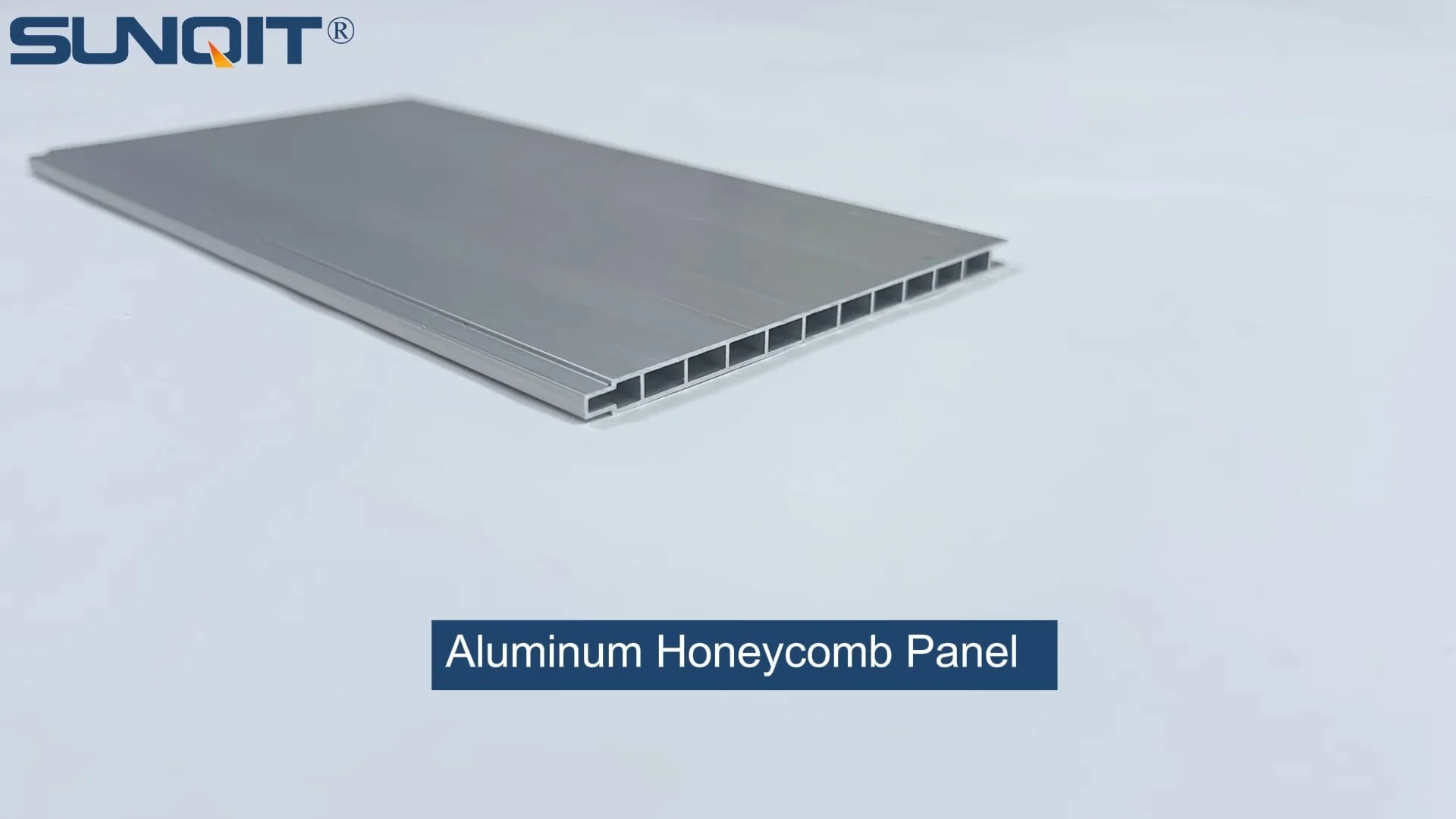
Aluminum Honeycomb Panel
Aluminum honeycomb panel used as table top, side wall, it is connected one pcs by one pcs from the side slot to make a full pieces.This panel width 105mm, 55mm, 35mm are optional for slection.
Walk into any modern automotive manufacturing plant, and you'll be struck by a symphony of precision: robots assembling engines, conveyor belts gliding with parts, and workers hunched over workbenches, piecing together components with meticulous care. What you might not immediately notice, though, is the unsung infrastructure holding it all together—the surfaces, frames, and structures that make this orchestration possible. Among these, aluminum honeycomb panels have emerged as a quiet powerhouse, offering a unique blend of strength, lightness, and versatility that's reshaping how automotive parts are produced. But here's the catch: in an industry where no two assembly lines, part sizes, or production goals are alike, "one-size-fits-all" panels simply won't cut it. That's where customization comes in. By tailoring aluminum honeycomb panels to the specific needs of automotive parts production, manufacturers are unlocking new levels of efficiency, safety, and adaptability. Let's dive into how this customization works, why it matters, and how it's transforming the automotive manufacturing floor.
The Automotive Production Challenge: Why Generic Solutions Fall Short
Automotive manufacturing is a world of extremes. On one hand, you have massive, heavy components like engine blocks and chassis parts; on the other, delicate electronics, intricate interior trim, and sensitive battery modules for electric vehicles. Each of these requires a different approach to handling, assembly, and storage. A workbench designed for assembling door handles, for example, needs a smooth, scratch-resistant surface to avoid damaging finishes. A conveyor bed transporting engine parts, by contrast, must withstand heavy loads without warping. And in areas where workers stand for hours, ergonomics—like the height and stability of work surfaces—directly impact productivity and injury rates.
Generic panels and work surfaces often miss the mark. A standard steel workbench might be strong enough for heavy parts but is so heavy itself that repositioning it (a common need in flexible manufacturing) becomes a Herculean task. A generic wooden panel might be lightweight but lacks the durability to stand up to daily wear, chemicals, or moisture in a factory setting. Even off-the-shelf aluminum panels, while better than some alternatives, rarely account for the unique dimensions of a specific assembly line or the exact load requirements of a particular part. The result? Wasted space, inefficient workflows, increased risk of damage to parts or workers, and ultimately, higher costs.
This is where aluminum honeycomb panel customization steps in. By designing panels that fit the exact needs of a production line—whether that's size, strength, surface texture, or integration with other systems—manufacturers can turn their infrastructure from a limiting factor into a competitive advantage. Let's start by understanding what makes aluminum honeycomb panels so well-suited for this role in the first place.
Aluminum Honeycomb Panels: The Material Behind the Magic
At first glance, an aluminum honeycomb panel might look like any other flat sheet of metal. But peek under the surface (literally), and you'll discover a design inspired by nature's own engineering: a hexagonal honeycomb core sandwiched between two thin aluminum sheets. This structure is what gives the panels their remarkable properties. The honeycomb core distributes weight evenly across the panel, while the outer aluminum layers provide rigidity and protection. The result? A material that's lightweight (often up to 70% lighter than solid aluminum of the same thickness) but incredibly strong—able to withstand heavy loads without bending or breaking.
Why aluminum, specifically? For automotive manufacturing, the answer lies in three key benefits: corrosion resistance, recyclability, and versatility. Unlike steel, aluminum doesn't rust, making it ideal for factory environments where spills, humidity, or chemicals are common. It's also 100% recyclable, aligning with the automotive industry's growing focus on sustainability and reducing carbon footprints. And because aluminum is malleable, it can be easily shaped, cut, and finished to meet custom requirements—something that's critical for tailored production solutions.
But perhaps the biggest advantage of aluminum honeycomb panels is their strength-to-weight ratio. In automotive plants, where equipment is often moved, reconfigured, or adjusted to accommodate new models or production runs, lightweight materials are a game-changer. A workbench top made from a honeycomb panel, for example, can be just as strong as a solid steel top but weighs half as much, making it easier to adjust height or reposition without heavy machinery. Similarly, conveyor beds built with these panels reduce the load on motors, cutting energy costs and extending equipment life. For parts that need to be manually handled—like interior trim pieces—lighter work surfaces also reduce strain on workers, lowering the risk of fatigue and injury.

Customization: Crafting Panels That Fit Your Production Puzzle
The real power of aluminum honeycomb panels in automotive manufacturing lies not just in their inherent properties, but in how they can be customized to solve specific problems. Let's break down the key customization options and how they impact day-to-day production.
Size and Shape: No More "Close Enough"
One of the most basic but critical customization needs is size. Automotive production lines come in all configurations: some assemble compact cars with small parts, others handle trucks with massive components. A workbench for assembling dashboard electronics, for example, might need to be 6 feet long and 3 feet wide to accommodate tools, parts bins, and a computer screen. A conveyor bed for transporting axles, by contrast, could require a panel 20 feet long and 2 feet wide, with cutouts to fit around conveyor rollers.
Off-the-shelf panels rarely come in these exact dimensions, forcing manufacturers to either settle for a size that's too big (wasting space) or too small (limiting functionality). Custom aluminum honeycomb panels eliminate this compromise. Using advanced cutting technologies like CNC machining, suppliers can precision-cut panels to within fractions of an inch, ensuring they fit perfectly into existing frames, workbenches, or conveyor systems. This level of accuracy also reduces installation time—no more trimming on-site or jury-rigging solutions to make a panel fit. For example, a Tier 1 supplier we worked with recently needed panels for a new electric vehicle (EV) battery assembly line. The battery trays measured 48 inches by 36 inches, and the workbenches had to align exactly with conveyor rails. By custom-cutting panels to this size, we eliminated gaps between the workbench and conveyor, preventing parts from getting stuck or damaged during transfer.
Thickness and Density: Balancing Strength and Weight
Not all automotive parts are created equal, and neither should the panels that support them. A panel used as a shelf for storing small screws and bolts doesn't need the same strength as one holding a 500-pound engine block. Customization allows manufacturers to adjust two key factors here: panel thickness and honeycomb core density.
Thickness refers to the total depth of the panel (core + outer sheets), while core density is the number of honeycomb cells per square inch (a higher density means more strength). For lightweight applications—like a workbench top for interior fabric installation—a panel might be 0.5 inches thick with a low-density core. For heavy-duty use, such as a material rack shelf for transmissions, a 2-inch-thick panel with a high-density core would be more appropriate. Suppliers can even create panels with varying thicknesses in different sections (known as "tapered" panels) for specialized needs, like a conveyor bed that's thicker in the middle (where the load is heaviest) and thinner at the edges (to reduce overall weight).
This balance of strength and weight is especially critical in lean manufacturing systems, where every pound saved translates to lower energy costs, faster setup times, and more flexibility. A leading automotive manufacturer we partnered with recently replaced solid steel shelves in their material racks with custom honeycomb panels. By matching the panel thickness and core density to the weight of the parts stored (e.g., 1-inch panels for brake components, 1.5-inch panels for suspension parts), they reduced the total weight of each rack by 40%. This not only made the racks easier to move during line reconfigurations but also allowed them to install more racks in the same space, increasing storage capacity without expanding the factory footprint.
Surface Treatments: Protecting Parts and Workers Alike
The surface of an aluminum honeycomb panel might seem like an afterthought, but in automotive manufacturing, it can make or break part quality. A rough surface, for example, could scratch delicate paint finishes on exterior panels. A slippery surface might cause tools or small parts to slide off workbenches. And in areas where electronics are assembled—like EV battery packs or infotainment systems—static electricity can damage sensitive components.
Custom surface treatments address these issues head-on. Here are a few common options and their applications:
- Anodizing: This electrochemical process creates a hard, protective layer on the aluminum surface, making it scratch-resistant and easier to clean. It's ideal for workbenches used in assembly lines where tools are frequently set down or parts are dragged across the surface.
- ESD Coating: For electronics assembly areas, panels can be coated with a conductive material that dissipates static electricity, preventing electrostatic discharge (ESD) from damaging circuit boards, sensors, or battery cells. This is a must-have for EV production lines, where even a small static charge can ruin a $500 battery module.
- Non-Slip Texturing: Adding a textured finish (like a diamond plate pattern) to panels increases friction, reducing the risk of parts or tools sliding off workbenches. This is particularly useful in areas where workers stand or lean on the panels, as it also improves traction and safety.
- Color Matching: While purely aesthetic, color-matching panels to a factory's color-coding system (e.g., blue for assembly, red for quality control) can improve organization and reduce errors. For example, a supplier we worked with color-matched panels to their client's brand colors, creating a more cohesive and professional-looking production line.
Edge Finishes: Safety and Durability in Every Detail
In a busy factory, sharp edges on panels are more than just a nuisance—they're a safety hazard. Workers moving parts, leaning over workbenches, or adjusting equipment can easily cut themselves on unfinished panel edges. Custom edge finishes eliminate this risk while also improving durability.
Common edge treatments include:
- Rounded Edges: Using a router or specialized tool, edges can be rounded to a smooth curve, reducing the risk of cuts. This is standard for workbench tops and any panel that workers interact with directly.
- Aluminum Extrusion Edging: For panels that need extra reinforcement (e.g., those used as conveyor sides or material rack dividers), aluminum extrusion profiles can be attached to the edges. These profiles add strength and prevent the core from being exposed to moisture or debris.
- Rubber Gaskets: In areas where panels meet (like between workbench sections), rubber gaskets can be added to edges to reduce noise, prevent parts from getting stuck in gaps, and create a seamless surface.

Integration with Automotive Production Systems: Making Panels Part of the Bigger Picture
A custom aluminum honeycomb panel is most effective when it works in harmony with the other systems on the production floor. In automotive manufacturing, this means integrating with everything from aluminum profile frames to lean manufacturing systems and conveyor belts. Let's explore how these integrations work and the benefits they bring.
Aluminum Profiles: The Backbone of Modular Systems
Aluminum profiles—those T-slot frames you see supporting workbenches, racks, and conveyor systems—are the building blocks of modern factory infrastructure. They're lightweight, strong, and infinitely configurable, thanks to accessories like brackets, connectors, and fasteners. Custom aluminum honeycomb panels pair perfectly with these profiles, creating modular setups that can adapt as production needs change.
The key here is compatibility. Custom panels can be designed with pre-drilled holes or slots that align with the T-slots in aluminum profiles, making installation a breeze. For example, a workbench frame built with 40x40mm aluminum profiles can have a honeycomb panel top with holes spaced exactly 50mm apart (matching the T-slot spacing), allowing workers to attach tools, lights, or parts bins directly to the panel using T-slot bolts. This level of integration eliminates the need for adhesives or welding, making it easy to swap out panels if they get damaged or if production requirements change.
One automotive parts manufacturer we worked with took this modularity a step further. They needed a system that could quickly switch between assembling door handles for sedans and SUVs, which have different dimensions. By using custom honeycomb panels mounted on aluminum profile frames with quick-release brackets, they could swap out workbench tops in under 10 minutes, reducing changeover time by 75% compared to their old, fixed workbenches.
Lean Systems: Streamlining Workflow with Purpose-Built Panels
Lean manufacturing is all about eliminating waste—whether that's wasted time, space, or effort. Custom aluminum honeycomb panels play a key role in supporting lean principles by ensuring every inch of the production floor is used efficiently.
For example, in a traditional "push" production system, parts are often stored in generic racks that take up more space than needed. With custom panels, manufacturers can design material racks that fit the exact size of the parts being stored. A rack for storing steering wheels, for instance, can have panels with cutouts shaped like the wheels themselves, preventing them from rolling around and reducing the number of wheels that fit in a given space. This not only saves floor space but also makes it easier for workers to grab the right part quickly, reducing picking errors.
Another lean application is in "5S" organization (Sort, Set in Order, Shine, Standardize, Sustain). Custom panels can be color-coded, labeled, or have built-in dividers to separate tools, parts, and waste, making it clear where everything belongs. A workbench top with designated zones for tools (blue panel section), parts (green), and trash (red) helps workers maintain organization, reducing time spent searching for items and keeping the workspace clean.
Conveyors: Smoother, Lighter, More Efficient Material Flow
Conveyors are the arteries of automotive production lines, moving parts from one station to the next. The surfaces of these conveyors—whether they're belt, roller, or chain-driven—need to be durable enough to handle constant use but light enough to keep energy costs low. Custom aluminum honeycomb panels are an ideal solution here.
For roller conveyors, panels can be used as side guides to keep parts centered, preventing jams. These guides can be custom-cut to match the height and width of the parts being transported—taller for larger items like seats, shorter for small components like screws. For belt conveyors, honeycomb panels can serve as the bed beneath the belt, providing a smooth, rigid surface that reduces belt wear and ensures parts move evenly.
Perhaps the biggest advantage, though, is weight reduction. A conveyor bed made with honeycomb panels weighs significantly less than one made with solid steel, which means the conveyor motor doesn't have to work as hard. This not only cuts energy consumption but also extends the life of the motor and reduces maintenance costs. A large automotive OEM we partnered with recently upgraded their main assembly line conveyors with custom honeycomb panels. The result? A 15% reduction in energy use for those conveyors and a 30% decrease in maintenance calls related to motor burnout.
Case Study: How Custom Panels Transformed an EV Battery Production Line
To put all this into perspective, let's look at a real-world example of how custom aluminum honeycomb panels revolutionized an EV battery production line for a mid-sized automotive manufacturer. The challenge? The client was ramping up production of a new battery module but struggling with three key issues: frequent ESD damage to battery cells, inefficient use of workspace, and heavy workbenches that were difficult to reconfigure for different battery sizes.
**The Solution:** We worked closely with their team to design a suite of custom panels tailored to their specific needs:
- ESD-Coated Workbench Tops: Battery cells are extremely sensitive to static electricity, so we coated all workbench panels with a conductive ESD finish that dissipates static charges. The panels were also cut to exact dimensions (48x36 inches) to fit their existing aluminum profile workbench frames, ensuring a seamless installation.
- Custom-Sized Material Racks: The battery modules came in two sizes: standard (for sedans) and long-range (for SUVs). We designed material racks with panels that had slots sized for each module type, allowing workers to stack modules vertically without damaging them. This doubled the storage capacity of their existing rack space.
- Lightweight Conveyor Side Guides: Their conveyor system was struggling to keep up with the weight of standard steel side guides. We replaced these with 0.5-inch-thick honeycomb panels, reducing the total weight of the conveyor by 40%. This not only made the conveyor easier to adjust but also cut energy use by 12%.
**The Results:** Within three months of installation, the client saw a 90% reduction in ESD-related battery cell damage, a 25% increase in workspace efficiency, and a 15% improvement in production line speed. Perhaps most importantly, the modular design of the panels allowed them to quickly reconfigure the line when they introduced a third battery size six months later—saving them the cost of purchasing entirely new equipment.
Choosing the Right Customization Partner: What to Look For
Custom aluminum honeycomb panels are only as effective as the supplier who designs and manufactures them. To ensure you get panels that truly meet your needs, look for a partner with the following qualities:
- Experience in Automotive Manufacturing: The automotive industry has unique requirements (e.g., ISO/TS 16949 certification, ESD standards, durability needs). A supplier who understands these nuances will be better equipped to design panels that meet your specific compliance and performance needs.
- Advanced Manufacturing Capabilities: Look for suppliers with CNC cutting, precision machining, and custom finishing capabilities. These technologies ensure panels are accurate, consistent, and meet tight tolerances.
- Collaborative Design Process: Customization isn't a one-way street. The best suppliers will work with your team to understand your production challenges, offer design suggestions, and iterate on prototypes until the panels are perfect.
- Quality Control: Ask about their quality control processes, including material testing, dimensional checks, and finish inspections. Panels should come with a warranty and certification of compliance with industry standards.
- Flexible Lead Times: Automotive production schedules are tight. Choose a supplier who can deliver custom panels within your timeline, even for rush orders.
The Future of Custom Aluminum Honeycomb Panels in Automotive Manufacturing
As automotive manufacturing continues to evolve—with trends like electrification, automation, and modular production— the demand for custom aluminum honeycomb panels will only grow. Here are a few emerging trends to watch:
- Smart Panels: Integration of sensors into panels to monitor load, temperature, or vibration. For example, a workbench panel with built-in load sensors could alert workers if a part is too heavy, preventing damage. Temperature sensors in conveyor panels could detect overheating bearings before they fail.
- Sustainable Materials: Suppliers are experimenting with recycled aluminum in honeycomb cores and bio-based coatings, further reducing the environmental impact of panels.
- 3D Printing for Prototyping: 3D printing will allow suppliers to quickly create prototypes of custom panels, reducing design iteration time from weeks to days.
- Self-Healing Finishes: New coatings that can repair minor scratches or dents automatically, extending panel life and reducing maintenance costs.
Conclusion: Your Production Line, Perfectly Fitted
In the fast-paced world of automotive manufacturing, every detail matters. Custom aluminum honeycomb panels aren't just another piece of equipment—they're a strategic tool that can transform your production line from a collection of generic parts into a streamlined, efficient, and adaptable system. By tailoring size, thickness, surface treatments, and integration to your specific needs, you can reduce waste, improve safety, boost productivity, and stay ahead of the competition.
The key is to view customization not as an added expense, but as an investment in your operation's long-term success. Whether you're assembling EV batteries, interior trim, or heavy engine components, the right custom panels can turn challenges into opportunities. So, take a close look at your production line: where are the inefficiencies? Where are the bottlenecks? Chances are, a custom aluminum honeycomb panel solution is waiting to solve them.