- Company Articles
- Products and Technology
- Product knowledge
- Aluminum Honeycomb Panel Edge Treatments: Enhancing Durability in High-Traffic Areas

Aluminum Honeycomb Panel Edge Treatments: Enhancing Durability in High-Traffic Areas
Related Product
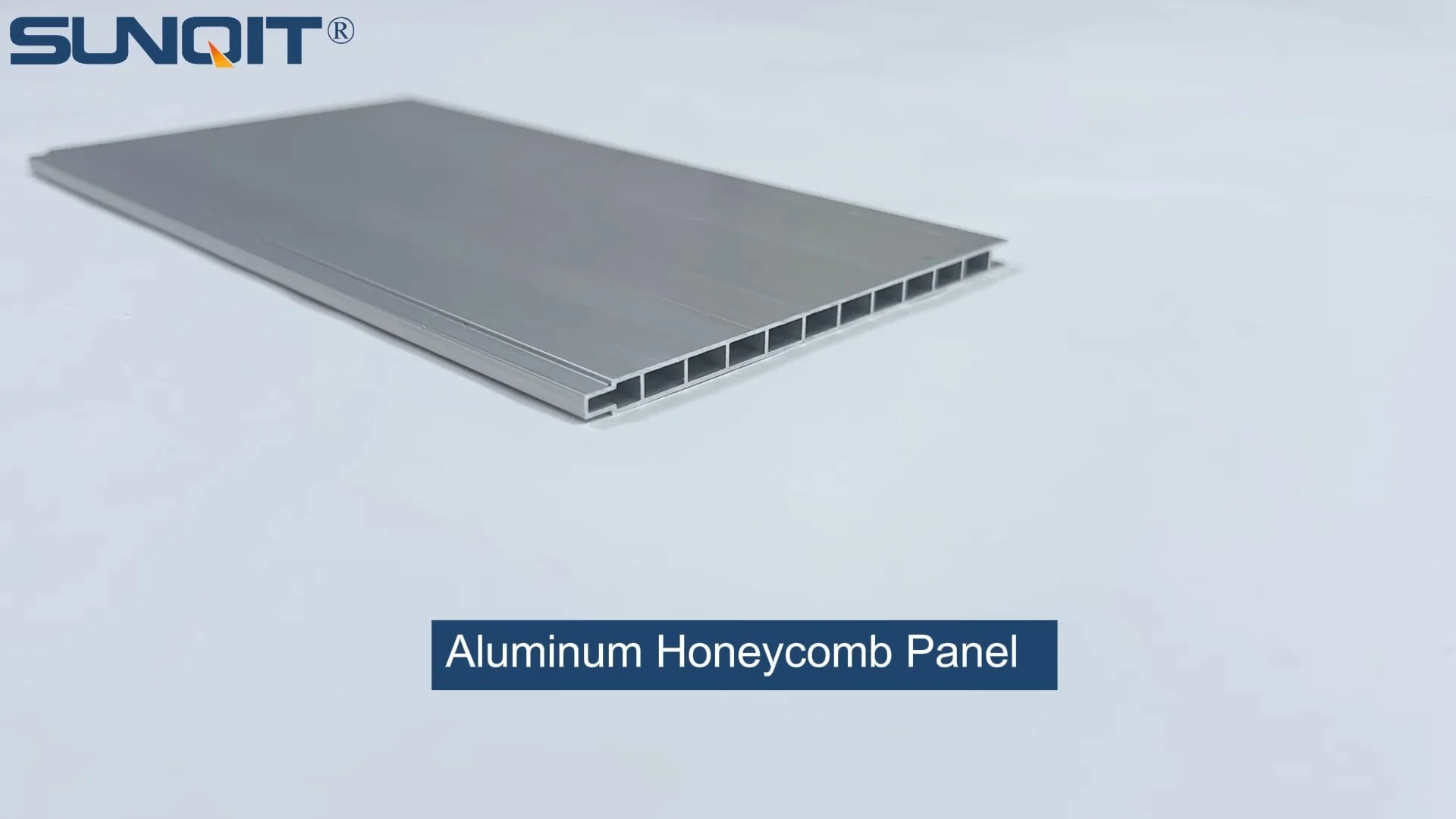
Aluminum Honeycomb Panel
Aluminum honeycomb panel used as table top, side wall, it is connected one pcs by one pcs from the side slot to make a full pieces.This panel width 105mm, 55mm, 35mm are optional for slection.
Walk into any busy airport terminal, shopping mall, or hotel lobby, and you'll likely be surrounded by sleek, modern surfaces that catch the eye. Many of these surfaces—wall claddings, ceiling panels, even furniture—are made from aluminum honeycomb panels. Lightweight yet surprisingly strong, they're a favorite for designers aiming to balance aesthetics and functionality. But here's the thing: in these high-traffic spaces, where luggage bumps against walls, carts scrape corners, and thousands of people pass through daily, one part of these panels takes more abuse than any other: the edges. Over time, unprotected edges chip, crack, or delaminate, turning a crisp, professional look into something worn and unpolished. That's where edge treatments come in. In this article, we'll dive into why edge treatments matter, explore the methods that work best in busy environments, and how the right combination of aluminum profile, extrusion techniques, and accessories can turn vulnerable edges into long-lasting, damage-resistant barriers.
What Are Aluminum Honeycomb Panels, Anyway?
Before we get into edges, let's make sure we're all on the same page about the panels themselves. Aluminum honeycomb panels are a sandwich structure: two thin aluminum sheets (skins) bonded to a central core shaped like a honeycomb. This design is genius—think of a beehive's natural strength. The honeycomb core distributes weight evenly, making the panel incredibly rigid without adding bulk. That's why they're everywhere: from building facades to furniture, train interiors to retail displays. They're lightweight (great for reducing structural load), fire-resistant, and can be finished in endless colors or textures. But here's the catch: while the skins and core are tough, the edges? They're the weak spot. Unlike solid aluminum sheets, honeycomb panels have exposed core material at the edges, making them prone to dents, scratches, and moisture intrusion if not properly protected.
Why Edge Treatments Are Non-Negotiable in High-Traffic Areas
Imagine a busy subway station. Every day, commuters rush through, dragging bags, bumping into walls, and leaning against surfaces. If the aluminum honeycomb wall panels there had untreated edges, within months you'd start seeing damage: small cracks where bags hit, peeling skins from moisture seeping into the core, or even sharp, jagged edges that pose a safety risk. In high-traffic areas, edges aren't just about looks—they're about longevity, safety, and cost. A panel with a damaged edge doesn't just look bad; it can compromise the entire panel's integrity. Moisture that seeps into the honeycomb core can cause delamination (the skins separating from the core), and sharp edges can snag clothing or even cut hands. Over time, replacing or repairing damaged panels becomes a costly hassle. Edge treatments aren't an afterthought—they're the first line of defense.
But not all edge treatments are created equal. In low-traffic areas, a simple adhesive tape might suffice. But in spaces where abuse is constant, you need something tougher. That's where materials like aluminum profile and aluminum extrusion profile come into play. These rigid, customizable solutions not only protect the edge but also add structural support, ensuring the panel holds up against daily wear and tear.

Exploring Edge Treatment Methods: From Basics to Advanced
When it comes to protecting aluminum honeycomb panel edges, there's no one-size-fits-all solution. The best method depends on the level of traffic, the panel's use (wall, ceiling, furniture), and the desired aesthetic. Let's break down the most effective options, focusing on those built for high-traffic durability.
1. Mechanical Edge Banding with Aluminum Profile
Think of this as giving the panel a "protective frame" along its edge. Aluminum profile—pre-cut, shaped lengths of aluminum—is attached to the panel's edge using screws, rivets, or structural adhesives. The profile acts as a barrier, absorbing impacts and preventing direct contact with the honeycomb core. What makes aluminum profile ideal here is its rigidity and malleability. Manufacturers can shape it into various profiles (L-shape, U-shape, round edge) to match the panel's design. For example, a U-shaped profile wraps around the edge like a sleeve, covering the top, bottom, and side of the panel's edge. This is especially useful for panels that stick out, like counter edges or shelf fronts, where impacts are common.
Installation is straightforward: the profile is cut to the panel's length, then secured with fasteners or adhesive. For extra strength, some installers use both—adhesive for a tight bond and screws for mechanical reinforcement. The result? A clean, finished look that adds durability without sacrificing style. Plus, aluminum profile can be powder-coated or anodized to match the panel's color, so it blends seamlessly.
2. Extruded Aluminum Edge Trim (Aluminum Extrusion Profile)
If you need a custom fit, aluminum extrusion profile is the way to go. Extrusion is a manufacturing process where aluminum is forced through a die to create complex, uniform shapes. This means you can design edge trims that perfectly match the panel's thickness, edge angle, and even include features like channels for wiring or gaskets for soundproofing. In high-traffic areas, this level of customization is a game-changer. For example, a rounded extrusion profile can soften sharp edges, reducing the risk of bumps and scrapes, while a flanged design can anchor the panel more securely to a wall or frame.
Extruded trims are also incredibly strong. The extrusion process aligns the aluminum's grain, making the trim resistant to bending or warping under stress. In spaces like hospital corridors, where carts and stretchers are constantly rolling by, an extruded aluminum edge trim can take repeated impacts without deforming. And because they're made from aluminum, they're lightweight enough not to add extra load to the panel—critical for ceiling or overhead applications.
3. Reinforced Adhesive Bonding with Aluminum Profile Accessories
Sometimes, the edge treatment needs a little extra help to stay put. That's where aluminum profile accessories come in. These small but mighty components—corner brackets, end caps, and connector clips—reinforce the bond between the edge treatment and the panel. For example, when using aluminum profile edge banding, adding corner brackets at the panel's corners prevents the profile from lifting or separating over time. Similarly, end caps seal the exposed ends of the profile, keeping out dust and moisture.
Accessories also add versatility. Let's say you're installing aluminum honeycomb panels as wall cladding in a mall. The panels need to expand and contract slightly with temperature changes—if the edge treatment is too rigid, it could crack. Using flexible connector clips (a type of aluminum profile accessory) allows the profile to move with the panel, preventing stress cracks. It's these small details that make the difference between a treatment that lasts a year and one that lasts a decade.
4. Welding and Seam Sealing (For Heavy-Duty Applications)
In industrial settings—warehouses, factories, or transit hubs where abuse is extreme—even aluminum profile might need backup. Welding the edge treatment directly to the panel's aluminum skin creates a permanent, almost unbreakable bond. After welding, the seam is ground smooth and sealed with a waterproof sealant to prevent corrosion. This method is overkill for most commercial spaces, but in environments with heavy machinery or constant impact, it's worth the extra effort.

Comparing Edge Treatment Options: Which Is Right for Your Space?
To help you decide, let's compare the most popular high-traffic edge treatments side by side. This table breaks down durability, cost, installation complexity, and best-use scenarios.
| Treatment Method | Durability (1-10) | Cost (1-10, 10=Highest) | Installation Complexity | Best For |
|---|---|---|---|---|
| Aluminum Profile Edge Banding | 8 | 5 | Moderate (requires cutting, fastening) | Retail walls, hotel lobbies, furniture edges |
| Extruded Aluminum Edge Trim | 9 | 7 | Custom (needs extrusion die, professional installation) | Airport terminals, subway stations, high-impact walls |
| Adhesive + Aluminum Profile Accessories | 7 | 4 | Easy to Moderate (adhesive application + accessory attachment) | Office partitions, low-to-medium traffic walls |
| Welded Seam Sealing | 10 | 9 | High (requires welding expertise) | Industrial warehouses, factory floors, heavy machinery surrounds |
As you can see, extruded aluminum edge trim (using aluminum extrusion profile) scores highest for durability, making it a top choice for the busiest spaces. Aluminum profile edge banding, on the other hand, offers a great balance of cost and performance for most commercial settings. The key is to match the treatment to the traffic—don't skimp on protection if your space sees constant use.
Real-World Success: Case Studies in High-Traffic Durability
Numbers and specs are helpful, but nothing beats seeing edge treatments in action. Let's look at two case studies where the right edge treatment made all the difference.
Case Study 1: International Airport Terminal Renovation
A major international airport was renovating its departure hall, replacing outdated wall claddings with aluminum honeycomb panels. The goal was a modern, bright look that could handle the 50,000+ passengers passing through daily. The design team chose 12mm-thick honeycomb panels with a matte white finish. For edge protection, they opted for extruded aluminum edge trim (aluminum extrusion profile) in a matching white color. The trim was U-shaped, wrapping around the panel's edge and secured with structural adhesive and aluminum profile accessories (corner brackets at every joint).
Two years later, the panels still look brand new. Despite countless luggage bumps, cart scrapes, and even the occasional wayward stroller, the edges show no signs of damage. The airport's maintenance team reports zero delamination issues, and the trim has held up to cleaning with harsh disinfectants (a must during peak travel seasons). "We were worried about constant wear, but the edge trim has exceeded our expectations," says the terminal's facilities manager. "It's saved us from costly repairs and kept the space looking polished."
Case Study 2: Urban Shopping Mall Food Court
A bustling downtown mall wanted to upgrade its food court with new seating and serving counters. The counters were designed using aluminum honeycomb panels for their lightweight, heat-resistant properties (important near grills and fryers). The challenge? Food court counters take a beating: spilled drinks, dropped utensils, and constant wiping. The design team chose aluminum profile edge banding—L-shaped, 6mm thick—with a brushed aluminum finish to complement the counter's design. They reinforced the banding with aluminum profile accessories (end caps and adhesive-backed sealant strips) to prevent liquid from seeping into the edges.
After 18 months, the counters show minimal wear. The edge banding has resisted dents from dropped trays, and the sealant strips have kept spills from damaging the honeycomb core. "We expected to replace counter edges every 6-12 months, like we did with our old laminate counters," says the mall's operations director. "With the aluminum profile edge treatment, we haven't had to replace a single edge. It's been a huge cost-saver."
Maintenance Tips: Keeping Edges Strong for Years
Even the toughest edge treatments need a little care to stay in top shape. Here are simple maintenance tips to extend their life:
- Regular Cleaning: Wipe edges with a soft cloth and mild detergent to remove dirt and grime. Avoid abrasive cleaners that can scratch anodized or powder-coated finishes.
- Inspect for Damage: Every few months, check edges for loose fasteners, cracks in the trim, or peeling adhesive. Tighten screws or reapply adhesive at the first sign of wear—small issues become big problems fast.
- Address Spills Quickly: In food service or wet areas, wipe up spills immediately. Even with sealant, prolonged exposure to liquids can weaken adhesives over time.
- replace Accessories as Needed: Aluminum profile accessories like end caps or brackets are inexpensive and easy to replace. If one breaks or comes loose, swap it out to prevent damage to the edge trim itself.
Conclusion: Edge Treatments—The Unsung Heroes of High-Traffic Design
Aluminum honeycomb panels are a marvel of modern design—lightweight, strong, and endlessly versatile. But in high-traffic areas, their true potential relies on one often-overlooked detail: edge treatments. From aluminum profile banding to custom extruded trim, these solutions don't just protect the panel—they ensure it stands the test of time, even in the busiest spaces. By investing in durable edge treatments, designers and facility managers save money on repairs, enhance safety, and keep spaces looking their best for years to come.
So the next time you walk through an airport, mall, or hotel, take a closer look at those sleek walls and counters. Chances are, there's an aluminum honeycomb panel behind the finish—with an edge treatment working hard to keep it looking sharp. It's not glamorous work, but it's essential. After all, in design, as in life, the strongest structures are only as good as their weakest edge.