- Company Articles
- Products and Technology
- Installation And Maintenance
- Aluminum Honeycomb Panel Maintenance: How to Extend Lifespan in Industrial Environments

Aluminum Honeycomb Panel Maintenance: How to Extend Lifespan in Industrial Environments
Related Product
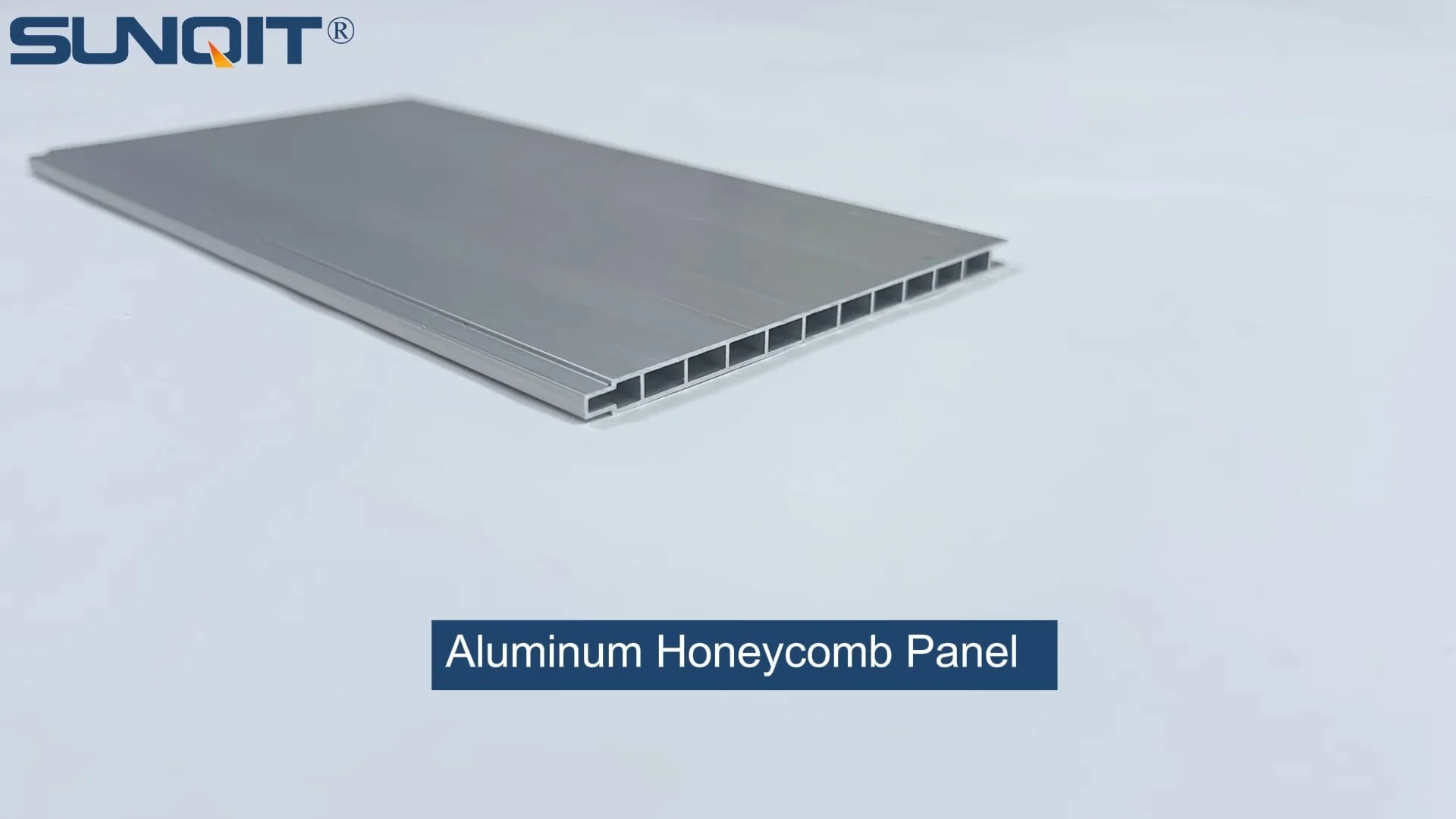
Aluminum Honeycomb Panel
Aluminum honeycomb panel used as table top, side wall, it is connected one pcs by one pcs from the side slot to make a full pieces.This panel width 105mm, 55mm, 35mm are optional for slection.
Why Aluminum Honeycomb Panels Matter in Industrial Spaces
Walk through any modern manufacturing facility, warehouse, or assembly plant, and you'll likely encounter a unsung hero of industrial design: the aluminum honeycomb panel. These panels quietly power the backbone of efficient operations, showing up in workbenches where precision assemblies happen, in material racks that keep components organized, and even in lean system setups that streamline production flows. What makes them so indispensable? It's their unique blend of strength and lightness—they're tough enough to withstand the daily grind of industrial work but light enough to keep structures like turnover trolleys and workbenches maneuverable. Add in their resistance to corrosion and adaptability to custom configurations, and it's clear why they've become a staple in environments where durability and efficiency can't be compromised.
But here's the thing: even the most robust materials need a little care. An aluminum honeycomb panel isn't a "set it and forget it" solution. In industrial settings—where spills, heavy tools, and constant motion are par for the course—these panels face daily threats that can chip away at their lifespan. A small scratch here, a missed spill there, or a loose connection to an aluminum profile might seem minor at first, but over time, they can turn a reliable work surface into a liability. The good news? With the right maintenance habits, you can significantly extend the life of your aluminum honeycomb panels, keeping them functional, safe, and cost-effective for years to come. Let's dive into how.
Understanding Your Aluminum Honeycomb Panel: What Makes It Tick?
Before we jump into maintenance, let's take a quick look at what makes aluminum honeycomb panels tick. At first glance, they might seem like simple sheets of metal, but their magic lies in their construction. Picture a sandwich: two thin, sturdy aluminum skins (often made from aluminum extrusion profile for added strength) bonded to a central honeycomb core—usually made of aluminum or sometimes paper, though industrial-grade panels lean toward aluminum for durability. This core isn't just for show; its hexagonal structure distributes weight evenly across the panel, giving it impressive load-bearing capacity without adding bulk. The bonding agent that holds it all together? That's the glue (literally) that ensures the skins and core act as a single, unified structure.
Why does this matter for maintenance? Because each component has its own vulnerabilities. The aluminum skins, for example, are resistant to rust but can scratch or dent if mishandled. The honeycomb core, while strong, can trap moisture if the edges are damaged, leading to internal corrosion. And the bonding agent? It can weaken under extreme temperatures or prolonged exposure to harsh chemicals. Knowing these weak points helps you target your maintenance efforts where they'll have the biggest impact.
Pro Tip: Check the manufacturer's specs for your specific panel. Some aluminum honeycomb panels are designed with extra-thick skins for heavy-duty use, while others prioritize flexibility. This info will guide your maintenance routine—thicker skins might need less frequent scratch checks, for example, but could still require regular cleaning to protect the finish.

Daily Maintenance: Simple Habits That Go a Long Way
The secret to extending your aluminum honeycomb panel's lifespan often lies in the small, consistent actions taken every day. Industrial environments are busy, we get it—but carving out 5-10 minutes for basic upkeep can save you from costly replacements down the line. Let's break down the daily habits that make a difference.
1. Keep It Clean: Dust, Wipe, Repeat
Dust and grime might seem harmless, but they're more insidious than you think. Over time, dust particles can act like tiny abrasives, scratching the aluminum skin when wiped or brushed. Oils from fingerprints, residues from coolants or lubricants, and even food spills (yes, it happens in break areas) can eat away at the panel's protective layer, making it more susceptible to corrosion. The fix? A daily wipe-down with a soft, lint-free cloth—microfiber works best. For heavier residues, dampen the cloth with warm water and a drop of mild dish soap (avoid harsh detergents or solvents like acetone, which can damage the bonding agent). Wipe in the direction of the aluminum grain (if visible) to minimize scratches, and dry immediately to prevent water spots.
2. Handle with Care: It's Strong, Not Indestructible
Aluminum honeycomb panels are tough, but they're not immune to impact. Dropping a heavy wrench, slamming a toolbox lid, or even dragging a sharp-edged component across the surface can create dents, scratches, or—worse—crack the aluminum skin. Once the skin is compromised, moisture and debris can seep into the honeycomb core, leading to internal damage. To prevent this, train your team to treat the panels with care: set tools down gently, use padded mats for heavy equipment, and avoid sliding metal parts directly across the surface. If you're using the panel as part of a workbench, consider adding a removable protective cover (like a rubber mat) for high-impact areas.
3. Inspect, Inspect, Inspect
A quick visual check each day can catch issues before they escalate. Look for signs of trouble like: loose edges where the skin meets the core (a sign the bonding agent might be failing), discoloration (which could mean corrosion is starting), or small cracks in the aluminum surface. Pay extra attention to areas where the panel connects to other components—like aluminum profile frames or roller track systems. Loose bolts or brackets can cause the panel to vibrate, weakening the structure over time. If you spot something off, mark it for repair and address it promptly—don't let it linger.
Your Maintenance Schedule: A Quick Reference
To make daily upkeep easier, we've put together a handy maintenance schedule. Stick to this, and you'll be well on your way to maximizing your panel's lifespan:
| Maintenance Task | Frequency | Tools Needed | What to Watch For |
|---|---|---|---|
| Dust with microfiber cloth | Daily | Microfiber cloth | Buildup in corners or along edges |
| Wipe with mild soap and water | Weekly (or as needed for spills) | Soft sponge, mild detergent, warm water | Oily residues, sticky spots, or discoloration |
| Check for scratches/dents | Daily (during wipe-down) | Gloved hand (to feel for bumps) | Deep scratches, dents, or raised edges |
| Tighten connections to frames/profiles | Monthly | Basic wrench or screwdriver set | Loose bolts, wobbly brackets, or gaps between panel and frame |
| Inspect for delamination (skin separating from core) | Quarterly | Flashlight (to check edges) | Spongy spots when pressed, visible gaps at edges |

Common Threats to Lifespan and How to Defend Against Them
Even with daily care, aluminum honeycomb panels face specific threats in industrial environments. Let's break down the biggest culprits and how to fight back.
1. Corrosion: The Silent Enemy
Aluminum naturally resists corrosion thanks to a thin oxide layer that forms on its surface, but this layer isn't invincible. In environments with high humidity, exposure to salt (near coastal areas), or frequent contact with chemicals (like oils, coolants, or cleaning agents), the oxide layer can break down, leading to rust-like corrosion. You'll notice it as white, powdery spots or pitting on the aluminum skin. To prevent this: avoid leaving chemical spills unattended (wipe them immediately), rinse with clean water after using soap, and consider applying a thin coat of automotive wax (yes, really!) to high-exposure panels—this adds an extra protective barrier. If you spot corrosion early, gently scrub the area with a soft brush and baking soda paste (1 part baking soda to 2 parts water), then rinse and dry thoroughly.
2. Scratches and Dents: More Than Just Cosmetic
A small scratch might seem like a purely aesthetic issue, but it's actually a gateway for moisture and debris. Once the aluminum skin is scratched, the honeycomb core is exposed, and that's where problems start. Similarly, dents can weaken the panel's structural integrity, making it less able to bear weight. To minimize scratches: use non-abrasive cleaning tools, avoid dragging sharp objects, and place a protective film (like clear vinyl) on panels used for cutting or assembly work. For minor scratches, buff them out with a metal polish (look for one designed for aluminum) and a soft cloth. Deeper scratches or dents? Consult a professional—they may be able to repair the skin without replacing the entire panel.
3. Bond Failure: When the "Sandwich" Comes Apart
The bonding agent that holds the aluminum skins to the honeycomb core is critical for the panel's strength. If it fails, the panel can delaminate—meaning the skin starts to peel away from the core. This usually happens due to extreme temperatures (like placing a hot object directly on the panel), prolonged exposure to moisture, or repeated impact. Signs of delamination include bubbling, warping, or a spongy feel when you press on the surface. To prevent this: never place hot items (over 150°F/65°C) directly on the panel (use a heat-resistant mat instead), keep panels dry, and avoid overloading them beyond their weight capacity (check the manufacturer's specs!). If delamination starts, stop using the panel immediately—continuing to use it could lead to structural failure.
Long-Term Care: Beyond the Basics
Daily and weekly maintenance will get you far, but for truly long-lasting performance, you need to think about the big picture. Here's how to keep your aluminum honeycomb panels in top shape for the years ahead.
1. Deep Clean Quarterly
Every three months, give your panels a deeper clean. Remove any protective mats or covers, and use a soft-bristle brush to gently dislodge dust from corners and edges. For panels integrated into workbenches or material racks, check the spaces between the panel and the aluminum profile frame—these areas often collect debris. If the panel is removable, take it off and clean both sides (don't forget the back, which can trap moisture). Use a mild degreaser (again, avoid harsh chemicals) for any stubborn residues, then rinse and dry completely before reinstalling.
2. Protect During Downtime
If your facility shuts down for holidays or maintenance, take steps to protect your panels. Cover them with breathable, dust-proof sheets (avoid plastic, which can trap moisture). If the panels are outdoors or in unheated areas, ensure they're dry before covering—freezing temperatures can turn trapped moisture into ice, expanding and damaging the core. For long-term storage, stack panels flat (never on their edges) with padding between them to prevent scratches.
3. Upgrade Worn Components
Aluminum honeycomb panels rarely fail in isolation—they're part of a system. If the aluminum profile frame holding the panel is bent, or the roller track connectors are rusted, the panel will suffer too. Periodically inspect all supporting components and replace worn parts (like loose casters, damaged brackets, or corroded fasteners) promptly. This not only protects the panel but also ensures the entire structure (workbench, rack, or trolley) remains safe and functional.
Integrating with Lean Systems: Maintenance as a Productivity Tool
Here's a thought: maintaining your aluminum honeycomb panels isn't just about extending their lifespan—it's about supporting your lean system goals. Lean manufacturing thrives on efficiency, and a damaged or underperforming panel can throw a wrench into the works. A workbench with a warped panel slows down assembly; a material rack with a corroded panel risks damaging parts; a turnover trolley with a delaminated panel becomes a safety hazard. By keeping your panels in top shape, you reduce downtime, minimize waste (like replacing parts damaged by faulty panels), and keep your production flow smooth.
In fact, many lean systems emphasize "total productive maintenance" (TPM)—the idea that everyone in the facility is responsible for keeping equipment in good working order. By training your team to care for the aluminum honeycomb panels they use daily, you're not just protecting your investment—you're fostering a culture of accountability. When everyone understands that a clean, undamaged panel makes their job easier and safer, maintenance becomes a team effort, not a chore.
Conclusion: Invest in Care, Reap the Rewards
Aluminum honeycomb panels are workhorses of industrial environments, quietly supporting the operations that keep businesses running. They're strong, versatile, and built to last—but they need your help to reach their full potential. By adopting daily cleaning habits, handling with care, inspecting regularly, and addressing issues promptly, you can extend their lifespan by years, saving money on replacements and avoiding costly downtime.
Remember: maintenance isn't a one-time task—it's an ongoing commitment. But the payoff is clear: panels that look better, perform better, and contribute to a safer, more efficient workplace. So the next time you walk past that workbench or material rack, take a moment to give your aluminum honeycomb panel a quick wipe or inspection. It might seem small, but those small actions add up to big results.