- Company Articles
- Products and Technology
- Product knowledge
- Aluminum Honeycomb Panel Surface Treatments: Anodizing vs. Powder Coating

Aluminum Honeycomb Panel Surface Treatments: Anodizing vs. Powder Coating
Related Product
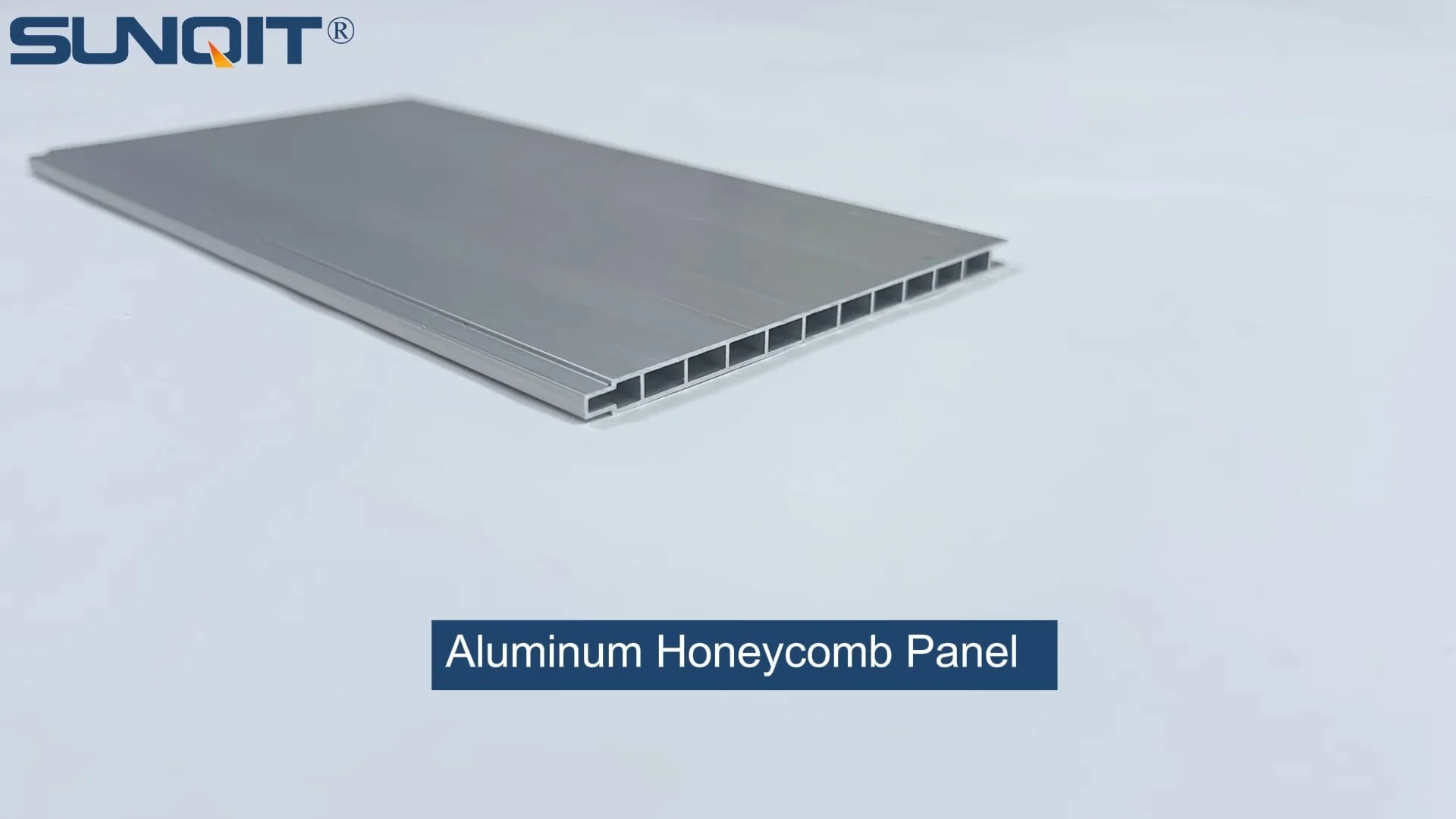
Aluminum Honeycomb Panel
Aluminum honeycomb panel used as table top, side wall, it is connected one pcs by one pcs from the side slot to make a full pieces.This panel width 105mm, 55mm, 35mm are optional for slection.
Walk into a modern airport terminal, run your hand along the sleek walls of a high-end restaurant, or inspect the interior of a luxury yacht—chances are, you're touching an aluminum honeycomb panel. These lightweight yet incredibly strong materials have revolutionized industries from aerospace to interior design, thanks to their impressive strength-to-weight ratio and versatility. But what truly elevates their performance and appeal isn't just their innovative honeycomb core structure; it's the surface treatments that protect, enhance, and extend their lifespan. Today, we're taking a deep dive into two of the most popular finishing techniques: anodizing and powder coating. By the end, you'll understand how each process works, their unique advantages, and how to choose the right one for your project—whether you're building aircraft components or designing custom retail displays.
Understanding Aluminum Honeycomb Panels: More Than Meets the Eye
Before we explore surface treatments, let's unpack what makes aluminum honeycomb panels so special. Imagine a sandwich where the "bread" is two thin sheets of aluminum, and the "filling" is a hexagonal honeycomb core—usually made of aluminum, paper, or fiberglass. This honeycomb structure isn't just for show; it's nature's engineering at its finest. The hexagonal cells distribute weight evenly, resist bending, and use minimal material, resulting in a panel that's up to 80% lighter than solid aluminum but just as strong. It's why these panels are used in everything from airplane floors (where every pound saved reduces fuel costs) to skyscraper facades (where wind resistance and durability are critical).
But their benefits don't stop at strength and weight. Aluminum honeycomb panels also excel at insulation—both thermal (keeping buildings cool in summer and warm in winter) and acoustic (reducing noise in busy offices or hotel lobbies). And since they're made of aluminum, they're inherently resistant to rust. However, to truly maximize their potential—whether for longevity, aesthetics, or specialized performance—surface treatments are essential. Often, these panels are integrated into larger systems using aluminum extrusion profiles, the custom-shaped aluminum rails that form frames, supports, or edges. Think of it like constructing with modular building blocks: the honeycomb panel is the main structure, and the aluminum extrusion profiles are the connectors that hold everything together seamlessly.
Why Surface Treatments Matter: Protection, Performance, and Personality
You might wonder, "If aluminum already resists rust, why add a surface treatment?" While aluminum does form a thin, natural oxide layer (about 5 nanometers thick) that prevents corrosion, this layer is fragile. In harsh environments—coastal areas with salt spray, industrial settings with chemicals, or even outdoor furniture bombarded by UV rays—that natural layer breaks down quickly. Surface treatments like anodizing and powder coating act as armor, thickening that protection to microns (or even millimeters) and adding functional or aesthetic benefits.
Aesthetics play a huge role too. In commercial spaces, the color and texture of aluminum panels can define a brand's identity—imagine a tech startup's office with sleek silver anodized walls versus a children's museum with bright blue powder-coated displays. Surface treatments also impact usability: a rough, textured finish might improve grip on industrial workbenches, while a smooth, glossy finish could make hospital walls easier to sanitize. Even aluminum profile accessories—brackets, connectors, or edge trims—often receive the same treatment as the panels they support, ensuring consistency in both look and performance.

Anodizing: The Electrochemical Transformation
How Anodizing Works: Turning Aluminum Into Its Own Shield
Anodizing isn't just a coating—it's a metamorphosis. Unlike paint or powder coating, which add a layer on top of the metal, anodizing changes the aluminum's surface at a molecular level. Here's a step-by-step breakdown of the process:
1. Cleaning: First, the aluminum honeycomb panel is stripped of oils, dirt, or factory residues. This usually involves a soak in a mild alkaline solution, followed by a rinse to ensure the surface is spotless—think of it as prepping a canvas before painting.
2. Etching: Next, the panel is etched to remove any remaining impurities and create a uniform texture. A dip in nitric or phosphoric acid gently dissolves the top layer of aluminum, leaving tiny pores that help the anodizing layer adhere later.
3. Anodizing Bath: Now, the magic happens. The panel is submerged in an electrolytic solution (typically sulfuric acid) and connected to a positive electrical terminal (making it the "anode"). A cathode (often a lead plate) is also placed in the bath. When electricity flows, oxygen ions from the acid react with the aluminum, forming a thick layer of aluminum oxide (Al₂O₃). This layer grows both outward (from the surface) and inward (into the metal), creating a bond so strong it can't peel or chip.
4. Sealing: Finally, the panel is sealed to close the oxide layer's pores. Dipping it in hot water or a nickel acetate solution causes the oxide to expand, plugging the pores and locking in color (if dyed). Sealing is critical—it boosts corrosion resistance and ensures the finish lasts.
The Advantages of Anodizing: Why It's a Staple in Industrial Design
Anodizing has been trusted for over a century, and for good reason. Its benefits make it indispensable in applications where durability is non-negotiable:
Unbreakable Bond: Since the anodized layer is part of the aluminum itself, it won't chip, peel, or flake—even under heavy use. This is a game-changer for high-wear items like aerospace components or factory workbenches.
Superior Corrosion Resistance: Standard anodizing creates a 5-25 micron layer; hard anodizing (used for extreme durability) can reach 100 microns. This barrier shields against salt, moisture, and chemicals, making anodized panels ideal for coastal buildings or industrial facilities.
Timeless Aesthetics: Anodizing leaves aluminum with a sleek, metallic finish that many designers adore—think the cool silver of Apple's aluminum laptops or the warm gold of luxury watches. If color is needed, dyes can be absorbed into the oxide layer's pores, creating rich, long-lasting hues (though the range is narrower than powder coating).
Scratch and Wear Resistance: Hard anodized surfaces are nearly as tough as sapphire, resisting scratches and abrasions. This is why they're used in tooling, gears, and medical equipment where precision and longevity matter.
The Limitations of Anodizing: When It Might Not Be the Best Fit
Anodizing isn't perfect for every project. Here are scenarios where it might take a backseat:
Higher Cost: Anodizing requires specialized equipment and skilled labor, making it pricier than powder coating—especially for large panels or custom colors. For budget-sensitive projects, this can be a dealbreaker.
Limited Color and Texture: While you can dye anodized aluminum, the palette is more muted than powder coating, and textures are subtle (matte to semi-gloss). If you need neon pink or a hammered finish, powder coating is better.
Thickness Constraints: Anodizing adds minimal thickness, but in precision applications—like aluminum pipe fittings that need to slide together—even a few microns can affect fit.

Powder Coating: The Dry-Finish Revolution
How Powder Coating Works: Painting with Power
If anodizing is about transformation, powder coating is about customization. Unlike liquid paint, which uses solvents to suspend pigments, powder coating uses dry powder made of resin, pigments, and additives. Here's how it's applied:
1. Surface Prep: The aluminum honeycomb panel is degreased, sandblasted, or etched to remove contaminants. A clean surface ensures the powder adheres evenly—no bumps or bubbles.
2. Electrostatic Application: The powder is charged with static electricity via a spray gun. As it leaves the gun, it's attracted to the grounded panel (which has an opposite charge), coating it evenly—no drips, runs, or streaks.
3. Curing: The panel is baked in an oven (180-200°C/350-400°F), melting the powder into a smooth film that hardens as it cools. The result? A tough, flexible coating bonded to the aluminum.
The Advantages of Powder Coating: Why Designers Love It
Powder coating has skyrocketed in popularity for its versatility and durability. Here's why it's a favorite:
Unlimited Colors and Textures: Want a matte black for a modern office, a glossy red for a retail display, or a textured "crackle" finish for a rustic look? Powder coating delivers. The color range is endless, and textures can be customized to suit any vision.
Durable and Chip-Resistant: The cured resin forms a hard, flexible layer that resists chipping, scratching, and fading. Many powder-coated surfaces survive impacts that would shatter paint.
Cost-Effective for Large Batches: Once setup is done, powder coating is affordable—especially for mass production. Overspray is collected and reused, reducing waste and lowering costs. This makes it ideal for manufacturers producing hundreds of aluminum profile accessories or furniture components.
Eco-Friendly: Unlike liquid paints, powder coating has no solvents or volatile organic compounds (VOCs), making it safer for workers and the planet. It's a top choice for companies aiming to reduce their carbon footprint.
The Limitations of Powder Coating: When It Falls Short
Powder coating isn't a one-size-fits-all solution. Here are its drawbacks:
Thicker Finish: Powder coating adds 50-150 microns of thickness, which can be problematic for precision parts or tight-fitting components (e.g., aluminum pipe connectors that need to slide into place).
Color Matching Challenges: Getting exact color consistency across batches is tricky. Lighting, oven temperature, and powder formulation can all alter the final shade—frustrating for projects requiring uniformity.
Repair Difficulty: Damaged powder coating can't be touched up with a brush. The area must be sanded, re-powdered, and re-cured—time-consuming and costly for small fixes.
Anodizing vs. Powder Coating: The Ultimate Comparison
Still torn? This table breaks down the key differences to help you decide:
| Feature | Anodizing | Powder Coating |
|---|---|---|
| Process | Electrochemical reaction thickens aluminum's natural oxide layer. | Electrostatically charged powder is baked into a resin film. |
| Adhesion | Excellent—layer is part of the aluminum; no peeling. | Very good—bonds tightly but can chip if damaged. |
| Corrosion Resistance | Superior (ideal for salt, chemicals, extreme weather). | Good (suitable for indoor or mild outdoor use). |
| Color/Texture Options | Limited—metallic finish with dyeable hues; subtle textures. | Unlimited—any color, plus textures (matte, gloss, hammered). |
| Cost | Higher (specialized equipment and labor). | Lower (economical for large batches; recyclable overspray). |
| Best For | Aerospace, marine, industrial equipment, outdoor harsh environments. | Retail displays, furniture, architectural interiors, consumer products. |
Real-World Applications: When to Choose Which
Let's look at how these treatments perform in everyday scenarios:
Aerospace Interiors: Anodizing is the go-to for aircraft cabin walls and overhead bins. It adds minimal weight, resists corrosion from humidity and cleaning chemicals, and stands up to years of passenger wear.
Outdoor Dining Furniture: Anodized aluminum honeycomb panels are perfect for patio tables. They don't fade in the sun, resist rain and salt spray, and stay cool to the touch—no more burning legs on hot summer days.
Retail Kiosks: Powder coating shines here. Brands can match their logo colors exactly, and the durable finish handles daily customer interactions—from leaning elbows to wiping down surfaces.
Medical Equipment: Both treatments work, but powder coating often wins for color-coding (e.g., red for emergency carts, blue for exam tables) and easy sanitization. Anodizing is better for high-wear parts like instrument trays.
Choosing the Right Treatment: Key Questions to Ask
To pick between anodizing and powder coating, start with these questions:
1. Where will the panel live? Indoor or outdoor? Coastal or desert? Anodizing handles harsh environments; powder coating thrives indoors or mild outdoors.
2. What's your budget? If you're mass-producing aluminum profile accessories, powder coating is cheaper. For a one-of-a-kind luxury yacht panel, anodizing's durability may be worth the cost.
3. What's the aesthetic goal? Do you need a metallic sheen or a bold color? Anodizing offers classic elegance; powder coating offers creative freedom.
4. How will it be used? Will it be scratched, cleaned, or exposed to chemicals? Anodizing resists wear; powder coating resists chips.
Final Thoughts: Two Tools, One Goal
Anodizing and powder coating aren't rivals—they're tools for different jobs. Anodizing is the silent workhorse, perfect for when durability and longevity matter most. Powder coating is the creative chameleon, ideal for projects where color and texture define success. The best choice depends on your project's unique needs: environment, budget, aesthetics, and use case.
And remember, these treatments often work best with quality materials. Pairing your anodized or powder-coated aluminum honeycomb panels with high-grade aluminum extrusion profiles and accessories ensures a system that's not just beautiful, but built to last. Whether you're designing a skyscraper or a store display, the right surface treatment will turn a good project into a great one—one that stands strong, looks stunning, and serves you for years to come.