- Company Articles
- Products and Technology
- Product knowledge
- Aluminum Honeycomb Panel Thickness: Choosing the Right Gauge for Flexible Production Equipment

Aluminum Honeycomb Panel Thickness: Choosing the Right Gauge for Flexible Production Equipment
Related Product
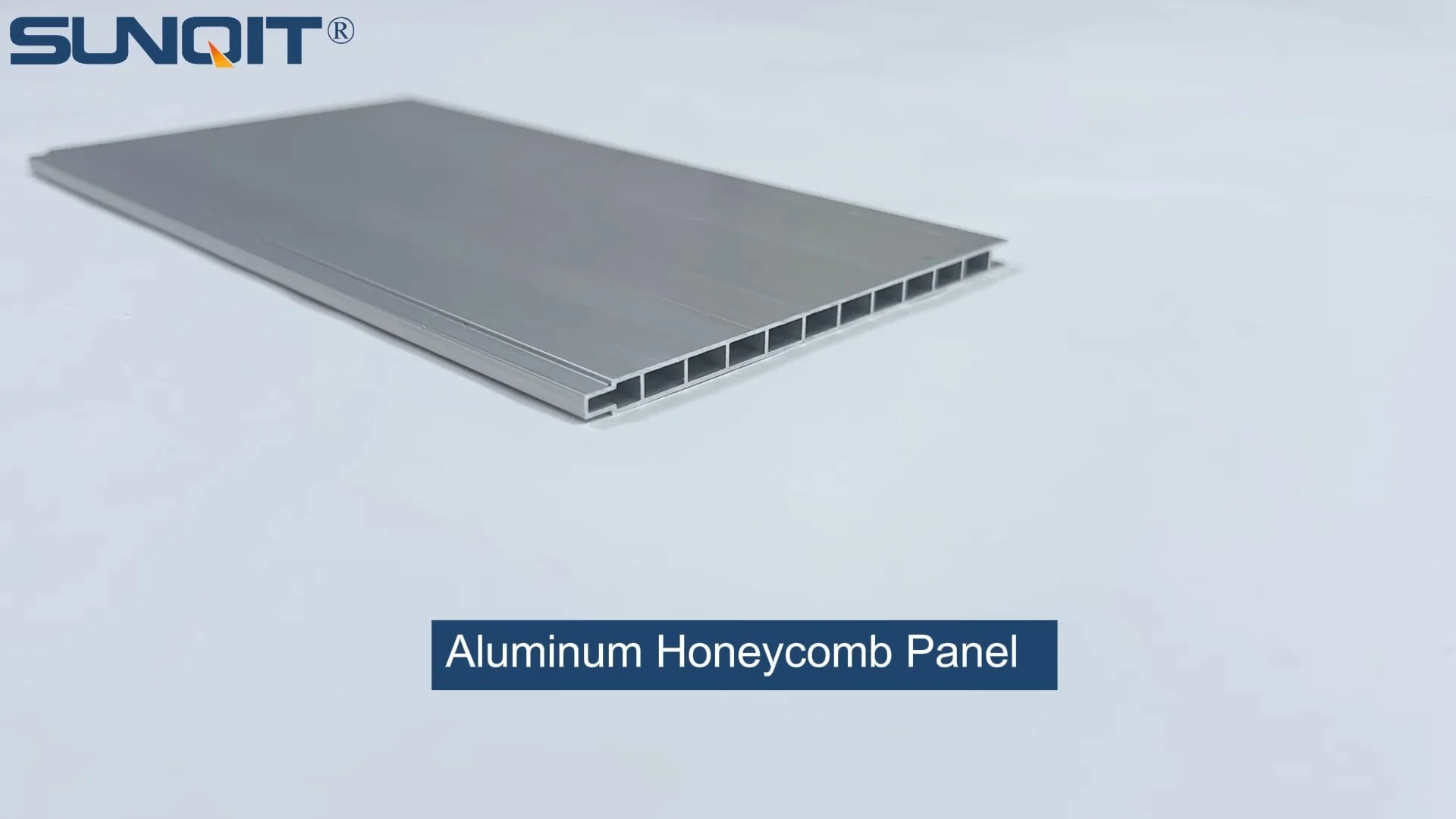
Aluminum Honeycomb Panel
Aluminum honeycomb panel used as table top, side wall, it is connected one pcs by one pcs from the side slot to make a full pieces.This panel width 105mm, 55mm, 35mm are optional for slection.
Introduction: The Unsung Hero of Modern Production Floors
Walk into any modern manufacturing facility, warehouse, or assembly plant, and you'll likely encounter a silent workhorse shaping the way goods are made: the aluminum honeycomb panel. These panels, with their distinctive hexagonal core sandwiched between thin aluminum skins, have revolutionized production equipment design—from the workbench where technicians assemble circuit boards to the flow rack that keeps materials moving seamlessly through a lean system. Lightweight yet surprisingly strong, they balance durability, functionality, and flexibility in a way few materials can. But here's the catch: not all aluminum honeycomb panels are created equal. Their thickness, in particular, is a critical factor that can make or break the performance of the equipment they're built into. Choosing the right gauge isn't just about picking a number; it's about aligning the panel's properties with the unique demands of your production line—whether that's supporting heavy tools on a workbench, withstanding constant material flow on a flow rack, or integrating smoothly with aluminum profiles to build adaptable lean system workstations.
In this guide, we'll dive deep into the world of aluminum honeycomb panel thickness. We'll explore why it matters, the key factors that influence your choice, and how different gauges perform in real-world scenarios. By the end, you'll have the knowledge to select the perfect thickness for your workbenches, flow racks, and lean system setups—ensuring your equipment is not just functional, but optimized for efficiency, durability, and cost-effectiveness.
Why Thickness Matters: Beyond Just "How Thick"
At first glance, thickness might seem like a simple measurement—after all, a ruler can tell you how many millimeters separate one side of the panel from the other. But in the context of production equipment, thickness is a gateway to a host of critical performance traits. Let's break down why it's so important:
Load Capacity: Imagine a workbench in an automotive parts shop. It needs to support heavy power tools, batches of metal components, and maybe even a technician leaning on it. A too-thin panel here could sag under the weight, warping over time and creating an uneven surface that throws off precision work. On the flip side, a flow rack in a electronics warehouse might only need to hold lightweight plastic bins of circuit boards. A thick, heavy panel here would be overkill—adding unnecessary weight to the rack and making it harder to reconfigure, which defeats the purpose of a flexible lean system.
Durability & Longevity: Production environments are tough. Panels face constant wear: tools dropping on workbenches, materials sliding across flow racks, and the general hustle of a busy floor. Thicker panels often mean more robust skins and a denser honeycomb core, which can better absorb impacts and resist scratches. But again, it's a balance—too thick, and the panel might become brittle in cold environments or prone to delamination if not properly constructed. The right thickness ensures your equipment lasts, reducing replacement costs and downtime.
Weight & Mobility: Many lean system setups rely on mobile equipment—think workbenches on casters or flow racks that can be repositioned to adapt to shifting production needs. Aluminum honeycomb panels are prized for their lightweight nature, but thickness directly affects weight. A 30mm panel, for example, is significantly heavier than a 6mm one. If your team needs to move a workstation regularly, a thicker panel could turn a manageable task into a backbreaking chore, slowing down workflow and increasing the risk of injury. Conversely, a panel that's too thin might save weight but fail to support the load once the workstation is stationary.
Integration with Aluminum Profiles: Most modern production equipment is built using aluminum profiles—those modular, T-slot frames that let you assemble everything from workbenches to material racks. The thickness of your aluminum honeycomb panel must play nice with these profiles. For instance, if you're mounting a panel to a 4040 aluminum profile (a common size), the panel's thickness will determine the length of screws or brackets needed to secure it. A panel that's too thick might require custom fasteners, driving up costs, while one that's too thin could wobble in the frame, compromising stability.

Key Factors to Consider When Choosing Thickness
Selecting the right thickness isn't a one-size-fits-all decision. It requires a close look at your specific application. Here are the critical factors to weigh:
1. Load Requirements: What Will the Panel Actually Support?
Start by asking: What's the maximum weight the panel will need to hold? For a workbench, this might include the combined weight of tools, materials, and even the operator's occasional lean. For a flow rack, it's the weight of the heaviest bin or carton sliding down its lanes, multiplied by how many items might be on the rack at once. Be realistic—underestimating load can lead to panel failure, while overestimating leads to unnecessary expense and weight.
Consider both static and dynamic loads. Static loads are items placed and left (e.g., a toolbox on a workbench), while dynamic loads involve movement (e.g., a box sliding across a flow rack). Dynamic loads often exert more stress, as the motion adds impact forces. A panel supporting dynamic loads may need to be thicker than one handling only static ones.
2. Span Length: How Far Between Supports?
Even a thick panel will sag if it's stretched too far between supports. The span— the distance between the aluminum profiles or brackets holding the panel—matters as much as the load. For example, a 10mm panel might easily support 50kg over a 600mm span (common for small workbenches) but would bend under the same weight if the span is 1200mm (typical for longer flow rack shelves). As a rule of thumb: the longer the span, the thicker the panel needs to be to maintain rigidity.
3. Environmental Conditions: Where Will the Panel Live?
Production environments vary wildly. A panel in a clean, climate-controlled electronics factory faces different challenges than one in a dusty warehouse or a humid food processing plant. Thicker panels can offer better resistance to moisture and temperature fluctuations, as their denser structure reduces the risk of warping. In corrosive environments, a thicker aluminum skin (often paired with a protective coating) can also extend the panel's life by resisting rust and wear.
4. Lean System Goals: Flexibility and Adaptability
Lean systems thrive on minimizing waste—whether that's time, materials, or effort. Thickness plays into this by affecting how easily your equipment can be reconfigured. A lightweight, moderately thick panel (say, 10mm) is easier to handle during setup or redesign, allowing your team to adjust workbench heights, reposition flow racks, or repurpose stations without heavy lifting. Thicker panels, while strong, can limit this flexibility, making them better suited for permanent, high-load setups rather than agile, ever-changing lean environments.

Common Thickness Gauges and Their Real-World Applications
Aluminum honeycomb panels come in a range of thicknesses, from ultra-thin 3mm sheets to heavy-duty 50mm+ boards. For most production equipment, though, you'll likely encounter gauges between 6mm and 30mm. Let's break down the most common options and where they excel:
| Thickness (mm) | Typical Load Capacity (kg/m²) | Max Span Between Supports (mm) | Best For | Compatibility with Aluminum Profiles |
|---|---|---|---|---|
| 6mm | 50–100 | 400–600 | Light-duty dividers, small workbench shelves, flow rack side panels, cabinet doors | Works with most standard profiles (2020, 3030); uses short screws (12–16mm) |
| 10mm | 100–200 | 600–800 | Standard workbenches (light tools), flow rack shelves (light bins), mobile workstation tops | Ideal for 3030, 4040 profiles; compatible with standard brackets |
| 15mm | 200–350 | 800–1200 | Heavy-duty workbenches (power tools, metal parts), flow racks (medium-heavy bins), lean system stations | Requires longer screws (20–25mm) for 4040/4080 profiles; secure with T-slot nuts |
| 20mm | 350–500 | 1000–1500 | Industrial workbenches (automotive, aerospace), large flow racks, static material storage | Best with 4080 or 5050 profiles; may need reinforced brackets |
| 30mm | 500+ | 1200–2000 | Extreme-load applications: heavy machinery bases, pallet racks, outdoor equipment | Requires custom mounting solutions; often paired with structural aluminum profiles |
6mm Panels: The lightweight champion. At just 6mm thick, these panels are perfect for applications where weight and cost are priorities, and load is minimal. Think of them as the "dividers and sides" of the production world—they might line the inside of a flow rack to prevent bins from slipping off, or serve as shelves in a small parts cabinet. They're easy to cut and mount to aluminum profiles, making them a favorite for quick, low-cost lean system setups. Just don't ask them to support a 50kg toolbox—they'll bow under the pressure.
10mm Panels: The workhorse of the mid-range. Offering a sweet spot between strength and weight, 10mm panels are the go-to for most standard workbenches. They can handle a technician's tools, a laptop, and a batch of components without breaking a sweat. On flow racks, they're ideal for lightweight to medium bins of electronics or small parts. Their thickness pairs well with common aluminum profiles like 3030 and 4040, so you won't need special hardware. If you're building a lean system workstation that needs to be mobile, 10mm panels keep the overall weight manageable without sacrificing functionality.
15mm Panels: The heavy-duty multitasker. When your workbench needs to support power drills, soldering irons, and stacks of metal sheets, 15mm is where you turn. These panels also shine on flow racks that handle heavier items—think automotive components or large plastic containers. Their increased thickness allows for longer spans between supports (up to 1200mm), which means you can build wider workbenches or flow rack shelves without adding extra aluminum profiles. Just note: they're heavier than 10mm panels, so if mobility is key, pair them with sturdy casters and limit the span to keep the load manageable.
20mm+ Panels: The industrial giants. Reserved for the toughest jobs, 20mm and thicker panels are built for extreme loads. Picture a workbench in a manufacturing plant where workers assemble engine blocks—these panels can handle the weight of metal parts and heavy machinery. They're also used in static flow racks that store large, bulky items like pallets or industrial containers. Due to their weight and thickness, they're rarely used in mobile setups and often require beefier aluminum profiles (like 4080 or 5050) and reinforced mounting brackets.
Case Studies: Thickness in Action on the Production Floor
To better understand how thickness impacts real-world performance, let's look at three scenarios common in manufacturing and warehousing:
Case Study 1: The Electronics Assembly Workbench
A mid-sized electronics company needed to upgrade their assembly line workbenches. The old wooden tops were warping, making it hard to align circuit boards, and they were heavy, so reconfiguring the line (a key lean system goal) took hours. The team chose aluminum honeycomb panels for their replacement, but which thickness?
The workbenches needed to support: a laptop (2kg), a soldering station (5kg), a tool organizer (8kg), and batches of circuit boards (up to 15kg). Total static load: ~30kg, with occasional dynamic loads (tools being set down). The span between the workbench's aluminum profile legs was 1000mm. After reviewing the data, they opted for 15mm panels. Why? A 10mm panel would have sagged over the 1000mm span, even with 30kg, leading to an uneven surface. The 15mm panels provided the rigidity needed, and their weight (lighter than wood) made reconfiguring the line a 30-minute task instead of a half-day project. Six months later, the workbenches show no signs of warping, and the team reports smoother, more precise assembly work.
Case Study 2: The E-Commerce Fulfillment Flow Rack
An e-commerce warehouse handling small consumer goods (clothing, accessories) wanted to optimize their picking process with flow racks. The goal: reduce the time pickers spent reaching for items by having bins slide down inclined lanes directly to the picking station. They needed to choose panel thickness for the rack's shelves and side panels.
The bins weighed 5–8kg each, and each lane held up to 5 bins. The side panels needed to keep bins from falling off but didn't bear the main load (that was handled by roller tracks). For the shelves (where the roller tracks were mounted), the span between supports was 800mm. The team went with 10mm panels for the shelves—they could easily support the 40kg total load (5 bins x 8kg) over 800mm. For the side panels, 6mm was sufficient—lightweight, easy to mount to the aluminum profiles, and cost-effective. The result? Faster picking times, and the flow racks were so lightweight that the warehouse could reconfigure lanes overnight to adapt to seasonal demand spikes—a perfect example of lean system flexibility.
Case Study 3: The Automotive Lean System Workstation
A car manufacturer was redesigning their production line to follow lean principles, focusing on reducing waste and improving workflow. The new setup included mobile workstations that could follow the car chassis down the line, holding tools and parts specific to each assembly step. The workstation needed a workbench top, a small flow rack for parts, and side panels for tool storage—all using aluminum honeycomb panels.
The workbench top had to support power tools (15kg) and metal parts (20kg), with a span of 900mm between aluminum profile legs: 15mm panel. The flow rack shelves held small parts bins (5kg each, 3 bins per shelf), span 600mm: 10mm panel. The side panels were purely for tool hooks and storage, no heavy load: 6mm panel. By mixing thicknesses, the team kept the workstation light enough to be pushed by one person (critical for following the chassis) while ensuring each component could handle its specific load. The lean system's adaptability improved—if a new part was added to the assembly process, the flow rack could be reconfigured with new 10mm shelves in minutes, and the workbench top remained stable under the added tools.
How to Measure and select Thickness for Your Needs
Now that you understand the "why" and "what" of thickness, let's walk through the steps to choose the right gauge for your equipment:
Step 1: Calculate Your Load Requirements
Start by listing all items that will sit on or against the panel. For a workbench, include tools, materials, and any equipment (e.g., a microscope). For a flow rack, note the weight of the heaviest bin and how many will be on the shelf at once. Add 20% to this total to account for unexpected loads (better safe than sorry!). This gives you your target load capacity.
Step 2: Measure the Span
Measure the distance between the supports that will hold the panel (e.g., the aluminum profiles on a workbench or the vertical posts of a flow rack). This is your span length. If you haven't built the frame yet, estimate based on your design—just remember: longer spans need thicker panels.
Step 3: Match Load and Span to Thickness
Use the table earlier in this guide as a starting point. Find the thickness that aligns with your load capacity and span. For example, if you need to support 250kg over a 1000mm span, a 15mm panel (200–350kg capacity, 800–1200mm span) is a good fit. If your load is 75kg over 500mm, 6mm or 10mm will work—opt for 6mm to save weight and cost if mobility or budget is a concern.
Step 4: Check Environmental and Mobility Needs
If your equipment will be outdoors, in a humid area, or exposed to chemicals, lean toward a slightly thicker panel (e.g., 15mm instead of 10mm) for added durability. If mobility is key, prioritize lighter gauges (10mm or less) and shorter spans to keep weight down.
Step 5: Consult with Suppliers
Don't guess—reach out to your aluminum honeycomb panel supplier. They can provide detailed load charts for their specific panels (core density and skin thickness vary by manufacturer) and help you confirm your choice. Many suppliers also offer samples, so you can test a panel under your expected load to ensure it performs as needed.
Conclusion: Thickness as a Tool for Lean, Efficient Production
Aluminum honeycomb panels are more than just building materials—they're a bridge between strength and flexibility, two qualities that define modern production equipment. And at the heart of that bridge lies thickness. Choosing the right gauge isn't an afterthought; it's a strategic decision that impacts everything from load capacity and durability to mobility and cost. Whether you're building a workbench for precision assembly, a flow rack for seamless material flow, or a lean system workstation that adapts to your team's needs, the thickness of your aluminum honeycomb panel will shape how well that equipment serves your operation.
By considering load requirements, span length, environmental factors, and integration with aluminum profiles, you can select a thickness that balances performance and practicality. Remember: the goal isn't to pick the thickest panel available, but the one that's just right for your unique needs. A 10mm panel might be perfect for a mobile workbench, while a 15mm panel ensures a heavy-duty flow rack lasts for years. In the end, the right thickness turns ordinary equipment into a competitive advantage—one that keeps your production line running smoothly, your team efficient, and your costs in check.
So the next time you're designing or upgrading your production equipment, take a moment to think about that aluminum honeycomb panel. Its thickness might be silent, but its impact on your operation will speak volumes.