- Company Articles
- Products and Technology
- Product knowledge
- Aluminum Honeycomb Panel Thickness vs. Weight: Finding the Optimal Balance for Racks

Aluminum Honeycomb Panel Thickness vs. Weight: Finding the Optimal Balance for Racks
Related Product
Aluminum Honeycomb Panel
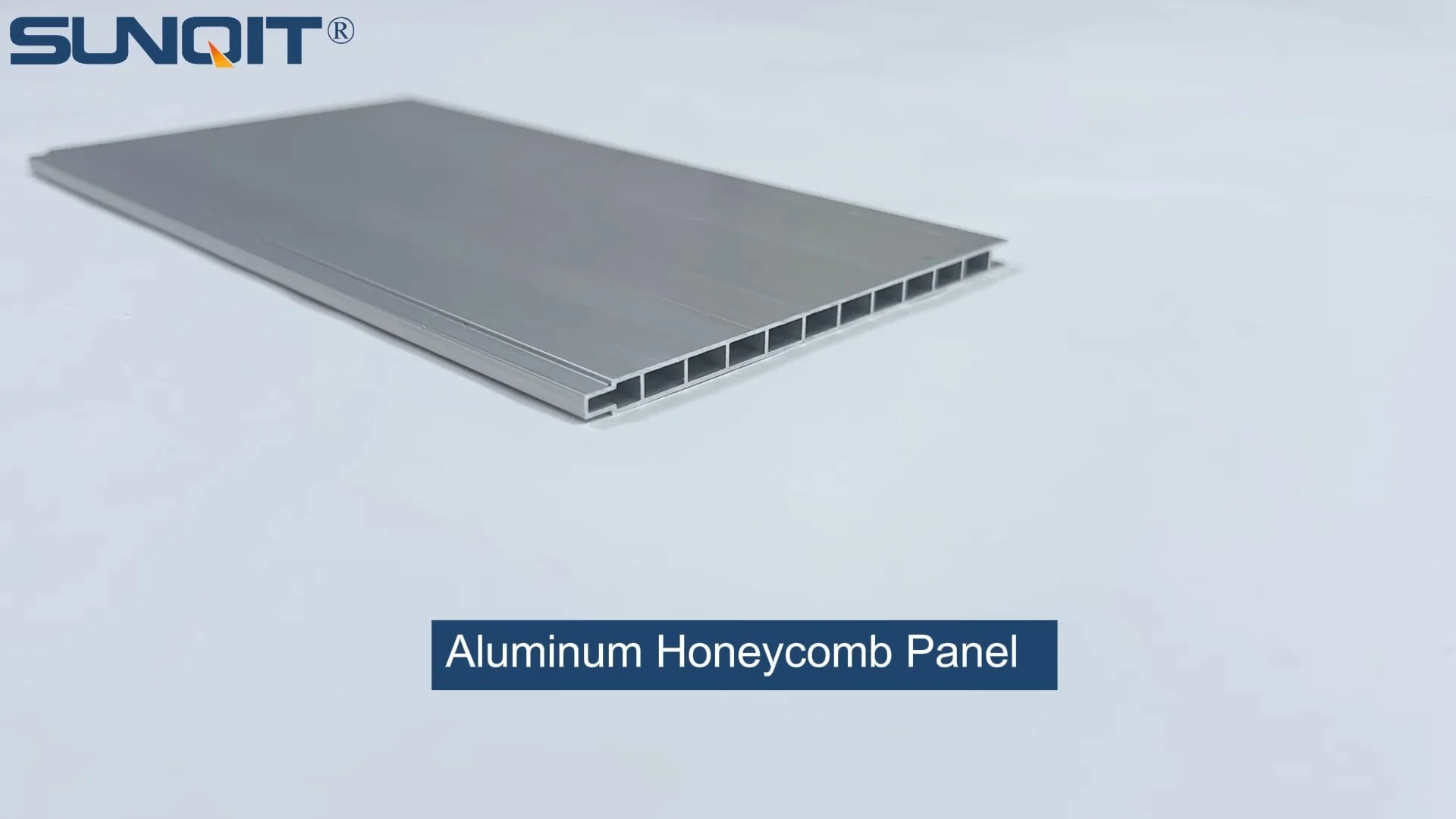
Aluminum honeycomb panel used as table top, side wall, it is connected one pcs by one pcs from the side slot to make a full pieces.This panel width 105mm, 55mm, 35mm are optional for slection.
Walk into any modern warehouse, manufacturing facility, or even a well-organized workshop, and you'll notice something critical: the racks and storage systems that keep everything running smoothly. These structures aren't just metal and bolts—they're the backbone of efficiency, safety, and productivity. But here's the thing: not all rack materials are created equal. In recent years, one material has been turning heads for its unique blend of strength, lightness, and versatility: the aluminum honeycomb panel. Today, we're diving deep into a question that keeps engineers, facility managers, and even DIY enthusiasts up at night: How do thickness and weight interact when it comes to these panels, and how do you strike the perfect balance—especially when building racks that need to perform day in and day out?
First Things First: What Even Is an Aluminum Honeycomb Panel?
Before we get into the nitty-gritty of thickness and weight, let's make sure we're all on the same page. Aluminum honeycomb panels are a type of composite material. Picture this: two thin sheets of aluminum (called "skins") sandwiching a honeycomb-shaped core—usually made of aluminum, paper, or plastic. The result? A panel that's surprisingly lightweight but incredibly strong. Think of it like a bird's bone: hollow inside, but tough enough to support flight. This design is why they're often compared to aluminum extrusion profile—both leverage smart engineering to maximize strength while minimizing material use.
But why aluminum? Well, aluminum brings a lot to the table: it's corrosion-resistant (no rusting in damp warehouses), non-magnetic, and easy to work with. When you combine that with the honeycomb structure, you get a material that's ideal for everything from aircraft interiors to… you guessed it, rack systems. And unlike solid aluminum sheets, which can be heavy and pricey, honeycomb panels give you more bang for your buck in terms of strength-to-weight ratio. That's a big deal when you're building something like a material rack b (3 row and 3 floor)—a multi-tiered storage solution that needs to hold heavy boxes without collapsing or weighing down the floor.
Thickness: More Than Just a Number
Let's talk thickness. When you're shopping for aluminum honeycomb panels, you'll see options ranging from 4mm all the way up to 50mm or more. But thickness isn't just about how "beefy" the panel looks. It directly impacts three key things: structural rigidity, load capacity, and yes, weight. Let's break it down.
Structural Rigidity: Bending Is the Enemy
Imagine placing a thin, flexible sheet of material across two supports and piling boxes on top. What happens? It bends. A lot. That's called deflection, and it's a problem for racks—too much deflection can damage the materials being stored, weaken the rack over time, or even cause a collapse. Thicker panels are stiffer, which means they resist bending under load. But here's the catch: it's not just the overall thickness that matters. The honeycomb core's cell size and density play a role too. A 10mm panel with small, dense honeycomb cells might be stiffer than a 12mm panel with larger, sparser cells. Manufacturers often tweak these variables to hit the sweet spot between thickness, weight, and rigidity.
Load Capacity: How Much Can It Actually Hold?
This is where things get practical. If you're building a workbench for assembling small electronics, you might only need a panel that holds 50kg. But if you're constructing a material rack b (3 row and 3 floor) for industrial parts, you could be looking at 500kg per shelf or more. Thicker panels generally have higher load capacities, but it's not a linear relationship. A 20mm panel might hold twice as much as a 10mm panel, but a 30mm panel might only hold 1.5 times as much as the 20mm one—diminishing returns kick in because the added thickness starts adding weight without a proportional boost in strength.
The Hidden Cost of Thickness: Weight
Here's the trade-off no one talks about enough: thicker panels weigh more. Aluminum is lightweight compared to steel, but it's not weightless. A 10mm aluminum honeycomb panel might weigh 8-10kg per square meter, while a 20mm panel could hit 15-18kg per square meter. That might not sound like much, but when you're building a large rack system with dozens of panels, the weight adds up fast. Why does that matter? For starters, heavier racks are harder to install—you might need more people or special equipment to lift them into place. They also put more stress on the floor. If your warehouse has a floor load limit (and most do), a too-heavy rack could exceed it, leading to costly repairs or even safety violations. And let's not forget transportation: shipping heavier panels costs more, eating into your budget.

Weight: The Silent Player in Rack Design
Weight isn't just a byproduct of thickness—it's a design consideration in its own right. Let's say you've decided on a 15mm panel for your material rack b (3 row and 3 floor). You're confident it can hold the load, but how does its weight affect the rest of the system? The rack's frame, for example, is probably made from aluminum profile—a versatile, strong material that's often used for structural supports. If the panels are too heavy, the frame needs to be beefed up with thicker or more robust aluminum profile, which adds even more weight and cost. It's a domino effect.
On the flip side, too light can be a problem too. A panel that's too thin and lightweight might not have the rigidity to keep its shape, even if it technically meets the load capacity on paper. Ever seen a shelf that sags in the middle, even with light boxes on it? That's a weight-to-thickness mismatch. The panel is light, but it's not stiff enough to distribute the weight evenly. So, weight and thickness need to dance together—each supporting the other to create a panel that's strong, stiff, and manageable.

Real-World Applications: When to Go Thicker (or Thinner)
To make this concrete, let's look at two common scenarios where aluminum honeycomb panels shine: workbenches and multi-tiered material racks like the material rack b (3 row and 3 floor).
Workbenches: Lightweight but Sturdy
A workbench is where people stand for hours, assembling products, repairing equipment, or packing orders. It needs to be sturdy enough to support tools, parts, and the occasional heavy component, but it also shouldn't be so heavy that moving it (if needed) is impossible. For most workbenches, a 6-10mm aluminum honeycomb panel is ideal. It's lightweight (around 6-10kg/m²), so the bench frame—often made with aluminum extrusion profile for easy customization—doesn't need to be overbuilt. The panel is stiff enough to resist bending under a 100-200kg load, and it's easy to clean, which is a bonus in messy workshops.
Material Rack B (3 Row and 3 Floor): Heavy-Duty Storage
Now, contrast that with the material rack b (3 row and 3 floor). This is a rack designed for high-density storage—three rows wide and three floors tall, meant to maximize vertical space. Each shelf might hold pallets of raw materials, finished goods, or bulky components. Here, you need panels that can handle 300-500kg per shelf without deflection. A 15-20mm panel is more appropriate here. It's thicker, so it's stiffer, and while it weighs more (12-18kg/m²), the rack's frame—built with heavy-duty aluminum profile—can handle the load. Plus, the multi-tier design spreads the weight across the structure, so the floor doesn't bear the brunt of it alone.
The Data: A Closer Look at Thickness vs. Weight vs. Load Capacity
Numbers tell a clearer story. Let's compare some common aluminum honeycomb panel thicknesses, their typical weights, and the maximum loads they can handle in a rack setting. This table is a simplified guide—always check with your supplier for exact specs, as core density and skin thickness can vary.
| Panel Thickness (mm) | Approx. Weight (kg/m²) | Typical Max Load Capacity (kg/m²) | Ideal Use Case |
|---|---|---|---|
| 6mm | 6-8 | 100-150 | Workbench tops, light-duty shelving for small parts |
| 10mm | 8-10 | 200-250 | Medium-duty racks, tool storage, retail display shelves |
| 15mm | 12-15 | 300-400 | Material rack b (3 row and 3 floor), warehouse shelving for boxes/pallets |
| 20mm | 15-18 | 400-500 | Heavy-duty industrial racks, automotive part storage |
| 25mm+ | 20-30+ | 500+ | Specialized applications (e.g., aerospace parts, heavy machinery storage) |
Notice how the load capacity increases with thickness, but so does weight. For the material rack b (3 row and 3 floor), the 15mm panel hits the sweet spot: it's heavy enough to be stiff but not so heavy that it overburdens the rack or the floor. If you went with 20mm, you'd get more load capacity, but you'd also add unnecessary weight and cost—unless you're storing something extremely heavy, like engine blocks.
Beyond Thickness and Weight: Other Factors to Consider
While thickness and weight are critical, they're not the only players. Here are a few other things to keep in mind when choosing panels for racks:
Core Material
Most aluminum honeycomb panels have an aluminum core, but some use paper or plastic. Aluminum cores are stronger and more heat-resistant, making them better for industrial racks. Paper cores are lighter but less durable—fine for display shelves, not so much for a material rack b (3 row and 3 floor).
Skin Thickness
The outer aluminum skins (the "faces" of the panel) can range from 0.3mm to 2mm thick. Thicker skins add strength and impact resistance, which is useful if you're storing heavy, sharp, or fragile items. A panel with 0.5mm skins might be fine for boxes, but 1mm skins are better for metal parts that could scratch or dent the surface.
Aluminum Profile Compatibility
Racks are rarely just panels—they're built with frames, supports, and connectors, often made from aluminum profile. Make sure your panel thickness works with the aluminum profile you're using. For example, if your rack frame uses 40x40mm aluminum extrusion profile, a 15mm panel will fit neatly between the supports without overhanging or requiring custom brackets.
Finding Your Optimal Balance: A Step-by-Step Guide
So, how do you choose the right thickness and weight for your rack? Follow these steps:
- Define your load: How much weight will each shelf need to hold? Be specific—"heavy boxes" isn't enough. Weigh a typical box and multiply by how many will fit per shelf.
- Consider the span: How far apart are the rack supports? The longer the span (distance between two supports), the stiffer the panel needs to be (i.e., thicker).
- Check floor load limits: Your warehouse or facility's floor can only handle so much weight per square meter. Heavier panels mean heavier racks, so factor that in.
- Think about installation and mobility: Do you need to move the rack later? Lighter panels make disassembly and relocation easier.
- Consult the pros: Suppliers have technical data sheets that show deflection, load capacity, and weight for each panel thickness. Use them! And if you're building something complex like a material rack b (3 row and 3 floor), ask for a structural engineer's input.
Conclusion: It's All About Balance
Aluminum honeycomb panels are a game-changer for rack systems, offering a rare combination of strength, lightness, and durability. But to get the most out of them, you need to think beyond just picking the thickest (or thinnest) option. Thickness and weight are two sides of the same coin—more thickness means more strength but more weight, and vice versa. The key is to find the balance that meets your load needs, fits your budget, and works with your existing infrastructure (like aluminum profile frames or floor load limits).
Whether you're building a simple workbench or a heavy-duty material rack b (3 row and 3 floor), remember: the optimal panel isn't the thickest or the lightest. It's the one that makes your rack safe, efficient, and ready to handle whatever you throw at it—today, tomorrow, and for years to come. And isn't that the point of a great rack system? To fade into the background, letting you focus on what really matters: running your business.