- Company Articles
- Products and Technology
- Product knowledge
- Aluminum Honeycomb Panels for Automated Guided Vehicles (AGVs) in Warehouses

Aluminum Honeycomb Panels for Automated Guided Vehicles (AGVs) in Warehouses
Related Product
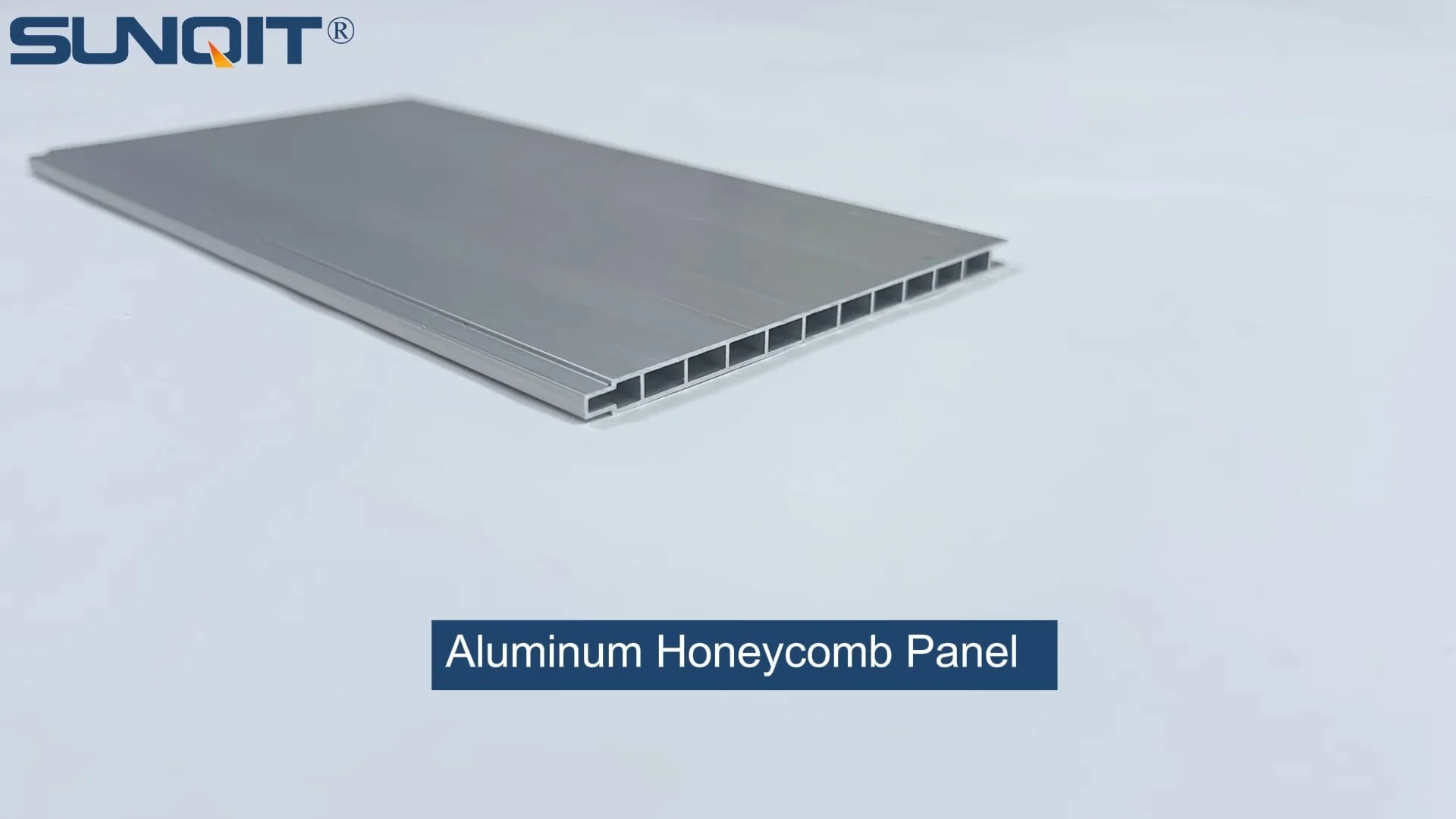
Aluminum Honeycomb Panel
Aluminum honeycomb panel used as table top, side wall, it is connected one pcs by one pcs from the side slot to make a full pieces.This panel width 105mm, 55mm, 35mm are optional for slection.
Walk into any modern warehouse today, and you'll likely hear the soft hum of wheels gliding across concrete— Automated Guided Vehicles (AGVs) hard at work. These tireless machines ferry pallets, sort packages, and keep the supply chain moving 24/7, making warehouses faster, safer, and more efficient than ever. But behind their smooth operation lies a quiet hero: the materials that build them. From their frames to their shelves, the right materials can turn a good AGV into a great one—reducing energy use, extending lifespan, and even lowering operational costs. One material that's been quietly revolutionizing AGV design? Aluminum honeycomb panels. Let's dive into why these lightweight, high-strength panels are becoming the go-to choice for warehouse managers and AGV manufacturers alike.
What Are Aluminum Honeycomb Panels, Anyway?
Imagine a material that's as strong as steel but weighs about half as much as solid aluminum. That's the magic of aluminum honeycomb panels. At first glance, they might look like any other flat panel, but their secret lies in their structure—think of a beehive, but engineered for industrial strength. These panels are made by bonding two thin aluminum face sheets to a central "honeycomb core," a grid of hexagonal cells (just like a beehive) made from aluminum foil or thin strips. This design isn't just for show: the hexagonal pattern distributes weight evenly across the panel, making it incredibly strong despite its light weight.
Here's how it works: The face sheets handle most of the bending and stretching forces, while the honeycomb core acts like a series of tiny pillars, resisting compression. Together, they create a panel that can support heavy loads without warping, cracking, or adding unnecessary bulk. It's the same principle that makes airplane wings strong enough to carry hundreds of passengers but light enough to stay airborne—scaled down for the warehouse floor.
Why AGVs Love Aluminum Honeycomb Panels: 5 Key Benefits
AGVs have tough jobs. They navigate tight aisles, carry heavy loads (sometimes up to thousands of pounds), and operate in environments that can be dusty, humid, or even chemically treated. Aluminum honeycomb panels check all the boxes for AGV design—here's why:
1. Lightweight = More Energy Efficiency
AGVs run on batteries, and every extra pound of weight means shorter run times and more frequent charging. Aluminum honeycomb panels weigh 30-60% less than solid aluminum sheets of the same size and strength. For example, a 1m x 1m solid aluminum panel (5mm thick) might weigh around 13kg, while a honeycomb panel with the same load capacity could weigh as little as 5kg. That's a huge difference when you're talking about AGVs that operate 12+ hours a day—less weight means longer battery life, fewer charging breaks, and more time moving goods.
2. Strength That Doesn't Quit
Don't let the "lightweight" label fool you—aluminum honeycomb panels are surprisingly strong. Thanks to their honeycomb core, they can handle heavy static loads (like stacked pallets) and dynamic loads (like sudden stops or starts) without deforming. Tests show that a typical 10mm-thick honeycomb panel can support up to 500kg per square meter—more than enough for most AGV applications, from carrying cartons to supporting workbenches (yes, even the sturdiest warehouse workbenches!).
3. Corrosion Resistance for the Long Haul
Warehouses aren't always clean rooms. Spills, humidity, and even mild chemicals (like cleaning agents) can take a toll on metal components over time. Aluminum naturally resists corrosion, and when paired with protective coatings (like anodizing or powder coating), honeycomb panels become even tougher. Unlike steel, they won't rust, and unlike wood, they won't warp or rot—meaning your AGV's panels will look and perform like new for years, even in harsh conditions.
4. Quiet and Stable Operation
Anyone who's worked in a warehouse knows noise can be a problem—forklifts, conveyor belts, and AGVs all add up. Aluminum honeycomb panels have natural sound-dampening properties: the honeycomb core traps air, reducing vibrations and noise when AGVs move or load/unload goods. Plus, their rigidity means less flexing during operation, which translates to smoother rides for fragile cargo and fewer vibrations that could loosen bolts or damage sensitive electronics on the AGV.
5. Eco-Friendly and Recyclable
Sustainability isn't just a buzzword anymore—it's a priority for warehouses aiming to reduce their carbon footprint. Aluminum honeycomb panels are 100% recyclable, and their lightweight design cuts down on energy use during manufacturing and transportation. Unlike materials like plywood (which requires deforestation) or some plastics (which linger in landfills), aluminum honeycomb panels align with green warehouse goals without sacrificing performance.

Aluminum Honeycomb vs. the Competition: A Head-to-Head Comparison
| Material | Weight (1m², 10mm thick) | Max Load Capacity | Corrosion Resistance | Best For |
|---|---|---|---|---|
| Aluminum Honeycomb Panel | 6-8kg | 400-600kg/m² | Excellent (resists rust, humidity) | AGV platforms, shelves, workbenches |
| Solid Aluminum Sheet | 27kg | 500-700kg/m² | Excellent | Small, lightweight AGV components |
| Steel Plate | 78kg | 1000+kg/m² | Poor (rusts without coating) | Heavy-duty industrial machinery (not ideal for AGVs) |
| Plywood | 7-10kg | 100-200kg/m² | Poor (warps, rots with moisture) | Temporary shelving, low-load applications |
*Values are approximate and based on industry averages. Actual performance may vary by manufacturer.

How Aluminum Honeycomb Panels Fit Into AGV Design
Aluminum honeycomb panels aren't just a "one-size-fits-all" solution—they're versatile enough to be used in almost every part of an AGV. Let's break down their most common roles:
AGV Platforms: The Foundation of Movement
The base of an AGV—the platform that carries the load—is one of the most critical components. It needs to be strong enough to support pallets, cartons, or even entire workstations, but light enough to keep the AGV nimble. Aluminum honeycomb panels are perfect here. Manufacturers often pair them with aluminum profiles (another warehouse workhorse) to create a rigid, lightweight frame. The panels bolt directly to the aluminum extrusion profiles, creating a flat, stable surface that won't flex under heavy loads. And because they're lightweight, the AGV's motors don't have to work as hard, extending battery life.
Shelving and Storage on the Go
Many AGVs come equipped with built-in shelves or racks to carry multiple items at once. Traditional shelves made from solid metal add weight, but honeycomb panels let manufacturers add more storage without sacrificing efficiency. For example, a double-deck AGV shelf made with honeycomb panels might weigh 15kg instead of 40kg (with solid steel), allowing the AGV to carry an extra 25kg of cargo—all while using less energy.
Workbenches on Wheels
Some AGVs double as mobile workstations, where warehouse staff can pick, pack, or label items on the go. These workbenches need to be sturdy enough for tools, boxes, and daily use, but light enough to move smoothly. Aluminum honeycomb panels make ideal workbench tops: they're flat, easy to clean, and resistant to scratches and dents. Plus, they pair well with aluminum pipe accessories—think railings, tool holders, or bin dividers—that clip onto the edges, turning a simple panel into a fully functional workspace.
Protective Panels and Guards
AGVs share warehouse space with humans, forklifts, and other machinery, so safety is key. Honeycomb panels are often used as protective guards around AGV corners or moving parts. Their strength absorbs impacts (like a minor collision with a pallet), and their lightweight design means they won't add unnecessary bulk. Some manufacturers even use them to create foldable or removable guards, making maintenance easier when the AGV needs repairs.
Technical Deep Dive: What Makes a Great Honeycomb Panel?
Not all aluminum honeycomb panels are created equal. To get the best performance for AGVs, you'll want to pay attention to a few key specs:
Core Material and Cell Size
The honeycomb core is usually made from aluminum foil (0.03-0.1mm thick), though some panels use aramid fiber or paper for specialized applications (like high-temperature environments). For AGVs, aluminum core is best—it's strong, lightweight, and corrosion-resistant. Cell size (the diameter of each hexagonal cell) also matters: smaller cells (3-6mm) offer more strength but add weight, while larger cells (8-12mm) are lighter but better for lower loads. Most AGV panels use 6-8mm cells for a balance of strength and weight.
Face Sheets: Thin but Tough
The face sheets are the outer layers of the panel, typically made from 0.5-2mm thick aluminum (either 3003 or 5052 alloy, which are strong and corrosion-resistant). Thicker face sheets add strength but increase weight, so manufacturers often tailor them to the AGV's load requirements. For example, a panel for a heavy-duty AGV might have 1.5mm face sheets, while a light-load AGV could use 0.8mm sheets.
Bonding: The Glue That Holds It All Together
The bond between the face sheets and core is critical—if it fails, the panel loses strength. Most high-quality panels use structural adhesives (like epoxy or phenolic resin) applied under heat and pressure, creating a bond that's stronger than the aluminum itself. Look for panels with a "peel strength" of at least 1.5N/mm (a measure of how hard it is to separate the face sheet from the core)—this ensures the panel can handle the stresses of daily AGV operation.
Maintenance and Longevity: Making Your Panels Last
Aluminum honeycomb panels are low-maintenance, but a little care goes a long way. Here's how to keep them in top shape:
- Clean regularly: Wipe down panels with a damp cloth and mild soap to remove dust, grease, or spills. Avoid harsh chemicals (like bleach) that can damage coatings.
- Inspect for damage: Check edges and corners for dents or cracks—small dents usually don't affect performance, but deep cracks (especially in the core) may need repair.
- Protect from extreme heat: While aluminum handles heat well, prolonged exposure to temperatures over 150°C (300°F) can weaken adhesives. Keep panels away from industrial ovens or open flames.
With proper care, aluminum honeycomb panels can last 10+ years in a typical warehouse environment—longer than many AGV batteries or motors. When it's time to retire the AGV, the panels can be recycled, giving them a second life as new aluminum products.
The Future of AGVs and Honeycomb Panels
As warehouses get smarter, AGVs are becoming more advanced—autonomous, connected, and capable of handling heavier, more complex loads. Aluminum honeycomb panels are evolving too. Manufacturers are experimenting with thinner face sheets (to save weight) and stronger adhesives (to boost load capacity). Some are even adding smart features, like embedded sensors that monitor panel stress or temperature, sending real-time data to warehouse management systems to predict maintenance needs.
There's also growing interest in combining honeycomb panels with other lightweight materials, like carbon fiber face sheets, for ultra-high-strength applications (think AGVs carrying automotive parts or heavy machinery). And as sustainability becomes more important, we'll likely see more panels made from recycled aluminum, further reducing their carbon footprint.
Final Thoughts: The Unsung Hero of Warehouse Efficiency
Aluminum honeycomb panels might not be the first thing you think of when you picture a high-tech AGV, but they're the backbone of efficient, reliable warehouse automation. By combining lightweight design with industrial strength, they help AGVs carry more, use less energy, and last longer—all while keeping warehouses running smoothly. Whether you're building a new fleet of AGVs or upgrading existing ones, these panels are worth a closer look. After all, in the fast-paced world of warehousing, every kilogram saved and every year of lifespan added translates to real, bottom-line results.
So the next time you see an AGV gliding by, take a moment to appreciate the science (and the honeycomb!) that makes it all possible. It's the little details—like the right panel material—that turn a warehouse into a well-oiled, future-ready machine.