- Company Articles
- Products and Technology
- Product knowledge
- Aluminum Honeycomb Panels for Conveyor Systems: Enhancing Durability in High-Speed Lines

Aluminum Honeycomb Panels for Conveyor Systems: Enhancing Durability in High-Speed Lines
Related Product
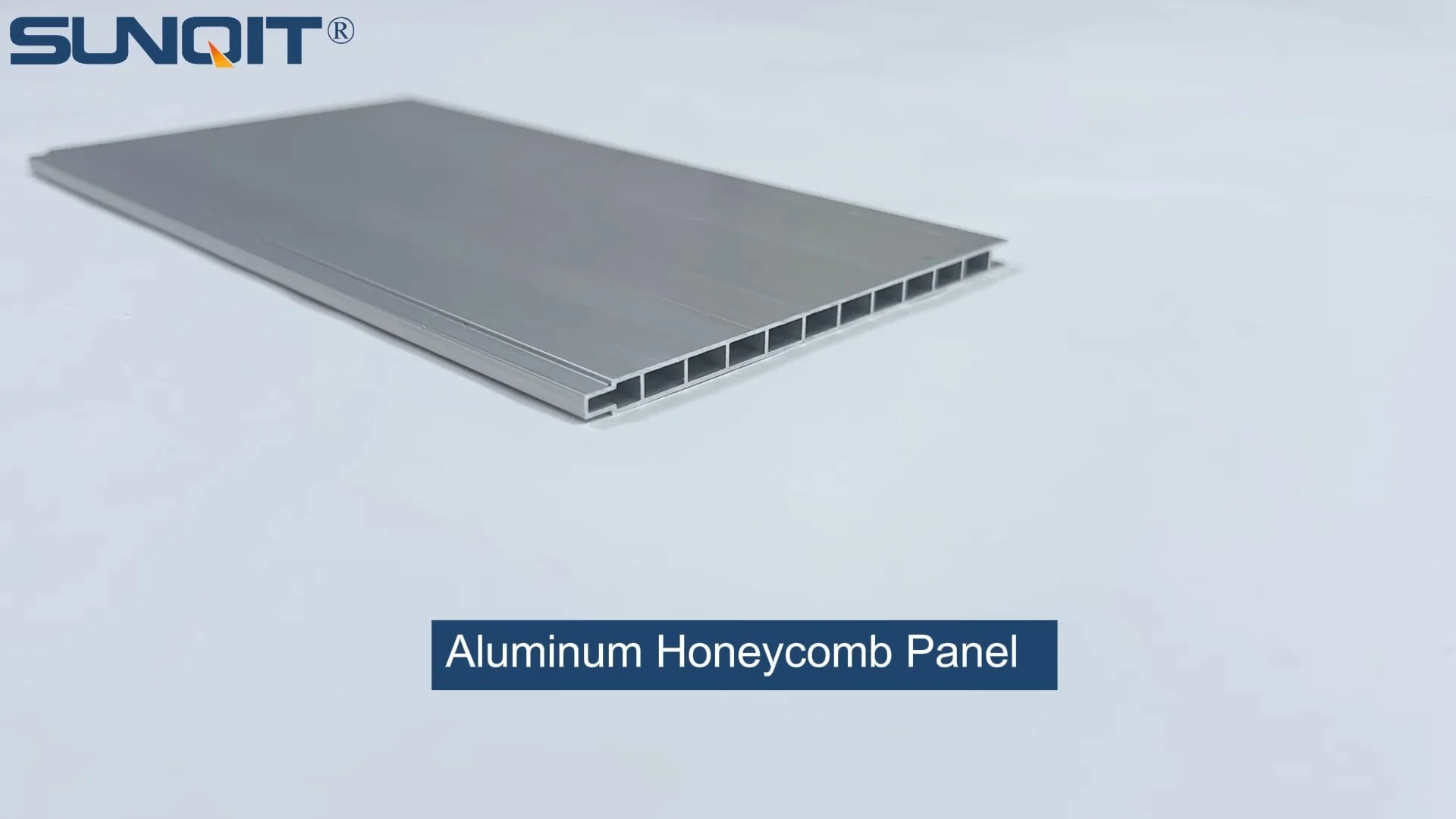
Aluminum Honeycomb Panel
Aluminum honeycomb panel used as table top, side wall, it is connected one pcs by one pcs from the side slot to make a full pieces.This panel width 105mm, 55mm, 35mm are optional for slection.
Walk into any modern manufacturing facility, and you'll notice the heartbeat of the operation: the conveyor system. It's the silent workhorse, moving components, products, and materials with relentless precision. But for plant managers and engineers, keeping that heartbeat steady—especially in high-speed lines—can feel like a never-ending battle. Warped work surfaces, cracked panels, and frequent breakdowns aren't just annoyances; they're costly. Downtime eats into production targets, maintenance teams burn out fixing the same issues, and the stress of unplanned stops hangs over every shift. What if the solution wasn't just better maintenance, but better materials? That's where aluminum honeycomb panels come in. These unassuming panels are quietly transforming conveyor systems, turning frustrating inefficiencies into stories of reliability. Let's dive into why they're becoming the go-to choice for teams that refuse to slow down.
What Makes Aluminum Honeycomb Panels Different?
First, let's clear up what aluminum honeycomb panels actually are. Imagine a sandwich (bear with me—this is a technical sandwich). The "bread" is two thin sheets of aluminum, strong and smooth. The "filling" is a core that looks like a microscopic honeycomb: hundreds of tiny, interconnected hexagonal cells, also made of aluminum. This structure isn't just for show. Bees evolved the honeycomb shape because it's nature's way of maximizing strength with minimal material—and engineers borrowed that genius. The result? A panel that's surprisingly lightweight but shockingly tough. Think of it as the material equivalent of a high-performance sports car: agile, but built to withstand impact.
But why does this matter for conveyor systems? Let's break it down. Traditional conveyor surfaces are often made of solid steel, plywood, or even plastic. Steel is strong, but it's heavy—so heavy that it strains motors, wears down roller tracks, and makes installation a backbreaking chore. Plywood is lighter, but it warps when it gets wet, splinters under heavy loads, and needs constant replacing. Plastic? It might handle light tasks, but in high-speed lines moving metal parts or heavy components, it cracks and deforms faster than you can say "maintenance alert." Aluminum honeycomb panels? They fix all these pain points in one go.
Quick fact: The honeycomb core's hexagonal design distributes weight evenly across the panel's surface. That means a 10-pound aluminum honeycomb panel can often support the same load as a 40-pound steel sheet—without the extra bulk.
Durability That Keeps Up With High-Speed Lines
High-speed conveyor lines don't just move fast—they're relentless. Parts zoom by at speeds of 50+ feet per minute, slamming into stops, rubbing against guides, and vibrating nonstop. Over time, even the sturdiest materials wear down. But aluminum honeycomb panels are built for this chaos. Let's talk about real-world resilience.
Impact Resistance: No More Dents or Warps
In automotive plants, where conveyor lines carry heavy engine parts, a dropped component can leave a permanent dent in a steel panel. With aluminum honeycomb panels, that impact energy gets absorbed by the honeycomb core. The hexagonal cells collapse slightly on impact, dispersing the force instead of letting it focus on one spot. Maria, a production supervisor at a mid-sized auto parts facility, recalls the difference: "We used to have a steel panel on our main line that dented so badly, parts would get stuck on the bulge. We replaced it with an aluminum honeycomb panel six months ago, and even after a few dropped brackets, it still looks brand new. No more stopping the line to hammer out dents."
Wear and Tear: Smooth Surfaces, Long Life
Conveyor systems rely on smooth surfaces to keep parts moving evenly—especially when paired with roller tracks. A warped or rough panel can slow parts down, cause jams, or even damage delicate items like electronics. Aluminum honeycomb panels maintain their flatness over time, thanks to the rigid aluminum skins and the core's ability to resist bending. Unlike plywood, they don't absorb moisture, so humidity in food processing plants or condensation in cold storage won't make them swell or warp. And unlike plastic, they don't scratch easily—even when parts slide across them thousands of times a day.
Corrosion Resistance: Perfect for Harsh Environments
Food, pharmaceutical, and chemical plants have it tough: conveyor systems need to withstand daily washdowns with harsh cleaners or exposure to corrosive substances. Steel rusts, plywood rots, but aluminum? It forms a natural oxide layer that resists corrosion. Add a protective coating (like anodizing), and aluminum honeycomb panels become nearly impervious to water, chemicals, and even salt spray. "In our seafood processing plant, we used to replace wooden conveyor boards every three months because of rot," says Raj, a plant manager in coastal Maine. "Since switching to aluminum honeycomb panels three years ago, we haven't replaced a single panel. They clean up easy, don't hold bacteria, and the salt air hasn't touched them."

Lightweight Design: Saving Energy and Sanity
Let's talk about weight—because it's a bigger deal than you might think. A typical 10-foot conveyor section with solid steel panels can weigh 200+ pounds. That extra weight forces motors to work harder, burns more energy, and puts strain on every component from roller tracks to casters. Over time, this leads to frequent motor replacements, worn-out bearings, and sky-high electricity bills.
Aluminum honeycomb panels cut that weight by up to 60%. A 10-foot section that once weighed 200 pounds might now weigh 80 pounds. What does that mean for your line? Motors run cooler and last longer. Roller tracks, which guide the conveyor's movement, experience less friction and wear. Even installation becomes easier: instead of needing a team of four to lift a steel panel, two people can carry an aluminum honeycomb panel with ease. "We installed a new 50-foot conveyor line last year using aluminum honeycomb panels," says Tom, a facilities engineer. "The old line took two days to put up because of the steel panels. The new one? We finished in six hours. And our monthly energy bill for that line dropped by $400—just from the reduced weight."

Seamless Integration with Conveyor Components
A great material is only as good as how well it works with the rest of your system. Aluminum honeycomb panels play nice with the conveyor components you already use—like aluminum profiles, roller tracks, and even custom workbench setups. Here's how they fit in:
Aluminum Profiles: The Perfect Frame
Most modern conveyor systems use aluminum extrusion profiles for their frames. These profiles—with their T-slot design—let you attach panels, guides, and accessories with ease. Aluminum honeycomb panels are a natural match here. Since both the panels and profiles are aluminum, they expand and contract at the same rate with temperature changes, preventing gaps or warping at the joints. Plus, the panels can be cut to any size, so they fit perfectly into custom frames. Whether you're building a straight-line conveyor or a curved section, the panels adapt to your aluminum profile setup without extra modification.
Roller Tracks: Smooth Flow, No Snags
Roller tracks are the unsung heroes of conveyor systems, ensuring parts glide from point A to B without sticking. But if the surface next to the roller track is uneven, parts can catch, jam, or even fall off the line. Aluminum honeycomb panels' flat, consistent surface eliminates this risk. When paired with plastic or steel roller tracks, the panels create a seamless transition—so parts move smoothly, even at high speeds. "We had a problem with small electronics components getting stuck between the roller track and the old plywood panel," says Lisa, an operations manager at a circuit board plant. "The plywood would warp, creating a tiny gap. With aluminum honeycomb panels, that gap never forms. Our jams dropped by 90% in the first month."
Workbench Integration: From Conveyor to Workstation
Many conveyor lines feed directly into workbenches, where operators assemble, inspect, or package parts. Aluminum honeycomb panels make great workbench tops, too. They're flat enough for precise assembly work, tough enough to handle tools being set down hard, and non-conductive—making them ideal for ESD (electrostatic discharge) workstations in electronics plants. Best of all, since they're the same material as the conveyor panels, your line has a cohesive, professional look, and replacement parts are interchangeable. "Our operators love the new honeycomb workbenches," says Mike, a foreman at a smartphone factory. "They're sturdy, easy to clean, and the ESD-safe coating means we don't have to worry about static frying circuit boards anymore."
Cost Savings: More Than Just a One-Time Purchase
Let's get real: aluminum honeycomb panels often cost more upfront than plywood or basic steel. But anyone who's managed a conveyor line knows that "cheap now" usually means "expensive later." Let's crunch the numbers on long-term savings.
| Cost Factor | Solid Steel Panels | Plywood Panels | Aluminum Honeycomb Panels |
|---|---|---|---|
| Initial Cost (per 4x8 ft panel) | $150–$200 | $50–$80 | $200–$250 |
| Replacement Frequency | Every 3–5 years | Every 1–2 years | Every 10–15 years |
| Annual Maintenance Cost | $100–$150 (painting, dent repair) | $80–$120 (sanding, sealing, replacing warped sections) | $10–$30 (occasional cleaning) |
| Energy Cost Impact | High (heavy panels strain motors) | Medium (lighter than steel, but warping increases friction) | Low (lightweight, smooth surface reduces motor strain) |
| 10-Year Total Cost (Estimated) | $600–$900 | $800–$1,200 | $300–$450 |
The table tells the story: over a decade, aluminum honeycomb panels often end up costing less than both steel and plywood. And that doesn't even include savings from reduced downtime. A single unplanned conveyor stop can cost a factory $1,000+ per hour in lost production. If aluminum honeycomb panels cut those stops from 10 per month to 1, that's $108,000 in annual savings—far more than the upfront panel cost.
Case Study: A Beverage Bottling Plant's 2-Year Transformation
A large beverage company was struggling with its glass bottle conveyor line. The line ran 18 hours a day, moving 500+ bottles per minute. Their steel panels were denting, their plywood guides were warping, and they were stopping the line 2–3 times per week for repairs. In 2022, they replaced all conveyor panels and guides with aluminum honeycomb panels and aluminum profiles. Here's what happened:
- Downtime dropped from 12 stops per month to 1 stop every 3 months.
- Maintenance costs fell by 75% (no more sanding, painting, or panel replacements).
- Motor replacements went from once per year to once every 3 years.
- Energy use for the line decreased by 18%.
"The ROI was clear within six months," says the plant's operations director. "We're now rolling out aluminum honeycomb panels to all our lines."
Installation and Customization: Built for Your Line
One of the best things about aluminum honeycomb panels is how easy they are to tailor to your conveyor system's needs. Whether you need a 2-foot-wide panel for a small parts line or a 10-foot curved panel for a bottle conveyor, manufacturers can cut, shape, and finish the panels to your specs. And installation? It's straightforward, even for teams without specialized training.
Most panels come with pre-drilled holes that align with standard aluminum profile T-slots, so you can attach them with bolts or clips in minutes. Need a custom edge—like a beveled edge to guide parts onto a roller track? No problem. Want a non-slip surface for oily environments? A quick sandblasting or coating application does the trick. "We needed a panel with a groove down the middle to hold small gears in place," says Jake, a maintenance tech at a gear manufacturing plant. "The supplier cut the groove exactly where we needed it, and we bolted it to our existing aluminum profile frame. Total time from order to installation? Five days."
Future-Proofing Your Conveyor System
Manufacturing is always evolving. Lines get faster, loads get heavier, and regulations get stricter. Aluminum honeycomb panels aren't just a fix for today—they're an investment in tomorrow. Their durability means they'll keep up as your line speeds increase. Their corrosion resistance makes them ready for new cleaning protocols. And since they're recyclable (aluminum is one of the most recycled materials on the planet), they align with sustainability goals that are only becoming more important.
Plus, as more manufacturers adopt aluminum honeycomb panels, suppliers are innovating. New core designs (like reinforced honeycombs for extreme loads) and coatings (like anti-microbial options for food plants) are hitting the market. This means your panels can grow with your needs—without a complete system overhaul.
Is It Time to Make the Switch?
If your conveyor line is costing you time, money, or sanity—if you're tired of replacing warped panels, fixing jams, or watching maintenance budgets balloon—aluminum honeycomb panels might be the solution you've been looking for. They're not a magic bullet, but they're a material that works with your line, not against it. Lightweight but tough, durable but easy to install, and built to keep up with the high speeds and heavy loads of modern manufacturing.
So, what's next? Start small. replace one problem section of your conveyor line with aluminum honeycomb panels and see the difference for yourself. Measure the downtime, track the maintenance calls, and watch the energy meter. Chances are, you'll be hooked—and wondering why you didn't switch sooner.
After all, a conveyor line that runs smoothly isn't just about machinery. It's about your team feeling confident, your production targets being met, and your plant operating at its best. Aluminum honeycomb panels don't just enhance durability—they enhance peace of mind.