- Company Articles
- Products and Technology
- Product knowledge
- Aluminum Honeycomb Panels for Medical Device Enclosures: Sterility & Corrosion Resistance

Aluminum Honeycomb Panels for Medical Device Enclosures: Sterility & Corrosion Resistance
Related Product
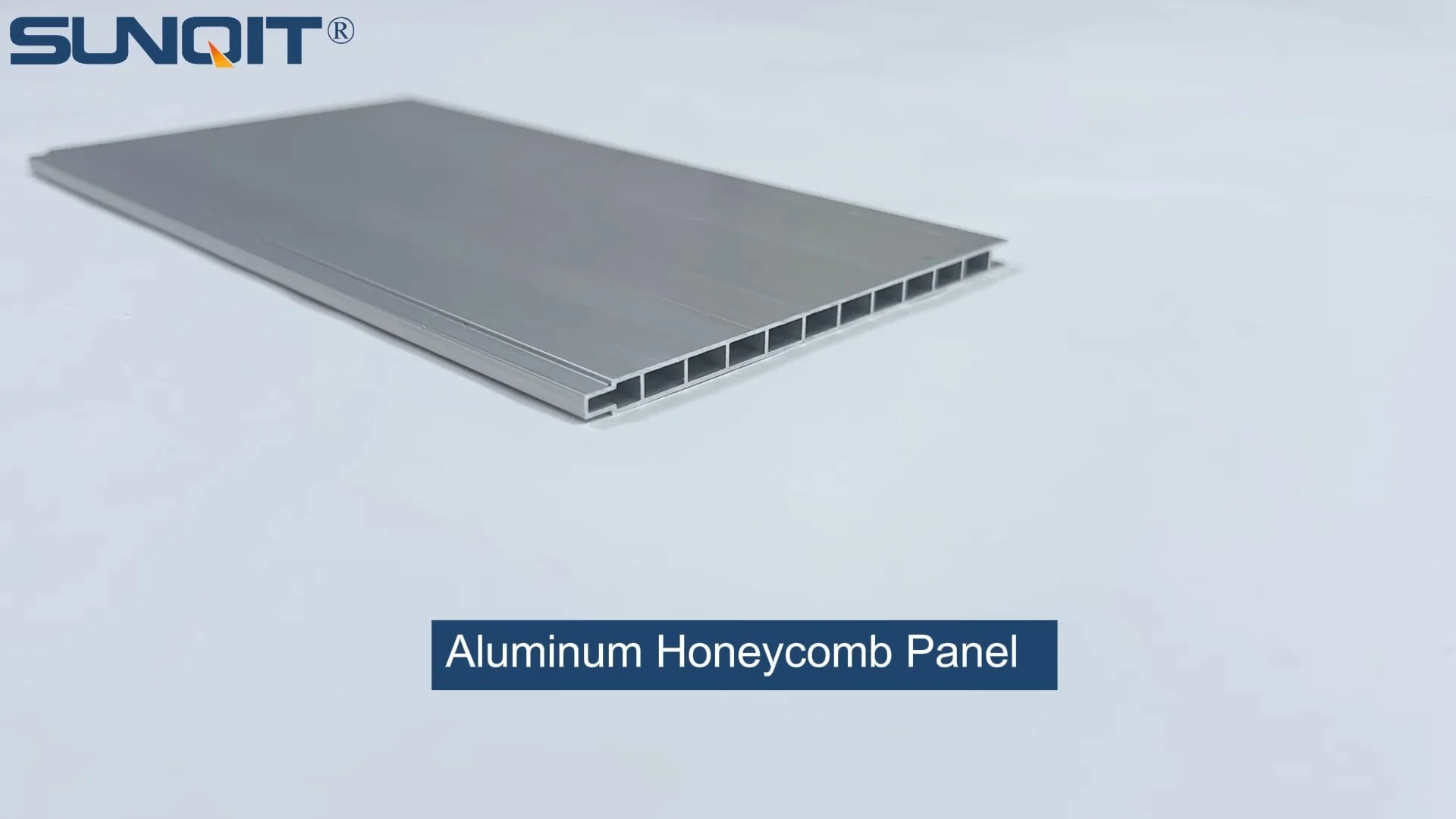
Aluminum Honeycomb Panel
Aluminum honeycomb panel used as table top, side wall, it is connected one pcs by one pcs from the side slot to make a full pieces.This panel width 105mm, 55mm, 35mm are optional for slection.
The Unsung Heroes of Medical Device Reliability
Walk into any modern healthcare facility, and you'll be surrounded by technology that saves lives. From MRI machines that peer into the human body with pinpoint accuracy to portable ultrasound devices that monitor fetal health, these tools are the backbone of modern medicine. But behind every high-tech gadget lies a critical, often overlooked component: the enclosure. These outer shells do more than just house circuit boards and sensors—they protect sensitive electronics from dust, moisture, and physical impact, ensure compliance with strict safety standards, and, perhaps most importantly, maintain the sterility that's non-negotiable in medical settings. When it comes to choosing materials for these enclosures, one option has risen to the top in recent years: aluminum honeycomb panels. Lightweight yet surprisingly strong, these panels offer a unique blend of properties that make them ideal for the demanding world of medical device manufacturing.
Why Medical Device Enclosures Can't Afford to Cut Corners
Medical devices operate in environments that would test even the toughest materials. Think about it: an ultrasound machine might be wheeled from a sterilized exam room to a busy ER, exposed to spills, bumps, and constant cleaning with harsh disinfectants. A surgical laser enclosure must withstand repeated wipe-downs with alcohol-based solutions without degrading. Meanwhile, enclosures for lab equipment used in pharmaceutical research need to resist corrosion from chemicals and maintain a sealed environment to prevent contamination of samples. In short, these enclosures aren't just protective casings—they're active participants in ensuring patient safety and device longevity.
Regulatory bodies like the FDA and ISO set rigorous standards for medical device materials. For example, ISO 10993 outlines biocompatibility requirements, ensuring that materials don't leach harmful substances into the body or environment. Sterility maintenance is another key concern; enclosures must have smooth, non-porous surfaces that prevent bacterial growth and are easy to clean. Corrosion resistance is equally vital, as exposure to moisture, cleaning agents, and even bodily fluids can degrade materials over time, leading to cracks, rust, or structural weakness. Fail to meet these standards, and a device could be pulled from the market, putting patients at risk and costing manufacturers millions in recalls.

Aluminum Honeycomb Panels: A Material Built for the Challenge
So, what makes aluminum honeycomb panels stand out in this crowded field? Let's start with their structure. These panels are composed of a lightweight honeycomb core—typically made from aluminum—sandwiched between two thin aluminum sheets (called skins). The result is a material that's remarkably strong for its weight. Picture a beehive: the hexagonal cells of the honeycomb core distribute weight evenly, giving the panel exceptional rigidity without adding bulk. This is a game-changer for medical devices, many of which need to be portable (think of a mobile X-ray machine) or mounted in space-constrained areas (like an ICU where every inch counts).
But strength and weight are just the beginning. Aluminum, as a base material, brings a host of benefits to the table. It's naturally resistant to corrosion thanks to a thin oxide layer that forms on its surface, protecting the metal beneath from rust and degradation. When combined with the honeycomb structure, this resistance is amplified, making the panels suitable for wet or chemically intensive environments. Additionally, aluminum is non-toxic and biocompatible, checking the box for ISO 10993 compliance. And unlike some plastics or composite materials, aluminum honeycomb panels don't off-gas harmful chemicals, which is crucial for enclosures that might be used in enclosed spaces like operating rooms.

Sterility: The Foundation of Patient Safety
Smooth Surfaces, Zero Compromises
In healthcare, sterility isn't just a buzzword—it's a matter of life and death. A single bacterial colony on a device enclosure could lead to a hospital-acquired infection (HAI), which affects millions of patients worldwide each year. That's why medical device enclosures must be designed to minimize bacterial growth and maximize cleanability. Aluminum honeycomb panels excel here, thanks to their smooth, non-porous surfaces. Unlike materials with seams, cracks, or rough textures (which can trap dirt and germs), these panels can be manufactured with a seamless finish that leaves nowhere for bacteria to hide.
But it's not just about the surface. The aluminum itself plays a role in maintaining sterility. Unlike wood or some plastics, aluminum doesn't absorb moisture, which means it won't swell, warp, or create pockets where mold or bacteria can thrive. This is especially important in high-humidity environments like sterilization rooms or neonatal units, where moisture levels are consistently high. When combined with the right coatings—like anodized finishes, which create an even more durable, scratch-resistant surface—aluminum honeycomb panels become even easier to clean. A quick wipe with a disinfectant solution is often all it takes to eliminate pathogens, reducing the risk of cross-contamination between patients.
Standing Up to Harsh Cleaning Protocols
Medical staff don't mess around when it comes to cleaning. Enclosures are regularly subjected to aggressive cleaning agents, including bleach, hydrogen peroxide, and quaternary ammonium compounds. Many are also exposed to high-temperature sterilization processes, like autoclaving, which uses steam at 132°C (270°F) to kill even the most stubborn pathogens. Materials that can't handle these treatments quickly fail: plastics might melt or become brittle, while untreated steel could rust or corrode. Aluminum honeycomb panels, however, laugh in the face of these challenges.
Aluminum's natural oxide layer is resistant to most common disinfectants, meaning the panels won't degrade or discolor even after repeated cleanings. Anodized aluminum takes this a step further; the anodization process thickens the oxide layer, making it even more resistant to chemicals and abrasion. This durability ensures that the enclosure's sterility isn't compromised over time, even with daily cleaning regimens. For manufacturers, this translates to devices that maintain their performance and safety credentials for years, reducing the need for frequent replacements and lowering long-term costs.
Corrosion Resistance: Built to Last in Hostile Environments
If sterility is about protecting patients, corrosion resistance is about protecting the device itself. Medical environments are rife with corrosion-causing agents: moisture from steam sterilizers, salt from saline solutions, acids from bodily fluids, and chemicals from cleaning products. A device enclosure that succumbs to corrosion isn't just an eyesore—it can lead to structural weakness, electrical malfunctions, or even contamination. Aluminum honeycomb panels are engineered to stand up to these threats, thanks to aluminum's inherent properties and the panel's unique construction.
Aluminum's natural defense against corrosion is its oxide layer, a thin film of aluminum oxide that forms instantly when the metal is exposed to air. This layer is self-healing: if it's scratched or damaged, it quickly reforms, preventing further oxidation. In contrast, steel relies on coatings like paint or zinc (galvanization) for protection, which can chip or wear off over time, leaving the metal vulnerable to rust. For medical devices that see heavy use, this self-healing property is a lifesaver—literally. Even if a panel gets nicked during transport or use, it won't start rusting or corroding, ensuring the enclosure remains intact and functional.
The honeycomb core adds another layer of protection. Because the core is made of aluminum (or sometimes other corrosion-resistant materials), there's no risk of dissimilar metal corrosion, a common issue when different metals are joined together. This is critical for enclosures that might have metal fasteners or hinges; with aluminum honeycomb panels, the entire structure works together to resist degradation. Whether the device is used in a humid tropical clinic or a cold storage facility for vaccines, the enclosure will maintain its integrity, ensuring the device inside remains safe and operational.
Manufacturing Excellence: How Aluminum Extrusion Profiles Elevate Production
While aluminum honeycomb panels are the stars of the show, they rarely work alone. Many medical device enclosures combine these panels with aluminum extrusion profiles to create frames, brackets, or support structures. Aluminum extrusion is a manufacturing process where aluminum is forced through a die to create complex cross-sectional shapes, like channels, angles, or tubes. This process allows for precise, consistent profiles that can be customized to fit the unique needs of each device.
Why pair aluminum extrusion profiles with honeycomb panels? For starters, extrusion profiles add structural support, allowing manufacturers to create enclosures with intricate designs without sacrificing strength. For example, a diagnostic machine might use extrusion profiles to create a rigid frame, with honeycomb panels attached to the sides and top to reduce weight. The profiles can also include features like T-slots, which make it easy to mount components like handles, wheels, or cable management systems—all without drilling holes that could compromise the enclosure's integrity.
Another benefit of aluminum extrusion profiles is their compatibility with aluminum honeycomb panels. Both materials are lightweight, corrosion-resistant, and easy to machine, making them a natural fit for assembly. They can be joined using adhesives, rivets, or specialized fasteners, creating a seamless, strong bond that won't degrade over time. This compatibility also simplifies the manufacturing process, reducing production time and costs. For medical device manufacturers, who often operate on tight deadlines and budgets, this efficiency is a significant advantage.
Comparing Materials: Why Aluminum Honeycomb Panels Come Out on Top
To truly appreciate the value of aluminum honeycomb panels, it helps to compare them to other common enclosure materials. Let's take a look at how they stack up against stainless steel, plastic, and traditional aluminum sheets:
| Material | Weight (per sq. ft) | Sterility Maintenance | Corrosion Resistance | Strength | Cost (Relative) |
|---|---|---|---|---|---|
| Aluminum Honeycomb Panel | 2-4 lbs | Excellent (smooth, non-porous) | Excellent (self-healing oxide layer) | High (rigid, impact-resistant) | Moderate |
| Stainless Steel | 10-15 lbs | Good (non-porous, but heavier) | Good (but prone to pitting in chloride environments) | Very High | High |
| Plastic (ABS/PVC) | 1-3 lbs | Poor (porous, can harbor bacteria) | Fair (resistant to some chemicals, but prone to cracking) | Low (flexible, easily dented) | Low |
| Traditional Aluminum Sheet | 5-8 lbs | Good (smooth surface) | Good (oxide layer, but less rigid) | Moderate (prone to bending) | Moderate |
As the table shows, aluminum honeycomb panels strike a balance that's hard to beat. They're lighter than stainless steel and traditional aluminum sheets, making them ideal for portable devices. They offer better sterility and corrosion resistance than plastic, and their strength-to-weight ratio is unmatched. While they may cost more than plastic upfront, their durability and low maintenance requirements make them a cost-effective choice over the long term—especially in medical settings where device downtime can have life-or-death consequences.
Real-World Applications: Where Aluminum Honeycomb Panels Shine
From Operating Rooms to Research Labs
Aluminum honeycomb panels have found their way into a wide range of medical devices, thanks to their versatility. Let's take a closer look at some real-world applications:
Imaging Equipment Enclosures: MRI and CT scanners are among the most sensitive medical devices, requiring enclosures that shield electronics from electromagnetic interference (EMI) and maintain a stable internal environment. Aluminum honeycomb panels, when combined with conductive coatings, provide excellent EMI shielding while keeping the overall weight of the scanner manageable. Their smooth surfaces also make them easy to clean, a must in radiology departments where multiple patients are scanned daily.
Surgical Device Casings: Tools like laparoscopic cameras and electrosurgical units need enclosures that can withstand repeated sterilization. Aluminum honeycomb panels hold up to autoclaving and chemical sterilization, ensuring that the devices remain sterile and functional through hundreds of procedures. Their lightweight design also reduces fatigue for surgeons who may hold these tools for extended periods.
Lab Equipment Housing: In pharmaceutical labs, enclosures for spectrometers and chromatographs must resist corrosion from solvents and chemicals. Aluminum honeycomb panels excel here, withstanding exposure to acids, bases, and organic solvents without degrading. Their rigidity also helps maintain the precision of these instruments, which rely on stable environments to produce accurate results.
Mobile Medical Carts: These carts, used to transport everything from medications to patient monitors, need to be lightweight yet sturdy. Aluminum honeycomb panels reduce the cart's weight, making it easier for nurses to maneuver, while still providing enough strength to support heavy equipment. The panels' resistance to dents and scratches ensures the carts look professional and remain functional even after years of use.
Future Trends: Innovations in Aluminum-Based Medical Enclosures
As medical technology advances, so too do the demands on device enclosures. Manufacturers are constantly looking for ways to make devices smaller, lighter, and more durable, and aluminum honeycomb panels are evolving to meet these needs. One emerging trend is the integration of smart features into enclosures, such as embedded sensors that monitor temperature, humidity, or sterility levels. Aluminum honeycomb panels can be engineered to accommodate these sensors without compromising their structural integrity, creating "smart enclosures" that provide real-time data on device conditions.
Another area of innovation is sustainability. With healthcare facilities under pressure to reduce their environmental footprint, manufacturers are exploring recycled aluminum honeycomb panels. These panels, made from post-consumer aluminum, offer the same performance as virgin aluminum but with a lower carbon footprint. Additionally, aluminum is infinitely recyclable, meaning end-of-life enclosures can be melted down and reused, reducing waste in landfills.
Finally, advancements in aluminum extrusion profiles are opening up new design possibilities. 3D printing of extrusion dies allows for more complex, customized profiles that can be tailored to specific device needs. This means enclosures can be lighter, stronger, and more ergonomic than ever before, further cementing aluminum's role as the material of choice for medical device enclosures.
Conclusion: A Material That Puts Patients First
At the end of the day, medical device enclosures are about more than just protecting electronics—they're about protecting patients. Aluminum honeycomb panels, with their unbeatable combination of sterility, corrosion resistance, strength, and lightweight design, are helping manufacturers create devices that are safer, more reliable, and more efficient. Whether in a busy hospital, a remote clinic, or a cutting-edge research lab, these panels are quietly ensuring that medical devices perform when they're needed most.
As healthcare continues to evolve, the demand for high-performance enclosure materials will only grow. Aluminum honeycomb panels, supported by innovations in aluminum extrusion profiles and manufacturing techniques, are poised to remain at the forefront of this evolution. For manufacturers, choosing these panels isn't just a technical decision—it's a commitment to patient safety, device longevity, and the future of medicine. And in a field where every detail matters, that's a choice that makes all the difference.