- Company Articles
- Products and Technology
- Product knowledge
- Aluminum Honeycomb Panels for Modular Storage Systems: Adapting to Changing Inventory Needs

Aluminum Honeycomb Panels for Modular Storage Systems: Adapting to Changing Inventory Needs
Related Product
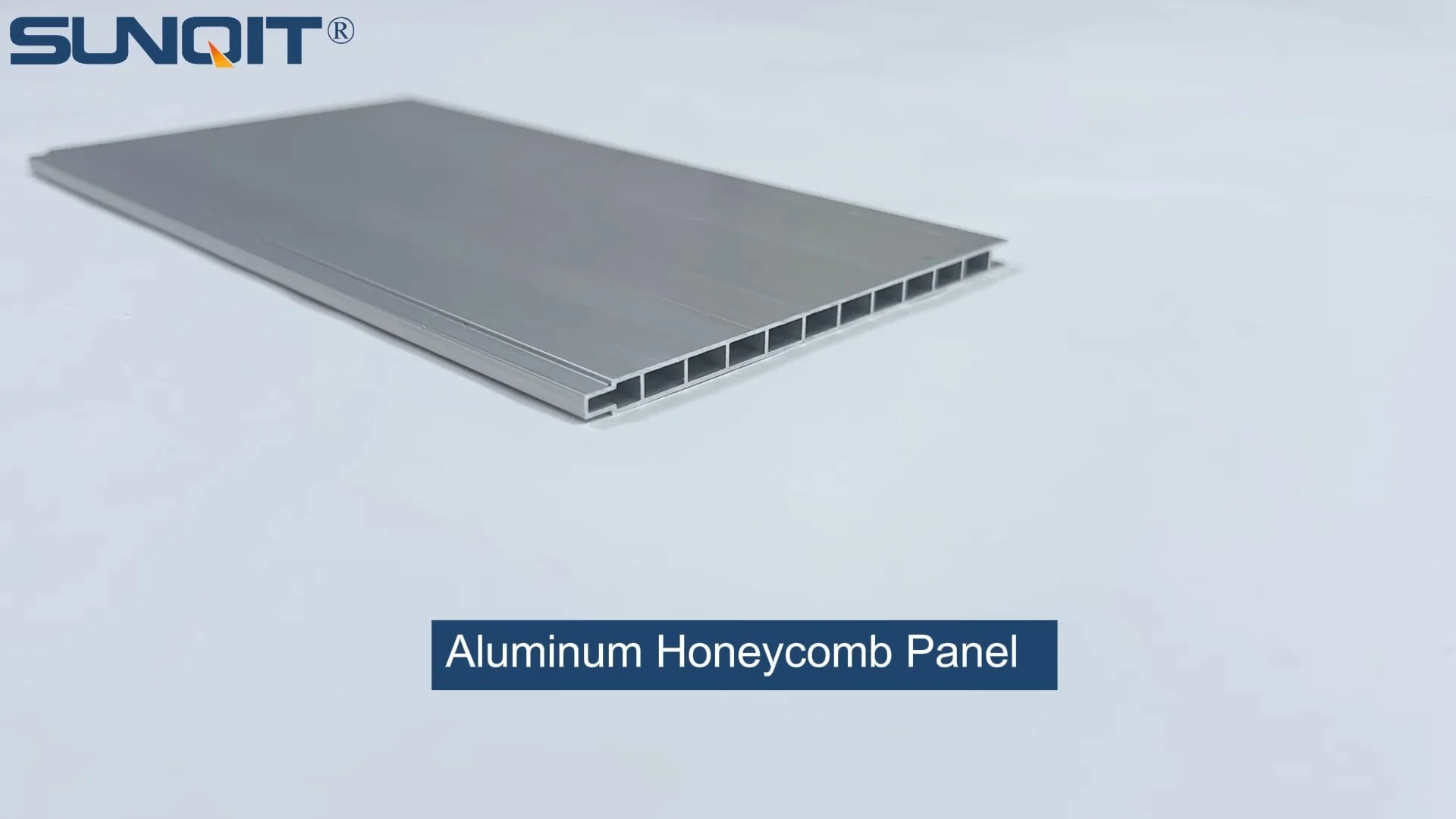
Aluminum Honeycomb Panel
Aluminum honeycomb panel used as table top, side wall, it is connected one pcs by one pcs from the side slot to make a full pieces.This panel width 105mm, 55mm, 35mm are optional for slection.
The Inventory Puzzle: Why Static Storage No Longer Cuts It
Running a business today means juggling a million moving parts—literally and figuratively. One of the biggest headaches? Keeping up with inventory. Whether you're a small workshop churning out custom parts or a large warehouse managing thousands of SKUs, the only constant is change. Seasonal spikes, sudden product launches, supply chain delays, or even a shift in customer demand can turn your carefully planned storage setup into a chaotic mess overnight. And if your storage system is rigid—think fixed metal shelves bolted to the floor or wooden workbenches that haven't moved in a decade—you're not just losing time. You're losing money, efficiency, and the ability to pivot when opportunity (or crisis) strikes.
Take it from someone who's seen it all: I once worked with a mid-sized electronics manufacturer that relied on traditional steel shelving. Every fall, when holiday orders poured in, they'd scramble to add temporary racks, stacking boxes on the floor, and wasting hours moving inventory around. By the time spring rolled around, those temporary setups became permanent eyesores, eating up valuable floor space. Sound familiar? The problem isn't just about having enough storage—it's about having storage that adapts . Storage that grows with you, shrinks when needed, and reconfigures on the fly without requiring a construction crew or a week of downtime.
This is where modular storage systems step in. Unlike static setups, modular systems are built around flexibility—think of them as the Lego blocks of the industrial world. But not all modular systems are created equal. The materials matter, the design matters, and most importantly, how well they integrate with your day-to-day operations matters. And in recent years, one material has emerged as a standout player in this space: aluminum honeycomb panels. Paired with robust aluminum profiles and extrusion profiles, these panels are transforming how businesses handle storage, making "adaptable" less of a buzzword and more of a daily reality.
Enter Aluminum Honeycomb Panels: A Game-Changer in Modular Design
Let's start with the basics: What exactly is an aluminum honeycomb panel? At first glance, it might look like any other flat panel, but its magic lies in its structure. Imagine a sheet of aluminum with a core that mimics a honeycomb—hexagonal cells packed tightly together, sandwiched between two thin, strong aluminum skins. This design isn't just for show; it's engineering genius. The honeycomb core distributes weight evenly across the panel, giving it incredible strength without the bulk. In fact, pound for pound, aluminum honeycomb panels are often stronger than solid steel, but they're up to 70% lighter. That's a game-changer when you're building storage systems that need to be both durable and movable.
But strength and lightweight are just the beginning. Let's talk about versatility. Traditional storage materials like plywood or solid metal have their limits. Plywood warps over time, especially in humid environments, and solid metal is heavy, making it hard to reconfigure. Aluminum honeycomb panels, on the other hand, are resistant to moisture, corrosion, and even chemicals—perfect for warehouses, workshops, or cleanrooms where conditions can vary. They're also easy to cut, drill, and customize, so you can shape them to fit any space, whether you need a narrow shelf for small parts or a wide workbench top for assembling large components.
Another hidden benefit? Thermal and acoustic insulation. The honeycomb core acts as a natural barrier, keeping temperatures stable and reducing noise in busy environments. For businesses that store temperature-sensitive items or want to create quieter work zones, this is a huge plus. And let's not forget sustainability. Aluminum is 100% recyclable, and honeycomb panels use less material than solid sheets, reducing waste during production. In a world where customers and regulators alike are pushing for greener practices, this isn't just a nice-to-have—it's a necessity.
But here's the real kicker: aluminum honeycomb panels don't work in isolation. They're part of a larger ecosystem, and their true power shines when paired with the right framework. That's where aluminum profiles and aluminum extrusion profiles come into play.

The Backbone of Modularity: Aluminum Profiles and Extrusion Profiles
If aluminum honeycomb panels are the "faces" of modular storage systems, then aluminum extrusion profiles are the "skeletons." These profiles are the structural elements that hold everything together, and they're designed with one goal in mind: flexibility. How? Through a process called extrusion, where aluminum is pushed through a die to create complex cross-sectional shapes—think T-slots, grooves, and channels that make assembly a breeze. Unlike welded steel frames, which are fixed once built, extrusion profiles let you attach, detach, and reattach components with simple fasteners, no welding required.
Let's break it down. Imagine a standard aluminum extrusion profile—a long, slender beam with a series of T-shaped slots running along its length. These slots are like built-in tracks that accept nuts, bolts, brackets, and accessories. Want to add a shelf? Slide a bracket into the slot, tighten a bolt, and you're done. Need to move the shelf up six inches? Loosen the bolt, adjust, and retighten. It's that simple. This modularity means you're not stuck with a "one-and-done" design. As your needs change, your storage system can change with it.
Now, pair these profiles with aluminum honeycomb panels. The panels can be mounted directly to the profiles using brackets or clamps, creating shelves, workbench tops, dividers, or even vertical storage walls. The lightweight nature of the honeycomb panels means you don't need heavy-duty profiles to support them, keeping the overall system light and easy to maneuver. And because both the panels and profiles are aluminum, they're compatible by design—no worrying about mismatched materials or corrosion between different metals.
But extrusion profiles aren't just about holding panels. They're a platform for endless accessories. Need to add lighting under a shelf? There's a bracket for that. Want to install a barcode scanner mount on a workbench? Slide it into a T-slot. Casters for mobility? Just bolt them to the bottom of the profiles. The possibilities are nearly endless, and the best part is that you don't need a team of engineers to make it happen. With basic hand tools and a little know-how, anyone can reconfigure these systems in hours, not days.
| Feature | Traditional Steel Shelving | Aluminum Extrusion + Honeycomb Panel Systems |
|---|---|---|
| Weight | Heavy; difficult to move or reconfigure | Lightweight; easy to adjust and relocate |
| Assembly | Requires welding or specialized tools | Tool-free or basic hand tools; no welding |
| Customization | Limited; fixed dimensions once built | Highly customizable; adjust heights, add/remove components |
| Durability | Prone to rust if not painted; heavy wear over time | Corrosion-resistant; honeycomb panels resist warping/dents |
| Sustainability | Limited recyclability; high material waste | 100% recyclable aluminum; minimal waste in production |
This combination of honeycomb panels and extrusion profiles isn't just about building storage—it's about building a system that grows with your business. Let's take a closer look at two common applications where this pairing really shines: workbenches and flow racks.

Building Blocks of Adaptable Storage: Workbenches and Flow Racks Reimagined
Workbenches: Where Productivity Meets Flexibility
Workbenches are the heart of any workshop or assembly line. They're where ideas become products, where repairs happen, and where teams collaborate. But a static workbench—one with a fixed height, no storage, and a clunky wooden top—can quickly become a bottleneck. Enter modular workbenches built with aluminum extrusion profiles and aluminum honeycomb panel tops.
Let's start with the top. A honeycomb panel workbench top offers the best of both worlds: strength and lightness. It can support heavy tools, machinery, or assemblies without sagging, yet it's light enough that the entire workbench can be mounted on casters for easy mobility. (Yes, casters—those swiveling wheels that let you roll the bench across the floor with minimal effort.) Need to move the bench to a new production line? Unlock the casters and push. Want to create a temporary assembly station for a large order? Line up a few mobile benches and you've got instant workspace.
But the customization doesn't stop there. The aluminum extrusion profile legs can be adjusted for height, ensuring workers of all sizes can stand or sit comfortably—no more one-size-fits-all discomfort. T-slots on the legs and frame let you add accessories: tool hooks, monitor arms, bins for parts, or even overhead shelves for storage. And if your workflow changes—say, you start assembling larger products—you can extend the workbench by adding more profiles and honeycomb panels, creating a longer surface in minutes.
I visited a small aerospace parts manufacturer last year that had embraced these workbenches. Their team builds custom components for drones, and every project has different requirements. One week, they're assembling tiny circuit boards; the next, they're working on larger structural parts. Instead of having multiple fixed workbenches taking up space, they have four modular benches with honeycomb tops. When they need more surface area, they roll the benches together and lock them in place. When they need specialized tooling, they add brackets and holders to the T-slots. It's like having a chameleon workbench that adapts to every project.
Flow Racks: Keeping Inventory Moving, Efficiently
Now, let's shift from workspaces to storage spaces—specifically, flow racks. Flow racks (or gravity flow racks) are designed to keep inventory moving from the back to the front, using gravity to slide items forward as they're picked. They're a staple in warehouses, distribution centers, and manufacturing facilities where first-in, first-out (FIFO) inventory management is critical. But traditional flow racks often have fixed shelving angles, limited adjustability, and heavy steel frames that make reconfiguration a nightmare.
Modular flow racks, built with aluminum extrusion profiles and aluminum honeycomb panels, solve these problems. Here's how: The frame is constructed from lightweight extrusion profiles, making the rack easy to assemble and relocate. The shelves are made of honeycomb panels, but here's the twist: instead of solid shelves, the panels can be paired with roller tracks (another modular accessory) to create the gravity flow effect. The roller tracks fit into the T-slots of the profiles, and their angle can be adjusted to control how quickly items slide forward—perfect for delicate products that need a gentle glide or heavy boxes that require more momentum.
But the real advantage is adaptability. Let's say you normally store small boxes on a flow rack, but a new order comes in for larger, bulkier items. With traditional racks, you'd need to buy a whole new system. With modular racks? Simply remove the roller tracks, replace the honeycomb panels with wider ones, and adjust the shelf heights using the T-slots. Done. Or if you need to add more lanes to the rack to accommodate a new product line, just add more profiles and panels—no cutting or welding required.
A distribution center I worked with recently made the switch to these modular flow racks, and the difference was staggering. They handle seasonal clothing, so inventory sizes change dramatically—think small t-shirts in summer, bulky sweaters in winter. Before, they'd have to dismantle and rebuild sections of their steel flow racks every season, taking days of labor. Now, with aluminum profiles and honeycomb panels, two workers can reconfigure an entire rack in an afternoon. They save time, reduce labor costs, and most importantly, they can adapt to inventory changes without disrupting operations.
Lean Systems in Action: How Honeycomb Panels Support Lean Manufacturing
If you've spent any time in manufacturing or operations, you've probably heard of "lean manufacturing." At its core, lean is about eliminating waste—whether that's wasted time, wasted space, wasted materials, or wasted effort. It's about creating systems that are efficient, responsive, and customer-focused. And modular storage systems built with aluminum honeycomb panels, extrusion profiles, and flow racks align perfectly with lean principles.
Let's start with "just-in-time" (JIT) inventory, a cornerstone of lean. JIT means having the right amount of inventory, in the right place, at the right time—no excess, no shortages. To do this well, you need storage that can flex with demand. For example, if a sudden order comes in for a product, you need to quickly set up a temporary storage area near the assembly line to hold components. With modular systems, you can roll out a few flow racks with honeycomb shelves, stock them with parts, and start production—no delays, no wasted space storing excess inventory elsewhere.
Then there's "5S," a lean methodology focused on workplace organization: Sort, Set in Order, Shine, Standardize, Sustain. A cluttered, disorganized workspace wastes time as workers hunt for tools or parts. Modular workbenches and storage systems make 5S easier. With customizable shelves, bins, and tool holders attached to extrusion profiles, everything has a designated place. Honeycomb panel tops are easy to clean (no cracks or crevices for dirt to hide), supporting the "Shine" step. And because the system is standardized—using the same profiles and accessories across the facility—workers know exactly where to find and store items, reducing confusion and waste.
Another lean principle is "continuous improvement" (kaizen). The goal is to constantly refine processes, and that often means changing workflows. A rigid storage system resists change; a modular system embraces it. If a team suggests rearranging workbenches to reduce movement between stations, you can do it in a day. If data shows that a flow rack is causing bottlenecks, you can reconfigure the roller tracks or add more lanes. These small, incremental changes add up to big efficiency gains over time.
I once consulted with a automotive parts supplier that had adopted lean manufacturing but was stuck with outdated storage. Their production line was efficient, but their warehouse was a mess—fixed shelves, poor labeling, and no way to adapt to new part sizes. After switching to modular flow racks with honeycomb panels and aluminum profiles, they saw a 30% reduction in time spent picking parts and a 20% drop in inventory errors. Why? Because they could organize parts by production line, adjust shelf heights to fit different boxes, and even color-code honeycomb panel dividers for quick identification. Lean isn't just about processes; it's about having the right tools to support those processes, and modular storage systems are one of the most powerful tools in the lean toolkit.
Customization Without Compromise: Tailoring Storage to Your Unique Needs
One of the biggest myths about modular systems is that they're "cookie-cutter"—that you're limited to a few standard configurations. Nothing could be further from the truth. Aluminum honeycomb panels and extrusion profiles are inherently customizable, letting you build storage systems that fit your space, your inventory, and your workflow like a glove. Let's dive into some of the ways you can tailor these systems to your unique needs.
First, size matters. Whether you're working in a cramped garage or a sprawling warehouse, modular systems can be scaled to fit. Need a tiny parts organizer for a workshop? Start with a small frame of 20x20mm aluminum profiles and honeycomb panel shelves. Running out of space in a large warehouse? Add tall vertical racks using 40x80mm profiles and extended honeycomb panels to maximize vertical storage. The beauty is that you don't have to overbuy—start small and expand as needed, or downsize if you move to a smaller facility.
Then there's load capacity. Not all inventory is created equal—some items are light (like electronics components), others are heavy (like machinery parts). Aluminum honeycomb panels come in different thicknesses and core densities, allowing you to choose the right strength for the job. For light loads, a thin panel with a low-density core works fine. For heavy loads, opt for a thicker panel with a denser honeycomb structure. And because the panels are paired with aluminum extrusion profiles, you can reinforce the frame with cross-braces or heavier-duty profiles if needed—no need to replace the entire system.
Aesthetics might not seem like a priority for storage systems, but they matter more than you think. A clean, organized workspace boosts morale and makes a good impression on visitors. Aluminum honeycomb panels come in a range of finishes—brushed, anodized, or powder-coated in custom colors—to match your brand or facility design. Extrusion profiles can also be powder-coated, creating a cohesive look. For example, a tech startup might choose sleek black panels and silver profiles for a modern vibe, while a food processing plant could opt for white panels for a clean, hygienic appearance.
Specialized needs? No problem. Need ESD (electrostatic discharge) protection for sensitive electronics? Honeycomb panels can be treated with ESD coatings to dissipate static, preventing damage to components. Working in a cold storage facility? Aluminum's thermal conductivity can be managed with insulated honeycomb cores to reduce condensation. Handling corrosive materials? Stainless steel accessories and anodized aluminum panels resist rust and chemical damage. Whatever your industry or challenge, there's a customization option to meet it.
Perhaps the most powerful customization tool is integration with other systems. Modular storage isn't an island—it can work with conveyor belts, automated picking systems, or even IoT (Internet of Things) devices. For example, you could mount barcode scanners or RFID readers to aluminum profiles, tracking inventory in real time as items move through flow racks. Or connect sensors to honeycomb panel shelves to monitor weight, alerting you when stock is low. The possibilities are limited only by your imagination (and, of course, your budget).
Durability Meets Sustainability: The Long-Term Value of Aluminum Solutions
When investing in storage systems, two questions always come up: "How long will it last?" and "Is it worth the cost?" With aluminum honeycomb panels and extrusion profiles, the answer to both is a resounding "yes." These systems are built to last, and their long-term value far outweighs the initial investment.
Let's start with durability. Aluminum is naturally resistant to corrosion, thanks to a thin oxide layer that forms on its surface, protecting it from rust and degradation. This makes it ideal for humid environments, warehouses near the coast, or facilities that use water or chemicals in their processes. Unlike wood, which rots or warps, or steel, which needs constant painting to prevent rust, aluminum requires minimal maintenance. A quick wipe with a damp cloth is usually all it takes to keep panels and profiles looking new.
The honeycomb structure itself is also incredibly tough. The hexagonal cells distribute impact force across the panel, making it resistant to dents and scratches. In high-traffic areas—like workbenches where tools are dropped or flow racks where boxes are slid—this durability translates to less wear and tear over time. I've seen honeycomb panel workbenches in factories that have been in use for a decade, and they still look and function like new. Compare that to wooden workbenches, which might splinter or warp after a few years, or particleboard shelves that sag under weight.
Now, let's talk about sustainability. In today's business landscape, "green" isn't just a trend—it's a responsibility. Aluminum is one of the most sustainable metals on the planet. It's 100% recyclable, and recycling aluminum uses just 5% of the energy required to produce new aluminum from raw materials. Honeycomb panels, by design, use less aluminum than solid sheets, reducing material consumption and waste during manufacturing. And because modular systems are adaptable, they have a longer lifespan than static systems—you're not throwing away a entire rack when you need to make a change; you're reusing the components.
The long-term cost savings are also significant. Let's do the math. Suppose you buy a traditional steel shelving unit for $500. It lasts 5 years, then needs to be replaced because it's rusted or you've outgrown it. Over 10 years, you'll spend $1000. Now, a modular system with aluminum profiles and honeycomb panels might cost $800 upfront, but it can be reconfigured, expanded, or repurposed as your needs change. It lasts 15+ years, and you can add components (like more panels or profiles) for a fraction of the cost of a new system. Over 10 years, you might spend $900 total, and you'll have a system that adapts to your business, not the other way around. When you factor in reduced labor costs (from faster reconfigurations), fewer replacements, and improved efficiency, the ROI becomes clear.
Sustainability also has a PR angle. More and more customers are choosing to work with eco-friendly businesses. By investing in recyclable, low-waste storage systems, you're not just saving money—you're building a reputation as a responsible company. It's a win-win.
Real-World Success Stories: Businesses Thriving with Adaptable Storage
Numbers and features are great, but nothing tells the story like real-world examples. Let's look at a few businesses—big and small—that have transformed their operations with aluminum honeycomb panels, aluminum profiles, and modular storage systems.
Case Study 1: A Growing E-Commerce Fulfillment Center
An e-commerce company specializing in health and beauty products started with a small warehouse and traditional pallet racks. As online shopping boomed, their inventory exploded—from 500 SKUs to over 5,000 in just three years. Their static racks couldn't keep up; they were running out of space, and picking times were ballooning. After consulting with a modular storage supplier, they switched to a combination of flow racks (using aluminum profiles and honeycomb panel shelves) and vertical carousels. The flow racks were configured with adjustable roller tracks to handle different box sizes, and honeycomb panels were used as dividers to separate SKUs. The result? Picking time per order dropped by 40%, and they were able to store 30% more inventory in the same footprint by utilizing vertical space with taller extrusion profile frames. During peak holiday seasons, they added temporary flow rack modules to handle the surge, then reabsorbed them into the main system afterward. No more renting extra warehouse space—just a system that grew with them.
Case Study 2: A Small Electronics Repair Shop
A family-owned electronics repair shop with just five employees was struggling with a cramped workspace. Their workbenches were old wooden tables cluttered with tools, and parts were stored in mismatched bins and drawers. They wanted to expand their services to include custom builds but needed more organized space. They invested in two modular workbenches with aluminum extrusion profiles, honeycomb panel tops, and adjustable shelves. The benches were mounted on casters, so they could be rolled together for team projects or separated for individual repairs. T-slots on the benches held tool holders, magnifying lamps, and small parts bins. The honeycomb tops were powder-coated in a light color to make small screws and components easier to see. Within six months, their repair time per device dropped by 25%, and they had enough space to launch their custom build service—doubling their revenue in the first year.
Case Study 3: A Large Automotive Manufacturer
A major automotive manufacturer was revamping its production line to focus on electric vehicles (EVs). The shift required new tools, new parts, and a new workflow. Their existing steel workbenches and fixed storage racks were too rigid to accommodate the changes. They turned to modular systems, replacing old workbenches with aluminum profile frames and honeycomb panel tops that could be adjusted for height and fitted with EV-specific tooling. Flow racks with honeycomb shelves and ESD roller tracks were installed along the production line to deliver parts directly to workers, reducing walking time. The system was so successful that the manufacturer rolled it out to three other plants, saving an estimated $2 million annually in labor and reconfiguration costs. As they continue to innovate, their modular storage systems evolve with them—no more costly overhauls every time a new model is introduced.
These stories have one thing in common: adaptability. Each business faced unique challenges, but modular storage systems gave them the flexibility to overcome those challenges without starting from scratch. They didn't just buy storage—they invested in a tool for growth.
Looking Ahead: The Future of Modular Storage and Honeycomb Technology
The world of storage and material handling is constantly evolving, and aluminum honeycomb panels and modular systems are at the forefront of that evolution. What does the future hold? Let's explore a few trends that are set to shape the industry in the coming years.
First, smarter integration with technology. As Industry 4.0 (the fourth industrial revolution) gains steam, we'll see more modular storage systems connected to the Internet of Things (IoT). Imagine honeycomb panel shelves with built-in sensors that track inventory levels in real time, alerting you when stock is low or when items are misplaced. Or extrusion profiles with embedded RFID tags that help robots navigate warehouses and pick items autonomously. The line between "storage" and "smart storage" is blurring, and aluminum systems are the perfect platform for this integration, thanks to their durable, customizable design.
Second, advances in honeycomb panel technology. Researchers are experimenting with new core materials—like carbon fiber or recycled plastics—to make panels even lighter, stronger, or more insulating. We might see panels with integrated heating or cooling elements for temperature-sensitive storage, or panels with antimicrobial coatings for healthcare or food processing facilities. The goal is to make honeycomb panels not just structural components, but active participants in the storage process.
Third, more sustainable manufacturing processes. Aluminum extrusion already uses recycled materials, but manufacturers are pushing to reduce energy consumption further. New extrusion techniques that use less heat, or honeycomb panel production that generates zero waste, are on the horizon. And as circular economy principles gain traction, we'll see more companies offering take-back programs for old modular systems, recycling the aluminum and repurposing the components.
Finally, greater accessibility for small businesses. Modular systems were once seen as a luxury for large corporations, but as manufacturing costs decrease and suppliers offer more entry-level options, small and medium-sized businesses (SMBs) are getting in on the action. We'll see more "starter kits"—pre-configured workbenches or flow racks that small businesses can buy and expand as they grow. This democratization of modular storage will level the playing field, letting SMBs compete with larger companies on efficiency and adaptability.
Conclusion: Embracing Change with the Right Tools
In a world where change is the only constant, your storage system shouldn't be the thing holding you back. Aluminum honeycomb panels, paired with aluminum extrusion profiles, offer a solution that's strong, lightweight, customizable, and sustainable. They're not just about storing inventory—they're about empowering your business to adapt, grow, and thrive.
Whether you're a small workshop looking to organize your space or a large warehouse struggling with seasonal demand, modular storage systems built around these materials can transform how you work. They reduce waste, save time, boost morale, and give you the flexibility to tackle whatever the future throws your way.
So, what's next? Take a look at your current storage setup. Is it working for you, or against you? Are you spending more time moving inventory than managing it? Could your workspace be more efficient? If the answer to any of these is "yes," it might be time to explore modular solutions. Talk to a supplier, request a demo, or even start small with a single workbench or flow rack. You'll be amazed at how quickly a little adaptability can make a big difference.
Remember, the best storage system isn't the one that holds the most stuff—it's the one that grows with you. And with aluminum honeycomb panels and extrusion profiles, the possibilities are endless. Here's to embracing change, one modular component at a time.