- Company Articles
- Products and Technology
- Product knowledge
- Aluminum Honeycomb Panels for Workbenches: Enhancing Durability in 3C Assembly Lines

Aluminum Honeycomb Panels for Workbenches: Enhancing Durability in 3C Assembly Lines
Related Product
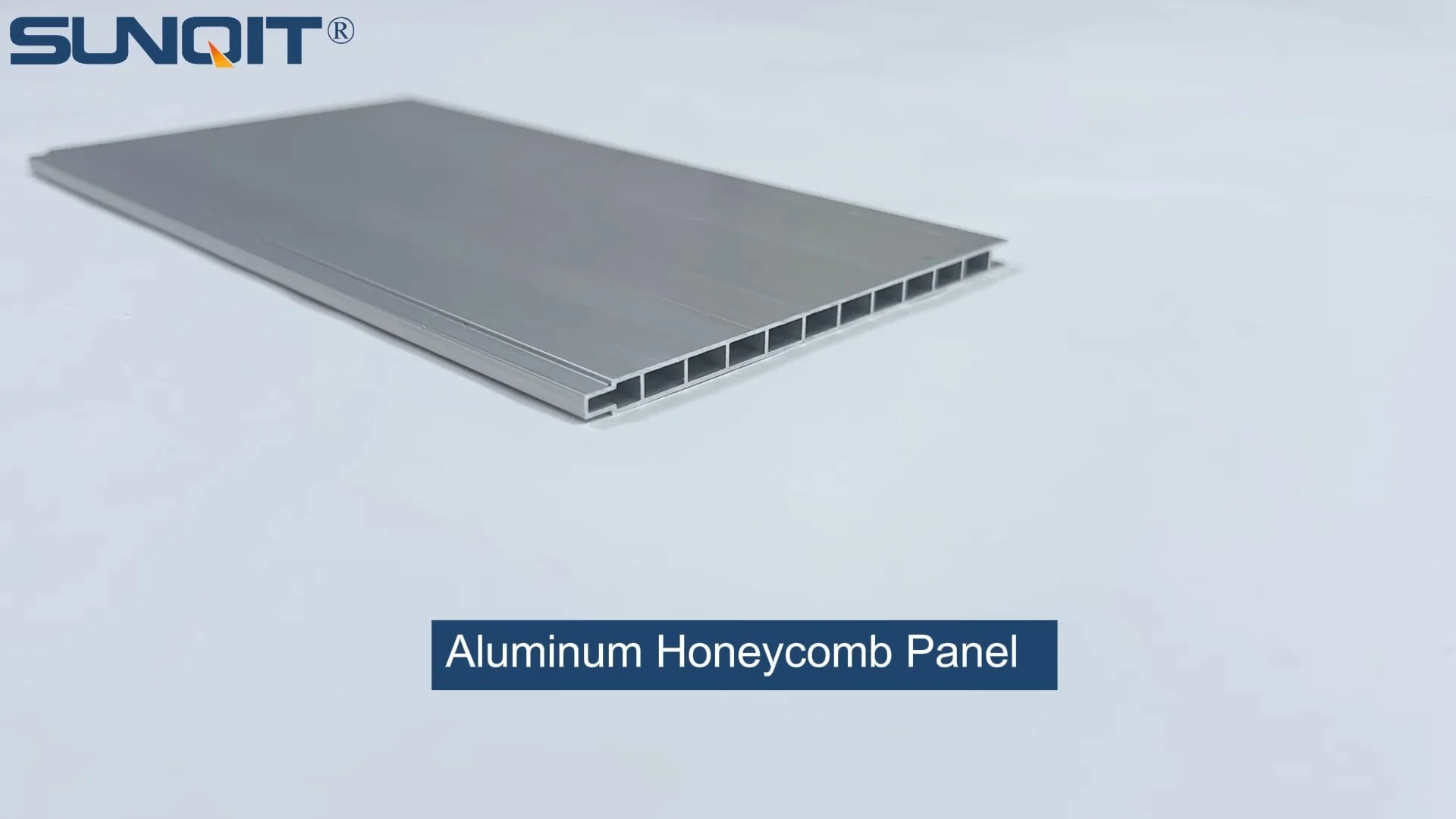
Aluminum Honeycomb Panel
Aluminum honeycomb panel used as table top, side wall, it is connected one pcs by one pcs from the side slot to make a full pieces.This panel width 105mm, 55mm, 35mm are optional for slection.
Walk into any modern 3C (computers, communications, consumer electronics) assembly line, and you'll quickly realize that every detail matters. From the precision of a smartphone's circuit board to the seamless fit of a laptop's casing, the difference between a flawless product and a defective one often lies in the small, unglamorous elements of the production process. Among these unsung heroes, the humble workbench stands out—not as a flashy piece of tech, but as the backbone of daily operations. For workers assembling delicate components for hours on end, and for manufacturers aiming to minimize downtime and maximize efficiency, the workbench's durability isn't just a nice-to-have; it's a make-or-break factor. That's where aluminum honeycomb panels come in. In this article, we'll explore how these innovative panels are revolutionizing workbenches in 3C assembly lines, why they outperform traditional materials, and how they align with the demands of modern manufacturing.
The Critical Role of Workbenches in 3C Assembly: More Than Just a Table
To understand why workbench durability matters, let's first zoom in on what a typical 3C assembly line demands from its work surfaces. Imagine a worker in a smartphone factory: they're handling tiny screws, sensitive microchips, and fragile screens. The workbench beneath them isn't just a place to set tools—it's a platform that must remain stable during repetitive tasks, resist scratches from metal tools, support varying weights (from a single screwdriver to a batch of semi-assembled devices), and even protect components from static electricity. In high-volume production, where lines run 24/7, a workbench that warps, cracks, or shows signs of wear after a few months isn't just an inconvenience; it's a bottleneck. Replacements mean halted production, increased costs, and inconsistent work conditions—all of which eat into profit margins and product quality.
Traditional workbenches, often made from solid wood, plastic, or even solid steel, have long struggled to keep up with these demands. Wood, while cheap, is prone to warping in humid factory environments and scratches easily. Plastic, though lightweight, lacks the structural integrity to support heavy equipment. Solid steel, on the other hand, is durable but so heavy that reconfiguring assembly lines (a common need in agile manufacturing) becomes a Herculean task. And none of these materials inherently address the need for ESD (electrostatic discharge) protection—a critical feature in 3C assembly, where a single static spark can fry a $500 microchip. Enter the aluminum honeycomb panel : a material that seems engineered specifically to solve these pain points.
What Are Aluminum Honeycomb Panels? A Closer Look at the Innovation
At first glance, an aluminum honeycomb panel might look like any other metal sheet, but its magic lies in its internal structure. Picture a sheet of aluminum with a core that mimics a honeycomb—hundreds of tiny, hexagonal cells sandwiched between two thin aluminum skins. This design isn't just aesthetically pleasing; it's a masterpiece of engineering. The honeycomb core distributes weight evenly across the panel, while the outer skins provide rigidity and resistance to impact. The result? A material that's simultaneously lightweight and incredibly strong—stronger, in fact, than many solid materials of the same thickness.
But what makes this structure ideal for workbenches? Let's break it down. The hexagonal cells in the core act like miniature pillars, absorbing and dispersing force. If you drop a tool on the bench, the honeycomb core cushions the impact, preventing dents or cracks. The thin aluminum skins, often treated with anti-scratch coatings, resist abrasions from daily use. And because the panel is hollow (but reinforced), it's significantly lighter than a solid steel or wood top—making it easy to move or reconfigure as assembly lines evolve. For 3C manufacturers embracing lean manufacturing principles, where flexibility and efficiency are paramount, this combination of strength and lightness is a game-changer.

Traditional Workbench Materials vs. Aluminum Honeycomb Panels: A Clear Winner
To truly appreciate the benefits of aluminum honeycomb panels, let's compare them to the materials they're replacing. Below is a breakdown of how they stack up against solid wood, plastic, and solid steel in key categories that matter most to 3C assembly lines:
| Material | Weight (per sq. meter) | Impact Resistance | Scratch Resistance | ESD Compatibility | Longevity (Typical Lifespan) |
|---|---|---|---|---|---|
| Solid Wood | 25-35 kg | Low (prone to dents/cracks) | Low (easily scratched by tools) | Poor (requires additional coatings) | 1-2 years (with heavy use) |
| Plastic (HDPE) | 10-15 kg | Medium (flexible but can warp) | Medium (resists minor scratches, not heavy tools) | Variable (some formulations offer ESD protection) | 2-3 years (prone to UV damage/yellowing) |
| Solid Steel | 40-50 kg | High (resists dents, but heavy impact can bend) | High (but prone to rust without coatings) | Good (conductive, but heavy) | 5-7 years (but weight limits reconfiguration) |
| Aluminum Honeycomb Panel | 8-12 kg | Very High (honeycomb core absorbs impact) | Very High (anodized/aluminum skins resist scratches) | Excellent (can be treated for ESD protection) | 10+ years (with minimal wear) |
The data speaks for itself. Aluminum honeycomb panels are lighter than all alternatives except plastic, yet outperform them in impact and scratch resistance. They're also inherently compatible with ESD requirements (more on that later) and last 2-10 times longer than traditional materials. For 3C manufacturers, this translates to fewer replacements, lower labor costs for reconfiguring lines, and a more consistent work environment—all of which boost productivity.

Key Benefits of Aluminum Honeycomb Workbenches for 3C Assembly Lines
Beyond the comparison table, aluminum honeycomb panels offer a host of advantages tailored to the unique needs of 3C manufacturing. Let's dive deeper into the most impactful ones:
1. Unmatched Durability: Built to Withstand the Rigors of 24/7 Production
In a 3C assembly line, workbenches take a beating. Tools are dropped, components are slid across surfaces, and heavy batches of parts are placed and removed countless times daily. Aluminum honeycomb panels excel here because their structure is designed to distribute stress. The hexagonal core acts like a shock absorber, while the outer aluminum skins (often anodized for extra strength) resist punctures and scratches. Unlike wood, which can splinter, or plastic, which can crack under pressure, these panels maintain their integrity even after years of heavy use. In fact, manufacturers report that aluminum honeycomb workbenches often outlast the assembly lines they're part of, requiring only minor maintenance (like cleaning or replacing edge trim) to stay in top shape.
2. Lightweight Design: Flexibility Without Sacrificing Strength
One of the biggest pain points with traditional steel workbenches is their weight. A single steel workbench can weigh over 100 kg, making it nearly impossible to move without specialized equipment. This rigidity clashes with modern manufacturing trends, where lines are frequently reconfigured to accommodate new product models or higher volumes. Aluminum honeycomb panels, by contrast, weigh as little as 8 kg per square meter—light enough for two workers to move with ease. This flexibility allows factories to adapt quickly to changing needs, whether rearranging lines for a new smartphone model or shifting workbenches to accommodate seasonal demand spikes. It also reduces the risk of workplace injuries, as lighter workbenches are easier to position ergonomically, reducing strain on workers' backs and shoulders.
3. ESD Protection: Safeguarding Sensitive Electronics
Static electricity is the enemy of 3C manufacturing. A single electrostatic discharge can damage microchips, render screens useless, or corrupt data in devices. Traditional materials like wood or plastic are poor conductors, meaning they can build up static charges that discharge unexpectedly. Aluminum honeycomb panels, however, are inherently conductive (thanks to their aluminum composition). When treated with specialized ESD coatings, they can safely dissipate static charges, protecting sensitive components. This makes them an ideal choice for esd workbench applications, where maintaining a static-free environment is non-negotiable. Unlike wood or plastic, which require expensive aftermarket treatments to achieve ESD compliance, aluminum honeycomb panels come ready to integrate into ESD-controlled zones—saving manufacturers time and money.
4. Customization: Tailored to the Unique Needs of 3C Assembly
No two 3C assembly lines are identical. A factory assembling smartwatches has different needs than one producing laptops, and workbenches must reflect that. Aluminum honeycomb panels are highly customizable, with options for thickness (typically 10mm to 50mm, depending on load requirements), edge treatments (rubber, aluminum, or plastic trim), and surface finishes (matte, glossy, or textured). They can also be cut to precise dimensions, with cutouts for tool holders, cable management channels, or integrated lighting. This level of customization ensures that the workbench fits the line, not the other way around. For example, a manufacturer might opt for a 30mm panel with a textured, ESD-safe surface for a smartphone assembly station, while a laptop line might choose a thicker 40mm panel with built-in cable grommets to keep wires organized.
5. Compatibility with Modern Lean Systems: Aligning with Efficiency Goals
Modern 3C manufacturers live and breathe lean principles—eliminating waste, streamlining processes, and maximizing value. Aluminum honeycomb workbenches align perfectly with this mindset. Their durability reduces waste from frequent replacements, their lightweight design cuts down on the time and labor needed for reconfigurations, and their customization options minimize clutter (e.g., built-in tool storage reduces the need for separate tool chests). When paired with aluminum profile frames—another staple of lean manufacturing—these workbenches become part of a modular system that can be expanded or modified as needs change. For example, adding a shelf, a lighting bar, or a conveyor attachment is as simple as attaching new components to the aluminum profile frame, without needing to replace the entire workbench. This modularity is key to maintaining a lean operation, where every component should serve multiple purposes and adapt to evolving demands.
Real-World Impact: How Aluminum Honeycomb Workbenches Are Transforming 3C Factories
To put these benefits into context, let's look at a real-world example. A leading Chinese smartphone manufacturer recently replaced all 500 of its traditional wooden workbenches with aluminum honeycomb models. Within six months, they reported several key improvements: downtime due to workbench repairs dropped by 80%, reconfiguration time for assembly lines decreased by 60% (thanks to lighter workbenches), and worker complaints about back strain fell by 45%. Perhaps most impressively, the company estimates that the initial investment in aluminum honeycomb panels will pay for itself within two years, thanks to reduced replacement costs and increased productivity. This isn't an isolated case—from laptop factories in Vietnam to tablet plants in Mexico, manufacturers are making the switch and seeing similar results.
Choosing the Right Aluminum Honeycomb Workbench: Key Considerations for 3C Manufacturers
If you're considering upgrading to aluminum honeycomb workbenches, there are a few factors to keep in mind to ensure you get the right fit for your assembly line:
Panel Thickness: Thicker panels (30mm+) are better for heavy loads, while thinner panels (10-20mm) work well for lighter tasks like electronics assembly. Consider the maximum weight your workbench will need to support—including tools, components, and workers' arms.
Surface Treatment: Look for ESD-safe coatings if you're handling sensitive electronics. Anodized finishes offer extra scratch resistance, while textured surfaces can prevent components from sliding.
Frame Material: Pairing aluminum honeycomb panels with aluminum profile frames enhances modularity and durability. Aluminum profiles are lightweight, corrosion-resistant, and easy to customize with accessories like shelves or hooks.
Edge Protection: Opt for workbenches with reinforced edges (rubber or aluminum trim) to prevent chipping and protect workers from sharp corners.
Supplier Reputation: Choose a supplier with experience in 3C manufacturing. They'll understand your unique needs and can help customize panels to your exact specifications, from size to ESD ratings.
Conclusion: Aluminum Honeycomb Panels—The Future of Workbenches in 3C Assembly
In the fast-paced world of 3C manufacturing, where every second and every cent counts, the workbench is more than just a piece of furniture—it's a critical asset that impacts productivity, quality, and profitability. Aluminum honeycomb panels have emerged as the clear choice for forward-thinking manufacturers, offering a rare combination of durability, lightweight design, ESD protection, and customization. By replacing traditional materials with these innovative panels, factories are not only extending the lifespan of their workbenches but also gaining the flexibility to adapt to changing demands, reduce waste, and protect their most valuable assets: their workers and their products. As 3C devices continue to shrink in size and increase in complexity, the need for reliable, long-lasting workbenches will only grow. Aluminum honeycomb panels aren't just keeping up—they're setting a new standard for what a workbench can and should be.