- Company Articles
- Products and Technology
- Solution
- Aluminum Honeycomb Panels in Automotive Manufacturing: Weight Reduction Solutions

Aluminum Honeycomb Panels in Automotive Manufacturing: Weight Reduction Solutions
Related Product
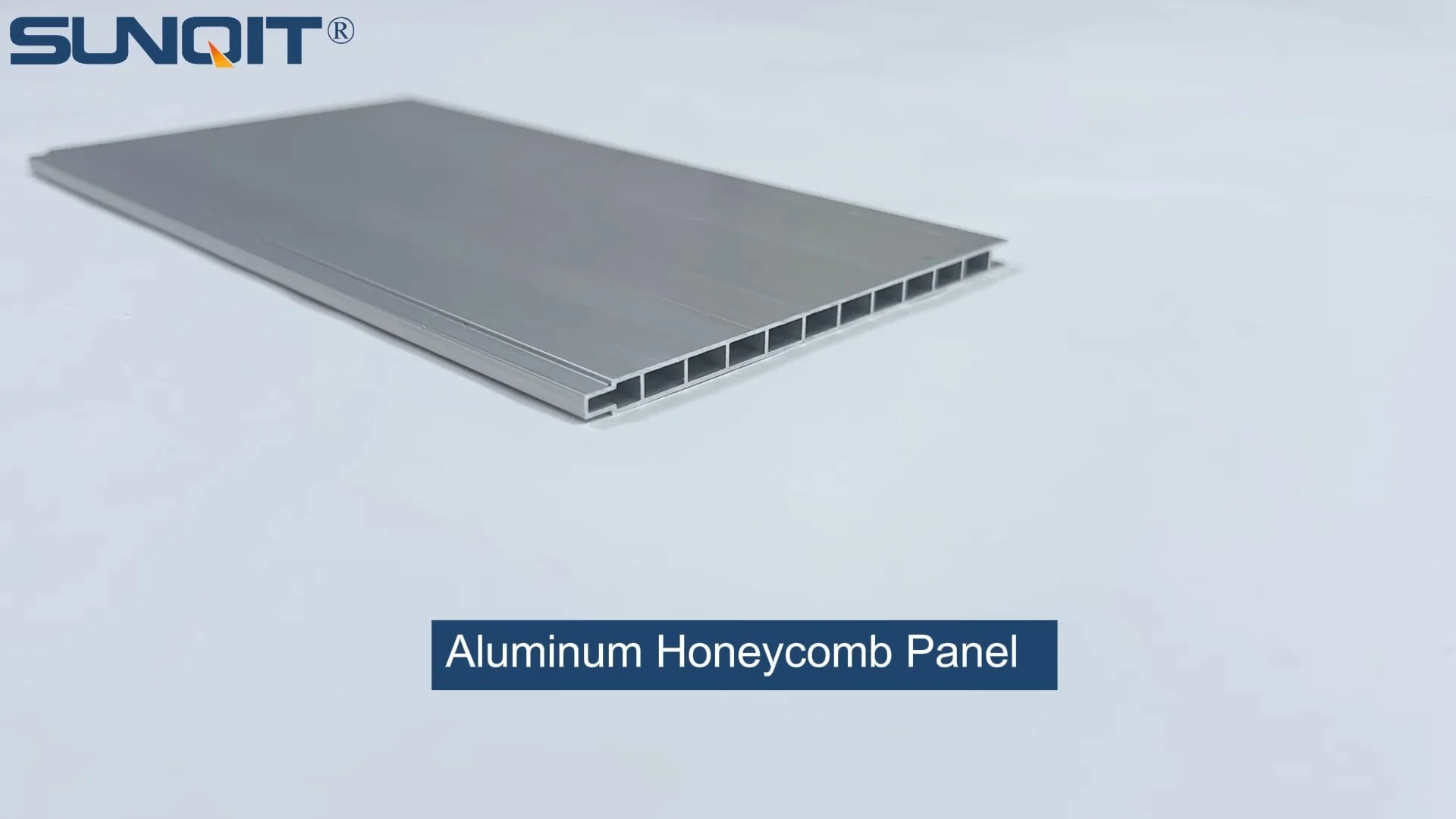
Aluminum Honeycomb Panel
Aluminum honeycomb panel used as table top, side wall, it is connected one pcs by one pcs from the side slot to make a full pieces.This panel width 105mm, 55mm, 35mm are optional for slection.
In the humming halls of automotive plants around the world, a quiet revolution is unfolding. Engineers huddle over blueprints, line workers adjust assembly tools, and sustainability teams track carbon footprints—all united by a shared goal: building vehicles that are lighter, stronger, and kinder to the planet. For decades, the automotive industry has grappled with a fundamental challenge: how to reduce weight without sacrificing performance, safety, or durability. Enter aluminum honeycomb panels—a material that's not just changing the parts on the line, but redefining what's possible in modern manufacturing. Let's dive into how these innovative panels are becoming the backbone of weight reduction strategies, and why they're quickly becoming a favorite among manufacturers aiming to stay ahead in a fast-evolving industry.
The Weight Dilemma: Why Every Ounce Matters in Automotive Manufacturing
Ask any automotive engineer, and they'll tell you: weight is the silent enemy of efficiency. Whether it's a gas-powered sedan or an electric vehicle (EV), excess weight drags down fuel economy, shrinks battery range, and increases emissions. For EVs, in particular, the stakes are even higher. A single pound added to the battery pack or body structure can mean miles lost from the driving range—a critical factor for consumer adoption. Meanwhile, tightening global emissions regulations are pushing automakers to slash carbon footprints, and lighter vehicles are one of the most straightforward paths to achieving that.
But here's the catch: reducing weight can't come at the cost of safety or durability. Cars need to withstand collisions, support heavy loads, and last for years on the road. Traditional materials like steel have long been the go-to for their strength, but they're heavy. Solid aluminum is lighter, yet still denser than needed for many applications. This is where the search for smarter, more efficient materials begins—and where aluminum honeycomb panels step into the spotlight.
What Are Aluminum Honeycomb Panels, Anyway? A Closer Look at the Science
Picture a beehive: thousands of tiny, hexagonal cells working together to create a structure that's both lightweight and surprisingly strong. That's the genius behind aluminum honeycomb panels. At their core, these panels are made of a honeycomb-shaped lattice (usually aluminum) sandwiched between two thin, rigid aluminum sheets (called "faceskins"). The result? A material that's up to 80% lighter than solid aluminum but just as strong—sometimes even stronger, thanks to the geometric efficiency of the honeycomb design.
The magic lies in how the honeycomb core distributes force. When pressure is applied to the panel, the hexagonal cells compress and bend, absorbing energy without collapsing. This makes the panels ideal for applications where both strength and lightness are non-negotiable. And because the core is mostly air, the overall weight plummets. Think of it as nature's engineering applied to manufacturing—turning a simple shape into a powerhouse of performance.
Manufacturing these panels is a feat of precision. The honeycomb core starts as thin aluminum foil, which is cut, folded, and bonded into the hexagonal pattern. The faceskins are then bonded to the core using high-strength adhesives, creating a single, unified structure. The process is scalable, too—meaning manufacturers can produce panels in various sizes, thicknesses, and strengths to fit specific automotive needs, from floor panels to door interiors.

Beyond Lightweight: The Hidden Benefits for Automotive Teams
It's easy to fixate on weight reduction, but aluminum honeycomb panels offer a host of other advantages that resonate with everyone from design engineers to assembly line workers. Let's start with durability. Unlike some composite materials, aluminum is naturally resistant to corrosion, especially when treated with protective coatings. This means panels can withstand the wear and tear of daily use—road salt, humidity, even minor impacts—without degrading. For fleet vehicles or commercial trucks, which log thousands of miles, this longevity translates to lower maintenance costs and longer vehicle lifespans.
Then there's sustainability—a buzzword in manufacturing, but for good reason. Aluminum is one of the most recyclable materials on the planet, with nearly 75% of all aluminum ever produced still in use today. Aluminum honeycomb panels are no exception. At the end of a vehicle's life, the panels can be disassembled, melted down, and reused to make new components, closing the loop on waste. This aligns with automakers' goals to reduce their carbon footprints and meet circular economy targets—something that matters not just to regulators, but to eco-conscious consumers, too.
For the workers on the factory floor, lighter materials mean less strain. Imagine lifting a steel floor panel that weighs 50 pounds versus an aluminum honeycomb panel of the same size at 15 pounds. The difference in physical effort is stark, reducing the risk of injuries and fatigue. This isn't just about comfort; it's about efficiency. When workers can handle materials more easily, assembly times speed up, and production lines run smoother. It's a small change that ripples through the entire manufacturing process—making lean system principles like "reducing waste" (in this case, wasted energy and time) a tangible reality.

Fitting the Pieces Together: Aluminum Extrusion Profiles and Accessories
Aluminum honeycomb panels don't work in isolation. To truly shine in automotive manufacturing, they need to integrate seamlessly with other components—and that's where aluminum extrusion profile and aluminum profile accessories come into play. Aluminum extrusion profiles are the backbone of many vehicle structures; they're created by forcing heated aluminum through a die to form specific shapes, like channels, angles, or tubes. These profiles are strong, lightweight, and endlessly customizable—perfect for framing, supporting, or connecting components like honeycomb panels.
Imagine building a cargo area floor: the aluminum honeycomb panel forms the flat, load-bearing surface, while aluminum extrusion profiles act as the edge supports, reinforcing the panel and attaching it to the vehicle's frame. To hold everything together, you might use aluminum profile accessories—small but critical parts like brackets, corner codes, or T-slot connectors. These accessories are designed to fit snugly into the extrusion profiles, allowing for quick, tool-free adjustments or repairs. It's a modular system that gives manufacturers flexibility: if a design changes, they can swap out a profile or accessory without overhauling the entire panel.
This modularity is a game-changer for lean system adoption. Lean manufacturing thrives on adaptability—being able to reconfigure production lines or adjust designs without excessive downtime or waste. Aluminum extrusion profiles and accessories make that possible. For example, if a manufacturer wants to test a new interior layout, they can easily modify the extrusion framework supporting the honeycomb panels, rather than redesigning the entire structure. This not only saves time and money but also encourages innovation—empowering teams to experiment and improve without fear of massive overhauls.
Another advantage? Consistency. Aluminum extrusion profiles are produced with tight tolerances, ensuring that every piece fits perfectly with the next. When paired with aluminum honeycomb panels, this precision reduces gaps, rattles, or weak points in the final product. For automotive interiors, where fit and finish matter to consumers, this level of consistency is invaluable. It's the difference between a car that feels "cheap" and one that feels solid, well-crafted, and built to last.
Comparing Materials: Why Aluminum Honeycomb Panels Stand Out
| Material Type | Weight (kg/m²) | Tensile Strength (MPa) | Recyclability | Cost (Relative) |
|---|---|---|---|---|
| Steel (Mild) | 7.8 – 8.0 | 370 – 460 | High (but energy-intensive) | Low |
| Solid Aluminum (6061 Alloy) | 2.7 – 2.8 | 207 – 310 | High (low energy to recycle) | Medium |
| Aluminum Honeycomb Panel | 0.5 – 1.2 | 250 – 400 | High (100% recyclable) | Medium-High |
*Note: Values are approximate and vary by thickness, alloy, and panel design.
Lean System Integration: How Lightweight Materials Drive Efficiency
Lean manufacturing isn't just a buzzword; it's a philosophy centered on eliminating waste, optimizing flow, and empowering teams to do their best work. Aluminum honeycomb panels, when paired with aluminum extrusion profiles and accessories, embody these principles in tangible ways. Let's break down how:
Waste Reduction: In lean terms, "waste" includes everything from excess inventory to unnecessary movement. Aluminum honeycomb panels are lighter, so they're easier to transport around the factory floor—reducing the need for heavy lifting equipment or multiple workers to move a single part. This cuts down on "motion waste" (workers walking back and forth) and "waiting waste" (delays while materials are moved). Similarly, aluminum extrusion profiles are pre-cut to size, reducing scrap from trimming or resizing on the line.
Flow Optimization: Lean systems aim for a smooth, continuous flow of production. Lightweight panels and modular extrusion systems speed up assembly, as workers can handle parts more quickly and fit them together with fewer tools. For example, a team installing cargo area flooring might spend 30 minutes positioning a steel panel versus 10 minutes with an aluminum honeycomb panel—freeing up time to focus on other tasks or catch up on backlogs.
Empowering Teams: When tools and materials are easy to use, workers feel more confident and in control. Aluminum profile accessories like quick-connect brackets mean that line workers can make adjustments on the fly, without waiting for a specialist with a wrench. This autonomy reduces frustration and increases engagement—key ingredients for a lean, high-performing team. It's a simple truth: when your tools work with you, not against you, everyone wins.
One automotive plant in the Midwest put this to the test. They replaced their steel cargo van flooring with aluminum honeycomb panels framed by aluminum extrusion profiles and secured with aluminum profile accessories. Within six months, they reported a 12% reduction in assembly time for that component, a 15% drop in worker compensation claims related to lifting, and a 5% improvement in overall line efficiency. These aren't just numbers—they're proof that the right materials can transform a factory floor from a place of struggle to a place of progress.
Real-World Applications: Where Aluminum Honeycomb Panels Shine in Cars
Enough theory—let's talk about where these panels are making a difference today. Automotive manufacturers are finding creative ways to incorporate aluminum honeycomb panels into both EVs and traditional vehicles, and the results are impressive.
Cargo Areas and Flooring: Commercial vans and trucks rely on durable flooring to handle heavy loads, but traditional steel floors add significant weight. By switching to aluminum honeycomb panels, manufacturers can reduce floor weight by 40–60% while maintaining the same load capacity. For a delivery van that logs 100,000 miles a year, this translates to lower fuel costs (or longer EV range) and less wear on tires and suspension. Some companies even report that drivers notice the difference—saying the lighter vans feel more agile and easier to maneuver in tight city streets.
Interior Door Panels: Car doors are a balancing act: they need to be lightweight for fuel efficiency but rigid enough to protect passengers in a crash. Aluminum honeycomb panels offer the best of both worlds. By using a honeycomb core instead of solid plastic or metal, automakers can trim 2–3 pounds from each door—adding up to 12–15 pounds saved per vehicle. And because the panels can be molded into complex shapes, they still fit seamlessly with window regulators, speakers, and interior trim.
Roof Panels and Sunroofs: A heavy roof can throw off a vehicle's center of gravity, affecting handling and safety. Aluminum honeycomb roof panels are lightweight yet strong enough to meet rollover safety standards. Some luxury EV makers are using them to reduce top weight, allowing for larger batteries without sacrificing performance. Plus, the panels' insulating properties help keep the cabin cooler in summer and warmer in winter—reducing the load on the HVAC system and boosting efficiency even further.
Trunk and Storage Compartments: Even small parts add up. Trunk floors, spare tire wells, or under-seat storage bins made with aluminum honeycomb panels shave off ounces that, collectively, make a difference. For EVs, where every pound impacts range, these small savings are critical. A compact EV with honeycomb panels in the trunk and underfloor storage might gain 3–5 extra miles per charge—enough to ease range anxiety for many drivers.
Looking Ahead: The Future of Aluminum Honeycomb in Automotive
The automotive industry is evolving faster than ever, driven by EV adoption, stricter emissions laws, and consumer demand for more sustainable products. Aluminum honeycomb panels are poised to play an even bigger role in this future—here's why:
Innovations in Core Design: Researchers are experimenting with new honeycomb shapes (like octagons or triangles) to boost strength or reduce weight further. Some are even adding reinforcing fibers to the core, creating hybrid panels that combine the best of aluminum and composites. These advances could open the door to new applications, like structural body panels or battery enclosures.
Integration with Smart Technologies: Imagine a honeycomb panel with embedded sensors that monitor stress, temperature, or damage in real time. As vehicles become more connected, these "smart panels" could alert drivers or maintenance teams to issues before they become problems. For fleet operators, this predictive maintenance could reduce downtime and extend vehicle life.
Broader Adoption Across Vehicle Classes: Today, aluminum honeycomb panels are often found in high-end or commercial vehicles, but as production scales and costs come down, they'll likely trickle into mainstream cars and trucks. This democratization of technology will make lightweight, efficient vehicles accessible to more consumers—accelerating the industry's shift toward sustainability.
Circular Economy Focus: Automakers are increasingly committing to "closed-loop" manufacturing, where old vehicles are recycled into new ones. Aluminum honeycomb panels, with their high recyclability, fit perfectly into this model. In the future, we might see panels made entirely from recycled aluminum, further reducing their environmental impact and creating a truly sustainable lifecycle.
Conclusion: More Than a Material—A Catalyst for Change
Aluminum honeycomb panels are more than just a lightweight alternative to steel or solid aluminum. They're a symbol of the automotive industry's ability to innovate, adapt, and prioritize what matters: efficiency, sustainability, and the people who build and drive these vehicles. By combining the natural strength of the honeycomb structure with the versatility of aluminum extrusion profiles and accessories, manufacturers are not just building better cars—they're building better manufacturing processes, too.
For engineers, these panels offer a new tool to solve old problems: how to make vehicles lighter without compromising safety. For line workers, they mean less strain and more control over their work. For sustainability teams, they're a step toward lower emissions and a circular economy. And for drivers, they translate to better performance, lower costs, and a smaller environmental footprint.
As the industry continues to evolve, one thing is clear: aluminum honeycomb panels aren't a passing trend. They're a foundation for the future—a material that proves innovation and sustainability can go hand in hand. So the next time you slide into a car, truck, or van, take a moment to appreciate the quiet revolution happening beneath your feet, above your head, and all around you. It's a revolution built on hexagons, aluminum, and the relentless drive to make things better—one lightweight panel at a time.