- Company Articles
- Products and Technology
- Solution
- Aluminum Honeycomb Panels in Lean Six Sigma: Improving Process Efficiency

Aluminum Honeycomb Panels in Lean Six Sigma: Improving Process Efficiency
Related Product
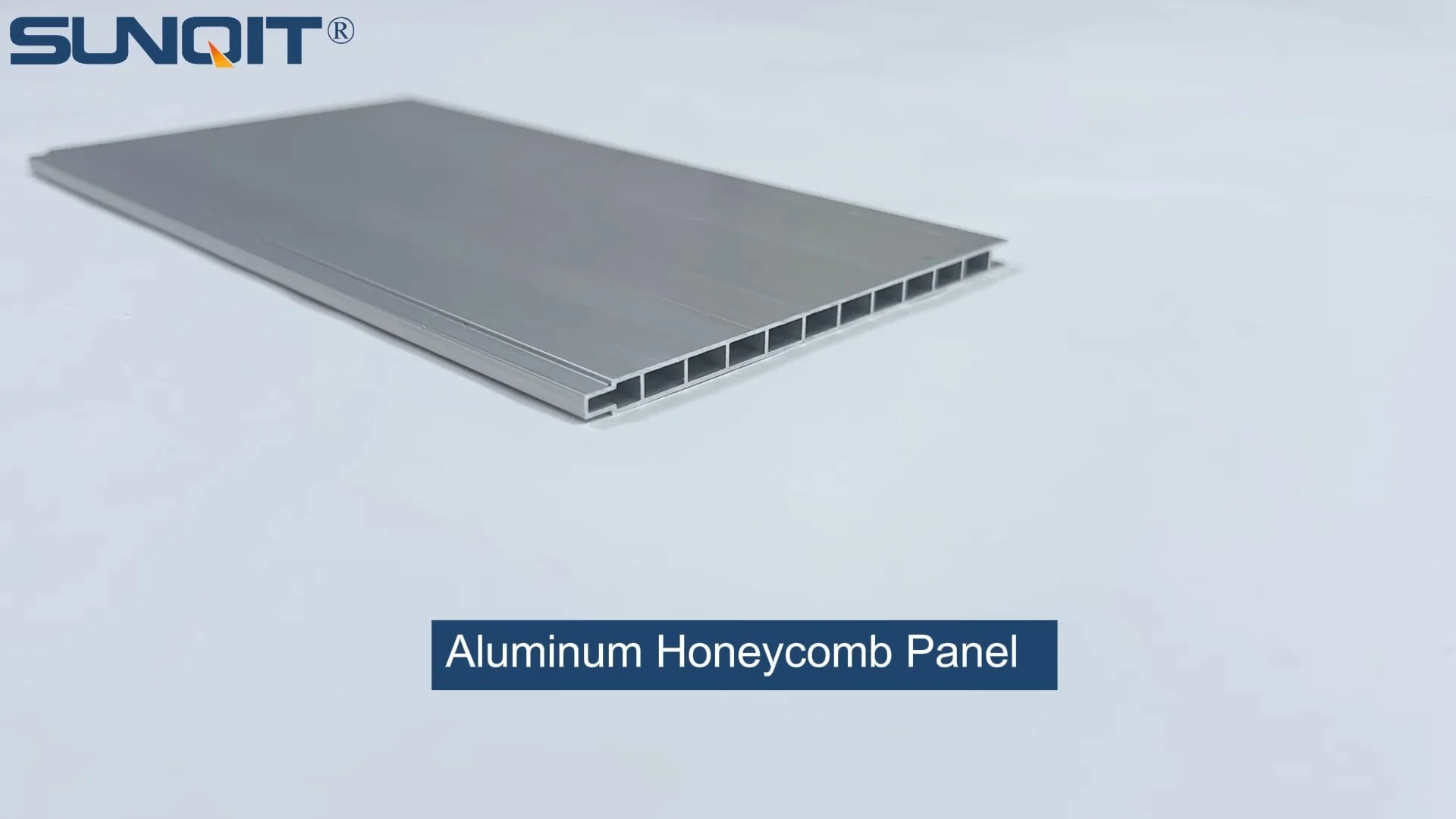
Aluminum Honeycomb Panel
Aluminum honeycomb panel used as table top, side wall, it is connected one pcs by one pcs from the side slot to make a full pieces.This panel width 105mm, 55mm, 35mm are optional for slection.
How a Modern Material is Reshaping Lean Manufacturing Workflows
The Heartbeat of Lean: Why Every Component Matters
Walk into any high-performing manufacturing facility today, and you'll feel it immediately—the rhythm of efficiency. Workers move with purpose, materials glide smoothly from station to station, and every inch of space serves a clear function. This isn't magic; it's the result of Lean Six Sigma principles in action: eliminating waste (muda), reducing unevenness (mura), and minimizing overburden (muri). But here's the thing about Lean: it's not just about big-picture strategies. It's about the small, often overlooked details—the tools, the work surfaces, the very materials that form the backbone of the operation. And in recent years, one material has emerged as a quiet hero in this space: the aluminum honeycomb panel .
At first glance, a panel might seem like a trivial part of the process. But anyone who's spent time on a shop floor knows better. A flimsy workbench that wobbles mid-assembly, a heavy material rack that's hard to reposition, or a surface that dents under repeated use—these aren't just annoyances. They're waste in action. They slow down workers, increase the risk of errors, and make it nearly impossible to maintain the "flow" that Lean so highly values. That's where aluminum honeycomb panels come in. Lightweight yet incredibly strong, they're redefining what's possible in building the physical infrastructure of Lean systems. Let's dive into how this material is becoming a cornerstone of efficient, adaptable, and human-centered manufacturing.
What Are Aluminum Honeycomb Panels, Anyway?
Before we connect them to Lean Six Sigma, let's get a clear picture of what aluminum honeycomb panels are. Imagine a sandwich (bear with me—we'll keep it work-appropriate). The "bread" is two thin sheets of aluminum, and the "filling" is a honeycomb-shaped core, usually made of aluminum as well. This structure isn't just for show; it's engineering genius. The honeycomb core distributes weight evenly across the panel, giving it remarkable strength without adding bulk. In fact, pound for pound, aluminum honeycomb panels are often stronger than solid aluminum or even steel, while being significantly lighter.
But their benefits don't stop there. They're resistant to corrosion, which is a big win in factories where moisture or chemicals might be present. They're also non-conductive, making them safe for use near electrical components—a key feature for ESD workstations (Electrostatic Discharge) where static electricity could damage sensitive electronics. And because they're made of aluminum, they're recyclable, aligning with the sustainability goals that many modern Lean operations prioritize.
Fun fact: The honeycomb design isn't new—nature figured it out first. Bees build honeycombs because the hexagonal structure uses the least amount of wax to create the strongest possible storage cells. Engineers borrowed this design for materials like aluminum panels, proving once again that nature is the original Lean thinker.

Aluminum Honeycomb Panels and Lean Six Sigma: A Match Made in Efficiency
Lean Six Sigma is all about data-driven improvement, so let's start with the numbers. Traditional workbenches or material racks are often made of solid wood, steel, or even particleboard. These materials have their pros, but they fall short in key areas that matter for Lean. Let's compare them side by side with aluminum honeycomb panels:
| Feature | Solid Steel | Wood/Particleboard | Aluminum Honeycomb Panel |
|---|---|---|---|
| Weight (per sq. ft) | 25-30 lbs | 15-20 lbs (but prone to warping) | 5-8 lbs |
| Strength | High (but heavy) | Low to moderate (dents, scratches) | High (resists dents, evenly distributes weight) |
| Adaptability | Hard to modify (welding required) | Limited (screws can strip, not reusable) | High (easily cut, drilled, and mounted to aluminum profile frames) |
| Impact on Worker Fatigue | High (heavy to move, reposition) | Moderate (lighter but less durable) | Low (lightweight, easy to adjust for ergonomics) |
Looking at this, it's clear: aluminum honeycomb panels address multiple Lean waste categories at once. Let's break down the biggest wins:
1. Eliminating Transportation Waste (Muda)
Transportation waste refers to any unnecessary movement of materials, tools, or equipment. A workbench made of solid steel might weigh 300 lbs; an aluminum honeycomb panel workbench of the same size? Maybe 80 lbs. That's a difference of 220 lbs that workers no longer have to push, pull, or lift when reconfiguring the line for a new product run. In a facility that values flexibility—where lean system setups change regularly—this lightweight nature is a game-changer. It turns what was once a two-person, 30-minute task into a one-person, 5-minute job. No more waiting for a forklift or straining muscles—just quick, easy adjustments that keep the workflow moving.
2. Reducing Overburden (Muri)
Overburden happens when workers or equipment are pushed beyond their limits, leading to fatigue, errors, and burnout. Think about a material handler who has to load heavy parts onto a high shelf multiple times a day. If the shelf itself is heavy, just positioning it at the right height adds strain. Aluminum honeycomb panels reduce this burden in two ways: first, by making the structures themselves lighter, and second, by providing stable, even surfaces that make handling materials easier. A flow rack with honeycomb panel shelves doesn't sag under weight, so materials slide smoothly without getting stuck. Workers don't have to yank or jerk items free—they glide, reducing physical stress and making the job feel less like a chore and more like a well-oiled process.
3. Minimizing Defects (Muda of Defects)
Defects are the enemy of Lean, and they often stem from unstable or inadequate work surfaces. A wobbly workbench can cause a worker to drill a hole off-center; a scratched surface might damage delicate parts. Aluminum honeycomb panels solve this with their rigidity and durability. The honeycomb core prevents flexing, so tools stay steady during use. The smooth aluminum surface resists scratches and dents, ensuring parts stay in pristine condition. For ESD workstations , this is even more critical—any imperfection in the surface could disrupt the electrostatic protection, putting sensitive electronics at risk. Honeycomb panels provide a consistent, reliable foundation that minimizes these risks, leading to fewer defects and less rework.

Real-World Applications: From Workbenches to Flow Racks
Enough theory—let's talk about how aluminum honeycomb panels are actually used in Lean environments. Here are three common applications where they're making a tangible difference:
1. The Workbench Reimagined
The workbench is the heart of any assembly operation. It's where the magic happens—or where it breaks down if the surface isn't up to par. Traditional workbenches often force compromises: solid wood is cheap but warps; steel is strong but heavy; particleboard is lightweight but flimsy. Aluminum honeycomb panel workbenches eliminate these trade-offs. Take, for example, the "Workbench E (Single Deck—Without Caster)" from many lean pipe supplier catalogs. By using a honeycomb panel top mounted on an aluminum profile frame, it's sturdy enough to handle daily use (think clamping, screwing, and assembling) but light enough to be moved with ease when the layout changes. Workers can adjust the height without straining, and the non-conductive surface makes it safe for electronics assembly. It's not just a workbench—it's a platform for consistency and adaptability.
2. Flow Racks That Keep Up with Demand
Flow racks are designed to ensure materials are always within reach, following the "first in, first out" (FIFO) principle. But if the rack itself is cumbersome, or the shelves don't support smooth movement, they become a bottleneck. Aluminum honeycomb panels shine here as shelf surfaces. When paired with roller track systems (like the plastic roller track guide rails in yellow or grey), they create a surface where boxes or bins glide effortlessly. The panels' rigidity ensures the roller track stays aligned, preventing jams. And because the panels are lightweight, the entire rack can be mounted on casters for easy repositioning—perfect for facilities that need to shift production lines quickly to meet changing orders.
3. ESD Workstations for Sensitive Electronics
In industries like aerospace, medical devices, or consumer electronics, static electricity is a silent killer. Even a small electrostatic discharge can ruin a circuit board or a microchip. ESD workstations are designed to prevent this, but their effectiveness depends on every component—including the work surface. Aluminum honeycomb panels, when treated with an ESD-safe coating, provide a surface that dissipates static charges safely. Unlike some ESD materials that wear off over time, the aluminum base ensures long-lasting protection. Workers can focus on assembling delicate parts without worrying about accidental damage, and the panels' durability means the workstation stays reliable for years, reducing the need for frequent replacements (another win for waste reduction).
Beyond Efficiency: The Human Side of the Equation
At the end of the day, Lean Six Sigma isn't just about processes—it's about people. A more efficient workflow is only sustainable if it also makes workers' lives better. Aluminum honeycomb panels excel here, too. Let's hear from Maria, a production supervisor at a mid-sized electronics manufacturer that recently switched to honeycomb panel workbenches:
"Before, when we needed to rearrange the line for a new product, moving the old steel workbenches was a nightmare. Two people, a dolly, and at least 20 minutes per bench. Now, with the aluminum honeycomb ones? One person can tilt it and roll it into place in 5 minutes. The workers love it—they don't have to wait around for help, and they can adjust their own workstations to fit their height. And the shelves? They used to sag under the weight of our component bins, so parts would get stuck. Now, everything slides like butter. I've seen fewer frustrated sighs and more focus on the work. That's the real win."
Maria's experience isn't unique. When tools and surfaces are designed with the worker in mind—lightweight, adjustable, and reliable—engagement goes up, and turnover goes down. Workers feel respected, knowing their comfort and efficiency are priorities. And in Lean, engaged workers are the best problem-solvers. They notice waste that others miss, suggest improvements, and take ownership of the process. Aluminum honeycomb panels don't just improve efficiency—they help build a culture of continuous improvement.
Integration with Aluminum Profiles: A Lean Power Couple
Aluminum honeycomb panels rarely work alone. They're often paired with aluminum profile systems—those modular, T-slot frames that are the building blocks of modern Lean setups. This combination is a match made in Lean heaven. Aluminum profiles are lightweight, easy to assemble, and infinitely customizable (thanks to accessories like corner codes, hinges, and brackets). When you mount a honeycomb panel onto an aluminum profile frame, you get a structure that's strong, light, and completely adaptable.
For example, a material rack (like "Material Rack B (3 Row and 3 Floor)" from supplier catalogs) built with aluminum profiles and honeycomb panel shelves can be reconfigured in minutes. Need to add a shelf? Just slide in a new profile and attach a panel. Want to change the height? Loosen a few brackets and adjust. This modularity is key for Lean's "just-in-time" principles—you build only what you need, when you need it, and you can modify it as requirements change. No more overbuilding fixed structures that become obsolete in six months. It's flexibility built into the very bones of the operation.
The Bottom Line: Why Aluminum Honeycomb Panels Are Here to Stay
So, what does all this mean for manufacturers looking to strengthen their Lean Six Sigma efforts? Aluminum honeycomb panels aren't a silver bullet, but they are a powerful tool in the toolkit. They address multiple Lean waste categories at once, from transportation to defects. They support the human element of manufacturing by reducing fatigue and increasing engagement. And they pair seamlessly with other Lean staples like aluminum profiles and roller track systems, creating a cohesive, adaptable infrastructure.
As manufacturing continues to evolve—with smaller batch sizes, faster changeovers, and a greater focus on sustainability—the demand for materials that can keep up will only grow. Aluminum honeycomb panels check all these boxes. They're strong, light, durable, and recyclable. They're not just improving processes; they're redefining what's possible in building Lean systems that work with people, not against them.
So the next time you walk into a manufacturing facility and feel that rhythm of efficiency, take a closer look at the workbenches, the flow racks, the surfaces that make it all possible. Chances are, you'll find aluminum honeycomb panels quietly doing their job—supporting the Lean journey, one strong, lightweight step at a time.