- Company Articles
- Products and Technology
- Product knowledge
- Aluminum Honeycomb Panels vs. Sandwich Panels: Understanding the Differences

Aluminum Honeycomb Panels vs. Sandwich Panels: Understanding the Differences
Related Product
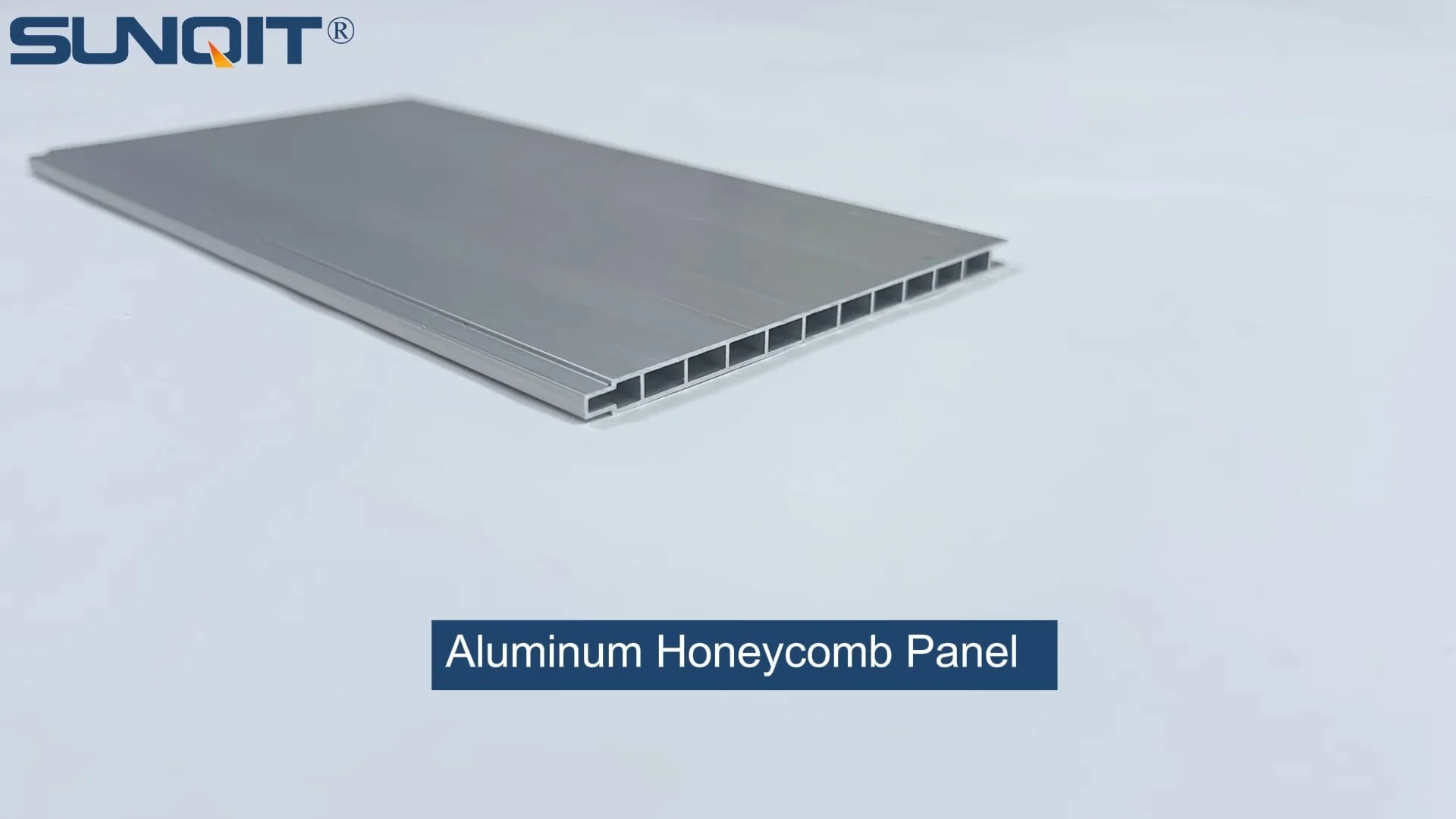
Aluminum Honeycomb Panel
Aluminum honeycomb panel used as table top, side wall, it is connected one pcs by one pcs from the side slot to make a full pieces.This panel width 105mm, 55mm, 35mm are optional for slection.
When a workshop owner invests in a new workbench, or a manufacturer designs a lightweight yet durable machine frame, the choice of materials often comes down to balancing strength, weight, cost, and functionality. Two materials that frequently enter the conversation are aluminum honeycomb panels and sandwich panels. At first glance, they might seem similar—both are layered structures designed to maximize performance—but dig deeper, and their differences become clear. Whether you're sourcing materials for a construction project, upgrading industrial equipment, or selecting components for a custom workbench, understanding these differences can save time, money, and headaches down the line. Let's break down what each panel is, how they're made, and when to choose one over the other.
What Are Aluminum Honeycomb Panels?
Aluminum honeycomb panels are a marvel of engineering, born from the need to create strong, lightweight materials. Picture a sheet of material that's tough enough to withstand heavy loads but light enough to be easily maneuvered—this is the sweet spot where aluminum honeycomb panels excel. Their structure is deceptively simple: two thin aluminum sheets (called "facings") bonded to a central core that's shaped like a honeycomb. This honeycomb core, typically made of aluminum as well, is what gives the panel its unique properties.
The honeycomb core is no accident. Nature has long used hexagonal structures for strength—think of a beehive, where delicate wax cells support the weight of honey and bees without collapsing. Engineers borrowed this design, creating a core with thousands of tiny hexagonal cells that distribute weight evenly across the panel. When pressure is applied to the surface, the core transfers that force to the facings, which then spread it out, preventing localized stress and bending. This makes aluminum honeycomb panels surprisingly rigid for their weight; in fact, they often outperform solid aluminum sheets in strength-to-weight ratio, a critical metric in industries where every pound counts.
Manufacturing these panels involves precision. The aluminum facings are usually made from aluminum extrusion profiles—thin sheets formed by pushing aluminum through a die to create a uniform thickness and surface finish. The honeycomb core is created by stacking and bonding aluminum strips, then expanding them to form the hexagonal cells. Once the core is ready, it's bonded to the facings using high-strength adhesives, often under heat and pressure to ensure a tight, durable bond. The result is a panel that's lightweight (sometimes up to 70% lighter than solid aluminum), resistant to corrosion (thanks to aluminum's natural oxide layer), and highly customizable in terms of thickness, size, and finish.
Key Features of Aluminum Honeycomb Panels
Lightweight: The honeycomb core reduces material usage without sacrificing strength, making these panels ideal for applications where weight is a concern—like aerospace components, automotive parts, or portable workbenches that need to be moved regularly.
High Strength-to-Weight Ratio: Their ability to handle heavy loads while remaining light makes them a favorite in industrial settings. A workbench top made from aluminum honeycomb panels, for example, can support tools, machinery, and materials without bowing, even over long spans.
Thermal and Acoustic Insulation: The air pockets in the honeycomb core act as natural insulators, reducing heat transfer and sound transmission. This is why they're used in everything from building facades to soundproof enclosures in factories.
Corrosion Resistance: Aluminum's natural resistance to rust and corrosion means these panels hold up well in humid or outdoor environments, unlike some steel alternatives that require regular painting or coating.
What Are Sandwich Panels?
Sandwich panels, on the other hand, are a broader category of layered materials. Like aluminum honeycomb panels, they consist of two outer facings and a central core—but here's the twist: the core and facings can be made from almost any material, depending on the panel's intended use. This flexibility is both their biggest strength and what sets them apart from aluminum honeycomb panels, which are more specialized in their construction.
The facings of sandwich panels are often made from materials like steel, aluminum, fiberglass, or even wood-based products like plywood. The core, meanwhile, is where the variety comes in. Common core materials include rigid foam (polyurethane, polystyrene), mineral wool (rockwool, glass wool), paper honeycomb, or even balsa wood. Each core type gives the panel different properties: foam cores boost insulation, mineral wool adds fire resistance, and paper honeycomb keeps costs low for lightweight, non-structural applications.
Manufacturing sandwich panels is a versatile process. For example, foam-core sandwich panels are made by injecting liquid foam between two facings, which then expands and bonds to the surfaces. Mineral wool panels are created by gluing the wool core to the facings under pressure. This adaptability means sandwich panels can be tailored to specific needs—whether you need a panel that's fireproof for a commercial kitchen, highly insulating for a cold storage unit, or budget-friendly for temporary construction.
Key Features of Sandwich Panels
Customizable Performance: With a wide range of core and facing materials, sandwich panels can be engineered for insulation, fire resistance, soundproofing, or affordability. For example, a rockwool core panel is great for high-temperature environments, while a polystyrene core panel is perfect for keeping cold air in (or hot air out) in a warehouse.
Cost-Effective: Many sandwich panels, especially those with foam or paper cores, are cheaper to produce than aluminum honeycomb panels, making them a go-to for large-scale projects with tight budgets, like temporary buildings or low-cost housing.
Fast Installation: Sandwich panels are often prefabricated to standard sizes, which speeds up construction. In modular building, for instance, walls and roofs can be assembled off-site using sandwich panels, then transported and installed in days rather than weeks.
Wide Range of Applications: From roofing and wall cladding in construction to packaging and furniture in consumer goods, sandwich panels are used across industries. Their adaptability means they're rarely limited to a single use case.

Aluminum Honeycomb Panels vs. Sandwich Panels: A Side-by-Side Comparison
To truly understand how these panels stack up, let's compare them across key categories that matter most to buyers: structure, performance, cost, and applications. The table below breaks down their differences in detail.
| Category | Aluminum Honeycomb Panels | Sandwich Panels |
|---|---|---|
| Structure | Aluminum facings + aluminum honeycomb core (hexagonal cells) | Variable facings (steel, aluminum, fiberglass) + variable cores (foam, mineral wool, paper honeycomb, etc.) |
| Weight | Very lightweight (high strength-to-weight ratio) | Depends on core: Foam/paper cores are lightweight; mineral wool/steel facings can be heavier |
| Strength | High rigidity and load-bearing capacity; resistant to bending and impact | Variable: Structural panels (e.g., steel facings + foam core) are strong; non-structural panels (paper core) are weaker |
| Insulation (Thermal/Acoustic) | Moderate insulation (air pockets in core); better than solid metal but less than foam cores | Excellent (foam/mineral wool cores); superior to honeycomb panels for temperature/sound control |
| Corrosion Resistance | High (aluminum facings and core resist rust) | Variable: Aluminum/steel facings with protective coatings are resistant; uncoated steel or paper cores may corrode |
| Cost | Higher (due to aluminum materials and precision manufacturing) | Lower (especially with foam/paper cores); more budget-friendly for large projects |
| Typical Applications | Aerospace, automotive, workbenches, marine equipment, architectural cladding | Construction (walls/roofs), cold storage, temporary buildings, commercial kitchens, packaging |

When to Choose Aluminum Honeycomb Panels
Aluminum honeycomb panels shine in scenarios where strength, weight, and durability are non-negotiable. Let's look at a few real-world examples:
Industrial Workbenches: A workbench in a manufacturing plant needs to support heavy tools, withstand daily use, and maybe even be moved occasionally. Aluminum honeycomb panels make excellent workbench tops because they're rigid enough to prevent sagging under a load of machinery, lightweight enough for workers to reposition if needed, and corrosion-resistant to stand up to oils, coolants, and cleaning chemicals. Unlike solid wood or steel tops, they won't warp or rust, ensuring the workbench stays level and functional for years.
Aerospace and Automotive Parts: In the aerospace industry, every ounce saved translates to fuel efficiency and lower operating costs. Aluminum honeycomb panels are used in aircraft interiors (like overhead bins and flooring) because they're lightweight but strong enough to handle passenger traffic and cargo. Similarly, in high-performance cars, they're used for body panels to reduce weight without compromising crash safety.
Marine Equipment: Boats and ships face constant exposure to saltwater, which makes corrosion resistance critical. Aluminum honeycomb panels are ideal for boat decks, bulkheads, and hatches—they're lightweight to keep the boat's center of gravity low (improving stability), strong enough to handle waves and cargo, and resistant to saltwater corrosion.
Architectural Cladding: Modern buildings often use aluminum honeycomb panels for exterior cladding. They're lightweight, so they put less stress on the building's structure, and their sleek, customizable finish (painted, anodized, or brushed) adds aesthetic appeal. Additionally, their thermal insulation properties help reduce heating and cooling costs for the building.
When to Choose Sandwich Panels
Sandwich panels are the better choice when customization, cost, or specific performance metrics (like insulation or fire resistance) take priority. Here are some common use cases:
Cold Storage Facilities: Keeping perishable goods cold requires panels with exceptional insulation. Sandwich panels with polyurethane or polystyrene foam cores are perfect here—their closed-cell structure traps air, preventing heat transfer. A warehouse storing frozen food, for example, would use these panels for walls and ceilings to maintain a consistent low temperature without overworking the refrigeration system.
Commercial Kitchens: Fire safety is paramount in kitchens, where open flames and high heat are common. Sandwich panels with mineral wool cores are non-combustible and can withstand high temperatures, making them ideal for walls, ceilings, and ventilation hoods. They also help contain fires, giving firefighters more time to respond.
Temporary or Modular Buildings: For construction sites, disaster relief shelters, or pop-up shops, speed and cost are key. Sandwich panels with paper honeycomb or foam cores are lightweight, easy to transport, and quick to assemble. They're also affordable, which is crucial for projects that don't require long-term durability.
Soundproofing: In recording studios, call centers, or factories with loud machinery, reducing noise transmission is essential. Sandwich panels with foam or mineral wool cores excel at sound absorption. The core's density breaks up sound waves, preventing them from passing through the panel—so a call center using these panels can keep conversations private, even in a busy office.
The Role of Aluminum Profile Accessories in Panel Applications
No panel exists in isolation—how you mount, support, and integrate it into a larger structure matters just as much as the panel itself. This is where aluminum profile accessories come into play, especially for aluminum honeycomb panels. Aluminum profiles—extruded aluminum bars with T-slots—are often used to create frames, supports, or mounting systems for panels. For example, when installing an aluminum honeycomb panel as a workbench top, aluminum profile accessories like brackets, corner codes, and fasteners can secure the panel to the frame, ensuring it stays stable under load.
Aluminum profile accessories are designed to work seamlessly with aluminum extrusion profiles, making assembly quick and tool-free (or with minimal tools). T-slot nuts, for instance, slide into the profile's slots, allowing brackets or shelves to be attached at any point along the length. This flexibility is a boon for custom projects, like a workbench that needs adjustable shelving or a machine guard that requires a precise fit around equipment. For aluminum honeycomb panels, which are often used in custom or specialized applications, these accessories ensure the panel is integrated safely and effectively into the overall system.
Making the Final Choice: Key Questions to Ask
Choosing between aluminum honeycomb panels and sandwich panels ultimately comes down to your project's specific needs. Here are a few questions to guide your decision:
What's your top priority: strength, weight, insulation, or cost? If strength and weight are critical (e.g., a portable workbench), go with aluminum honeycomb. If insulation or budget is key (e.g., a cold storage unit), sandwich panels are better.
What environment will the panel be used in? For corrosive environments (saltwater, chemicals), aluminum honeycomb panels are more durable. For high temperatures or fire risk, sandwich panels with mineral wool cores are safer.
How will the panel be installed? If you need quick, modular installation, sandwich panels (pre-cut to size) are easier. If you need a custom fit, aluminum honeycomb panels paired with aluminum profile accessories offer more flexibility.
What's your long-term plan? Aluminum honeycomb panels have a longer lifespan (15–20 years or more) and are more resistant to wear and tear, making them a better investment for permanent structures. Sandwich panels with foam or paper cores may need replacement sooner but are cheaper upfront for temporary projects.
Conclusion
Aluminum honeycomb panels and sandwich panels are both powerful tools in the material selection toolkit, but they serve different purposes. Aluminum honeycomb panels are the premium choice for applications where strength, weight, and durability are critical—think workbenches, aerospace parts, or marine equipment. Sandwich panels, with their customizable cores and facings, are the practical choice for projects prioritizing insulation, fire resistance, or cost—like cold storage, commercial kitchens, or temporary buildings.
By understanding their structures, features, and ideal use cases, you can make an informed decision that aligns with your project's goals. And when paired with the right accessories—like aluminum profile brackets for mounting or fasteners for assembly—either panel can be integrated into a system that's safe, efficient, and built to last. Whether you're upgrading a workbench or building the next big thing, the right panel choice is out there—you just need to know what to look for.