- Company Articles
- Products and Technology
- Product knowledge
- Aluminum Lean Pipe Clamps: Eco-Friendly & Recyclable Benefits

Aluminum Lean Pipe Clamps: Eco-Friendly & Recyclable Benefits
Related Product
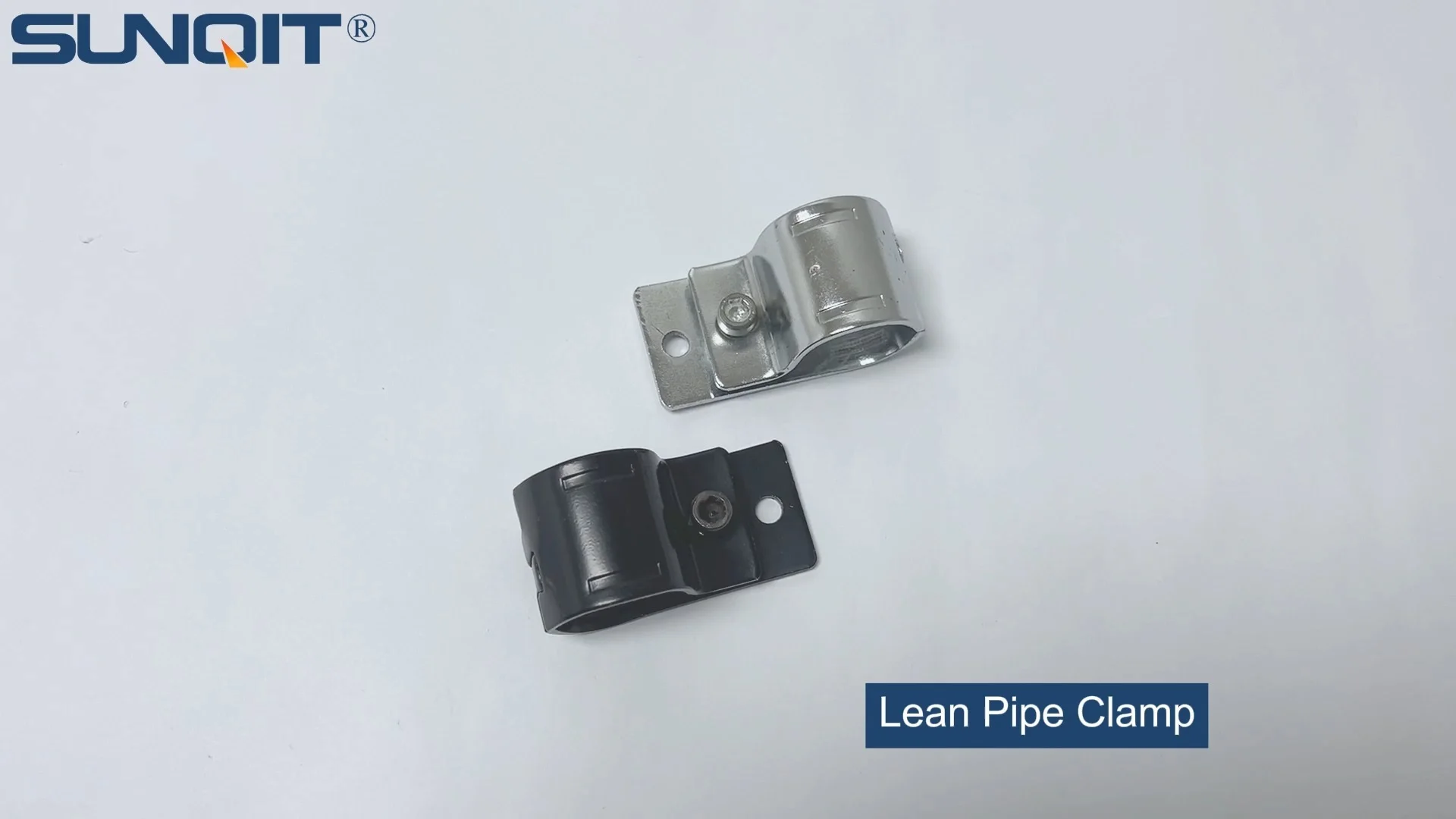
Lean Pipe Clamp
Lean pipe clamp is used for rack system hang monitor or other panel for workbenck, flowrack in production daily use.
The Green Shift in Modern Manufacturing
Walk into any factory today, and you'll likely notice a quiet revolution unfolding. From the hum of energy-efficient machinery to the sight of workers sorting recyclables, sustainability has moved from a buzzword to a core operating principle. Manufacturers, big and small, are under growing pressure to shrink their carbon footprints—not just to meet regulations, but to align with consumer demand for eco-conscious products. In this shift, even the smallest components are getting a second look. Enter aluminum lean pipe clamps: unassuming little connectors that are quietly reshaping how factories build workbenches, flow racks, conveyors, and more. These clamps, paired with aluminum lean pipe and aluminum pipe accessories, are proving that sustainability doesn't have to mean sacrificing efficiency or durability. In fact, they're showing that going green can actually make operations smoother, more adaptable, and even more cost-effective in the long run.
Consider the electronics industry, where production lines are in constant flux. New models roll out monthly, and assembly stations need to reconfigure quickly to keep up. Traditionally, this meant using rigid, one-size-fits-all steel structures or plastic components that cracked under repeated use. When a line was retired, those materials often ended up in landfills, contributing to the 21.5 million tons of industrial waste generated annually in the U.S. alone (EPA, 2023). But today, forward-thinking plants are swapping those outdated setups for aluminum lean systems. Why? Because aluminum lean pipe clamps and their accessories (aluminum pipe accessories) offer a rare combination: the strength to support heavy loads, the flexibility to reconfigure in minutes, and the eco-friendly credentials to make sustainability teams smile. Let's dive into why these unassuming clamps are becoming a cornerstone of the green manufacturing movement.
What Are Aluminum Lean Pipe Clamps, Anyway?
If you're new to lean manufacturing, the term "lean pipe clamps" might sound technical, but they're actually quite simple. Think of them as the building blocks of modular factory setups. Aluminum lean pipe clamps are connectors designed to join aluminum lean pipes—lightweight, durable tubes—into structures like workbenches, material racks, conveyor systems, and turnover trolleys. Unlike traditional welded steel frames or glued plastic joints, these clamps twist or bolt into place, allowing for tool-free assembly and disassembly. That means a single worker can reconfigure a workstation in an hour instead of waiting days for a welder. But their real magic lies in the material: aluminum. Not just any aluminum, either—we're talking about high-grade aluminum extrusion profiles, shaped through a process that minimizes waste and maximizes strength.
Let's break it down. Aluminum lean pipes are typically hollow tubes made from aluminum alloys, chosen for their strength-to-weight ratio. The clamps themselves are often made from the same aluminum or reinforced with aluminum die-castings, ensuring they can handle the stress of daily factory use. Some clamps are designed for 90-degree angles, others for T-junctions or straight extensions; there are even swivel clamps that let pipes rotate, adding another layer of flexibility. When paired with aluminum pipe accessories—like end caps, brackets, or wheel casters—these clamps turn simple pipes into fully functional systems. For example, a workbench might use 40mm aluminum lean pipes connected by 90-degree clamps, topped with an aluminum honeycomb panel for a sturdy, lightweight surface. A flow rack could combine straight clamps with roller tracks (another key accessory) to create a gravity-fed system that moves materials smoothly from one station to the next.
But why aluminum? Why not stick with the steel or plastic lean pipes that have been around for decades? The answer lies in sustainability. Steel is strong, but it's heavy, prone to rust, and energy-intensive to recycle. Plastic is cheap, but it degrades over time and often ends up in landfills. Aluminum, on the other hand, brings together the best of both worlds—and then some. Let's explore that eco-friendly edge in detail.

The Eco-Friendly Edge: Why Aluminum Stands Out
Recyclability: A Closed-Loop System
Here's a staggering fact: aluminum is 100% recyclable, and it can be recycled infinitely without losing quality. That's right—today's aluminum lean pipe clamp could become tomorrow's bicycle frame, then a soda can, then a new clamp again. Compare that to plastic, which can only be recycled 2-3 times before its quality degrades, or steel, which loses strength with each recycling cycle. The implications for manufacturing are huge. When a factory upgrades its production line, instead of sending old steel frames to the scrapyard (where they'll lose value), it can send aluminum clamps and pipes to a recycler, who melts them down and turns them into new aluminum extrusion profiles. This closed-loop system drastically reduces the need for mining bauxite (the ore used to make aluminum), which is a resource-intensive process that disrupts ecosystems and releases greenhouse gases.
The numbers back this up. Producing new aluminum from bauxite requires 95% more energy than recycling existing aluminum (Aluminum Association, 2024). Let that sink in: recycling one ton of aluminum saves 14,000 kWh of energy—enough to power a home for over a year. For manufacturers, this translates to lower carbon footprints and, often, lower costs. Many recyclers offer competitive rates for scrap aluminum, turning waste into a revenue stream instead of a disposal expense. It's a win-win: factories reduce their environmental impact while keeping more money in their pockets.
Durability: Reducing Waste Through Longevity
Sustainability isn't just about recycling—it's also about reducing the need to replace things in the first place. Aluminum lean pipe clamps excel here, too. Aluminum naturally forms a protective oxide layer when exposed to air, making it resistant to corrosion, rust, and wear. That means a clamp installed today could still be in use a decade from now, even in humid factory environments or areas with chemical exposure. Compare that to plastic clamps, which become brittle under UV light or extreme temperatures, or steel clamps that rust and weaken over time. Those materials often need replacement every 2-3 years, creating a cycle of waste that aluminum breaks.
Take a typical automotive parts plant, for example. A workbench built with aluminum lean pipe clamps and aluminum lean pipe might support heavy tools, get splashed with lubricants, and be cleaned daily. Over five years, a steel workbench would start showing rust spots, requiring sanding and repainting—or worse, full replacement. A plastic workbench might crack under the weight of machinery. But the aluminum version? It might need a quick wipe-down now and then, but its structural integrity remains intact. That longevity means fewer raw materials are extracted, fewer manufacturing processes are needed, and fewer shipments (with their associated carbon emissions) are required to replace worn-out equipment.
Energy Efficiency in Production
The eco-friendly benefits of aluminum lean pipe clamps start long before they reach the factory floor. Aluminum extrusion—the process used to shape aluminum into pipes and clamps—is inherently energy-efficient. Unlike steel, which requires high temperatures to melt and shape, aluminum has a lower melting point (660°C vs. steel's 1370°C), reducing the energy needed to form it into extrusion profiles. Modern extrusion facilities also often run on renewable energy, further slashing the carbon footprint of each clamp and pipe.
Additionally, aluminum's lightweight nature reduces transportation emissions. A truckload of aluminum lean pipes can carry 3-4 times more material than a truckload of steel pipes, since aluminum is about one-third the weight of steel. That means fewer trips, less fuel burned, and lower emissions from point A to point B. For global suppliers, this is a game-changer. A supplier shipping aluminum lean systems from a manufacturing hub in Asia to factories in Europe can cut transportation emissions by 60% compared to shipping steel alternatives. It's a small detail, but when multiplied across thousands of shipments, it adds up to a significant environmental impact.

Beyond Clamps: The Role of Aluminum Pipe Accessories
Aluminum lean pipe clamps don't work alone—they're part of a ecosystem of aluminum pipe accessories that amplify their sustainability and functionality. These accessories, from end caps to caster wheels to roller tracks, are designed with the same eco-friendly principles in mind. Take aluminum guide rails, for example. Used to line conveyor systems, these rails are made from recycled aluminum and designed to snap into place with clamps, eliminating the need for glue or welding. When a conveyor line is retired, the rails and clamps can be separated, sorted, and recycled together, ensuring nothing goes to waste.
Another example: caster wheels. Aluminum caster accessories, like swivel casters with aluminum frames, are lighter than steel casters, reducing the energy needed to move trolleys and workbenches. They're also rust-resistant, so they last longer than their steel counterparts. Even small touches, like plastic roller track guide rails (often made from recycled plastic), are designed to complement aluminum systems. These guides, used to keep materials moving smoothly on conveyor belts, can be easily replaced without disassembling the entire system—meaning only the worn part is swapped out, not the whole structure. It's modularity at its most sustainable: replace one accessory, not the entire setup.
Perhaps the most innovative accessory is the internal rotatory aluminum joint. These joints allow pipes to pivot and rotate, turning static workbenches into dynamic, multi-functional stations. A single workbench might start as a assembly table in the morning, then rotate into a packing station in the afternoon, all without tools. This adaptability means factories need fewer dedicated workstations, reducing the total number of materials used. Instead of building two separate tables, they build one that does double duty—thanks to a few clever joints and clamps. It's lean manufacturing at its core: eliminating waste, maximizing value.

Comparing Materials: Aluminum vs. Steel, Plastic, and Traditional Lean Pipes
To truly appreciate the eco-friendly benefits of aluminum lean pipe clamps, it helps to see how they stack up against other common materials. Let's take a closer look at the sustainability, durability, and cost of aluminum compared to steel, plastic, and traditional PE-coated lean pipes (often made from steel with a plastic coating).
| Material | Recyclability | Typical Lifespan | Energy to Produce (vs. New Aluminum) | Corrosion Resistance | Weight (per m of 40mm Pipe) |
|---|---|---|---|---|---|
| Aluminum Lean Pipe & Clamps | 100% recyclable (infinite cycles) | 10-15 years | Base (100%) | High (natural oxide layer) | 1.2 kg |
| Steel Pipes & Clamps | 90% recyclable (loses strength over cycles) | 5-7 years (with rusting) | 200-250% (higher melting point) | Low (prone to rust without coating) | 3.8 kg |
| Plastic Clamps & Pipes | 30-50% recyclable (limited cycles) | 2-3 years (brittleness, UV damage) | 150% (petroleum-based, high processing energy) | High (but prone to chemical degradation) | 0.8 kg |
| PE-Coated Steel Lean Pipes | Low (plastic coating complicates recycling) | 4-6 years (coating chips, steel rusts) | 220% (steel + plastic processing) | Medium (coating wears off over time) | 3.5 kg |
The table tells a clear story: aluminum outperforms other materials in nearly every sustainability metric. Its infinite recyclability, long lifespan, and low energy footprint make it the most eco-friendly choice. But what about cost? It's true that aluminum lean pipe clamps often have a higher upfront cost than plastic or even steel. However, when you factor in longevity (fewer replacements), lower transportation costs, and recyclability (potential revenue from scrap), aluminum becomes the most cost-effective option over time. A study by the Lean Manufacturing Institute found that factories using aluminum lean systems saved 25-30% on total setup costs over 10 years compared to steel systems, thanks to reduced replacement and maintenance expenses.
Real-World Impact: How Factories Are Going Greener with Aluminum Lean Systems
Talk is cheap—what do these benefits look like in practice? Let's take a look at a mid-sized electronics manufacturer in Malaysia. Three years ago, the company was struggling with high waste and rising energy costs. Their production lines used steel workbenches and plastic flow racks, which needed replacement every 3-4 years. When a new sustainability director joined, they decided to pilot an aluminum lean system in one of their smartphone assembly lines. They replaced steel workbenches with aluminum lean pipe workbenches (using aluminum lean pipe clamps and aluminum pipe accessories), swapped plastic flow racks for aluminum roller track systems, and added aluminum turnover trolleys for material transport.
The results were striking. In the first year, the pilot line saw a 40% reduction in waste from replaced equipment. The aluminum workbenches, despite daily use, showed no signs of wear, and the roller tracks (with their durable aluminum guide rails) required zero maintenance. Transportation costs for raw materials dropped by 15% because the aluminum trolleys were lighter and easier to maneuver, reducing the number of trips needed to move parts across the factory. Most impressively, when the line was reconfigured six months later to produce a new phone model, the entire setup was disassembled and reassembled in two days—compared to the week it used to take with steel. The company has since rolled out aluminum lean systems across all its lines, cutting annual carbon emissions by 28% and saving over $120,000 in maintenance and replacement costs.
Another example comes from a European automotive supplier. Faced with strict EU emissions regulations, the company needed to reduce its carbon footprint by 35% in five years. They turned to aluminum lean pipe clamps and aluminum extrusion profiles for their material handling systems. By replacing steel conveyor frames with aluminum ones, they cut the weight of each conveyor by 65%, reducing the energy needed to power the motors that move materials. They also recycled their old steel frames, earning €25,000 from scrap sales. Today, their aluminum systems have been in use for four years, with no signs of needing replacement, and they're on track to meet their emissions goals ahead of schedule.
The Future of Lean Manufacturing: Aluminum's Role in Sustainable Production
As the world moves toward a circular economy—one where waste is minimized and resources are reused—aluminum lean pipe clamps and systems are poised to play a starring role. Innovations in aluminum alloys are making pipes even stronger and lighter, while new clamp designs are improving flexibility and ease of use. Some manufacturers are even experimenting with "smart" clamps embedded with RFID tags, allowing factories to track and reuse components across multiple sites, further reducing waste.
The rise of 3D printing is also opening new doors. While aluminum extrusion remains the most efficient way to produce pipes and clamps at scale, 3D-printed aluminum accessories (like custom brackets or connectors) are becoming more common for niche applications. These printed parts use 90% less material than traditional manufacturing methods, since they're built layer by layer, with no excess waste. Imagine a factory needing a specialized clamp for a unique workstation—instead of ordering a mass-produced steel part that may never be used again, they can 3D-print a small batch of aluminum clamps, use them, then recycle the aluminum when the project ends. It's sustainability meets customization.
Perhaps most exciting is the potential for aluminum lean systems to integrate with renewable energy. Factories powered by solar or wind can use their excess energy to recycle aluminum on-site, creating a closed-loop system where old clamps are melted down and turned into new ones without ever leaving the facility. This "micro-recycling" reduces transportation emissions and gives manufacturers complete control over their material lifecycle. It's a vision of manufacturing where sustainability isn't an afterthought, but the foundation of every process.
Conclusion: Small Clamps, Big Change
Aluminum lean pipe clamps might seem like small players in the grand scheme of manufacturing, but their impact is anything but minor. They're a reminder that sustainability often starts with the details—the connectors, the pipes, the accessories that make up the backbone of production. By choosing aluminum, manufacturers aren't just building better workbenches or conveyor systems; they're building a future where waste is minimized, resources are respected, and efficiency and eco-friendliness go hand in hand.
As consumers, we often focus on the final product—the phone, the car, the appliance—but the real change happens behind the scenes, in the factories where these products are made. Aluminum lean pipe clamps, paired with aluminum pipe accessories and aluminum extrusion profiles, are quietly transforming those factories into engines of sustainability. They prove that going green doesn't require overhauling entire operations at once; sometimes, it starts with swapping out a few clamps. And in the end, those small swaps add up to a big difference—for businesses, for communities, and for the planet.
So the next time you walk through a factory, take a closer look at those workbenches and conveyor systems. If they're made with aluminum lean pipe clamps, you're looking at the future of manufacturing: one that's lean, efficient, and built to last—for both businesses and the Earth.