- Company Articles
- Products and Technology
- Product knowledge
- Aluminum Lean Pipe Fixed Clamps: Corrosion Resistance for Wet Environments

Aluminum Lean Pipe Fixed Clamps: Corrosion Resistance for Wet Environments
Related Product
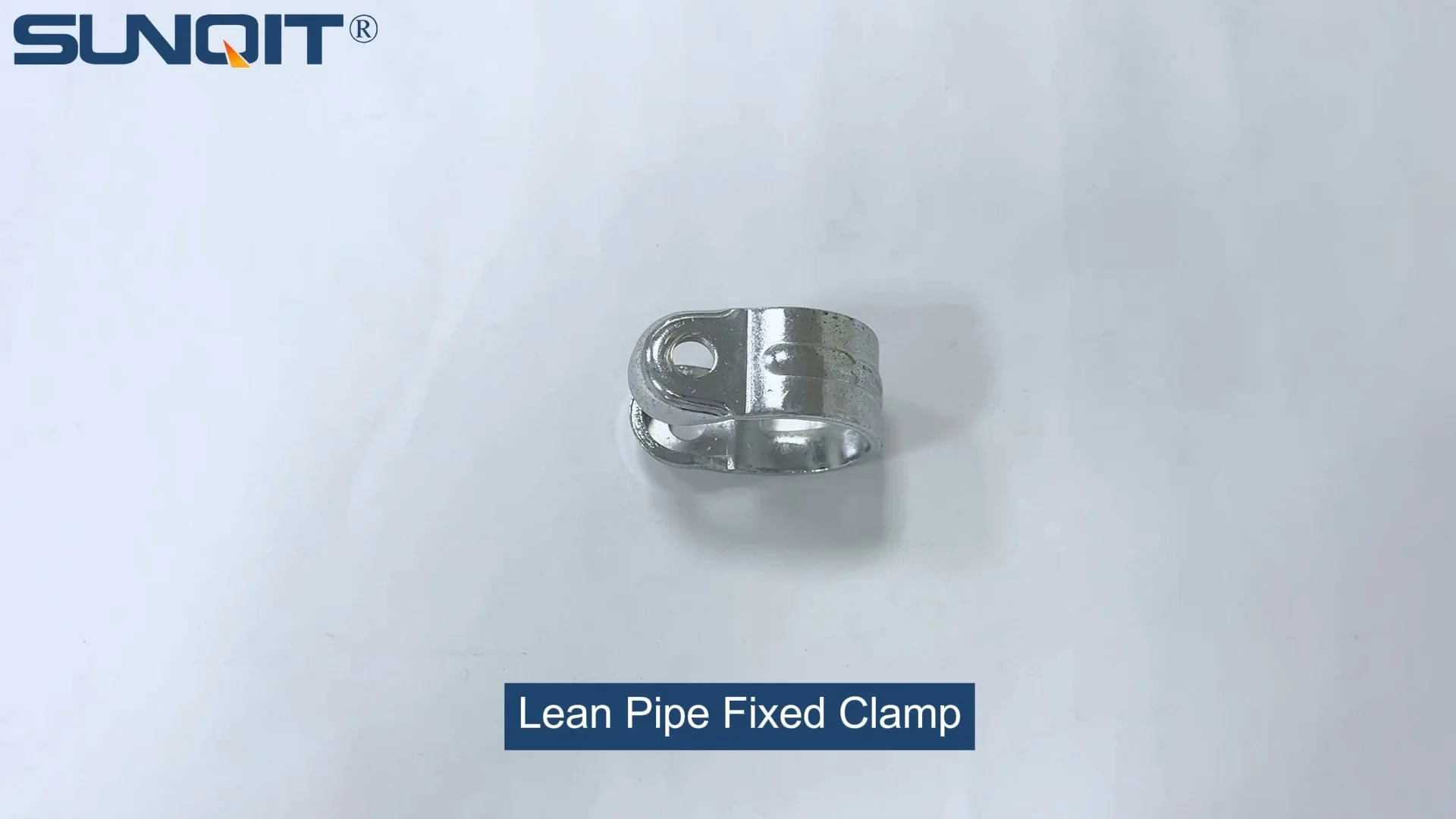
Lean Pipe Fixed Clamp
Lean pipe fixed clamp is used for pipe connector fixing the correct position during workbench flow rack hand trolley assemble work.
The Hidden Challenge of Wet Environments in Manufacturing
Walk into any manufacturing facility, and you'll quickly notice that not all workspaces are created equal. Some are dry, climate-controlled, and pristine—think electronics assembly lines or precision engineering labs. Others, however, battle a constant foe: moisture. Food processing plants where equipment is hosed down daily, pharmaceutical facilities with strict humidity requirements, automotive wash stations, and coastal factories where salt-laden air seeps through windows—these are the "wet environments" where corrosion isn't just a buzzword; it's a daily threat to productivity, safety, and profitability.
In these spaces, traditional metal structures like steel workbenches, material racks, or conveyor frames don't stand a chance. Over time, water, chemicals, and salt penetrate surfaces, causing rust to bloom like an unwelcome weed. Rust weakens joints, stains products, and creates rough edges that snare gloves or damage delicate materials. Worse, corroded equipment often needs frequent replacement, draining budgets and disrupting workflows. For plant managers, the question isn't if corrosion will strike, but how to stop it before it starts.
Enter aluminum lean pipe fixed clamps—a quiet hero in the fight against moisture-related decay. These unassuming components, part of the broader family of aluminum pipe accessories, are redefining durability in wet environments. But what makes them so effective? And how do they fit into the larger ecosystem of lean manufacturing tools? Let's dive in.
What Are Aluminum Lean Pipe Fixed Clamps, Anyway?
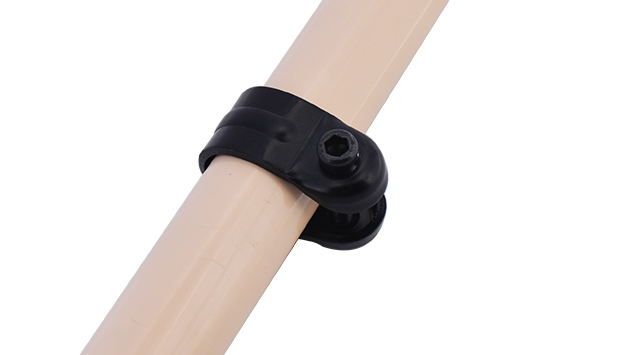
Before we tackle their corrosion-fighting superpowers, let's get clear on what aluminum lean pipe fixed clamps actually are. Imagine building a sturdy, customizable structure—say, a workbench or a material rack—using lightweight, modular pipes. To hold those pipes together securely, you need clamps: the "glue" that turns loose components into a stable system. Aluminum lean pipe fixed clamps are exactly that: specialized fasteners designed to connect aluminum lean pipes (hollow, lightweight tubes made from aluminum alloys) at fixed angles, ensuring the structure stays rigid under load.
Unlike their adjustable counterparts, fixed clamps lock pipes into place—no wiggling, no slipping, no need for constant readjustment. They're typically made from high-grade aluminum alloys, often with added coatings or treatments to boost their weather resistance. And while they may seem simple, their design is the result of careful engineering: a balance of strength, weight, and compatibility with other aluminum pipe accessories like lean pipe joints, caster wheels, and workbench surfaces.
But why aluminum? Why not stick with steel clamps, which have been the industry standard for decades? To answer that, we need to talk about corrosion—and how aluminum outsmarts it.
The Science of Corrosion Resistance: Why Aluminum Beats Steel (and Even Stainless Steel) in Wet Spaces
Corrosion is essentially a chemical reaction: metal reacts with oxygen and moisture to form oxides (rust, in the case of iron and steel). Steel clamps, even galvanized ones (coated in zinc to slow rust), eventually lose their battle. The zinc layer chips, water seeps in, and before long, you're looking at flaky, orange-brown corrosion. Stainless steel fares better, thanks to its chromium content, which forms a protective oxide layer—but in highly humid or salt-rich environments, that layer can break down, leading to "pitting" corrosion that weakens the metal from the inside out.
Aluminum, on the other hand, has a built-in defense mechanism. When exposed to air, it forms a thin, invisible layer of aluminum oxide on its surface—just 0.00001 inches thick, but tough as nails. This layer is self-healing: if it gets scratched or damaged, the aluminum beneath reacts with oxygen to instantly rebuild the barrier. Unlike steel, which rusts and flakes away, aluminum's oxide layer stays intact, preventing further corrosion. It's like having a permanent, self-replenishing raincoat for your clamps.
But not all aluminum clamps are created equal. The best ones use alloys like 6061 or 6063—mixes of aluminum, magnesium, and silicon—that enhance both strength and corrosion resistance. These alloys are commonly used in marine applications (think boat hulls) and outdoor construction, where exposure to water is a given. When paired with precision manufacturing (smooth surfaces to avoid crevices where moisture can hide) and optional treatments like anodizing (an electrolytic process that thickens the oxide layer), aluminum lean pipe fixed clamps become nearly impervious to the wettest conditions.

Beyond Corrosion: The Hidden Benefits of Aluminum Lean Pipe Fixed Clamps
Sure, corrosion resistance is their headline feature, but aluminum lean pipe fixed clamps bring more to the table than just longevity in wet environments. Let's break down their other advantages:
Lightweight, but Strong: Aluminum is about one-third the weight of steel, which makes assembling and reconfiguring structures a breeze. A single worker can carry a bundle of aluminum pipes and clamps without straining, reducing the risk of workplace injuries. Don't let the lightness fool you, though—aluminum alloys like 6061 have a tensile strength of around 45,000 psi, meaning they can handle heavy loads (think stacks of boxes on a material rack or tools on a workbench) without bending or warping.
Modularity at Its Best: Lean manufacturing thrives on flexibility—being able to adapt workflows, reconfigure workstations, or scale up production quickly. Aluminum lean pipe fixed clamps play into this perfectly. They're designed to work with standard aluminum lean pipes and a range of aluminum pipe accessories, from elbow joints to caster wheels. Need to add a shelf to your workbench? Swap out a clamp, add a new pipe, and you're done. No welding, no drilling, no special tools—just simple, tool-free assembly (most clamps use set screws or levers for tightening).
Cost-Effective in the Long Run: It's true: aluminum clamps often cost more upfront than steel ones. But consider the total cost of ownership. Steel clamps in wet environments might last 1–2 years before rusting out; aluminum ones can last 5–10 years or more with minimal maintenance. Fewer replacements mean less downtime, lower material costs, and fewer labor hours spent on repairs. For facilities with high turnover of steel structures, the switch to aluminum often pays for itself within a year.
Aesthetic and Hygienic: In industries like food processing or pharmaceuticals, cleanliness isn't just a preference—it's regulated. Aluminum's smooth, non-porous surface doesn't trap dirt, grime, or bacteria, making it easy to wipe down with disinfectants. Unlike steel, it doesn't flake or shed rust particles that could contaminate products. Plus, its sleek, silver finish gives workspaces a modern, professional look—no more unsightly rust stains marring your facility's appearance.

Real-World Applications: Where Aluminum Lean Pipe Fixed Clamps Shine
Theory is great, but let's look at how these clamps perform in actual wet environments. Here are three common scenarios where they're making a difference:
1. Food Processing Workbenches: Picture a busy bakery where dough is prepared, shaped, and baked around the clock. After each shift, workbenches are sprayed down with water and sanitizer to prevent cross-contamination. Steel workbenches here would be a disaster—rust would form within weeks, and flaky metal could end up in the dough. Enter aluminum lean pipe workbenches, held together with fixed clamps. The aluminum resists the daily dousing, the smooth surface wipes clean easily, and the modular design lets workers add shelves or tool hooks as needed.
2. Coastal Material Racks: A warehouse near the ocean faces a double whammy: high humidity and salt air. Salt is a corrosion accelerator, attacking steel structures even faster than plain water. Aluminum lean pipe material racks with fixed clamps, however, laugh in the face of salt spray. The oxide layer blocks salt from reaching the metal, and the lightweight design makes it easy to move racks indoors during storms. One coastal distribution center in Florida reported replacing steel racks every 2 years; after switching to aluminum, their racks are still going strong after 7 years.
3. Pharmaceutical Cleanrooms: Cleanrooms require strict humidity control (often 40–60% relative humidity) to prevent static electricity and ensure product stability. In these environments, even stainless steel can develop microscopic corrosion spots over time. Aluminum lean pipe fixed clamps, paired with ESD (electrostatic discharge) workbench surfaces, offer a corrosion-free, static-safe solution. They're also compatible with caster wheels, allowing workers to move workstations around the cleanroom without scratching floors or creating dust.
Comparing Clamp Materials: How Aluminum Stacks Up
Still on the fence about aluminum? Let's compare aluminum lean pipe fixed clamps to two common alternatives: steel clamps and plastic clamps. The table below breaks down their performance in key areas, with a focus on wet environments:
| Feature | Aluminum Lean Pipe Fixed Clamps | Steel Clamps (Galvanized) | Plastic Clamps |
|---|---|---|---|
| Corrosion Resistance | High (self-healing oxide layer; resistant to salt, water, and chemicals) | Medium (zinc coating wears off; rusts in prolonged wetness) | High (no rust, but can degrade in UV light or high heat) |
| Load Capacity | High (handles 500+ lbs per clamp; depends on pipe diameter) | Very High (handles 1000+ lbs, but heavier overall structure) | Low (best for light loads; can bend under heavy weight) |
| Weight | Light (1/3 the weight of steel) | Heavy (requires tools or multiple workers to install) | Light (but less durable than aluminum) |
| Cost (Upfront) | Moderate ($2–$5 per clamp, depending on size) | Low ($1–$3 per clamp) | Low ($0.50–$2 per clamp) |
| Cost (Long-Term) | Low (lasts 5–10+ years; minimal replacement) | High (needs replacement every 1–3 years in wet environments) | Moderate (replaced every 2–4 years due to UV/heat damage) |
| Best For | Wet environments, heavy loads, modular structures, cleanrooms | Dry environments, very heavy loads, temporary structures | Light loads, dry environments, low-budget temporary setups |
Installing Aluminum Lean Pipe Fixed Clamps: Pro Tips for Maximum Durability
To get the most out of your aluminum lean pipe fixed clamps—especially in wet environments—proper installation is key. Here's how to do it right:
Start with Clean Pipes: Even aluminum's oxide layer can't protect against trapped dirt or debris. Before assembling, wipe down aluminum lean pipes with a mild detergent and a soft cloth to remove grease, dust, or fingerprints. Let them dry completely—moisture trapped between the pipe and clamp can still cause issues over time.
Don't Over-Tighten: Fixed clamps use set screws or bolts to lock onto pipes. It's tempting to crank them as tight as possible, but over-tightening can damage the pipe's surface or strip the threads. Most manufacturers recommend a torque of 15–20 Nm (check the clamp's specs for exact numbers). A torque wrench can help you get it just right.
Use Compatible Accessories: Mixing and matching brands might seem like a money-saver, but not all aluminum pipe accessories are created equal. Stick to clamps, lean pipe joints, and pipes from the same supplier to ensure a snug, secure fit. Mismatched components can create gaps where water seeps in, or loosen over time under vibration.
Seal Exposed Threads (If Needed): In extremely wet environments (like daily hose-downs), consider applying a thin layer of silicone sealant to the threads of the clamp's set screws. This adds an extra barrier against water intrusion without affecting the clamp's ability to hold tight.
Maintaining Your Clamps: Keep Them Performing for Years
Aluminum lean pipe fixed clamps are low-maintenance, but a little care goes a long way in extending their lifespan:
Regular Inspections: Every few months, check clamps for signs of damage—cracks, bent screws, or loose connections. Tighten any set screws that have worked their way loose (vibration from machinery can cause this over time). In wet areas, pay extra attention to joints where water might pool.
Clean with Mild Detergents: Avoid harsh chemicals like bleach or abrasive cleaners, which can strip the oxide layer. Instead, use a solution of warm water and mild dish soap, then rinse thoroughly and dry. This is especially important in food processing or pharmaceutical facilities, where sanitization is key.
Lubricate Moving Parts (If Applicable): Some clamps have moving components (like levers for quick-release models). A drop of silicone-based lubricant (avoid oil-based lubes, which attract dust) can keep these parts working smoothly, even in humid conditions.
Case Study: A Food Plant's Journey from Rust to Reliability
Let's wrap up with a real-world example. ABC Foods, a mid-sized frozen pizza manufacturer in the Pacific Northwest, was struggling with rusty steel workbenches and material racks in their prep area. The space was hosed down twice daily to prevent cross-contamination, and within 18 months, steel structures were covered in rust. Workers were complaining about sharp, rusted edges, and the plant manager was tired of replacing racks every year—costing $15,000 annually in materials and downtime.
In 2022, ABC Foods switched to aluminum lean pipe workbenches and material racks, using fixed clamps to secure the pipes. The results? Three years later, the structures still look brand-new—no rust, no flaking, no need for replacements. Maintenance costs dropped to less than $500 per year (mostly for occasional cleaning), and workers reported fewer injuries from heavy lifting (thanks to the lightweight aluminum). "It was a no-brainer," said the plant manager. "We've saved enough money to invest in new ovens, and the work area looks cleaner than ever."
Final Thoughts: Why Aluminum Lean Pipe Fixed Clamps Are a Wet-Environment Game Changer
In the world of manufacturing, wet environments don't have to be a death sentence for your equipment. Aluminum lean pipe fixed clamps offer a simple, effective solution: corrosion resistance that lasts, paired with lightweight strength, modularity, and long-term cost savings. Whether you're running a food processing plant, a coastal warehouse, or a pharmaceutical cleanroom, these clamps transform how you build, maintain, and adapt your workspace.
So, the next time you're staring at a rusted steel rack or a wobbly workbench, ask yourself: What would it look like to replace constant repairs with lasting reliability? With aluminum lean pipe fixed clamps, the answer is clear: a workspace that's not just built to last, but built to thrive—even when the going gets wet.