- Company Articles
- Products and Technology
- Product knowledge
- Aluminum One Way Rotatory Straight Lean Pipe Joints: Corrosion Resistance Benefits

Aluminum One Way Rotatory Straight Lean Pipe Joints: Corrosion Resistance Benefits
Related Product
One Way Rotatory Straight Lean Pipe Joint
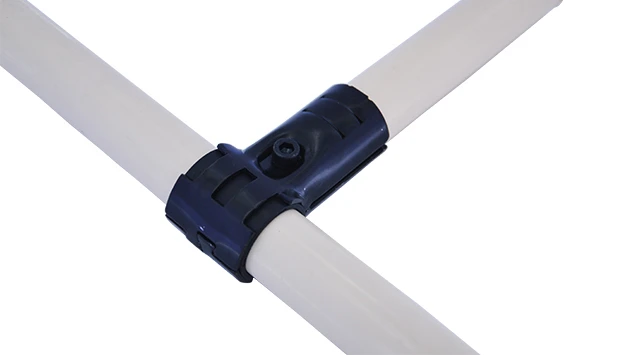
Two way lean pipe joint for 2 pcs 28MM lean pipe connection in straight angle with rotatory fucntion, which used widely in workbench, flow rack, hand trolley frame connection.
Walk into any modern manufacturing facility, and you'll notice a common thread: the relentless pursuit of efficiency. Every workstation, every conveyor belt, every material rack is designed to minimize waste, streamline workflows, and keep production moving like a well-oiled machine. At the heart of this efficiency lies lean manufacturing—a philosophy that's transformed how businesses operate. But lean systems don't just happen by accident. They're built on sturdy, flexible components that adapt to changing needs, and among the most critical of these components are lean pipe joints. Today, we're shining a spotlight on a game-changer in the world of lean systems: the aluminum one way rotatory straight lean pipe joint. Specifically, we'll explore how its corrosion resistance isn't just a feature—it's a cornerstone of long-term productivity, cost savings, and operational reliability.
Lean Systems: The Backbone of Modern Manufacturing
Before diving into the specifics of aluminum joints, let's take a step back to understand why lean systems matter. Lean manufacturing, born from the Toyota Production System, is all about eliminating waste—whether that's wasted time, wasted space, or wasted resources. To achieve this, factories rely on modular, adaptable structures: workbenches that can be reconfigured in hours, flow racks that keep materials within arm's reach, and conveyors that move products seamlessly from one station to the next. These structures are often built using lean pipes (also called "lean tubes") and joints—the unsung heroes that hold everything together.
Traditional lean pipe systems often used steel pipes and plastic-coated joints, which worked well in controlled environments but fell short in harsher conditions. Over time, exposure to moisture, chemicals, or even just high humidity could lead to rust, corrosion, and joint failure. This isn't just a maintenance headache; it's a threat to the entire lean philosophy. A rusted joint might weaken a workbench, causing it to wobble or collapse. A corroded conveyor track could jam, bringing production to a halt. Suddenly, the "efficiency" you built your system around becomes a source of downtime and added costs.
The Lean Pipe Joint: Small Part, Big Responsibility
If lean pipes are the bones of your system, then lean pipe joints are the ligaments and tendons—they connect the structure, allow for movement (when needed), and bear the weight of tools, materials, and products. A single joint might seem insignificant, but its quality directly impacts the system's stability, flexibility, and lifespan. This is especially true for one way rotatory straight lean pipe joints, which are designed to allow controlled rotation in one direction while maintaining a straight, rigid connection. These joints are everywhere: in adjustable workbenches, where you might need to swivel a tool holder, or in flow racks, where angling a section slightly can improve material flow.
Imagine a scenario where a production line needs to be reconfigured to accommodate a new product. The team loosens the joints, adjusts the pipes, and tightens them back up—all in under an hour. But if those joints are corroded, they might seize up, making adjustment impossible. Or worse, they might crack when pressure is applied, forcing you to replace the entire section. This is why choosing the right joint material is non-negotiable. And that's where aluminum lean pipe joints come into play.

Aluminum Lean Pipe: A Material Revolution
Aluminum has long been prized in manufacturing for its unique blend of strength, lightness, and resistance to corrosion. When applied to lean pipe joints, these properties become game-changers. Let's break down why aluminum lean pipe joints outperform their steel or plastic counterparts, starting with the most critical advantage: corrosion resistance.
Why Aluminum Resists Corrosion (It's Science!)
Unlike steel, which rusts when exposed to oxygen and moisture, aluminum has a built-in defense mechanism. When aluminum comes into contact with air, it forms a thin, invisible layer of aluminum oxide (Al₂O₃) on its surface. This layer is incredibly dense and adherent, acting like a shield that prevents further oxidation. Even if the surface is scratched, the oxide layer reforms almost instantly, self-healing to protect the metal underneath. This natural protection makes aluminum joints ideal for environments where moisture, humidity, or chemicals are present—think food processing plants, pharmaceutical labs, or even outdoor warehouses.
Steel joints, on the other hand, require constant maintenance to fight corrosion. They might be coated in plastic or paint, but over time, those coatings chip or wear off, exposing the steel to the elements. Plastic joints, while corrosion-resistant, lack the strength of metal and can warp or crack under heavy loads. Aluminum strikes the perfect balance: it's strong enough to support heavy workbenches or loaded material racks, yet naturally resistant to the elements.

Design Excellence: The One Way Rotatory Straight Joint
Not all aluminum joints are created equal. The one way rotatory straight lean pipe joint stands out for its thoughtful engineering, which enhances both functionality and corrosion resistance. Let's take a closer look at its design features:
- Rotatory Mechanism: The joint's one-way rotation allows for precise adjustments without compromising stability. Whether you're angling a workbench shelf or aligning a roller track, the rotation is smooth and controlled—no sticking, no jamming. This is thanks to internal components (often made of corrosion-resistant alloys) that minimize friction.
- Straight Connection: When not rotating, the joint locks into a straight position, ensuring the pipe remains rigid. This is critical for structures like workbenches, where stability is non-negotiable. The straight design also reduces stress on the joint itself, extending its lifespan.
- No Hidden Crevices: Unlike some traditional joints with complex shapes that trap moisture and debris, the one way rotatory straight joint has a streamlined profile. This means fewer places for water, dust, or chemicals to accumulate—another layer of defense against corrosion.
- Aluminum Alloy Construction: Most high-quality aluminum lean pipe joints are made from aluminum alloys (like 6063 or 6061), which offer superior strength and corrosion resistance compared to pure aluminum. These alloys are often anodized—an electrochemical process that thickens the natural oxide layer, making the joint even more durable.
Aluminum vs. Steel: A Clear Winner for Corrosion Resistance
To truly appreciate the benefits of aluminum lean pipe joints, let's compare them directly to steel joints in terms of corrosion resistance and long-term value. The table below breaks down key factors:
| Factor | Aluminum Lean Pipe Joints | Steel Lean Pipe Joints |
|---|---|---|
| Corrosion Resistance | Excellent—natural oxide layer prevents rust; ideal for humid/chemical environments. | Poor—requires coatings (paint, plastic) which wear off; prone to rust in moisture. |
| Weight | Lightweight (about 1/3 the weight of steel), making installation and reconfiguration easier. | Heavy, increasing labor costs for setup and adjustments. |
| Initial Cost | Slightly higher than basic steel joints. | Lower upfront cost. |
| Long-Term Cost | Lower—minimal maintenance, longer lifespan (10+ years in most cases). | Higher—frequent repainting/coating, replacement due to corrosion (3–5 year lifespan in harsh environments). |
| Maintenance | Low—occasional cleaning with mild soap; no need for rust treatments. | High—regular inspection for rust, sanding, repainting, and replacement of corroded parts. |
| Lifespan | 10–15 years (or more with proper care). | 3–7 years (depending on environment and maintenance). |
As the table shows, while steel joints might save you money upfront, aluminum joints deliver far more value over time—especially in environments where corrosion is a risk. For example, a food processing plant with high humidity and frequent washdowns would see steel joints rust within a year, requiring replacement. Aluminum joints, by contrast, would remain corrosion-free for a decade or more, eliminating the need for constant repairs.
Where Aluminum One Way Rotatory Straight Joints Shine
Aluminum lean pipe joints aren't just a theoretical improvement—they excel in real-world applications. Let's explore a few industries where their corrosion resistance makes a tangible difference:
Electronics Manufacturing (ESD Workbenches)
Electronics factories require ESD (electrostatic discharge) workbenches to protect sensitive components from static damage. These environments are often climate-controlled but may still have high humidity to prevent static buildup. Steel joints here would risk rust, which could flake off and contaminate circuit boards. Aluminum joints, with their corrosion resistance and non-conductive properties (when anodized), are the perfect fit. A one way rotatory straight joint on an ESD workbench allows operators to adjust tool trays or monitor arms without worrying about joint failure.
Food and Beverage Production
Food processing plants are tough on equipment: daily washdowns with water and sanitizing chemicals, high humidity, and strict hygiene standards. Steel joints would quickly corrode under these conditions, leading to rust particles in food—a major safety hazard. Aluminum joints, however, stand up to frequent cleaning and chemical exposure. For example, a flow rack using aluminum one way rotatory joints can safely transport ingredients from storage to production lines, even in wet environments, without rusting or degrading.
Pharmaceutical Labs
Pharmaceutical manufacturing demands sterile, corrosion-free environments to comply with regulatory standards (like FDA guidelines). Any sign of rust or contamination can lead to product recalls or shutdowns. Aluminum lean pipe systems, with their smooth, non-porous surfaces and corrosion resistance, are ideal for building cleanroom workbenches and material racks. The one way rotatory joint's precision ensures that shelves and equipment can be adjusted without introducing contaminants, maintaining the lab's sterile integrity.
Automotive Assembly Lines
Automotive plants are busy, high-throughput environments with exposure to oils, coolants, and occasional water (from floor cleaning). Steel joints on conveyor tracks or workbenches would corrode from oil and water, leading to jams or instability. Aluminum joints resist these fluids, ensuring that the assembly line keeps moving. A rotatory joint on a tool cart, for instance, allows mechanics to swivel a wrench holder into position without the joint seizing up from oil buildup.
Choosing the Right Lean System Supplier: Quality Matters
Not all aluminum lean pipe joints are created equal. To reap the full benefits of corrosion resistance, you need to partner with a reputable lean system supplier that prioritizes quality materials and manufacturing. Here's what to look for:
- Material Sourcing: Ask about the aluminum alloy used in their joints. Look for suppliers that use high-grade alloys (like 6063) and anodization processes to enhance corrosion resistance.
- Testing and Certifications: Reputable suppliers will test their joints for corrosion resistance (e.g., salt spray tests) and provide certifications. This ensures the product meets industry standards for durability.
- Customization Options: Every factory has unique needs. A good supplier should offer custom joint designs, including one way rotatory straight joints, to fit your specific application—whether it's a heavy-duty workbench or a lightweight flow rack.
- Technical Support: Installing and maintaining lean systems can be complex. Choose a supplier that offers technical guidance, from system design to troubleshooting. This is especially important if you're transitioning from steel to aluminum systems.
- Aluminum Profile Compatibility: Aluminum lean pipe joints should work seamlessly with aluminum profiles (extruded aluminum beams) and accessories. A supplier that offers a full range of aluminum profile accessories (like brackets, connectors, and end caps) ensures your system is cohesive and easy to expand.
Remember, a cheap joint might save you money today, but it could cost you dearly in downtime and replacements tomorrow. Investing in a quality lean system supplier pays off in the long run.
Caring for Your Aluminum Lean Pipe Joints: Simple Steps for Longevity
While aluminum lean pipe joints are low-maintenance, a little care goes a long way in ensuring they last. Here are some easy tips:
- Regular Cleaning: Wipe down joints with a soft cloth and mild soap (avoid harsh chemicals like bleach) to remove dust, oil, or debris. This prevents buildup that could hide early signs of wear.
- Inspect for Damage: Every few months, check joints for cracks, dents, or loose components. Tighten any bolts or screws that have come loose from vibration. While aluminum resists corrosion, physical damage can weaken the oxide layer, so addressing issues early is key.
- Lubricate Moving Parts: For one way rotatory joints, apply a small amount of silicone-based lubricant to the rotating mechanism once a year. This keeps rotation smooth and prevents friction-related wear.
- Avoid Impact: Aluminum is strong but can dent if hit with heavy tools or equipment. Train your team to handle lean systems with care, especially during reconfiguration.
These simple steps will ensure your aluminum joints—and the entire lean system—stay in top shape for years to come.
Conclusion: Corrosion Resistance as a Catalyst for Lean Success
In the world of lean manufacturing, every component counts. The aluminum one way rotatory straight lean pipe joint may be small, but its impact is huge. By combining corrosion resistance, lightweight design, and precision engineering, it solves one of the biggest pain points of traditional lean systems: the cost and downtime caused by rust and joint failure.
Whether you're building a new workbench, reconfiguring a flow rack, or overhauling an entire production line, choosing aluminum lean pipe joints is an investment in efficiency, durability, and peace of mind. They stand up to the toughest environments—from humid food plants to chemical-filled labs—without sacrificing flexibility or strength. And when paired with a reliable lean system supplier that offers quality aluminum profile and accessories, you're not just building a structure; you're building a lean system that grows with your business.
So, the next time you look at your factory floor, take a moment to appreciate the joints holding it all together. With aluminum, those joints won't just connect pipes—they'll connect your team to a more efficient, more resilient future.