- Company Articles
- Products and Technology
- Product knowledge
- Aluminum Pipe Clamp vs. Steel: Key Differences in Performance & Use

Aluminum Pipe Clamp vs. Steel: Key Differences in Performance & Use
Related Product
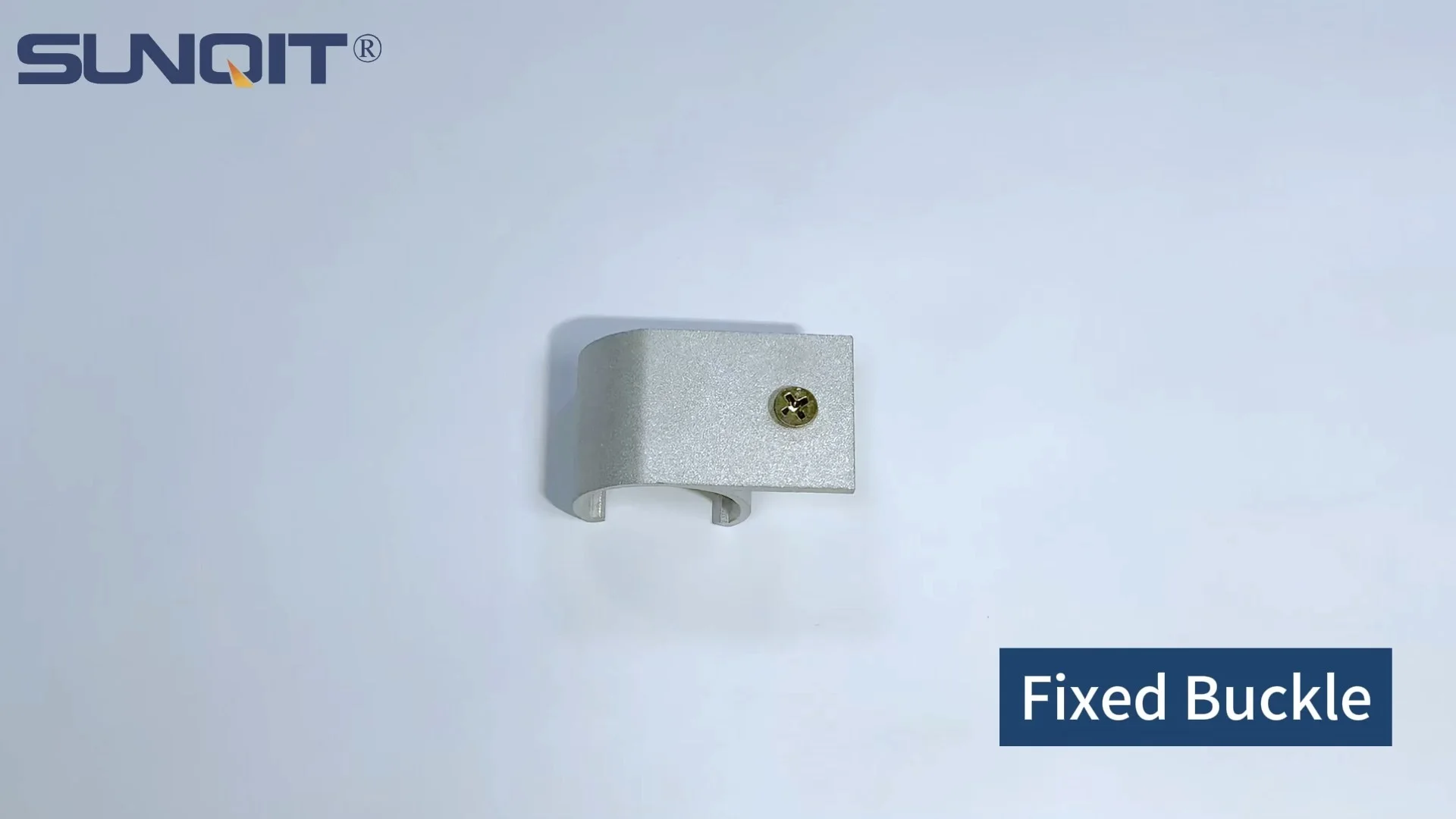
Aluminum Pipe Clamp
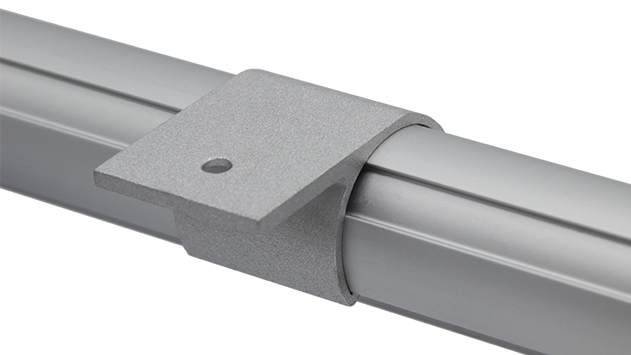
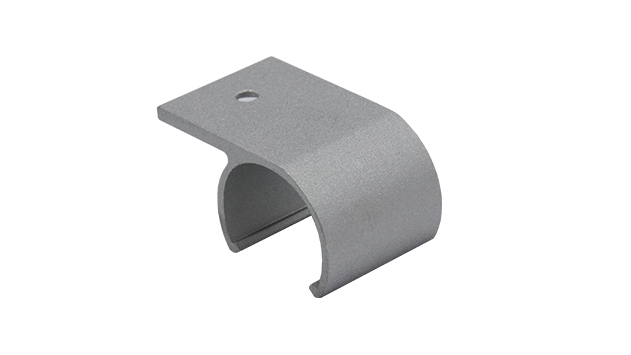
Aluminum pipe side clamp used for 28mm aluminum pipe connect with table top, or other accessories.
In the bustling world of manufacturing, warehousing, and industrial setups, the smallest components often play the biggest roles in keeping operations running smoothly. Take pipe clamps, for example—these unassuming tools are the backbone of everything from workbenches and material racks to roller tracks and conveyor systems. But when it comes to choosing between aluminum and steel pipe clamps, the decision isn't just about picking a metal. It's about aligning your tools with your workflow, budget, and long-term goals. In this guide, we'll dive deep into the differences between aluminum and steel pipe clamps, exploring their performance, best use cases, and how they stack up in real-world scenarios. Whether you're setting up a new production line or upgrading an existing workspace, understanding these differences will help you build a setup that's efficient, durable, and tailored to your needs.
Material Basics: What Are Aluminum and Steel Pipe Clamps Made Of?
Before we compare their performance, let's start with the basics: what exactly are these clamps made of? Aluminum pipe clamps, often referred to as aluminum lean pipe clamps, are typically crafted from lightweight aluminum alloys. These alloys—like 6061 or 6063—blend aluminum with small amounts of magnesium and silicon, giving them a balance of strength and flexibility. This makes them ideal for applications where weight and corrosion resistance matter. On the flip side, steel pipe clamps are usually made from carbon steel, though stainless steel variants exist for specialized environments. Carbon steel clamps are known for their raw strength, thanks to their high iron content and carbon additives, which make them tough but heavier.
The choice of material also impacts the clamp's design. Aluminum clamps, for instance, are often paired with aluminum profile accessories, allowing for easy customization and quick assembly. Steel clamps, on the other hand, may require sturdier fasteners and are commonly used in heavy-duty setups where load-bearing is non-negotiable. Understanding these material foundations is the first step in deciding which clamp is right for your project.
Performance Showdown: How They Stack Up
When it comes to performance, aluminum and steel pipe clamps each have their strengths and weaknesses. Let's break down the key factors that matter most in industrial settings:
Strength & Load Capacity
Steel is often the first choice for applications requiring maximum strength. A standard steel pipe clamp can typically handle loads of 500 lbs or more, depending on its design and thickness. This makes it perfect for heavy-duty tasks like supporting steel roller tracks in warehouses, where pallets of raw materials or finished goods are constantly moving. Carbon steel's rigidity also means it's less likely to bend or warp under stress, even over time.
Aluminum, while not as strong as steel, still holds its own in many scenarios. Most aluminum lean pipe clamps can support 200–300 lbs, which is more than enough for lighter tasks like assembling a workbench or a small material rack. What aluminum lacks in raw strength, it makes up for in flexibility—its malleability allows for slight give under stress, which can be beneficial in setups where vibration or minor impacts are common (think: a workbench in a busy assembly line).
Weight & Maneuverability
Here's where aluminum truly shines: weight. Aluminum is about one-third the density of steel, meaning aluminum pipe clamps are significantly lighter. This is a game-changer for setups that require frequent reconfiguration. Imagine a team of workers needing to adjust a workbench layout or move a mobile trolley—aluminum clamps make these tasks easier, reducing fatigue and saving time. In contrast, steel clamps add bulk; even a small section of steel pipe with clamps can be heavy enough to require two people to lift, slowing down workflow and increasing the risk of injury.
The lightweight nature of aluminum also makes it ideal for temporary or semi-permanent setups. For example, if your facility hosts seasonal projects that require custom material racks, aluminum clamps allow you to quickly assemble and disassemble structures without heavy equipment.
Corrosion Resistance
In environments where moisture, chemicals, or humidity are present, corrosion resistance isn't just a nice-to-have—it's essential. Aluminum naturally forms a thin oxide layer on its surface when exposed to air, which acts as a barrier against rust and corrosion. This makes aluminum pipe clamps a top choice for food processing plants, pharmaceutical labs, or outdoor warehouses where rain or condensation is common.
Steel, by contrast, is prone to rust unless treated. While stainless steel clamps offer better corrosion resistance, they come with a higher price tag. Regular carbon steel clamps will start to rust over time if not painted, coated, or kept in a dry environment. For example, a steel roller track in a damp warehouse might develop rust spots within a year, whereas an aluminum track in the same space would stay corrosion-free with minimal maintenance.
Cost Analysis
Budget is always a consideration, and here's where the decision can get tricky. Aluminum pipe clamps are generally more expensive upfront than carbon steel clamps. The cost of aluminum alloys and manufacturing processes (like extrusion) drives up the price, so if you're working with a tight budget and need a lot of clamps, steel might seem like the obvious choice.
But don't let the initial price tag fool you. Aluminum's long-term costs often balance out the upfront expense. Its corrosion resistance means less frequent replacement, and its lightweight design reduces shipping and installation costs. Steel, while cheaper to buy, may require ongoing maintenance (like repainting to prevent rust) or early replacement in harsh environments, adding to its total cost of ownership. For example, a steel setup in a coastal warehouse might need new clamps every 3–5 years, while an aluminum setup could last 10+ years with minimal upkeep.
Thermal Conductivity
This is a niche factor, but critical for certain industries. Aluminum is an excellent conductor of heat, which can be both a pro and a con. In cold storage facilities, for example, aluminum clamps might transfer cold from the environment to the materials they're holding, potentially affecting sensitive products. On the flip side, in high-temperature settings (like near furnaces or ovens), aluminum's ability to dissipate heat can prevent overheating, whereas steel might retain heat and become too hot to touch.
Key Differences at a Glance: A Comparison Table
| Factor | Aluminum Pipe Clamps | Steel Pipe Clamps |
|---|---|---|
| Strength (Load Capacity) | 200–300 lbs (ideal for light to medium loads) | 500+ lbs (excellent for heavy loads) |
| Weight | Lightweight (1/3 the density of steel) | Heavy (dense, requires more effort to move) |
| Corrosion Resistance | High (natural oxide layer prevents rust) | Low (prone to rust unless coated/stainless) |
| Cost | Higher upfront, lower long-term maintenance | Lower upfront, higher maintenance in harsh environments |
| Best For | Workbenches, mobile setups, humid/corrosive environments | Heavy-duty racks, roller tracks, static setups with high loads |
Use Cases: When to Choose Aluminum vs. Steel
Now that we've covered the specs, let's talk real-world applications. The best way to choose between aluminum and steel is to match the clamp to your specific needs. Here are some scenarios where one material outperforms the other:
Aluminum: Lightweight, Flexible, and Corrosion-Resistant
Workbenches & Assembly Stations: A workbench is the heart of any assembly line, and aluminum clamps are perfect here. Their light weight makes the bench easy to move or adjust, and their corrosion resistance ensures the surface stays clean—important for tasks like electronics assembly, where dust or rust could damage components. Plus, aluminum's smooth finish pairs well with accessories like ESD mats (though ESD setups require specialized materials, aluminum provides a good base).
Mobile Trolleys & Carts: If your facility relies on mobile storage or transport (e.g., moving parts from one station to another), aluminum clamps are a must. A trolley built with aluminum lean pipe clamps is easy to push, even when loaded, reducing strain on workers. Steel would make the trolley too heavy, defeating the purpose of mobility.
Humid or Coastal Environments: Warehouses near the coast or facilities with high humidity (like food processing plants) need materials that can stand up to moisture. Aluminum clamps won't rust, ensuring your racks, tracks, and workbenches stay functional for years without unsightly corrosion.
Steel: Heavy-Duty, Strong, and Reliable
Steel Roller Tracks & Conveyors: When you're moving heavy items—think: car parts, large boxes, or industrial machinery—steel roller tracks with steel clamps are the way to go. Steel's strength ensures the track doesn't sag under the weight, and its rigidity keeps the rollers aligned, preventing jams. For example, a steel roller track in an automotive warehouse can handle the constant flow of engine parts without wear and tear.
Static Material Racks: If you need a rack to hold pallets of raw materials or finished goods long-term, steel clamps provide the stability you need. A steel rack can support multiple layers of heavy items without bending, and since it's static, the weight of the steel isn't a drawback.
High-Impact Areas: Environments with frequent heavy impacts—like a warehouse with forklift traffic—benefit from steel's toughness. Steel clamps can withstand accidental bumps or scrapes better than aluminum, which might dent or bend under similar force.

Installation & Maintenance: The Practical Side
Choosing a material isn't just about performance—it's also about how easy it is to work with. Let's compare installation and maintenance for aluminum and steel pipe clamps.
Installation Ease
Aluminum clamps are a joy to install, especially for teams without specialized tools. Their lightweight nature means one person can handle most tasks, and they're easy to cut, drill, or adjust on-site. Many aluminum lean pipe systems use simple lean pipe joints that snap or screw into place, eliminating the need for welding. This is a huge plus for small businesses or facilities that can't afford heavy machinery.
Steel clamps, while durable, are trickier to install. Cutting steel requires power tools (like a hacksaw or angle grinder), and drilling into it can be time-consuming. Welding is often necessary for permanent setups, which adds labor costs and requires skilled workers. Even with bolts or screws, steel's weight means you'll need extra hands to hold pieces in place during assembly.
Long-Term Maintenance
Aluminum is low-maintenance by nature. A quick wipe with a damp cloth is usually enough to keep aluminum clamps clean, and their corrosion resistance means you won't have to worry about painting or coating them. The only caveat? Aluminum can scratch more easily than steel, so avoid dragging heavy, sharp objects across aluminum surfaces (like a workbench top).
Steel, on the other hand, demands attention. Carbon steel clamps will rust if exposed to moisture, so you'll need to repaint them every few years or apply a rust-resistant coating. Stainless steel clamps reduce this issue but are more expensive. Even with care, steel can develop dents or bends over time, especially in high-traffic areas, which may require replacement.
Real-World Scenario: A Small Electronics Workshop
Let's say you run a small electronics assembly workshop with 5–10 employees. Your main needs are workbenches for circuit board assembly, mobile trolleys for moving parts, and a small material rack for storing components. Here's why aluminum makes sense:
- Workbenches: Aluminum clamps keep the benches lightweight, so you can rearrange them when new projects come in. Their corrosion resistance ensures no rust particles contaminate sensitive electronics.
- Mobile Trolleys: Aluminum's light weight makes the trolleys easy to push, even when loaded with parts. Workers won't strain their backs, and tasks get done faster.
- Material Rack: Since you're storing small components (not heavy pallets), aluminum's 200–300 lbs capacity is more than enough. Plus, you can assemble the rack yourself with basic tools, saving on installation costs.
Real-World Scenario: A Large Automotive Warehouse
Now, imagine a large automotive warehouse that stores engine blocks, transmissions, and other heavy parts. Here, steel is the clear winner:
- Steel Roller Tracks: These tracks need to handle 500+ lbs parts moving constantly. Steel's strength prevents sagging, and its rigidity keeps the rollers aligned, avoiding costly jams.
- Heavy-Duty Racks: Pallets of engine blocks can weigh over 1,000 lbs. Steel clamps ensure the racks stay stable, even when stacked high.
- Static Setups: Since the warehouse layout rarely changes, the weight of steel isn't an issue. You'll pay more upfront for installation (welding, heavy lifting), but the racks will last decades with minimal maintenance (a fresh coat of paint every 5 years).
Accessories & Compatibility
No pipe clamp works alone—they rely on accessories like joints, fasteners, and brackets to create functional systems. Both aluminum and steel clamps are compatible with a range of accessories, but there are a few key differences to note.
Aluminum clamps are often designed to work with aluminum profile accessories. These include lightweight brackets, plastic end caps, and lean pipe joints that snap or screw into place without welding. Many aluminum systems use T-slot profiles, which allow for easy attachment of shelves, hooks, or tool holders—perfect for customizing a workbench.
Steel clamps, being heavier, require sturdier accessories. Steel lean pipe joints are often made of cast iron or heavy-duty steel, designed to handle the extra weight. You'll also find more welding-based accessories for steel, like fixed brackets or reinforced corners, which add strength to high-load setups.
One thing to keep in mind: mixing materials (e.g., aluminum clamps with steel accessories) can cause issues. Galvanic corrosion, for example, occurs when dissimilar metals are in contact with moisture, leading to accelerated rust. If you must mix materials, use insulating washers or coatings to separate them.
Conclusion: Finding Your Perfect Match
At the end of the day, there's no "better" material—only the right material for your needs. Aluminum pipe clamps excel in lightweight, flexible, and corrosive environments, making them ideal for workbenches, mobile setups, and small to medium loads. Steel pipe clamps, with their unmatched strength and durability, are the go-to for heavy-duty tasks like steel roller tracks, large material racks, and static setups.
When making your decision, ask yourself: How much weight will the system need to support? Will it need to be moved or reconfigured? Is corrosion a concern? What's my budget for upfront costs vs. long-term maintenance? Answering these questions will guide you toward the clamp that keeps your operations efficient, safe, and cost-effective.
Whether you choose aluminum or steel, remember: the best systems are built with intention. A well-chosen pipe clamp might not grab headlines, but it will quietly keep your workflow moving—day in, day out. And in the world of industry, that's more than enough to make it a hero.