- Company Articles
- Products and Technology
- Product knowledge
- Aluminum Pipe Clamps: Common Myths vs. Facts You Should Know

Aluminum Pipe Clamps: Common Myths vs. Facts You Should Know
Related Product
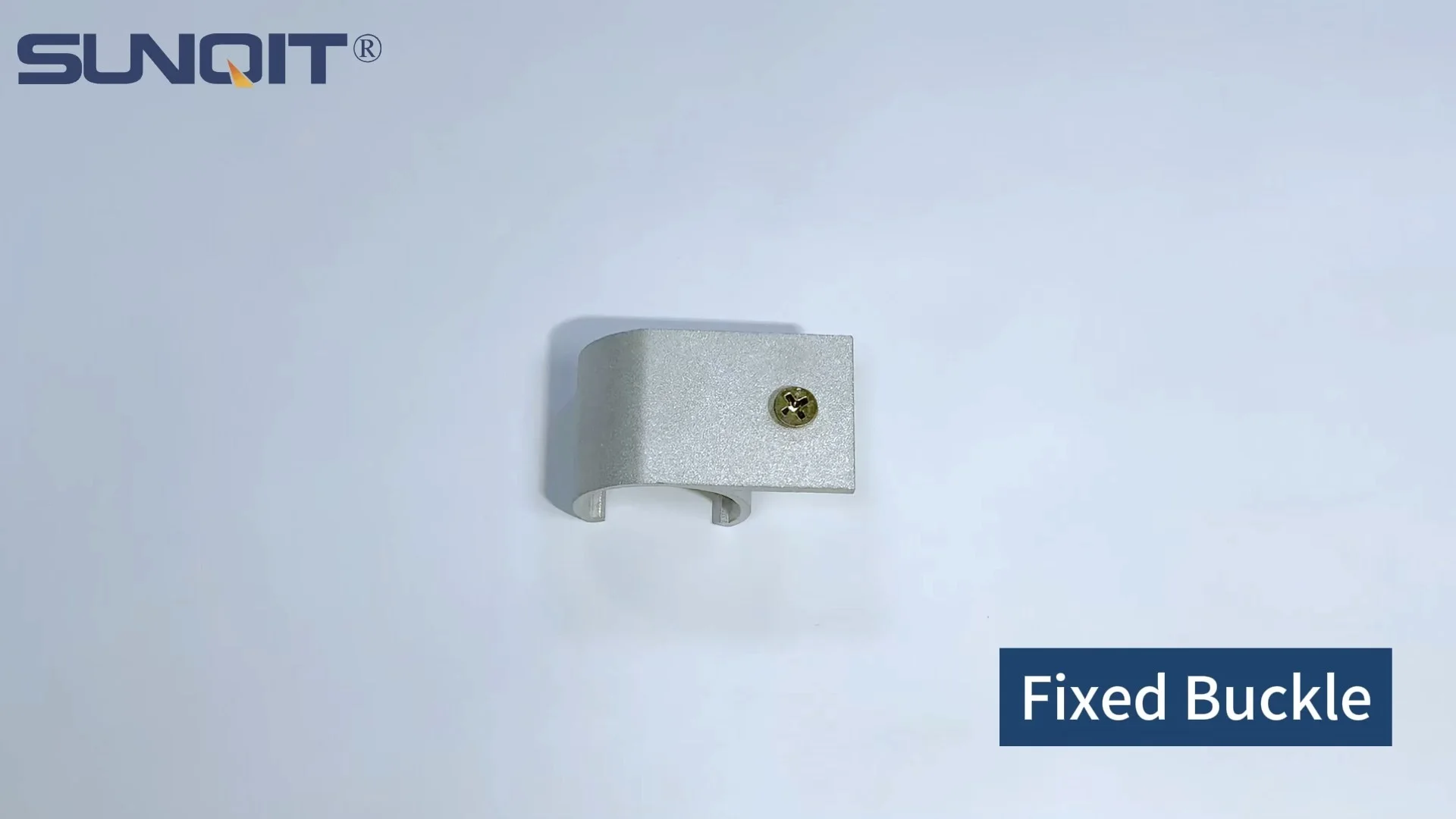
Aluminum Pipe Clamp
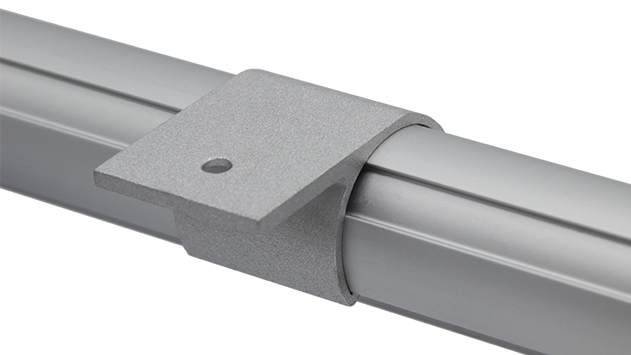
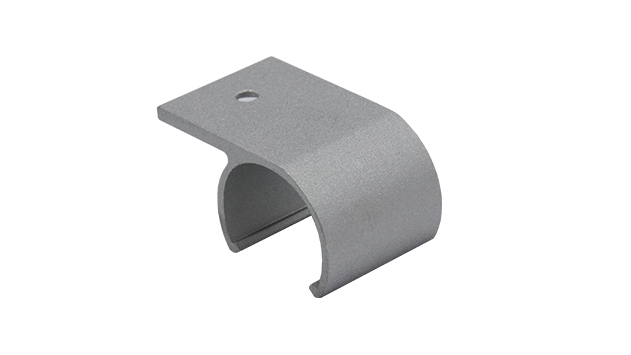
Aluminum pipe side clamp used for 28mm aluminum pipe connect with table top, or other accessories.
Myth 1: Aluminum Pipe Clamps Are Only Suitable for Light-Duty Applications
One of the most persistent myths about aluminum pipe clamps is that they're flimsy—better suited for DIY shelves in a garage than heavy industrial use. This misconception likely stems from comparing aluminum to steel, which has a reputation for raw strength. But aluminum's properties tell a different story, especially when paired with the right aluminum pipe accessories and lean pipe joints.
Fact: High-Strength Alloys and Smart Design Make Aluminum Clamps Industrial-Grade
Modern aluminum pipe clamps are engineered using high-grade alloys (like 6061-T6 aluminum) that offer an impressive strength-to-weight ratio. Unlike brittle plastics or low-quality steel, these alloys resist bending and deformation under heavy loads. For example, a standard 20mm aluminum pipe clamp paired with a reinforced lean pipe joint can easily support 50-75kg of weight per clamp—more than enough for most assembly line tools, raw materials, or finished products.
The key here is not just the clamp itself, but how it integrates with the entire system. Aluminum pipe accessories like internal rotatary aluminum joints distribute weight evenly across the frame, reducing stress on individual clamps. In automotive manufacturing, for instance, facilities use aluminum clamps to secure heavy engine components during assembly. These clamps don't just hold the parts—they maintain precision alignment, ensuring every bolt and fitting is in the right place. If aluminum clamps were truly "light-duty," these high-stakes operations would rely on steel instead. But they don't, because aluminum delivers the strength needed without the added weight of steel.
Real-World Example:
A electronics manufacturer in Taiwan recently upgraded from steel clamps to aluminum ones for their circuit board assembly racks. They were initially worried about weight capacity, as each rack holds 12kg circuit boards in 5 tiers (total 60kg per rack). By using heavy-duty aluminum clamps with reinforced aluminum pipe accessories (including gusset plates and locking washers), the racks not only supported the load but were 30% lighter, making them easier to reconfigure for different product lines. Six months later, there were zero clamp failures—proving aluminum's industrial mettle.
Myth 2: All Aluminum Pipe Clamps Are Interchangeable—No Need to Worry About Compatibility
Another common mistake is assuming that any aluminum pipe clamp will work with any pipe or joint. Walk into a hardware store, and you might see clamps labeled "universal" or "one-size-fits-all," reinforcing this idea. But in reality, using the wrong clamp with your aluminum lean pipe or accessories can lead to loose connections, wobbly structures, and even collapse.
Fact: Clamp Design Must Match Pipe Type, Joint Style, and Application
Aluminum pipe clamps come in dozens of designs, each tailored to specific scenarios. Let's break down the key variables:
- Pipe Diameter: Clamps are sized for specific pipe widths (16mm, 20mm, 28mm, etc.). A 20mm clamp on a 16mm aluminum lean pipe will slip, while a 16mm clamp on a 20mm pipe won't tighten properly.
- Joint Type: Fixed lean pipe joints require rigid clamps that lock into place, while internal rotatary aluminum joints need clamps with a swivel mechanism to allow movement. Using a fixed clamp on a rotatory joint will strip the threads or break the joint over time.
- Environment: Clamps for cleanrooms (like those in pharmaceutical labs) need smooth, non-porous surfaces to prevent bacteria buildup, while clamps for outdoor use require corrosion-resistant coatings. Aluminum pipe accessories like plastic end caps can add an extra layer of protection in harsh environments.
Consider a food processing plant that uses aluminum clamps to build conveyor systems. If they accidentally use a standard clamp (designed for dry environments) instead of a corrosion-resistant model, the clamp could degrade from constant exposure to water and cleaning chemicals, leading to product contamination or equipment failure. The takeaway? Always check the clamp's specifications against your pipe type, joint style, and workspace conditions.
Myth 3: Aluminum Pipe Clamps Require No Maintenance—"Set It and Forget It"
Aluminum's natural resistance to rust and corrosion leads many people to assume that aluminum pipe clamps are maintenance-free. Why bother checking them if they won't rust, right? Unfortunately, this mindset can lead to loose connections, reduced load capacity, and even accidents over time.
Fact: Regular Maintenance Extends Lifespan and Ensures Safety
While aluminum is more durable than steel in wet environments, it's not invincible. Here's what can go wrong without maintenance:
Loosening Over Time: Vibrations from machinery, frequent adjustments, or heavy loads can cause clamp bolts to loosen. A loose clamp might not fail immediately, but it creates stress points in the frame, weakening other components like aluminum pipe accessories or lean pipe joints.
Corrosion in Extreme Conditions: While aluminum doesn't rust, it can develop a white, powdery film (oxidation) in highly acidic or salty environments (like coastal factories or chemical plants). This film isn't harmful on its own, but if left unchecked, it can eat away at the clamp's threads, making it impossible to tighten or remove.
Wear and Tear on Moving Parts: Clamps with rotatory or swivel features (used with internal rotatary aluminum joints) have small bearings or washers that can wear out. Without lubrication, these parts will grind against each other, leading to stiffness or complete failure.
Maintenance Checklist for Aluminum Pipe Clamps:
– Weekly: Tighten bolts with a torque wrench (follow the manufacturer's recommended torque settings—over-tightening can strip threads!).
– Monthly: Inspect for oxidation; wipe away light film with a damp cloth. For heavy oxidation, use a mild aluminum cleaner.
– Quarterly: Lubricate moving parts (like swivel joints) with silicone-based lubricant (avoid oil, which attracts dust).
– Annually: replace worn aluminum pipe accessories (e.g., cracked washers, bent bolts) to prevent clamp failure.
– Weekly: Tighten bolts with a torque wrench (follow the manufacturer's recommended torque settings—over-tightening can strip threads!).
– Monthly: Inspect for oxidation; wipe away light film with a damp cloth. For heavy oxidation, use a mild aluminum cleaner.
– Quarterly: Lubricate moving parts (like swivel joints) with silicone-based lubricant (avoid oil, which attracts dust).
– Annually: replace worn aluminum pipe accessories (e.g., cracked washers, bent bolts) to prevent clamp failure.
Myth 4: Plastic Clamps Are a Cheaper, Just-as-Good Alternative to Aluminum
In an effort to cut costs, some businesses opt for plastic clamps instead of aluminum, assuming the difference in performance is negligible. While plastic clamps are cheaper upfront, they often end up costing more in the long run—and they can't match aluminum's versatility or durability.
Fact: Aluminum Clamps Offer Superior Longevity and Performance
Let's compare plastic and aluminum clamps across key metrics:
| Metric | Plastic Clamps | Aluminum Clamps |
|---|---|---|
| Load Capacity | Typically 10-20kg per clamp; prone to bending under stress. | 50-100kg per clamp (with high-grade alloys); maintains shape under heavy loads. |
| Heat Resistance | Deform at temperatures above 60°C (common in factories with machinery). | Withstand up to 200°C (safe for use near ovens, welding stations, or engines). |
| Lifespan | 6-12 months in industrial settings (brittle from UV exposure, chemicals, or repeated use). | 5-10 years with basic maintenance (resists wear, corrosion, and temperature extremes). |
| Flexibility | Limited designs; mostly fixed clamps with no compatibility with aluminum pipe accessories. | Wide range of styles (fixed, rotatory, adjustable) that work with lean pipe joints and aluminum profile accessories. |
A small furniture workshop learned this lesson the hard way. They switched to plastic clamps to save $200 on a new workbench setup. Six months later, the clamps began cracking from the weight of power tools, and the workbench collapsed, damaging $1,500 worth of equipment. Had they invested in aluminum clamps upfront, they would have avoided the replacement cost and downtime. When it comes to clamps, "cheap" rarely means "good value."

Myth 5: Installing Aluminum Pipe Clamps Is Complicated and Requires Professionals
DIY enthusiasts and small business owners often shy away from aluminum pipe clamps, assuming they need specialized tools or technical expertise to install. This myth makes sense—after all, industrial equipment can look intimidating. But modern aluminum clamps are designed with user-friendliness in mind, and most setups can be completed with basic tools.
Fact: Most Aluminum Clamps Are Designed for Easy, Tool-Free or Basic-Tool Installation
Today's aluminum pipe clamps come with intuitive features that simplify installation: quick-release levers, ergonomic knobs, and pre-threaded holes that align perfectly with standard aluminum lean pipe. For example, a basic clamp setup might require nothing more than a hex key (included with many clamp kits) to tighten the bolts. Even complex systems, like those using internal rotatary aluminum joints, often come with step-by-step guides that walk you through the process.
Let's break down a typical installation process for a workbench frame:
- Measure and cut the aluminum lean pipe to your desired length (use a pipe cutter or hacksaw).
- insert the pipe into the lean pipe joint (ensure it's seated fully—most joints have a mark indicating the correct depth).
- Attach the clamp to the joint using the provided bolts; tighten with a hex key until snug (don't over-tighten).
- Repeat for all connections , then test the frame for stability by gently shaking it. If it wobbles, check for loose clamps or misaligned joints.
Many suppliers even offer online tutorials or video guides to walk you through specific setups. A local bakery owner, for example, built a custom ingredient rack using aluminum clamps, aluminum pipe accessories, and a YouTube tutorial—no prior experience needed. The entire project took under two hours and cost a fraction of hiring a professional. The bottom line: Unless you're building a massive, multi-tiered structure (like a 20-foot material rack), you can handle aluminum clamp installation yourself.