- Company Articles
- Products and Technology
- Product knowledge
- Aluminum Pipe Clamps: Compatibility with Different Aluminum Pipe Sizes

Aluminum Pipe Clamps: Compatibility with Different Aluminum Pipe Sizes
Related Product
Aluminum Pipe Clamp
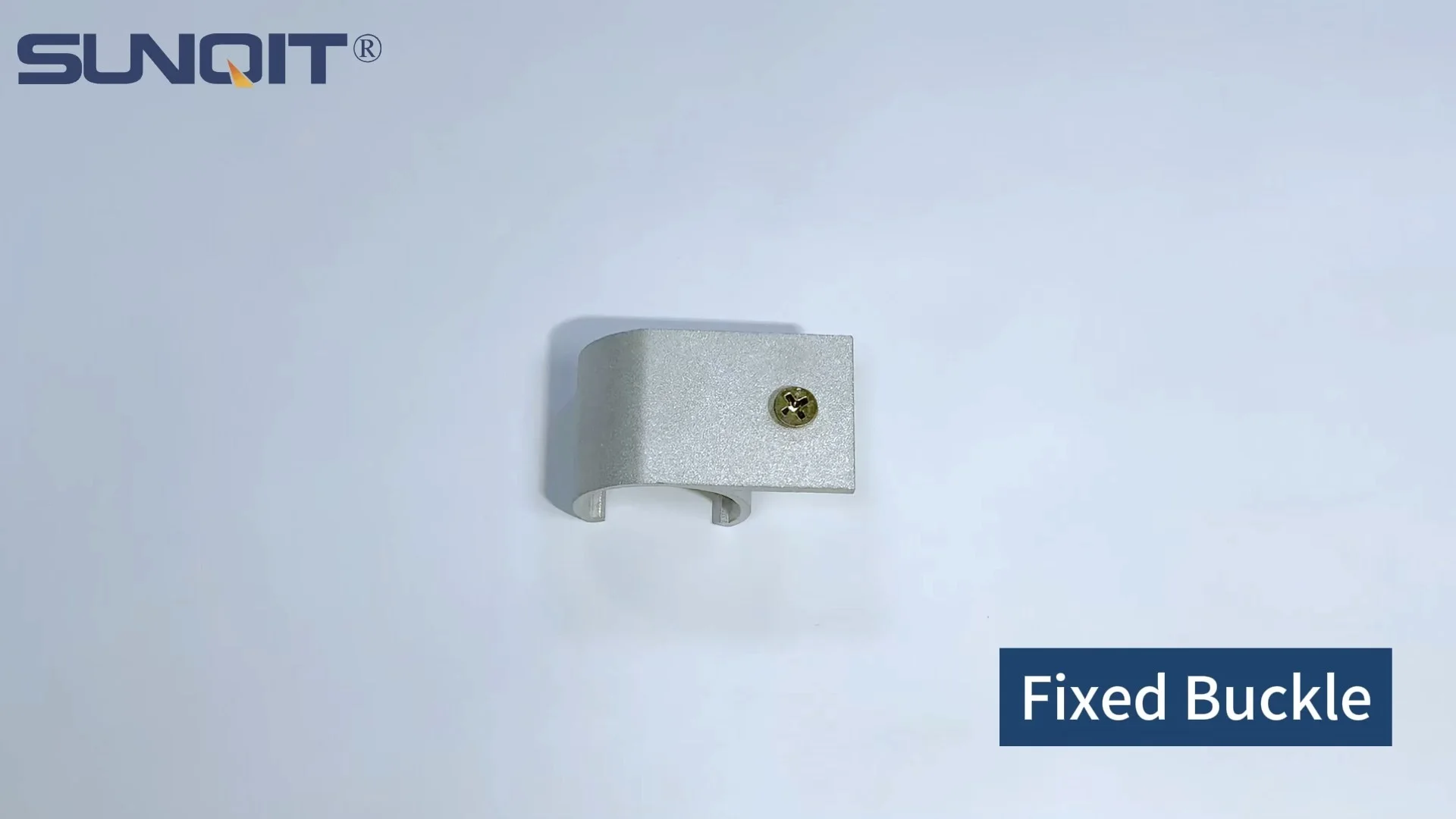
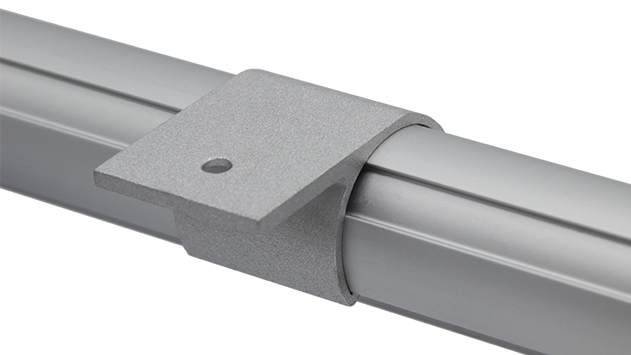
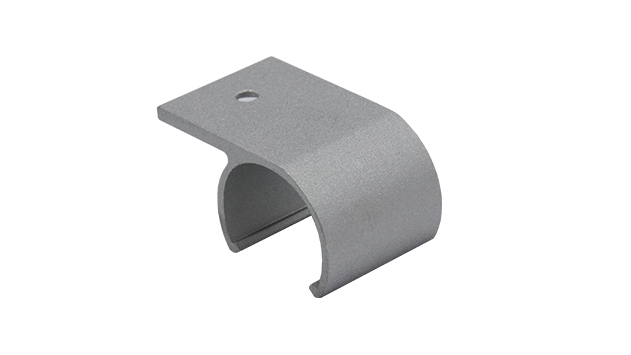
Aluminum pipe side clamp used for 28mm aluminum pipe connect with table top, or other accessories.
Walk into any modern manufacturing facility, warehouse, or workshop, and you'll likely spot a maze of aluminum pipes and profiles holding everything together—from workbenches and material racks to conveyor systems and assembly lines. These structures look seamless, but their stability and functionality hinge on a small yet mighty component: the aluminum pipe clamp. Often overlooked, these unassuming accessories are the glue that transforms individual pipes and profiles into robust, efficient workspaces. But here's the thing: not all clamps work with all pipes. The secret to a sturdy, long-lasting setup lies in understanding how aluminum pipe clamps interact with different pipe sizes. In this article, we'll dive deep into that relationship, exploring why size compatibility matters, how to choose the right clamp for your pipe, and the real-world impact of getting this pairing right. Whether you're setting up a lean manufacturing cell, building a custom workbench, or optimizing a material handling system, this guide will help you avoid common pitfalls and unlock the full potential of your aluminum structures.
The Foundation: Understanding Aluminum Pipe Sizes
Before we can talk about clamps, we need to get familiar with the stars of the show: aluminum pipes and profiles. Aluminum pipes come in a range of sizes, each designed to tackle specific tasks. The most common measurements refer to the outer diameter (OD) of the pipe, typically ranging from 16mm to 60mm in industrial settings. Let's break down the key players:
Small-Diameter Pipes (16mm–25mm): These slender pipes are the lightweights of the bunch, ideal for lightweight structures like shelving units, small tool racks, or temporary workstations. Their compact size makes them easy to maneuver, and they're often used in settings where flexibility and quick adjustments are priorities—think prototype labs or small-scale assembly lines.
Medium-Diameter Pipes (30mm–40mm): The workhorses of the industry, medium-diameter pipes strike a balance between strength and versatility. You'll find them in everything from workbenches and conveyor frames to material carts and assembly line stations. A 30mm or 40mm pipe can support moderate loads (think tools, components, or even small machinery) without adding unnecessary bulk. This is where aluminum profile systems often shine—profiles in 30x30mm or 40x40mm sizes are industry standards for building sturdy, modular work surfaces.
Large-Diameter Pipes (50mm–60mm): When the going gets heavy, large-diameter pipes step in. These robust tubes are built to handle high loads, making them perfect for heavy-duty material racks, industrial conveyor supports, or structural frames in manufacturing plants. Their thicker walls (often 2mm–3mm) provide extra rigidity, but this comes with increased weight—so they're best reserved for stationary or slow-moving structures.
But size isn't just about diameter. Wall thickness, material grade, and even surface finish play roles in how a pipe performs. For example, a 40mm pipe with a 1.5mm wall might be suitable for a workbench, while the same diameter with a 2.5mm wall could support a heavy material rack. This variability is why aluminum pipe clamps—those critical connectors—can't be one-size-fits-all. They need to adapt to these differences to create a secure, reliable bond.
Aluminum Pipe Clamps: More Than Just a "Clip"
Let's clarify: aluminum pipe clamps aren't just simple clips. They're precision-engineered tools designed to join pipes, secure them to surfaces, or attach accessories like shelves, brackets, or wheels. As part of the broader category of aluminum pipe accessories , clamps come in dozens of designs, each tailored to specific tasks. But at their core, all clamps share a common goal: to create a tight, stable connection that can withstand vibration, load, and daily wear and tear.
So, what makes an aluminum pipe clamp "aluminum"? Most are crafted from aluminum alloy (often 6061 or 6063), chosen for its winning combo of strength, lightweight, and corrosion resistance. Some heavy-duty models may have steel components (like bolts or gripping plates) for added durability, but the main body is almost always aluminum to keep the overall weight down—a key advantage in mobile structures like carts or adjustable workbenches.
The design of a clamp depends largely on the job it needs to do. Here are the most common types you'll encounter:
- Fixed Clamps: As the name suggests, these clamps lock pipes into a rigid, non-adjustable position. They're ideal for permanent structures like the legs of a workbench or the frame of a material rack. Fixed clamps often use a bolt-and-nut system to tighten around the pipe, creating a vice-like grip.
- Swivel Clamps: For setups that need a bit of flexibility, swivel clamps allow pipes to rotate up to 360 degrees before locking into place. Think of a conveyor system where the angle of a guide rail needs to adjust slightly to align with different production lines. Swivel clamps use a ball-and-socket or hinge mechanism to enable movement.
- Parallel Clamps: These clamps are designed to hold two pipes parallel to each other, like the side rails of a cart or the uprights of a shelf. They often feature a flat base with two gripping points, ensuring the pipes stay perfectly aligned even under load.
- Heavy-Duty Clamps: Built for large-diameter pipes (40mm and up), these clamps have reinforced bodies and larger bolts to handle higher tensile forces. They're a staple in industrial settings where safety and load capacity are non-negotiable.
The key takeaway? Each clamp type is engineered with specific pipe sizes in mind. A swivel clamp designed for a 20mm pipe won't work on a 50mm pipe, and vice versa. Mismatched clamps and pipes can lead to loose connections, instability, or even structural failure—so getting the size right is step one.
Matching Clamps to Pipes: A Size-by-Size Guide
Now, let's get practical. How do you pair the right clamp with the right pipe size? To simplify, we've put together a compatibility table highlighting the most common clamp types and the pipe sizes they're designed for. This isn't exhaustive—manufacturers offer custom clamps for unique sizes—but it covers 90% of industrial use cases.
| Clamp Type | Compatible Pipe Sizes (Outer Diameter) | Typical Applications | Key Features |
|---|---|---|---|
| Fixed Light-Duty Clamp | 16mm–25mm | Small shelving, tool hooks, cable management | Lightweight aluminum body, plastic gripping pads to prevent scratches |
| Swivel Clamp | 20mm–30mm | Adjustable workbench extensions, conveyor guide rails | 360° rotation, quick-release lever for fast adjustments |
| Parallel Clamp | 30mm–40mm | Workbench frames, material cart sides, dual-pipe supports | Dual gripping points, ensures pipes stay parallel under load |
| Heavy-Duty Fixed Clamp | 40mm–60mm | Material racks, industrial conveyor frames, machine bases | Reinforced aluminum alloy body, steel bolts, high load capacity (up to 500kg) |
| T-Slot Clamp | 20mm–40mm (with T-slot profiles) | Aluminum profile workbenches, modular assembly lines | Slides into T-slots of aluminum profiles, no drilling required |
Let's zoom in on a few of these pairings to see how they work in practice. Take the parallel clamp and 30mm–40mm pipes. A typical workbench, for example, uses 30x30mm or 40x40mm aluminum profiles for its frame. The parallel clamp is designed to connect two vertical profile legs to a horizontal crossbar, ensuring the legs stay perfectly parallel and the bench doesn't wobble. The clamp's gripping surfaces are curved to match the profile's edges (or pipe's diameter), and a bolt tightens the clamp until it's snug—no gaps, no slippage.
For larger pipes, like the 50mm tubes in a heavy material rack, the heavy-duty fixed clamp is non-negotiable. These clamps have wider gripping surfaces to distribute the load evenly across the pipe's surface, preventing dents or deformation. They also feature longer bolts and thicker aluminum bodies to handle the rack's weight (think stacks of metal sheets or bulky components). Without this size-specific design, the clamp might bend under pressure, leading to a dangerous collapse.
Beyond Size: The Hidden Factors in Compatibility
If you're thinking, "Okay, just match the clamp's size rating to the pipe's diameter and call it a day," you're not wrong—but there's more to the story. Compatibility isn't just about diameter. Let's explore the other factors that can make or break a clamp-pipe connection.
Wall Thickness Matters: A 30mm pipe with a 1mm wall is much more flexible than a 30mm pipe with a 2mm wall. Clamps designed for thin-walled pipes often have softer gripping pads (rubber or plastic) to avoid crushing the pipe, while clamps for thick-walled pipes use harder materials (like steel) to bite into the surface and create friction. Using a thick-wall clamp on a thin pipe? You risk deforming the pipe. Using a thin-wall clamp on a thick pipe? It might not tighten enough, leading to slippage.
Surface Finish and Material: Most aluminum pipes are anodized (coated with a protective oxide layer) to resist corrosion. Anodized surfaces are slightly rougher than bare aluminum, which helps clamps grip better. If you're using a bare (non-anodized) pipe, look for clamps with serrated gripping plates—these "bite" into the smooth surface to prevent slipping. And while we're on materials: avoid using steel clamps on aluminum pipes long-term. The two metals can react (galvanic corrosion) when exposed to moisture, weakening the connection over time. Stick to aluminum clamps for aluminum pipes.
Load Direction: Is the load pulling the pipes apart (tension), pushing them together (compression), or twisting them (torque)? A clamp that works for tension (like holding a shelf to a vertical pipe) might fail under torque (like a rotating conveyor arm). Always check the clamp's load rating for the specific direction of force in your application. For example, aluminum lean pipe systems—used in lean manufacturing to create flexible, just-in-time workstations—often experience dynamic loads (frequent adjustments, moving parts). Clamps here need to handle both tension and torque, so they're designed with extra reinforcement at the bolt points.
Environmental Conditions: Indoor, climate-controlled facilities have it easy. But if your setup is outdoors or in a humid/wet environment (like a food processing plant), corrosion resistance becomes critical. Look for clamps with stainless steel bolts or plastic-coated components to prevent rust. Some manufacturers even offer "marine-grade" aluminum clamps for coastal or high-moisture settings.

Real-World Impact: How the Right Clamp-Pipe Pairing Boosts Efficiency
Still skeptical that clamp-pipe compatibility matters? Let's look at a real-world example. A mid-sized electronics manufacturer in Michigan was struggling with frequent downtime on their assembly line. The issue? Their workbenches—built with generic steel clamps and 30mm aluminum profiles—kept wobbling, causing workers to pause and readjust components. The clamps, designed for 25mm steel pipes, were too loose on the 30mm aluminum profiles, even when tightened to the max.
After consulting with an aluminum profile supplier, they switched to parallel aluminum clamps specifically designed for 30mm profiles. The results were striking:
- Workbench wobble decreased by 80%, reducing component misalignment and rework.
- Assembly time per unit dropped by 15%, as workers no longer stopped to adjust the bench.
- Clamp lifespan increased from 3 months to over a year, cutting replacement costs.
The takeaway? Compatibility isn't just about safety—it's about efficiency. When clamps and pipes work together seamlessly, your structures last longer, require less maintenance, and support smoother workflows.
Case Study: From Chaos to Lean with 40mm Pipes and Heavy-Duty Clamps
A automotive parts distributor in Texas was drowning in inefficiency. Their warehouse used a hodgepodge of wooden shelves and metal racks, making it hard to organize parts and slow to restock. They wanted to switch to a lean material handling system using aluminum pipes and profiles—specifically, 40mm aluminum profiles for racks and 40mm pipes for conveyor rails.
The first attempt used generic "one-size-fits-all" clamps. Within weeks, the racks sagged under the weight of heavy parts, and the conveyor rails misaligned, jamming boxes. The problem? The clamps were rated for 30mm pipes, not 40mm. They couldn't handle the load, leading to bent clamps and unstable connections.
The fix? Upgrading to heavy-duty parallel clamps designed for 40mm pipes. These clamps had wider gripping surfaces and reinforced bolts, distributing the load evenly across the 40mm profiles. The result? Racks that supported 50% more weight without sagging, conveyor rails that stayed aligned, and restocking time cut by 30%. The distributor estimates the switch saved them $45,000 in labor costs in the first year alone.
Troubleshooting Common Compatibility Issues
Even with careful planning, compatibility issues can pop up. Here are the most common problems and how to solve them:
-
Issue: Clamp slips on my 30mm aluminum pipe, even when fully tightened.Possible causes: 1) The clamp is designed for a smaller pipe (e.g., 25mm). Check the clamp's specs—most have size markings (e.g., "30mm OD"). 2) The pipe is bare (non-anodized) and smooth. Swap for a clamp with serrated gripping plates or add a rubber shim between the clamp and pipe. 3) The clamp's bolt is stripped. replace the bolt with a new one of the same thread size (usually M8 or M10 for 30mm pipes).
-
Issue: Clamp crushes my thin-walled 20mm pipe when I tighten it.You're using a heavy-duty clamp meant for thick-walled pipes. Switch to a light-duty clamp with rubber or plastic gripping pads—these distribute pressure more evenly. Also, avoid overtightening: hand-tighten until the pipe doesn't move, then add a quarter-turn with a wrench. Most light-duty clamps have torque limits (e.g., 5 Nm)—check the manual!
-
Issue: Clamps on my outdoor material rack are corroding after 6 months.Aluminum clamps are corrosion-resistant, but their bolts might not be. Look for clamps with stainless steel bolts or hot-dipped galvanized hardware. If the damage is minor, clean the clamps with a vinegar solution to remove rust, then coat the bolts with anti-corrosion spray (WD-40 Specialist Long-Term Corrosion Inhibitor works well). For coastal areas, consider marine-grade aluminum clamps with extra anodization.
Final Thoughts: Compatibility is the Key to Unlocking Aluminum's Potential
Aluminum pipes and profiles are revolutionizing industrial design with their lightweight, strength, and flexibility. But none of that matters if the clamps holding them together fail. Aluminum pipe clamps aren't an afterthought—they're critical components that bridge the gap between pipe size, load, and application.
When choosing clamps, start with size (outer diameter), then consider wall thickness, material, and load. Use the compatibility table as a guide, but don't hesitate to consult your supplier—they can help you navigate custom sizes or unique applications. And remember: investing in the right clamp today saves you time, money, and headaches tomorrow.
So, the next time you're setting up a workbench, building a rack, or designing a conveyor system, give your aluminum pipe clamps the attention they deserve. After all, they're the quiet heroes keeping your operation running smoothly—one secure connection at a time.