- Company Articles
- Products and Technology
- Product knowledge
- Aluminum Pipe Clamps: Compatibility with Inner Rotary Aluminum Joints

Aluminum Pipe Clamps: Compatibility with Inner Rotary Aluminum Joints
Related Product
Aluminum Pipe Clamp
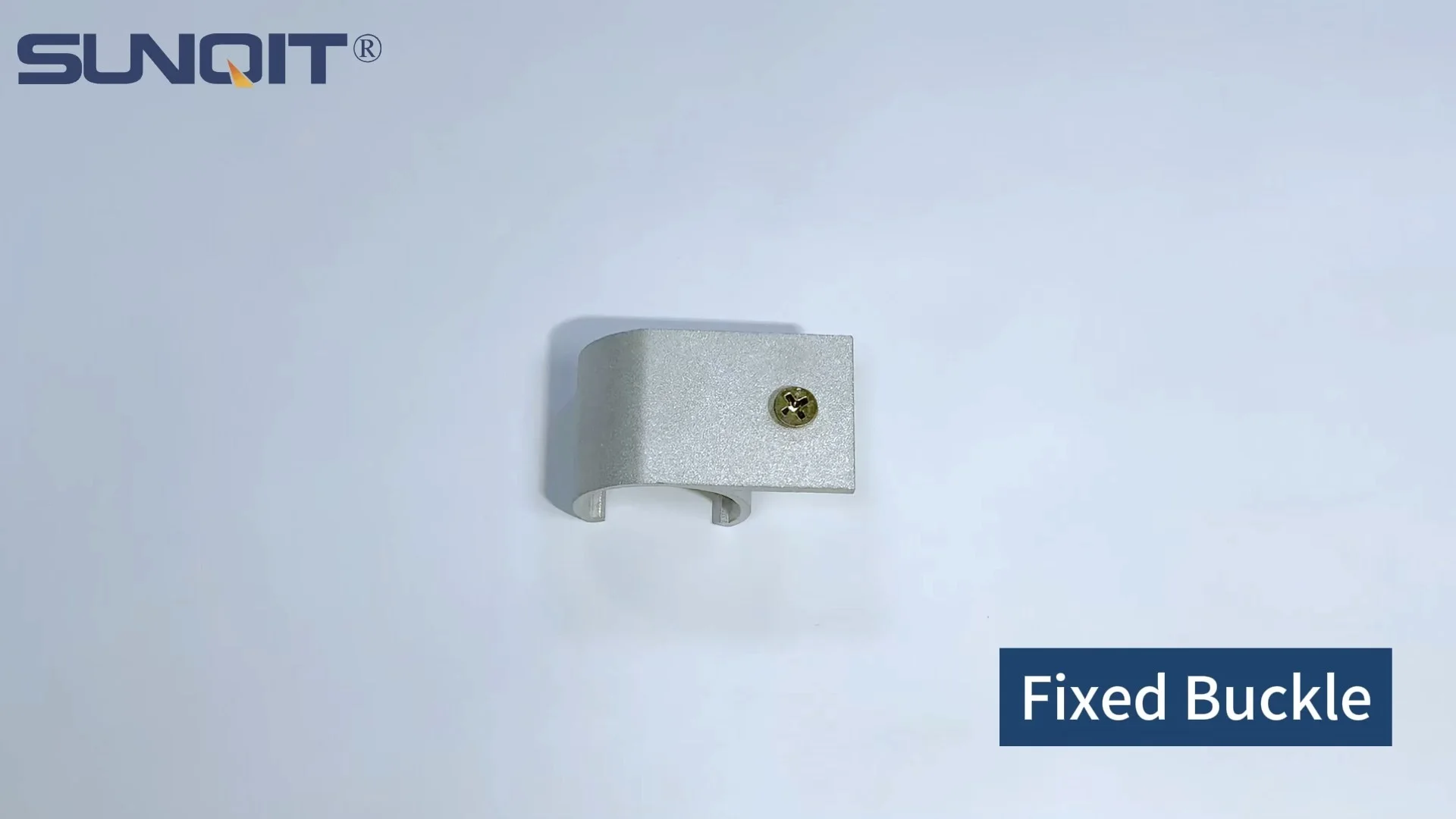
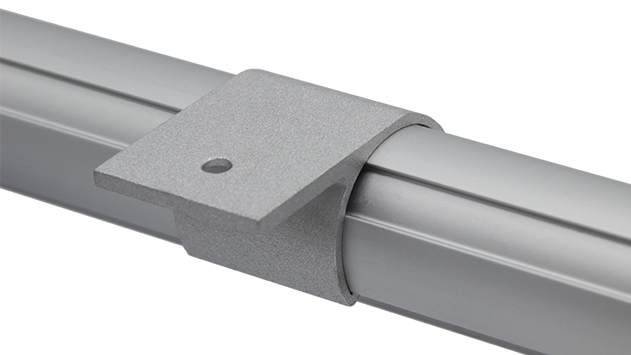
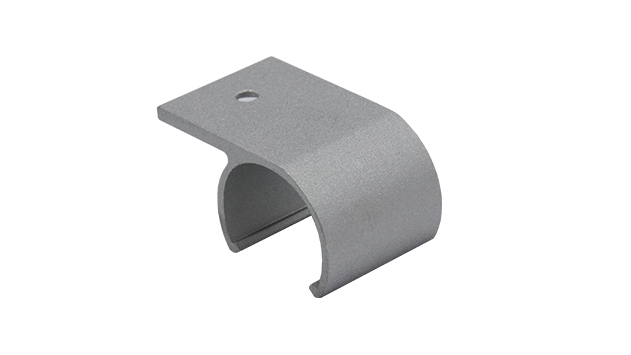
Aluminum pipe side clamp used for 28mm aluminum pipe connect with table top, or other accessories.
Walk into any modern manufacturing facility, warehouse, or assembly line, and you'll likely notice a common thread: sleek, modular structures that seem to adapt and evolve with the workflow. From workbenches that adjust to worker heights to material racks that reconfigure as production needs change, these systems are the backbone of efficient operations. At the heart of this flexibility lies a simple yet powerful combination: aluminum lean pipe, aluminum pipe accessories, and the unsung heroes holding it all together—aluminum pipe clamps and inner rotary aluminum joints. Today, we're diving deep into why these two components matter, how their compatibility shapes your workspace, and why getting this pairing right can mean the difference between a smooth, productive floor and a frustrating, error-prone one.
What Are Aluminum Pipe Clamps, Anyway?
Let's start with the basics. Aluminum pipe clamps are the "glue" of modular aluminum systems. Think of them as the connective tissue that fastens pipes, profiles, and accessories into stable, functional structures. Unlike rigid welding or permanent bolts, these clamps are designed for flexibility—they let you assemble, disassemble, and reconfigure your setup without specialized tools or damaging the materials. But not all clamps are created equal. Some are built for light-duty tasks, like securing a small workbench shelf, while others are heavy-duty workhorses, holding up hundreds of pounds of materials on a factory rack.
Most aluminum pipe clamps are made from high-grade aluminum alloys (often 6063 or 6061) for a balance of strength and lightweight performance. They come in various designs: some wrap around the pipe with a screw-tightened band, others use a T-slot mechanism to lock into aluminum profiles, and a few even feature rubberized grips to prevent slippage. What they all share, though, is a singular purpose: to create a secure connection that can withstand the daily wear and tear of industrial use—vibrations from machinery, the weight of moving parts, and the occasional bump from a forklift or turnover trolley.
But here's the thing: a clamp is only as good as the joint it's paired with. And when it comes to adding movement and adaptability to your system, there's one joint that stands out: the inner rotary aluminum joint.
Inner Rotary Aluminum Joints: The "Flex" in Flexible Systems
If aluminum pipe clamps are the "glue," then inner rotary aluminum joints are the "hinges" that bring modular systems to life. These clever components are designed to connect two aluminum pipes (or pipes to profiles) while allowing controlled rotation—think of a workbench shelf that swivels out of the way when not in use, or a material rack arm that adjusts to angle materials toward a worker. Unlike fixed joints, which lock components into a static position, inner rotary joints add a dynamic element, making your workspace feel less like a rigid structure and more like a tool that adapts to you .
The "inner rotary" part refers to their design: the rotation mechanism is housed inside the joint itself, protected from dust, debris, and accidental damage. A typical inner rotary joint has two main parts: a stationary base that attaches to one pipe or profile, and a rotating socket that connects to another. Inside, you'll find bearings or a smooth, lubricated surface that allows the socket to turn 180 degrees (or more, depending on the model) with minimal friction. Some even have built-in detents—small notches that let you lock the joint at specific angles, so you don't have to worry about it rotating unexpectedly mid-task.
These joints are a game-changer for applications where movement is key. Imagine a packaging station where workers need to pass boxes from a conveyor to a sorting table: an inner rotary joint on the table arm lets them swing the surface into position, then lock it when done. Or consider a maintenance workbench where tools are stored on a rotating shelf—no more reaching across the table; just swivel the shelf to you. It's these small, thoughtful movements that add up to big gains in efficiency and ergonomics.
Why Compatibility Between Clamps and Joints Matters (A Lot)
Now, here's the critical question: What happens when your aluminum pipe clamp and inner rotary joint aren't compatible? Picture this: You've just assembled a new workbench using aluminum lean pipe, excited to boost your team's productivity. The first day, everything seems fine. But by week two, the shelf attached with a mismatched clamp-joint pair starts wobbling. By month three, it's sagging under the weight of tools, and one wrong move sends a wrench crashing to the floor. Not only is this a safety hazard, but it's also a waste of time, money, and trust in your system.
Compatibility isn't just about "fitting together"—it's about creating a connection that's safe, stable, and functional for the long haul. When clamps and joints are designed to work in tandem, they distribute weight evenly, reduce stress on individual components, and maintain their integrity even under repeated use. On the flip side, a poor match can lead to loose connections, uneven wear, and even system failure. So, what exactly makes two components "compatible"?
Key Factors That Determine Compatibility
1. Pipe Diameter and Profile Size
This is the most basic (and most overlooked) factor. Aluminum lean pipes come in standard diameters—common sizes are 28mm, 30mm, and 40mm—while aluminum profiles have specific cross-sections (like 20x20mm, 30x30mm, or 40x40mm). A clamp designed for a 28mm pipe won't grip a 40mm pipe properly, and a joint made for a 30x30mm profile will wobble if paired with a 40x40mm one. Always check the manufacturer's specs for pipe diameter and profile compatibility—most reputable suppliers list this clearly, often right on the product page.
2. Material and Finish
Aluminum alloys matter here. A clamp made from a soft aluminum (like 1100 series) might deform under the pressure of a high-strength inner rotary joint made from 6061 aluminum. Similarly, if your joint has a powder-coated finish to resist corrosion, pairing it with a clamp that has a rough, uncoated surface could scratch the finish over time, leading to rust. Look for clamps and joints with matching or complementary materials—ideally, both made from the same or similar aluminum alloys with compatible coatings (like anodized or powder-coated).
3. Load Capacity: Don't Overestimate (or Underestimate)
Every clamp and joint has a maximum load rating—the amount of weight it can safely support without bending or breaking. If your inner rotary joint is rated for 50kg, but the clamp it's paired with only handles 30kg, the system's overall capacity is limited by the weaker component. This is a classic case of "a chain is only as strong as its weakest link." Always match the load ratings: if your joint can handle 100kg, use a clamp that can handle at least 100kg (preferably more, to be safe). This is especially important for overhead structures or materials that move—like a roller track on a rotating arm—where a failure could cause serious injury.
4. Design: How They Lock and Rotate
Even if two components have the same diameter and load rating, their design might clash. For example, some inner rotary joints have a flanged base that requires a clamp with a recessed mounting area. If you use a flat clamp instead, the joint might sit unevenly, leading to wobbly rotation. Or consider a T-slot clamp: it needs a joint with a T-slot compatible tongue to lock in place. Mismatched designs can also make assembly a nightmare—you might end up forcing components together, stripping threads, or damaging the pipe.
5. Environmental Conditions
Where will your system live? If it's in a damp warehouse, you'll need clamps and joints with corrosion-resistant finishes (like stainless steel hardware or anodized aluminum). In a cleanroom or ESD-sensitive environment (think electronics manufacturing), static-dissipative clamps and joints are a must to prevent electrostatic discharge from damaging components. Even temperature matters—extreme heat or cold can cause aluminum to expand or contract, so a clamp that's too tight in summer might loosen in winter, and vice versa. Always factor in your workspace's unique conditions when checking compatibility.

The Benefits of a Well-Matched Clamp-Joint Pair
Okay, so we've talked about the risks of poor compatibility—but what about the rewards of getting it right? Let's break down why investing in compatible aluminum pipe clamps and inner rotary joints is worth every penny:
Smoother Workflow, Fewer Headaches
A compatible pair moves together seamlessly. The inner rotary joint rotates smoothly without sticking, and the clamp holds firm without slipping. This means less time adjusting wobbly shelves, fixing loose connections, or replacing broken parts—and more time focusing on actual work. For example, a production line with a rotating material rack (held together by compatible clamps and joints) lets workers grab parts without stopping the line, cutting down on downtime.
Longer Lifespan for Your System
When components work in harmony, they wear evenly. A mismatched clamp might put extra stress on the joint's rotation mechanism, causing it to fail prematurely. But a compatible pair distributes weight and movement evenly, reducing wear and tear. This means your modular system will last years longer, saving you money on replacements and repairs.
Safety First (and Always)
This can't be overstated: compatible clamps and joints are safer. A secure connection means less risk of structures collapsing, materials falling, or workers getting injured. In industries like automotive or aerospace, where even small failures can have big consequences, this peace of mind is priceless.
Flexibility to Grow and Adapt
One of the biggest perks of modular aluminum systems is their adaptability. With compatible clamps and joints, you're not stuck with a "set it and forget it" setup. Need to add a second shelf to your workbench? Just loosen the clamps, adjust the inner rotary joint to the new angle, and re-tighten. Want to repurpose a material rack into a mobile trolley? Disassemble the components (without damaging them) and rebuild. Compatible parts make reconfiguration quick and easy—no need to buy a whole new system.
Real-World Applications: Where Compatibility Shines
Let's ground this in real life. Here are a few scenarios where compatible aluminum pipe clamps and inner rotary joints make a tangible difference:
The Assembly Line Workbench
Imagine a busy electronics assembly line where workers build circuit boards. The workbench (let's call it a "Workbench E"—single deck, without casters, as per some common models) needs to hold tools, components, and a small ESD mat to prevent static damage. The upper shelf, where parts are stored, uses inner rotary joints to swing out over the workspace when needed, then fold back to save space. The clamps holding the shelf to the workbench frame must be compatible with the joints to ensure smooth rotation and a secure hold. If the clamps are too loose, the shelf sways while workers pick parts; if too tight, the joints seize up. A compatible pair? The shelf moves with a gentle push, stays put when locked, and supports the weight of bins full of resistors and capacitors without complaint.
The Material Handling Rack
A warehouse that ships small parts might use a "Material Rack B"—3 rows, 3 floors—with rotating arms to access bins from both sides. Each arm is attached to the rack posts with inner rotary joints, and aluminum pipe clamps secure the joints to the posts. If the clamps and joints aren't compatible, the arms might sag under the weight of full bins, or rotate unexpectedly when someone brushes against them. But with a compatible setup, the arms lock firmly in place when not in use, rotate smoothly when needed, and support heavy loads without bending. This makes picking orders faster and safer—no more climbing ladders to reach bins on the back row.
The Mobile Workstation
In a large factory, workers might use mobile workstations (like turnover trolleys) that move alongside assembly lines. These trolleys often have rotating tool trays or adjustable shelves, held together by inner rotary joints and clamps. If the clamps slip, the tray could rotate while the trolley is moving, spilling tools. But a compatible pair keeps the tray locked during transport and rotating smoothly when parked. This mobility lets workers bring their tools to the job, rather than walking back and forth to a fixed bench—another win for efficiency.
Compatibility Comparison: A Closer Look
To make it easier to visualize, let's compare a few common aluminum pipe clamp and inner rotary joint pairs. This table highlights key specs and compatibility features—keep in mind that these are general examples; always check your specific supplier's products for exact details.
| Clamp Type | Inner Rotary Joint Model | Compatible Pipe Diameter (mm) | Max Load Capacity (kg) | Material | Best For |
|---|---|---|---|---|---|
| Standard Aluminum Band Clamp | Basic Internal Rotary Joint | 28-30 | 50 | 6063 Aluminum | Light-duty workbenches, small shelves |
| Heavy-Duty T-Slot Clamp | Industrial-Grade Internal Rotary Joint | 30-40 | 150 | 6061 Aluminum (Anodized) | Material racks, overhead structures |
| Rubber-Grip Clamp | ESD-Safe Internal Rotary Joint | 28 | 75 | 6063 Aluminum + ESD Rubber | Electronics assembly, ESD workstations |
| Swivel Flange Clamp | High-Angle Internal Rotary Joint (360° rotation) | 30-40 | 100 | 6061 Aluminum | Rotating material arms, mobile trolleys |
Notice that the "Best For" column aligns with load capacity and pipe diameter—light-duty tasks use smaller pipes and lower loads, while heavy-duty jobs need larger pipes and higher capacities. Also, the material column shows matching alloys (6063 or 6061), ensuring compatibility in strength and wear.
Troubleshooting Common Compatibility Issues
Even with careful planning, you might run into issues. Here's how to spot and fix common compatibility problems:
Problem: The Joint Rotates, But the Clamp Slips
Cause: The clamp's grip is too weak for the joint's movement or load. Maybe the clamp is the wrong size for the pipe, or the material is too soft. Solution: Upgrade to a larger clamp or one with a higher load rating. If the pipe is smooth, try a clamp with rubberized grips for better traction.
Problem: The Joint Sticks When Rotating
Cause: The clamp is overtightened, putting pressure on the joint's rotation mechanism. Or the clamp and joint have mismatched designs (e.g., a flanged joint with a flat clamp). Solution: Loosen the clamp slightly—you need a firm hold, not a death grip. If the design is mismatched, switch to a clamp with a recessed or flanged base to fit the joint.
Problem: Rust or Corrosion at the Connection
Cause: The clamp and joint have incompatible finishes (e.g., a bare aluminum clamp with a powder-coated joint). Or the environment is too humid. Solution: Use clamps and joints with the same corrosion-resistant finish (anodized or powder-coated). In damp areas, add a thin layer of anti-corrosion lubricant to the connection.
Problem: The Pipe Bends Under Load
Cause: The clamp and joint are compatible, but the pipe itself is too weak. Or the load exceeds the system's capacity. Solution: Check the pipe's load rating—upgrade to a thicker-walled aluminum lean pipe (e.g., 2.0mm instead of 1.2mm). Reduce the load or add extra supports if needed.
Choosing the Right Supplier: Your Partner in Compatibility
At the end of the day, the easiest way to ensure compatibility is to buy your aluminum pipe clamps and inner rotary joints from the same supplier. Reputable suppliers design their components to work together seamlessly—they test clamps with joints, publish compatibility charts, and offer technical support if you're unsure which parts to pair. Look for suppliers who specialize in aluminum lean pipe systems and aluminum pipe accessories—they'll have the expertise to guide you to the right components for your needs.
When vetting suppliers, ask these questions: Do you test your clamps and joints together for compatibility? Can you provide load rating data for paired components? Do you offer samples so I can test the connection before buying in bulk? A good supplier will be happy to answer these—and if they're not, that's a red flag.
Wrapping Up: Compatibility is the Key to Success
Aluminum pipe clamps and inner rotary aluminum joints might seem like small parts, but they're the foundation of any modular aluminum system. Their compatibility determines how well your workspace functions—how smoothly it moves, how safely it holds up, and how easily it adapts to change. By taking the time to understand what makes these components work together, and by choosing the right pairs for your needs, you're not just building a structure—you're building a more efficient, productive, and sustainable workflow.
So the next time you're assembling a workbench, material rack, or mobile trolley, remember: the magic isn't just in the pipes or profiles. It's in the connection. Choose wisely, and your modular system will reward you with years of reliable performance.