- Company Articles
- Products and Technology
- Product knowledge
- Aluminum Pipe Clamps: Corrosion Resistance in Humid Environments

Aluminum Pipe Clamps: Corrosion Resistance in Humid Environments
Related Product
Aluminum Pipe Clamp
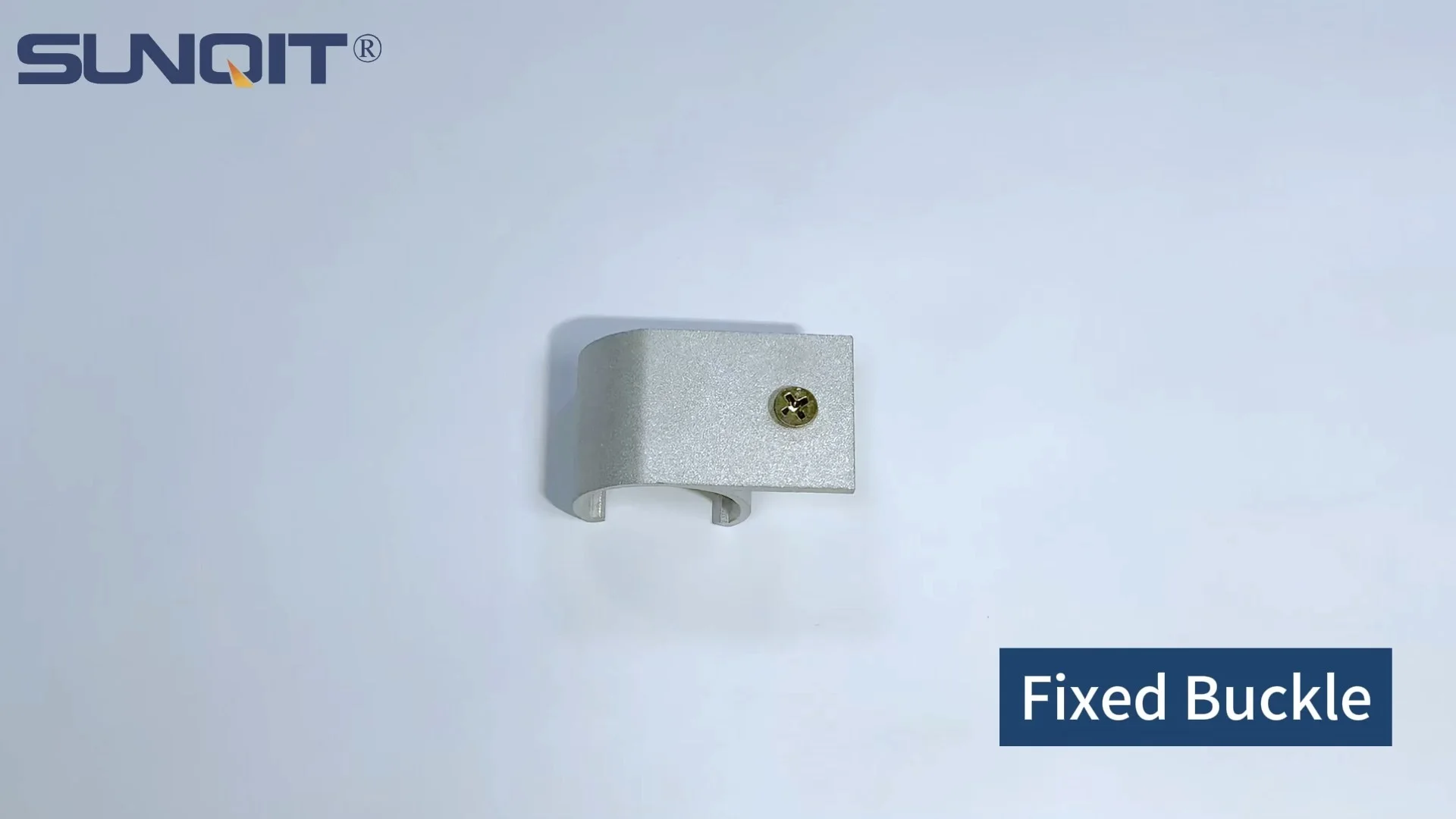
Aluminum pipe side clamp used for 28mm aluminum pipe connect with table top, or other accessories.
Aluminum Pipe Clamps: Corrosion Resistance in Humid Environments
Walk into any manufacturing facility, warehouse, or food processing plant, and you'll likely spot a maze of pipes, workbenches, and material racks holding the operation together. These structures are the unsung heroes of productivity—until corrosion strikes. In humid environments, where moisture lingers in the air, clamps and fasteners become silent victims, rusting away until connections loosen, structures wobble, and safety becomes a concern. For plant managers and operations teams, this isn't just a maintenance headache; it's a drain on time, money, and efficiency. But what if there was a solution that could stand up to the damp, sticky air without breaking a sweat? Enter aluminum pipe clamps—a yet powerful component that's changing how industries tackle corrosion in humid workspaces.
In this article, we'll dive deep into why aluminum pipe clamps are the unsung champions of humid environments. We'll explore the science behind their corrosion resistance, break down their design features, and show how they work hand-in-hand with aluminum pipe accessories and aluminum extrusion profile to create durable, long-lasting systems. Whether you're running a coastal factory, a greenhouse, or a pharmaceutical cleanroom, understanding the value of aluminum in these settings could save you from costly replacements and unplanned downtime.
The Hidden Cost of Corrosion in Humid Workspaces
Corrosion isn't just about rust stains on metal. It's a slow, silent process that eats away at structural integrity, compromises safety, and erodes your bottom line. In humid environments—think facilities near the ocean, where saltwater mist hangs in the air, or food processing plants where steam and water are constant companions—this problem accelerates. Traditional steel clamps, for example, start showing signs of rust within months. At first, it's just a discoloration, but over time, the metal weakens. A clamp that once held 50kg might suddenly give way under 30kg, sending tools or materials crashing to the floor.
The costs add up quickly. There's the price of replacing corroded clamps and pipes, of course, but that's just the tip of the iceberg. Unplanned downtime while crews fix loose connections or replace rusted parts can cost thousands per hour in lost production. Then there's the safety risk: a wobbly workbench or unstable material rack puts employees at risk of injury, leading to workers' compensation claims and damaged morale. In regulated industries like pharmaceuticals or food processing, corrosion can even contaminate products, leading to recalls and regulatory fines.
For years, many facilities turned to stainless steel as a "corrosion-proof" alternative. While stainless steel does resist rust better than regular steel, it's not invincible—especially in highly humid or salt-rich environments. And it comes with a steep price tag, often doubling the cost of a steel system. Plastic clamps, on the other hand, are cheap but lack the strength to handle heavy loads, making them a non-starter for industrial settings. So what's the middle ground? Aluminum pipe clamps offer a sweet spot of affordability, strength, and unmatched corrosion resistance—especially when paired with the right aluminum pipe accessories.
Why Aluminum? The Science Behind Its Corrosion Resistance
Aluminum has a secret weapon against corrosion: its own oxide layer. When aluminum is exposed to air, it reacts with oxygen to form a thin, invisible film of aluminum oxide (Al₂O₃). This layer is just 0.00001mm thick—about 100 times thinner than a human hair—but it's incredibly tough. Unlike rust, which flakes off steel and exposes fresh metal to corrosion, aluminum oxide sticks tightly to the surface, acting as a barrier that prevents further oxidation. Even if the layer is scratched, it quickly reforms in the presence of oxygen, self-healing to protect the metal underneath.
But aluminum's resistance doesn't stop there. Manufacturers often enhance this natural protection with additional treatments. Anodizing, for example, is a process that thickens the oxide layer using an electrolytic solution, making it even more durable and resistant to moisture. Some aluminum pipe clamps also undergo powder coating, which adds a colored, protective layer that shields against scratches and chemical exposure—ideal for environments where cleaning agents or oils might otherwise eat away at the metal.
Another key advantage of aluminum is its lightweight nature. While this might not seem directly related to corrosion resistance, it matters in practice. Lighter clamps and pipes are easier to install and adjust, reducing the risk of improper fitting—a common cause of premature wear. And because aluminum is malleable, it can be shaped into complex designs without compromising strength, allowing for clamps that fit snugly around pipes and resist loosening over time, even in vibrating machinery.
Aluminum Pipe Clamps: More Than Just a Fastener
At first glance, an aluminum pipe clamp might look like a simple piece of hardware—a metal loop or bracket that holds pipes together. But in reality, these clamps are engineered with precision to thrive in humid environments. Let's break down their key design features and why they matter.
Design Features for Humid Environments
One of the most critical design elements of aluminum pipe clamps is their smooth, crevice-free surface. Moisture loves to hide in tiny cracks and corners, where it can linger and cause corrosion. Aluminum clamps are often die-cast or machined to eliminate sharp edges and gaps, leaving nowhere for water to collect. For example, a well-designed aluminum pipe clamp might have a rounded inner surface that fits tightly around the pipe, with no overlapping edges that could trap condensation.
Many aluminum clamps also feature adjustable mechanisms, like bolts or levers made from corrosion-resistant materials (often stainless steel or coated aluminum). These allow for a secure, tight fit that can be adjusted as pipes expand or contract with temperature changes—a common issue in humid environments where temperatures fluctuate. A clamp that's too loose lets moisture seep in; one that's too tight can crack under stress. Aluminum's flexibility helps strike the perfect balance.
Material Composition: Alloys and Treatments
Not all aluminum is created equal. The best aluminum pipe clamps are made from high-quality alloys, like 6061 or 6063, which blend aluminum with small amounts of magnesium and silicon. These alloys enhance strength without sacrificing corrosion resistance, making them ideal for heavy-duty applications. 6061 aluminum, for example, has a tensile strength of 200 MPa (megapascals)—strong enough to hold up in industrial settings—while still maintaining the metal's natural oxide protection.
After manufacturing, clamps often undergo surface treatments to boost their durability. As mentioned earlier, anodizing is a popular choice. Type II anodizing creates a thin, clear layer that's perfect for indoor use, while Type III (hard anodizing) produces a thicker, harder coating that can withstand outdoor or high-wear environments. For clamps used in food processing or medical facilities, where cleanliness is critical, anodized aluminum is also non-porous and easy to sanitize—no more bacteria hiding in rusty crevices.
Aluminum Pipe Accessories: Completing the Corrosion-Resistant System
A pipe clamp is only as strong as the system it's part of. That's where aluminum pipe accessories come in. From brackets and connectors to end caps and hinges, these components work with aluminum pipe clamps to create a unified, corrosion-resistant structure. Let's take a closer look at how they contribute to durability.
Aluminum Profile and Extrusion Profile: Building Blocks
Aluminum extrusion profile is the backbone of many industrial structures. These are long, uniform pieces of aluminum shaped through a process called extrusion, where heated aluminum is pushed through a die to create specific cross-sections—like T-slots, angles, or tubes. When paired with aluminum pipe clamps, these profiles form sturdy frames for workbenches, material racks, and conveyor systems.
What makes aluminum extrusion profile so great for humid environments? Like clamps, they benefit from aluminum's natural corrosion resistance. But their design adds another layer of protection: T-slots. These grooves allow for easy attachment of accessories (like clamps, shelves, or tool holders) without drilling holes, which can create weak points where moisture might collect. Instead, you slide a bolt or bracket into the slot and tighten it—no exposed screws or cracks to trap water.
For example, a material rack built with aluminum extrusion profile and aluminum pipe clamps can withstand years of exposure to steam in a commercial kitchen. The smooth, anodized profiles resist water spots, while the clamps hold shelves securely without rusting. Even if the rack gets splashed with water, the system dries quickly, and the oxide layer prevents any lasting damage.
How Accessories Enhance Durability
Aluminum pipe accessories aren't just add-ons—they're essential for creating a system that can handle humid conditions. Take end caps, for instance. These simple plastic or aluminum covers fit over the ends of aluminum pipes, preventing water from seeping inside and causing internal corrosion. In a greenhouse, where pipes are constantly exposed to rain and condensation, end caps can extend the life of a system by years.
Another key accessory is the aluminum pipe clamp's partner: the joint. Aluminum joints connect pipes and profiles at angles, and like clamps, they're designed to be moisture-resistant. Many are made from the same 6061 aluminum alloy and anodized for extra protection. A 90-degree aluminum joint, for example, might have a hollow interior to reduce weight, but its outer surface is smooth and sealed to prevent water from entering.
Casters are another example. If you're using a mobile workstation (like a turnover trolley) in a humid area, aluminum casters with rubber wheels won't rust like steel ones. The aluminum housing resists moisture, while the rubber wheels provide grip on wet floors—safety and durability in one package.
Real-World Applications: Where Aluminum Pipe Clamps Shine
To truly understand the value of aluminum pipe clamps, let's look at how they perform in some of the most humid environments on the planet.
Food Processing Plants
Food processing is a tough industry for metal. Steam, water, and caustic cleaning agents (like bleach or acidic sanitizers) attack traditional steel equipment daily. Aluminum pipe clamps and aluminum extrusion profile systems are a game-changer here. For example, a meat-packing plant might use aluminum workbenches with clamps to hold cutting boards and tools. The anodized aluminum resists the constant washing, while the smooth surfaces prevent bacteria buildup—critical for meeting food safety standards like FDA regulations.
Coastal Manufacturing Facilities
Saltwater air is one of the most corrosive environments on Earth. A factory near the coast might see steel clamps rust within months, but aluminum systems thrive here. Take a boat manufacturing plant, for example. Aluminum pipe clamps hold together the frames of assembly lines, where salt mist drifts in from the ocean. The oxide layer on the aluminum reacts with the salt but doesn't corrode—instead, it forms a stable, protective film that keeps the clamps strong for years.
Greenhouses and Agricultural Settings
Greenhouses are humid by design—perfect for plants, but tough on metal. Aluminum pipe clamps and aluminum pipe accessories are ideal for supporting irrigation systems, shelving, and plant hangers. Unlike steel, they won't leach rust into the soil or water, keeping plants healthy. And since greenhouses often have temperature swings (hot days, cool nights), aluminum's ability to expand and contract without cracking is a major plus.
Comparing Materials: Aluminum vs. Stainless Steel vs. Plastic Pipe Clamps
Still not sure if aluminum is right for your space? Let's compare it to two common alternatives: stainless steel and plastic. The table below breaks down key factors like corrosion resistance, cost, weight, and installation ease.
| Material | Corrosion Resistance (Humid/Salt Environments) | Cost (Relative) | Weight | Strength (Heavy Load Capacity) | Best For |
|---|---|---|---|---|---|
| Aluminum | Excellent (oxide layer + anodizing) | Moderate (1.5x steel, 0.5x stainless steel) | Light (1/3 the weight of steel) | Good (up to 200 MPa tensile strength) | Humid, coastal, food processing, greenhouses |
| Stainless Steel | Very Good (but prone to pitting in saltwater) | High (3x aluminum) | Heavy (similar to steel) | Excellent (up to 500 MPa tensile strength) | High-heat, chemical exposure, marine (316 grade) |
| Plastic | Good (no rust, but UV degradation) | Low (0.5x aluminum) | Very light | Poor (bends under heavy loads) | Light-duty, dry, low-cost applications |
As you can see, aluminum strikes the best balance for most humid environments. It's more affordable than stainless steel, lighter than both steel and stainless steel, and strong enough for industrial use. While stainless steel might be better for extreme chemical exposure, aluminum is the practical choice for the majority of humid workspaces.
Choosing the Right Aluminum Pipe Clamp: Key Considerations
Now that you're convinced of aluminum's benefits, how do you pick the right clamp for your needs? Here are a few factors to keep in mind:
Environmental Factors
Start by assessing your environment's humidity level and any additional challenges. Is it a coastal area with salt spray? Opt for anodized aluminum clamps with stainless steel bolts. Do you use harsh cleaning chemicals? Look for powder-coated clamps that resist chemical damage. For greenhouses, UV-resistant coatings can prevent fading and weakening from sunlight.
Load Requirements
How much weight will the clamp need to hold? A lightweight aluminum clamp might work for a small pipe carrying air, but a heavy-duty material rack will require a sturdier alloy like 6061. Check the clamp's load rating (usually listed in kg or pounds) and err on the side of caution—overloading a clamp can cause it to bend or break, even if it's corrosion-resistant.
Compatibility with Aluminum Extrusion Profile
If you're using aluminum extrusion profile for your structure, make sure the clamps are designed to work with T-slots or other profile features. Mismatched components can lead to loose connections and increased corrosion risk. Many manufacturers offer clamp-and-profile sets that are guaranteed to fit together seamlessly—worth investing in for peace of mind.
Conclusion: Investing in Long-Term Durability with Aluminum
Corrosion in humid environments is a problem that only gets worse with time. Ignoring it can lead to safety hazards, lost productivity, and endless maintenance costs. Aluminum pipe clamps, paired with aluminum pipe accessories and aluminum extrusion profile, offer a proactive solution—one that leverages science (the oxide layer), smart design (crevice-free surfaces), and versatility (adjustable, lightweight) to stand up to moisture.
Whether you're upgrading an existing system or building a new one, choosing aluminum means investing in durability. It might cost a bit more upfront than steel, but the savings in replacement parts, downtime, and repairs will more than make up for it. And with the right supplier—one that offers high-quality alloys, anodized finishes, and compatible accessories—you can rest easy knowing your structure will stay strong, safe, and rust-free for years to come.
So the next time you walk through your facility and spot a rusty clamp, remember: there's a better way. Aluminum pipe clamps aren't just hardware—they're a promise of reliability in the face of humidity. And in the world of manufacturing and logistics, reliability is everything.