- Company Articles
- Products and Technology
- Product knowledge
- Aluminum Pipe Clamps: Custom Design Options for Unique Industry Challenges

Aluminum Pipe Clamps: Custom Design Options for Unique Industry Challenges
Related Product
Aluminum Pipe Clamp
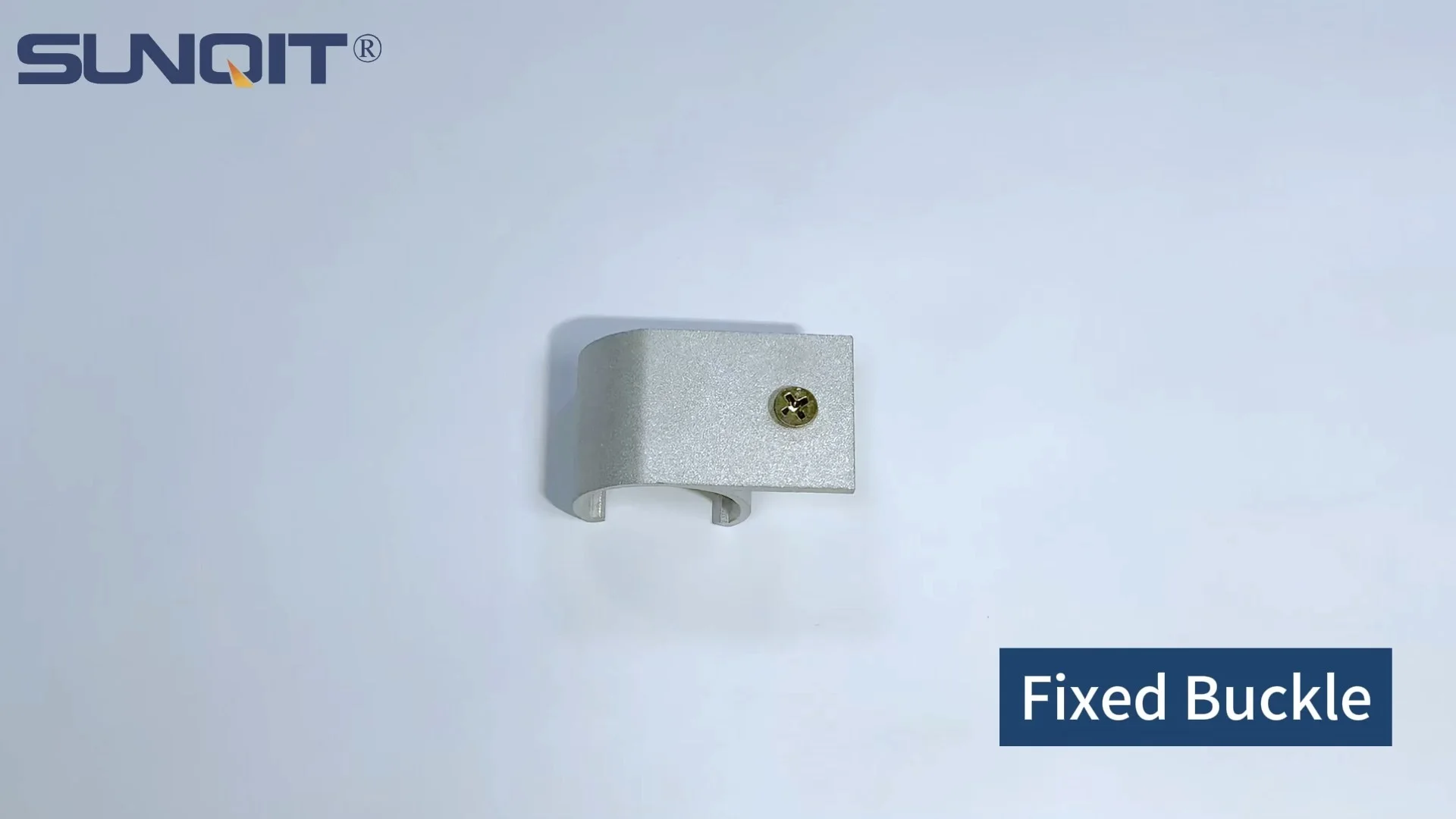
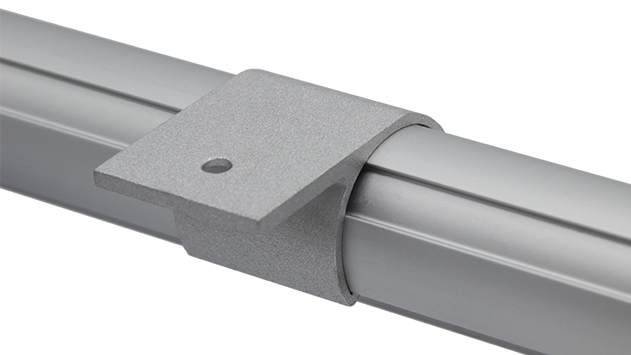
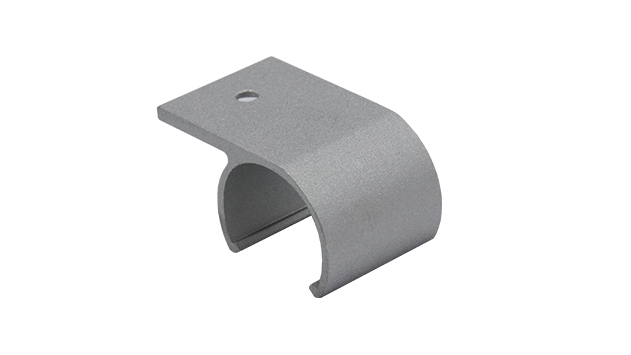
Aluminum pipe side clamp used for 28mm aluminum pipe connect with table top, or other accessories.
Walk into any bustling manufacturing plant, a busy warehouse, or a precision-focused electronics workshop, and you'll find an unsung workhorse keeping operations steady: aluminum pipe clamps. These small but mighty components might not grab headlines, but they're the quiet backbone of flexible workspaces, adaptable production lines, and efficient material flow systems. From holding together aluminum lean pipe workbenches that adjust with shifting assembly needs to securing roller track systems that keep materials moving seamlessly, aluminum pipe clamps are the problem-solvers industries rely on when off-the-shelf solutions just don't cut it.
Every industry faces its own unique hurdles—tight spaces in electronics manufacturing, heavy loads in automotive plants, strict cleanliness standards in food processing, or the need for quick reconfiguration in e-commerce warehouses. Standard clamps, with their one-size-fits-all approach, often stumble here. They might be too rigid for a workshop that needs to rearrange workstations weekly, too flimsy for a factory moving 500-pound crates, or incompatible with specialized aluminum profile systems. That's where custom-designed aluminum pipe clamps step in: tailored to fit specific pipes, withstand unique stresses, and integrate with existing equipment, they turn operational headaches into smooth, efficient workflows.
Understanding Aluminum Pipe Clamps: More Than Just "Holders"
Before diving into custom designs, let's clarify what makes aluminum pipe clamps indispensable. At their core, these clamps are engineered to securely fasten aluminum pipes (or aluminum lean pipes ) to other components—think workbench frames, conveyor rails, or material racks. But their role goes beyond simple attachment: they're the connectors that make modular systems possible. Unlike fixed steel brackets, aluminum clamps offer a balance of strength and flexibility. Aluminum itself is lightweight, corrosion-resistant, and easy to machine, making it ideal for clamps that need to be both durable and adaptable.
Standard clamps typically come in basic shapes—90-degree angles, T-joints, or straight connectors—and fit common pipe diameters like 28mm or 30mm. But when industries face non-standard challenges, these off-the-shelf options hit limits. Imagine a medical device manufacturer that needs a workbench with curved rails to cradle delicate equipment: standard straight clamps can't create that gentle bend. Or a logistics company using roller track systems with non-uniform spacing between rollers: generic clamps might misalign the track, causing jams. Custom clamps solve these gaps by adapting to specific dimensions, materials, and functional needs.
Custom Design Options: Tailoring Clamps to Your Industry's Needs
The beauty of custom aluminum pipe clamps lies in their versatility. Manufacturers can tweak almost every aspect—size, shape, material thickness, attachment mechanisms—to match the problem at hand. Let's break down the most impactful custom design options and how they address real-world challenges.
1. Size and Fit: No More "Close Enough"
One of the most common frustrations with standard clamps is poor fit. A clamp that's slightly too loose leads to wobbly workbenches or shifting conveyor rails; one that's too tight risks damaging the pipe or making adjustments impossible. Custom clamps eliminate this by being engineered for exact pipe diameters and profile shapes. For example, aluminum profile systems used in cleanrooms often have unique T-slot designs to hold panels or tools. A custom clamp can be machined to fit these slots perfectly, ensuring a secure grip without compromising the profile's integrity.
Take the automotive industry, where assembly lines frequently use oversized aluminum pipes (40mm or larger) to support heavy tooling arms. Standard clamps for 30mm pipes would buckle under the weight, but a custom clamp with reinforced jaws and a wider diameter opening can distribute that load evenly, preventing pipe deformation and extending equipment life.
2. Material Upgrades: Matching Clamps to the Environment
While aluminum is already a strong, corrosion-resistant material, some industries need extra protection. Custom clamps can be made with specialized aluminum alloys or coatings to thrive in harsh environments. For instance, food and beverage facilities require equipment that can withstand daily washdowns with caustic cleaners. A standard aluminum clamp might corrode over time, but a custom clamp treated with anodized coating (which adds a protective oxide layer) or made with marine-grade aluminum will resist rust and maintain its grip, even in wet conditions.
Similarly, electronics manufacturing often demands ESD (electrostatic discharge) protection to avoid damaging sensitive components. Custom clamps can be integrated with conductive materials or treated with anti-static coatings, ensuring they don't build up static electricity that could fry circuit boards—a detail standard clamps rarely account for.
3. Attachment Mechanisms: From Manual to Automated
How a clamp attaches to pipes or profiles might seem trivial, but it directly impacts usability. Standard clamps often rely on hex bolts or wing nuts, which require tools and time to adjust. For industries that need frequent reconfigurations—like e-commerce warehouses that rearrange racks seasonally—this downtime adds up. Custom clamps can solve this with quick-release mechanisms: lever locks, snap-fit designs, or cam-action levers that allow workers to adjust clamps by hand in seconds, no tools needed.
On the flip side, high-vibration environments (think aerospace manufacturing with heavy machinery) need clamps that stay locked tight, even during constant movement. Custom designs here might include locking nuts, thread-locking adhesives, or double-bolt systems to prevent loosening over time. For example, a roller track in a car factory that transports engine blocks needs clamps that won't shift under the weight and vibration—custom locking clamps ensure the track stays aligned, reducing jams and downtime.
4. Ergonomic and Space-Saving Features
In tight workspaces—like electronics assembly lines where technicians sit for hours—bulky clamps can get in the way, causing discomfort or limiting movement. Custom clamps can be designed with slim profiles, rounded edges, or low-profile bolts to maximize usable space. For example, a custom clamp for a benchtop might have a flattened top surface so tools or components can rest on it, turning "wasted space" into functional area.
Ergonomics matter too. A clamp with a sharp edge might scratch workers' hands during adjustments; custom designs can add rubberized grips or smooth, contoured surfaces to make handling safer and more comfortable. This small change reduces fatigue and lowers the risk of workplace injuries—something standard clamps rarely prioritize.
Industry Spotlight: How Custom Clamps Solve Specific Challenges
To see custom aluminum pipe clamps in action, let's look at how they've transformed operations in three key industries.
Electronics Manufacturing: Precision and ESD Protection
Electronics factories assemble tiny, sensitive components that demand static-free environments and precise alignment. A leading smartphone manufacturer was struggling with its aluminum lean pipe workbenches : standard clamps were either too loose (causing tools to slide) or too conductive (risking ESD damage to circuit boards). They turned to custom clamps made with ESD-safe aluminum alloy and lined with conductive rubber inserts. These clamps not only held tools securely but also grounded static charges, reducing component defects by 18% in the first quarter.
Logistics and Warehousing: Durability for Heavy Loads
Warehouses handling large, heavy packages rely on roller track systems to move goods quickly. A national logistics company was facing frequent track jams because standard clamps couldn't keep the rollers aligned under 800-pound pallets. Custom clamps with reinforced steel cores and adjustable roller spacing solved the issue. The clamps were also designed with quick-release levers, allowing maintenance teams to replace damaged rollers in minutes instead of hours—cutting downtime by 40%.
Medical Device Production: Cleanliness and Flexibility
Medical device assembly requires strict hygiene standards and frequent reconfiguration for different product lines. A medical equipment maker needed workbenches that could be sanitized daily and rearranged weekly for new device models. Custom clamps with smooth, crevice-free surfaces (to prevent bacteria buildup) and tool-free adjustment knobs met both needs. The clamps also featured color-coded levers to indicate which sections of the bench were safe to move, reducing setup time for new product runs by 30%.
Custom vs. Standard: A Quick Comparison
| Feature | Standard Clamps | Custom Clamps |
|---|---|---|
| Fit to Pipe/Profile | Limited to common sizes (e.g., 28mm, 30mm) | Engineered for exact diameters and profile shapes |
| Material Options | Basic aluminum alloy | Specialized alloys (ESD-safe, marine-grade, etc.) |
| Attachment Mechanism | Standard bolts or wing nuts (tools required) | Quick-release, locking, or ergonomic designs |
| Space/Ergonomics | Bulky, may have sharp edges | Slim profiles, rounded edges, functional surfaces |
| Industry-Specific Needs | Generic; not tailored to environments like cleanrooms or high-vibration areas | Designed for unique conditions (ESD, corrosion resistance, etc.) |

Choosing the Right Custom Clamp Partner
Not all custom clamp manufacturers are created equal. To ensure your clamps meet your industry's needs, look for a partner with:
- Engineering Expertise: A team that can translate your challenges into technical specs—ask for case studies or samples relevant to your industry.
- Material Knowledge: Experience with specialized alloys and coatings (ESD, anodized, etc.) to match your environment.
- Flexible Production: Ability to handle small batches for prototyping and large runs for full-scale deployment.
- Quality Testing: Processes to verify clamp strength, durability, and fit (e.g., load testing, corrosion resistance checks).
Don't hesitate to ask for a prototype before committing. A reputable supplier will work with you to refine the design, ensuring the final clamp solves your problem—no guesswork involved.
Conclusion: The Small Component That Makes a Big Difference
Aluminum pipe clamps might be small, but their impact on industry efficiency, safety, and flexibility is enormous. In a world where every second counts and every space matters, custom clamps turn "good enough" into "perfect for the job." Whether you're assembling delicate electronics, moving heavy cargo, or reconfiguring workspaces on the fly, the right custom clamp can transform frustration into productivity, downtime into uptime, and rigid systems into adaptable solutions.
So the next time you walk through a factory or warehouse, take a closer look at those unassuming clamps holding everything together. Chances are, they're not just standard parts—they're custom-built heroes, quietly solving the unique challenges that keep industries moving forward.