- Company Articles
- Products and Technology
- Solution
- Aluminum Pipe Clamps: Custom Solutions for Unique Industry Needs

Aluminum Pipe Clamps: Custom Solutions for Unique Industry Needs
Related Product
Aluminum Pipe Clamp
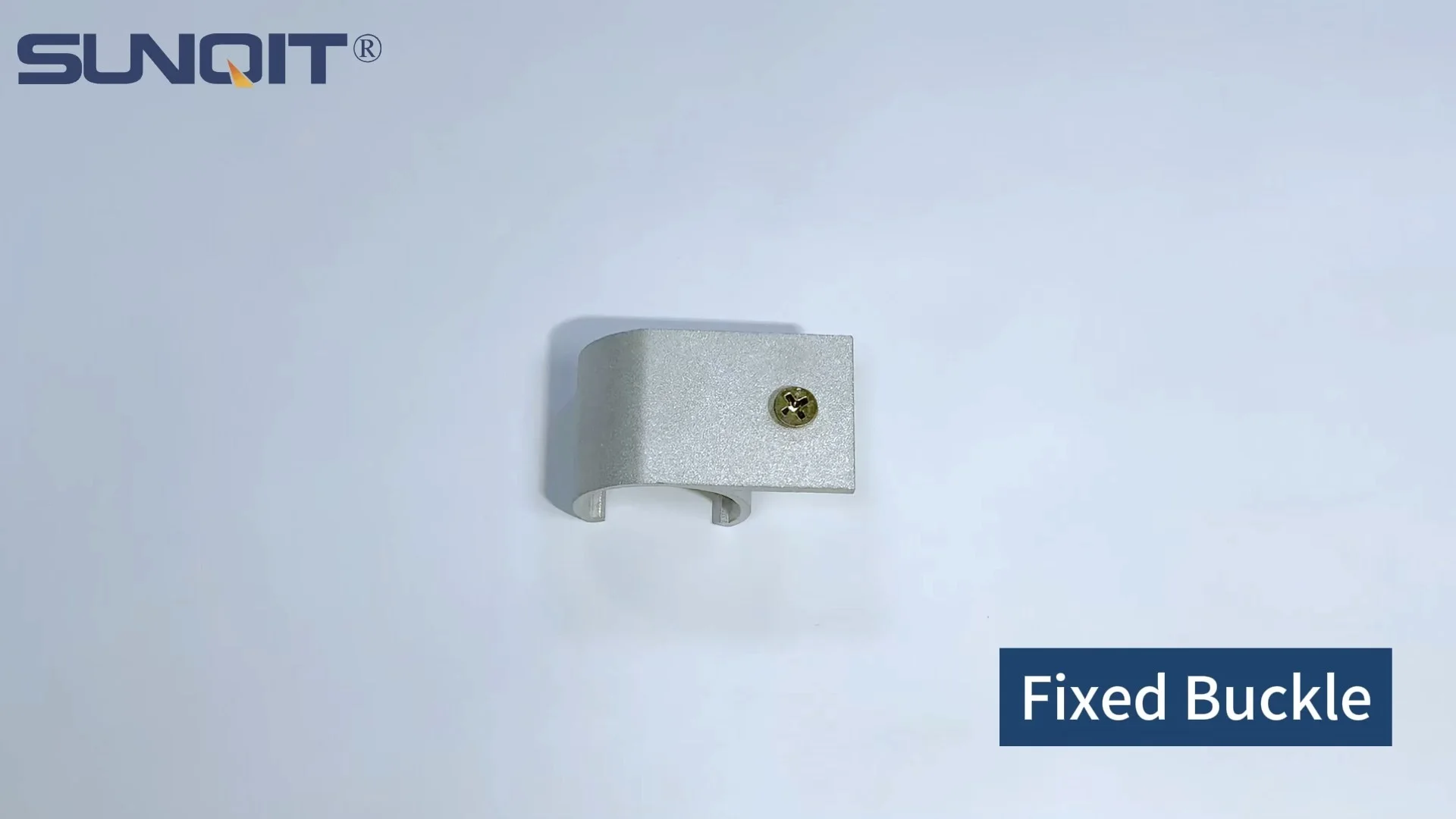
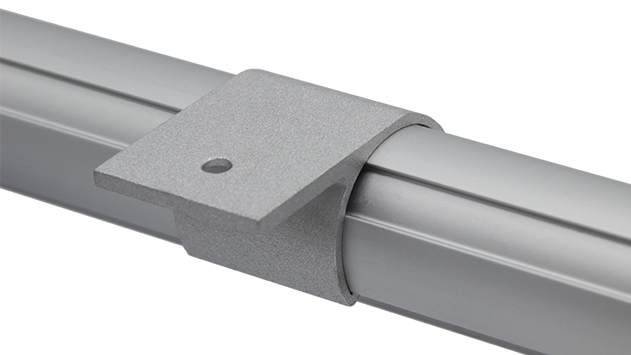
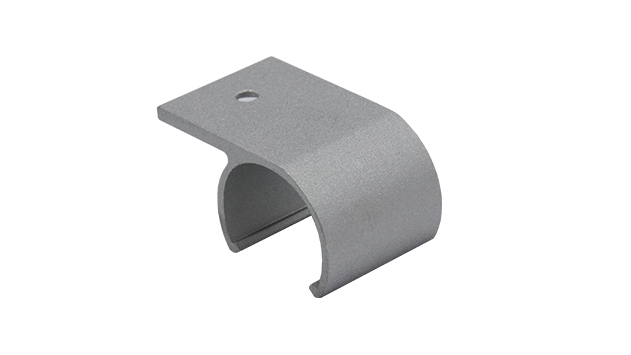
Aluminum pipe side clamp used for 28mm aluminum pipe connect with table top, or other accessories.
In the bustling (workshop) of a mid-sized electronics manufacturer, Maria, the production manager, stares at a spreadsheet with a frown. Her team has missed its quarterly efficiency target for the third time, and the root cause is clear: the rigid, outdated workstations lining the assembly line. Workers contort themselves to reach tools, materials get stuck in fixed flow racks, and reconfiguring the setup for new product lines takes weeks—wasting time, energy, and morale. Then, a colleague mentions a visit to a competitor's plant, where "aluminum pipe clamps" transformed their workflow. Skeptical but desperate, Maria orders a small batch. Three weeks later, her assembly line looks unrecognizable: modular workbenches adjust to each worker's height, flow racks glide materials directly to stations, and a quick tweak with a hex key reconfigures the entire setup for a new circuit board model. Productivity spikes 35%, and for the first time in months, the team leaves work on time. This isn't just a hardware upgrade—it's a revolution in how work gets done.
What Are Aluminum Pipe Clamps, and Why Do They Matter?
At first glance, aluminum pipe clamps might seem like simple tools—just metal pieces that hold pipes together. But in reality, they're the unsung heroes of modular industrial systems, the quiet force that turns static workspaces into dynamic, adaptable environments. Made from high-grade aluminum alloys (typically 6063, prized for its strength-to-weight ratio), these clamps are engineered to balance durability, flexibility, and ease of use. Unlike clunky steel alternatives, aluminum clamps weigh 30% less, resist corrosion even in humid or chemical-exposed environments, and require zero welding or specialized tools to install. Their design is deceptively clever: most feature a T-slot compatible base that slides into aluminum extrusion profiles, allowing them to be positioned anywhere along the profile's length and tightened with a simple bolt. This "click-and-tighten" mechanism isn't just convenient—it's a game-changer for industries where change is constant.
But why aluminum? Steel clamps, after all, have been around for decades. The answer lies in modern manufacturing's need for agility. Steel is heavy, which makes reconfiguring workbenches or flow racks a two-person job. It rusts, requiring regular maintenance in damp settings like food processing plants. And welding steel components locks workflows into place—great for static production lines, terrible for companies pivoting to new products or scaling operations. Aluminum pipe clamps solve all these pain points. Their lightweight design lets a single worker adjust a workstation in minutes. Their natural resistance to rust means they last years in harsh environments. And because they attach to profiles without welding, they turn industrial setups into something resembling building blocks—easy to take apart, rearrange, and rebuild.
Take the example of a small furniture manufacturer in Ohio. For years, they built fixed workbenches from steel pipes and angle irons. When a client ordered a custom sofa line, the team had to saw through welded joints, buy new materials, and spend three days rebuilding the benches. Today, they use aluminum pipe clamps and aluminum extrusion profiles. A worker loosens four clamps, adjusts the bench height by 6 inches, tightens them back, and the line is ready for the new sofa frames—all in 45 minutes. "It's like going from a flip phone to a smartphone," says the plant foreman. "We don't just save time—we can say 'yes' to more custom orders now."
The Backbone of Modular Systems: Clamps, Profiles, and Accessories
Aluminum pipe clamps don't work alone. They're part of a larger ecosystem of aluminum extrusion profiles, lean pipe joints, and aluminum profile accessories that together create everything from workbenches to conveyor systems. To understand their power, let's break down this ecosystem:
Aluminum Extrusion Profiles: The Foundation
Think of aluminum extrusion profiles as the "bones" of modular systems. These are long, hollow aluminum beams with T-shaped slots running along their length (hence "T-slot profiles"). The slots are key: they allow aluminum pipe clamps, brackets, and other accessories to be attached anywhere along the profile, not just at fixed holes. This means a single profile can support a workbench top on Monday, a tool rack on Wednesday, and a conveyor track on Friday—no drilling or cutting required. Profiles come in various sizes (20x20mm for light-duty tasks, 40x80mm for heavy loads) and finishes (anodized for scratch resistance, powder-coated for color-coding work zones), making them adaptable to any industry.
Aluminum Profile Accessories: The Connective Tissue
If profiles are the bones, aluminum profile accessories are the ligaments and tendons that hold everything together. This includes end caps (to smooth sharp edges and prevent dust buildup), corner brackets (for 90° joints), and—most importantly—lean pipe joints. These joints, often made from die-cast aluminum or reinforced plastic, connect pipes at angles (30°, 45°, 90°, or even custom degrees) and work seamlessly with aluminum pipe clamps to create stable, yet adjustable structures. For example, a "three-way lean pipe joint" lets you connect a vertical pipe, horizontal pipe, and diagonal brace—all secured with clamps—to build a sturdy material rack that can be taken apart and reconfigured later.
Aluminum Pipe Clamps: The Muscle
Clamps are the final piece, the ones that turn loose components into a cohesive system. Their design varies by use case: fixed clamps lock pipes in place for permanent setups, swivel clamps allow pipes to rotate (useful for adjustable shelving), and quick-release clamps let workers reposition pipes in seconds. What unites them is their ability to create friction-based connections that are strong enough to hold heavy loads (up to 100kg per clamp) but easy enough to adjust with a hex key or wrench. In a automotive parts warehouse, for instance, heavy-duty aluminum pipe clamps secure 50kg steel pipes to profiles, creating material racks that hold engine blocks without bending. In a medical device lab, lightweight clamps with rubberized grips hold delicate glass tubing, preventing scratches during assembly.
Case Study: How a Bakery Upgraded Its Packaging Line with Clamps and Profiles
A family-owned bakery in Portland was struggling with its muffin packaging line. Their old setup used wooden shelves and manual carts to move trays from the oven to the packaging station—a process that often resulted in dropped muffins (and frustrated workers). They needed a system that could handle hot trays, fit in their tight kitchen space, and adjust for seasonal muffin sizes (mini muffins in summer, jumbo in winter). A supplier recommended aluminum extrusion profiles, aluminum pipe clamps, and roller track (a series of small wheels that let trays glide smoothly). Here's how it worked:
1. Heat-Resistant Profiles: Anodized aluminum profiles stood up to 120°C oven temperatures without warping.
2. Adjustable Clamps: Swivel aluminum pipe clamps let workers angle the roller track 15°, so trays slid gently from oven to packaging without tipping.
3. Quick-Change Widths: Loosening two clamps widened the track by 3 inches for jumbo muffins, taking 2 minutes instead of 2 hours.
Result? Dropped muffins decreased by 90%, and the line now handles 20% more trays per hour. "We used to joke that our muffins had better job security than we did," says the head baker. "Now, we're too busy filling orders to joke."
Customization: Tailoring Clamps to Your Industry's Unique Needs
One-size-fits-all is a myth in manufacturing, logistics, and beyond. A pharmaceutical plant has different needs than a auto repair shop, and a electronics assembly line can't use the same clamps as a brewery. That's where customization comes in: aluminum pipe clamp suppliers don't just sell "clamps"—they engineer solutions designed around your specific challenges. Let's explore how industries adapt clamps to their unique demands:
| Industry | Key Challenge | Custom Clamp Solution | Real-World Impact |
|---|---|---|---|
| Electronics (ESD Workbenches) | Static electricity damages sensitive components like circuit boards. | Clamps with conductive aluminum alloy and ESD-safe coatings that dissipate static charges. | A semiconductor plant reduced component defects by 42% after switching to ESD clamps. |
| Food Processing | Harsh cleaning chemicals and frequent washdowns corrode standard metals. | Stainless steel-reinforced aluminum clamps with smooth, crevice-free surfaces (no place for bacteria to hide). | A meat packing plant passed its FDA audit after replacing rusted steel clamps with food-grade aluminum versions. |
| Aerospace | Precision is critical—clamps must hold pipes within 0.5mm tolerance for aircraft parts. | Clamps with micrometer-adjustable jaws and locking nuts to prevent slippage. | A jet engine manufacturer reduced assembly errors by 30% with precision clamps. |
| Warehousing (Flow Racks) | Constant vibration from forklifts loosens standard clamps over time. | Clamps with nylon locking nuts and rubber gaskets to absorb shock and maintain tension. | A logistics company cut maintenance time by 50%—no more daily clamp re-tightening. |
Beyond Features: Ergonomics and Worker Well-Being
Customization isn't just about function—it's about people. Workers who struggle with awkward workstations are more likely to get injured, miss days, or quit. Aluminum pipe clamps play a surprising role in ergonomics by enabling adjustable workbenches, flow racks, and tool holders that adapt to human bodies, not the other way around. For example, a car battery manufacturer in Michigan noticed high turnover among assembly line workers, many citing back pain from bending over fixed-height workbenches. The solution? Workbenches built with aluminum extrusion profiles and height-adjustable aluminum pipe clamps. Now, each worker sets their bench to elbow height (measured with a simple tape), reducing strain. Turnover dropped 25%, and workers report less fatigue at the end of shifts.
Another example: a warehouse in Texas where order pickers were developing wrist injuries from repetitive lifting. By installing adjustable roller track systems (using aluminum pipe clamps to angle the track 10° downward), boxes now slide gently into pickers' hands, reducing the force needed to lift by 40%. "It's like magic," says one picker. "I used to go home with my wrist throbbing. Now, I barely notice the work."
Choosing the Right Supplier: More Than Just a Vendor
You could buy generic aluminum pipe clamps from a big-box industrial store, but chances are, they won't solve your unique problem. The best results come from partnering with a supplier who understands your industry, asks the right questions, and offers more than just products—think technical support, custom design, and fast turnaround. Here's what to look for:
1. Engineering Expertise
A good supplier doesn't just sell clamps—they have in-house engineers who can design custom solutions. For example, if you need a clamp that can hold a 75kg pipe at a 60° angle in a tight space, they'll run stress tests, recommend materials, and prototype the design before mass production. Avoid suppliers who only offer "off-the-shelf" options; they'll leave you trying to force a square peg into a round hole.
2. Quality Control
Aluminum pipe clamps might look similar, but quality varies wildly. Look for suppliers who test each batch for tensile strength (how much force they can handle before bending), corrosion resistance (salt spray tests), and dimensional accuracy (ensuring clamps fit standard profiles). Certifications like ISO 9001 are a good sign—they mean the supplier follows strict quality management processes. A manufacturer in California learned this the hard way: they bought cheap clamps online that bent under light loads, causing a flow rack collapse and $10,000 in damaged inventory. After switching to a certified supplier, they haven't had a single clamp failure in two years.
3. Speed and Flexibility
In today's fast-paced industries, downtime is expensive. A supplier who can deliver custom clamps in 2 weeks instead of 2 months can mean the difference between meeting a deadline and losing a client. Ask about lead times for custom orders, and check if they offer rush options for emergencies. Some suppliers even stock common components (like standard clamps and profiles) to build prototypes quickly, so you can test a design before committing to a full order.
4. Post-Sale Support
What happens if you need to adjust your clamp design six months later? Or if a worker accidentally breaks a clamp during reconfiguration? A great supplier offers technical support long after the sale—think installation guides, video tutorials, and replacement parts. One automotive plant raves about their supplier: "We had to reconfigure our entire line for a new electric vehicle model, and their engineer walked us through the clamp adjustments over video call. We were up and running in a day."

The Future of Aluminum Pipe Clamps: Smart, Sustainable, and More Adaptive
As industries evolve, so do aluminum pipe clamps. Here are three trends shaping their future:
1. Smart Clamps with IoT Integration
Imagine a clamp that sends an alert to your phone when it starts to loosen, or tracks how often it's adjusted to identify workflow bottlenecks. That's not science fiction—suppliers are already testing clamps with embedded sensors (strain gauges, RFID tags) that connect to factory IoT systems. For example, a large distribution center uses "smart clamps" on flow racks to monitor vibration levels; if a clamp loosens, the system automatically pings maintenance before a collapse. This proactive approach reduces downtime by 60%.
2. Sustainable Materials
With companies under pressure to reduce their carbon footprint, suppliers are developing clamps from recycled aluminum (which uses 95% less energy to produce than virgin aluminum) and biodegradable coatings. Some are even experimenting with bamboo-reinforced aluminum for light-duty applications, though this is still in early stages. A European electronics firm recently switched to recycled aluminum clamps and cut its supply chain emissions by 22%—a win for the planet and its sustainability report.
3. 3D-Printed Customization
For ultra-unique designs (like a clamp that fits a custom-shaped pipe for a robotics lab), 3D printing is game-changing. Suppliers can now print small batches of clamps in hours, using materials like carbon-fiber-reinforced aluminum for strength. This is especially useful for startups or niche industries that need 10 clamps, not 10,000. A university research lab used 3D-printed clamps to build a custom conveyor system for testing micro-robots—something traditional manufacturing could never deliver on their tight timeline.
Final Thoughts: Aluminum Pipe Clamps—Small Tools, Big Impact
Maria's electronics plant, the Ohio furniture manufacturer, the Portland bakery—these stories have one thing in common: aluminum pipe clamps didn't just fix a problem; they transformed how work happens. They turned frustration into efficiency, rigidity into flexibility, and downtime into productivity. In a world where adaptability is everything, these simple tools are the key to staying competitive. They're not just "clamps"—they're the foundation of workspaces that grow with your business, protect your workers, and turn "we can't" into "we can."
So, if you're stuck with a workflow that feels stuck in the past, maybe it's time to look at the small stuff. The next revolution in your industry might just be a clamp, a profile, and a hex key away.