- Company Articles
- Products and Technology
- Product knowledge
- Aluminum Pipe Clamps: Eco-Friendly & Sustainable Manufacturing Choice

Aluminum Pipe Clamps: Eco-Friendly & Sustainable Manufacturing Choice
Related Product
Aluminum Pipe Clamp
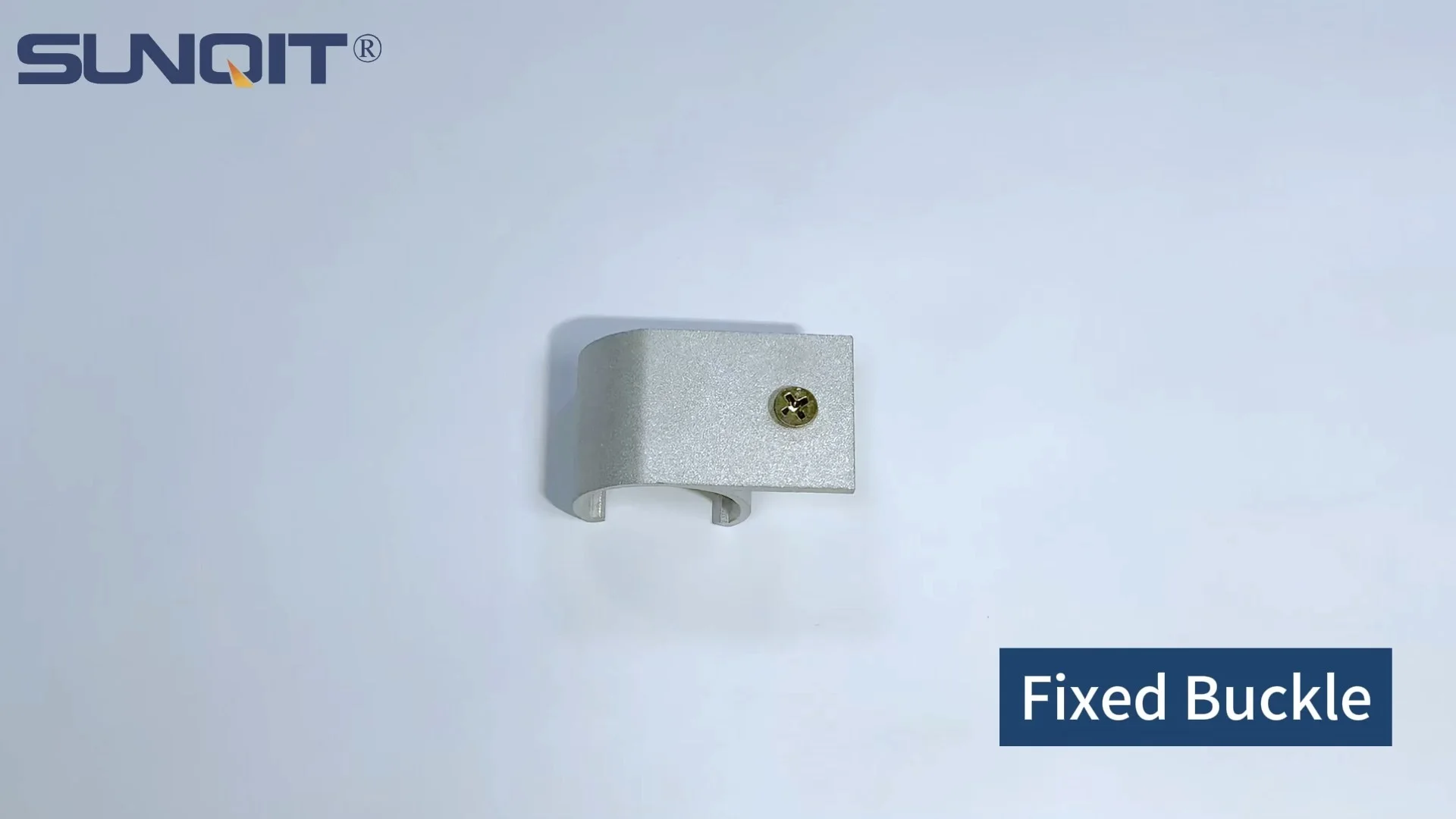
Aluminum pipe side clamp used for 28mm aluminum pipe connect with table top, or other accessories.
The Sustainability Revolution in Modern Manufacturing
Walk into any manufacturing facility today, and you'll likely notice a quiet but powerful shift underway. It's not just about churning out products faster or cheaper anymore—though those goals still matter. Today, the most forward-thinking factories are asking a different question: How can we build better, without breaking the planet? Sustainability has moved from a "nice-to-have" corporate slogan to a core operational priority, driven by tightening regulations, consumer demand for eco-conscious brands, and the simple realization that wasteful practices don't just harm the environment—they hurt the bottom line, too.
In this quest for greener operations, every component of the production line is under scrutiny—from energy sources to packaging materials. But one unsung hero is emerging as a cornerstone of sustainable manufacturing setups: the aluminum pipe clamp. At first glance, it might seem like just another piece of hardware, but when you dig deeper, aluminum pipe clamps (and the aluminum profiles and systems they support) are quietly redefining what it means to build efficient, eco-friendly workspaces. Let's explore why these unassuming tools are becoming a go-to choice for manufacturers committed to sustainability.
Aluminum: A Material Born for Sustainability
Before we dive into aluminum pipe clamps specifically, let's talk about the star of the show: aluminum itself. Why has this metal become the poster child for sustainable manufacturing materials? The answer lies in three key traits: its unmatched recyclability, impressive durability, and energy-efficient production cycle.
Recyclability: Closing the Loop on Waste
Aluminum is often called the "forever metal" for a reason: it can be recycled repeatedly without losing quality. Unlike plastics, which degrade with each recycling cycle, or certain metals that become brittle over time, aluminum retains its strength and properties no matter how many times it's melted down and reshaped. In fact, about 75% of all aluminum ever produced is still in use today—a staggering statistic that highlights its closed-loop potential.
For manufacturers, this recyclability translates to tangible benefits. When a production line is reconfigured or a workbench reaches the end of its life, the aluminum components (pipes, clamps, profiles) don't end up in a landfill. Instead, they're collected, recycled, and turned into new parts—reducing the need for mining bauxite (the raw material for aluminum) and cutting down on the environmental impact of extraction.
Durability: Building to Last, Not to replace
Sustainability isn't just about recycling—it's also about reducing the need to replace things in the first place. Aluminum excels here, too. It's naturally resistant to corrosion, rust, and wear, even in harsh factory environments where moisture, chemicals, or heavy use might take a toll on other materials. A well-maintained aluminum pipe clamp or aluminum profile can last for decades, outliving plastic alternatives (which crack or warp) and even some steel components (which rust without constant upkeep).
Think about it: if a plastic pipe clamp needs replacement every 2-3 years, but an aluminum one lasts 15+ years, the aluminum option cuts down on waste, transportation (for replacements), and the energy used to manufacture new parts. That's sustainability in action—less frequent replacement means fewer resources consumed over time.
Energy Efficiency: Smarter Production from Start to Finish
Producing aluminum from raw bauxite does require energy, but here's the kicker: recycling aluminum uses just 5% of the energy needed to produce new aluminum from scratch. Let that sink in—recycling one ton of aluminum saves roughly 95% of the energy that would be used to mine, refine, and process new bauxite. For manufacturers, this translates to lower carbon footprints and, often, lower costs when sourcing recycled aluminum components like pipe clamps and profiles.
Many aluminum suppliers now prioritize using renewable energy in their extrusion and manufacturing processes, further slashing the environmental impact. It's a win-win: manufacturers get high-quality materials, and the planet gets a break from excessive energy use.
Aluminum Pipe Clamps: The Backbone of Sustainable Workspaces
Now that we understand why aluminum is a sustainable material, let's zoom in on the aluminum pipe clamp. What exactly is it, and how does it fit into the bigger picture of eco-friendly manufacturing?
What Is an Aluminum Pipe Clamp?
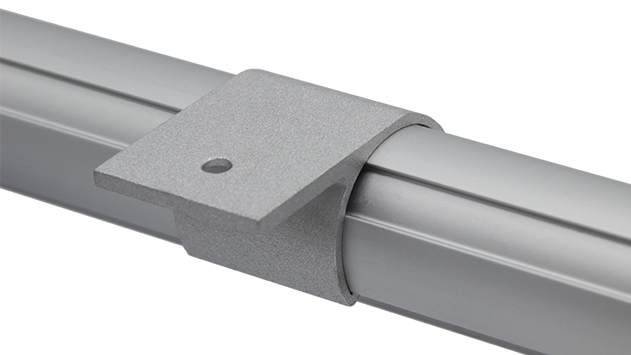
At its core, an aluminum pipe clamp is a simple but versatile connector. It's designed to join aluminum pipes (or aluminum profiles) together, forming sturdy, customizable structures like workbenches, material racks, conveyors, and assembly lines. Unlike rigid, one-size-fits-all systems, aluminum pipe clamps allow for easy adjustments—twist, remove, or reposition them, and suddenly your workstation can adapt to a new product line or workflow.
But here's where the sustainability angle comes in: that adaptability means you're not throwing away entire structures when your needs change. A few adjustments to the clamps, and your old workbench becomes a new material cart. A quick reconfiguration of the pipe layout, and that outdated conveyor turns into a lean assembly station. This flexibility drastically reduces waste, as you're repurposing existing components instead of buying new ones.
Aluminum Pipe Clamps and Lean Systems: A Match Made in Efficiency
If you're familiar with manufacturing, you've probably heard of "lean systems"—methodologies focused on minimizing waste (whether it's time, materials, or space) while maximizing value. Aluminum pipe clamps are lean systems' best friend. Here's why:
Reduced material waste: Traditional manufacturing setups often rely on custom-welded steel structures. When you need to change something, you cut, weld, and throw away scrap metal. With aluminum pipe clamps, there's no welding—just easy assembly and disassembly. No scrap, no waste, no extra energy spent on rework.
Space optimization: Aluminum pipe clamps let you build compact, modular systems that fit your exact space. No more oversized workbenches taking up valuable floor area or underutilized racks collecting dust. By using only what you need, you reduce the materials required and make your facility more energy-efficient (less space to heat, cool, or light).
Quick adaptation to demand: In today's fast-paced manufacturing world, product lines change overnight. A lean system needs to keep up, and aluminum pipe clamps make that possible. Need to add a new shelf to a material rack? Swap out a clamp. Want to shorten a conveyor? Disconnect a section. This agility means you're not stuck with obsolete equipment, which is one of the biggest sources of waste in manufacturing.
Design Flexibility: Sustainability Without Sacrificing Functionality
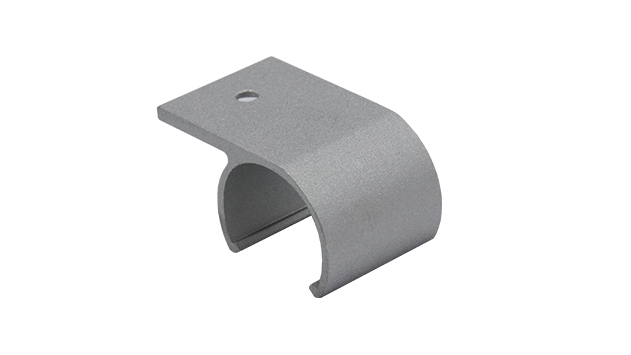
Some might worry that choosing sustainable materials means compromising on strength or functionality. But aluminum pipe clamps put that fear to rest. They're available in a range of sizes and designs—from fixed-angle clamps for sturdy frames to rotating clamps for adjustable components—to suit almost any application. Paired with aluminum extrusion profiles (which come in custom shapes like T-slots, channels, and tubes), they can support heavy loads, resist vibration, and stand up to the rigors of daily factory use.
Whether you're building a lightweight assembly workstation or a heavy-duty material handling rack, aluminum pipe clamps and profiles can handle the job—all while keeping your environmental impact low.
Aluminum Profiles and Extrusion: Precision Meets Sustainability
Aluminum pipe clamps don't work alone—they're part of a larger ecosystem that includes aluminum profiles and extrusion profiles. These components are the "building blocks" of sustainable manufacturing setups, and understanding them helps paint the full picture of why aluminum is such a game-changer.
Aluminum Extrusion Profile: Crafting Custom Solutions with Minimal Waste
Aluminum extrusion is a manufacturing process where aluminum is pushed through a die to create complex, uniform shapes. Think of it like squeezing toothpaste through a tube—except the result is a strong, lightweight profile with precise dimensions. This process is inherently sustainable because it produces little to no waste. Unlike cutting or machining, which removes excess material (creating scrap), extrusion shapes the aluminum exactly as needed, so you use only what's necessary.
Aluminum extrusion profiles come in endless configurations—from simple tubes to intricate T-slot designs that allow for easy attachment of accessories. This precision means manufacturers can design structures that fit their workflow perfectly, reducing the need for extra parts or modifications. For example, a T-slot aluminum profile can integrate aluminum profile accessories like brackets, shelves, or tool holders directly into its design, eliminating the need for additional fasteners or custom fabrication.
Aluminum Profile Accessories: Small Parts, Big Sustainability Impact
No system is complete without accessories, and aluminum profile accessories are designed with sustainability in mind. From end caps and corner brackets to connectors and hinges, these small parts are typically made from recycled aluminum, just like the profiles and clamps they support. This means the entire system—from the largest profile to the tiniest screw—is part of a closed recycling loop.
Take, for example, a simple aluminum profile bracket. It's lightweight, corrosion-resistant, and easy to install. When your system needs an update, you can remove the bracket, recycle it, and replace it with a new one made from recycled materials. No waste, no guilt—just a system that evolves with your needs while staying kind to the planet.

How Aluminum Stacks Up: A Sustainability Comparison
To truly appreciate the sustainability of aluminum pipe clamps and profiles, it helps to compare them to other common materials used in manufacturing: steel and plastic. Let's break down how they measure up across key sustainability metrics.
| Metric | Aluminum (Pipe Clamps/Profiles) | Steel (Traditional Pipe Clamps) | Plastic (PVC/Polypropylene Clamps) |
|---|---|---|---|
| Recyclability Rate | 100% recyclable; retains quality indefinitely | 70-90% recyclable; quality degrades slightly with each cycle | 5-10% recyclable (most plastic clamps end up in landfills) |
| Energy Use (Production vs. Recycling) | Recycling uses 5% of the energy needed for new production | Recycling uses ~50% of the energy needed for new production | Recycling often uses more energy than producing new plastic |
| Typical Lifespan | 15-30 years (with minimal maintenance) | 10-20 years (prone to rust without coating) | 2-5 years (prone to cracking, warping, UV damage) |
| Maintenance Requirements | Low; no painting or coating needed (naturally corrosion-resistant) | High; requires regular painting/coating to prevent rust | Moderate; prone to scratches, may need replacement due to wear |
| Carbon Footprint (Per kg) | ~2 kg CO₂e (recycled aluminum) | ~1.8 kg CO₂e (recycled steel) | ~3-5 kg CO₂e (production); high emissions from incineration |
As the table shows, aluminum outperforms plastic by a wide margin in almost every category, and it holds its own against steel—especially when considering recyclability and maintenance. For manufacturers prioritizing sustainability, the choice becomes clear: aluminum pipe clamps and profiles offer the best balance of durability, recyclability, and energy efficiency.
Real-World Impact: How Manufacturers Are Embracing Aluminum Solutions
Numbers and tables tell part of the story, but real-world examples show how aluminum pipe clamps and profiles are transforming manufacturing floors. Let's look at two industries where the shift to aluminum is making a tangible difference.
Automotive Manufacturing: Lightweight, Lean, and Green
The automotive industry is no stranger to sustainability pressures, with regulations pushing for lower emissions and greener supply chains. One major auto manufacturer recently replaced all its steel workbenches and material racks with aluminum systems built using aluminum pipe clamps and extrusion profiles. The results? A 30% reduction in the weight of their production equipment (making it easier to reconfigure lines), a 40% decrease in waste from outdated steel structures, and a 25% lower carbon footprint from reduced energy use in manufacturing and transportation of new equipment.
By using modular aluminum pipe clamps, the manufacturer can now retool a production line in hours instead of days—cutting downtime and reducing the need for temporary structures (which often end up as waste). And when the line is retired, every aluminum component will be recycled into new parts, closing the loop on sustainability.
Electronics Assembly: Precision and Sustainability in Clean Rooms
Electronics manufacturing requires clean, static-free environments, making materials like aluminum (which is naturally ESD-safe when treated) a top choice. A leading electronics company switched to aluminum pipe clamps and ESD workstations (built with aluminum profiles) to reduce waste and improve air quality. Unlike plastic workstations, which can off-gas chemicals, aluminum is inert and easy to clean—critical for sensitive electronics.
The company also reported that the aluminum systems' modularity allowed them to adapt quickly to new product sizes, eliminating the need to purchase custom plastic fixtures for each new device. Over two years, this reduced their fixture waste by 60% and saved them over $100,000 in equipment costs.
Looking Ahead: The Future of Sustainable Manufacturing with Aluminum
As technology advances and sustainability becomes even more critical, aluminum pipe clamps, profiles, and extrusion systems are poised to play an even bigger role. Innovations like recycled aluminum alloys with enhanced strength, 3D-printed aluminum accessories for custom designs, and smart sensors integrated into aluminum profiles (to monitor energy use or maintenance needs) are already on the horizon.
Manufacturers are also starting to collaborate with suppliers to create "closed-loop" systems, where old aluminum components are collected, recycled, and turned into new clamps or profiles—all within the same supply chain. This not only reduces waste but also cuts down on transportation emissions from shipping materials to distant recycling facilities.
Perhaps most importantly, the shift to aluminum is becoming more accessible. As demand grows, the cost of aluminum pipe clamps and profiles is becoming more competitive with traditional materials like steel and plastic. For small and medium-sized manufacturers, this means sustainability is no longer a luxury reserved for big corporations—it's an achievable goal.
Conclusion: Aluminum Pipe Clamps—Small Parts, Big Impact
In the grand scheme of manufacturing, aluminum pipe clamps might seem like small players. But as we've explored, their impact is anything but minor. They're a symbol of a larger movement—one where sustainability and efficiency go hand in hand, where materials are chosen for their ability to serve both the planet and the bottom line, and where every component is designed with the future in mind.
From their 100% recyclability to their role in lean systems, from their durability to their energy-efficient production, aluminum pipe clamps and the aluminum profiles they connect are proving that sustainable manufacturing isn't just possible—it's practical. They're not just tools for building better workspaces; they're tools for building a better industry.
So the next time you walk through a manufacturing facility, take a closer look at those aluminum structures. Behind every clamp, every profile, and every accessory is a commitment to a greener, more efficient future. And that's a future worth building—one aluminum pipe clamp at a time.