- Company Articles
- Products and Technology
- Product knowledge
- Aluminum Pipe Clamps for 3C Assembly: Precision & Stability Solutions

Aluminum Pipe Clamps for 3C Assembly: Precision & Stability Solutions
Related Product
Aluminum Pipe Clamp
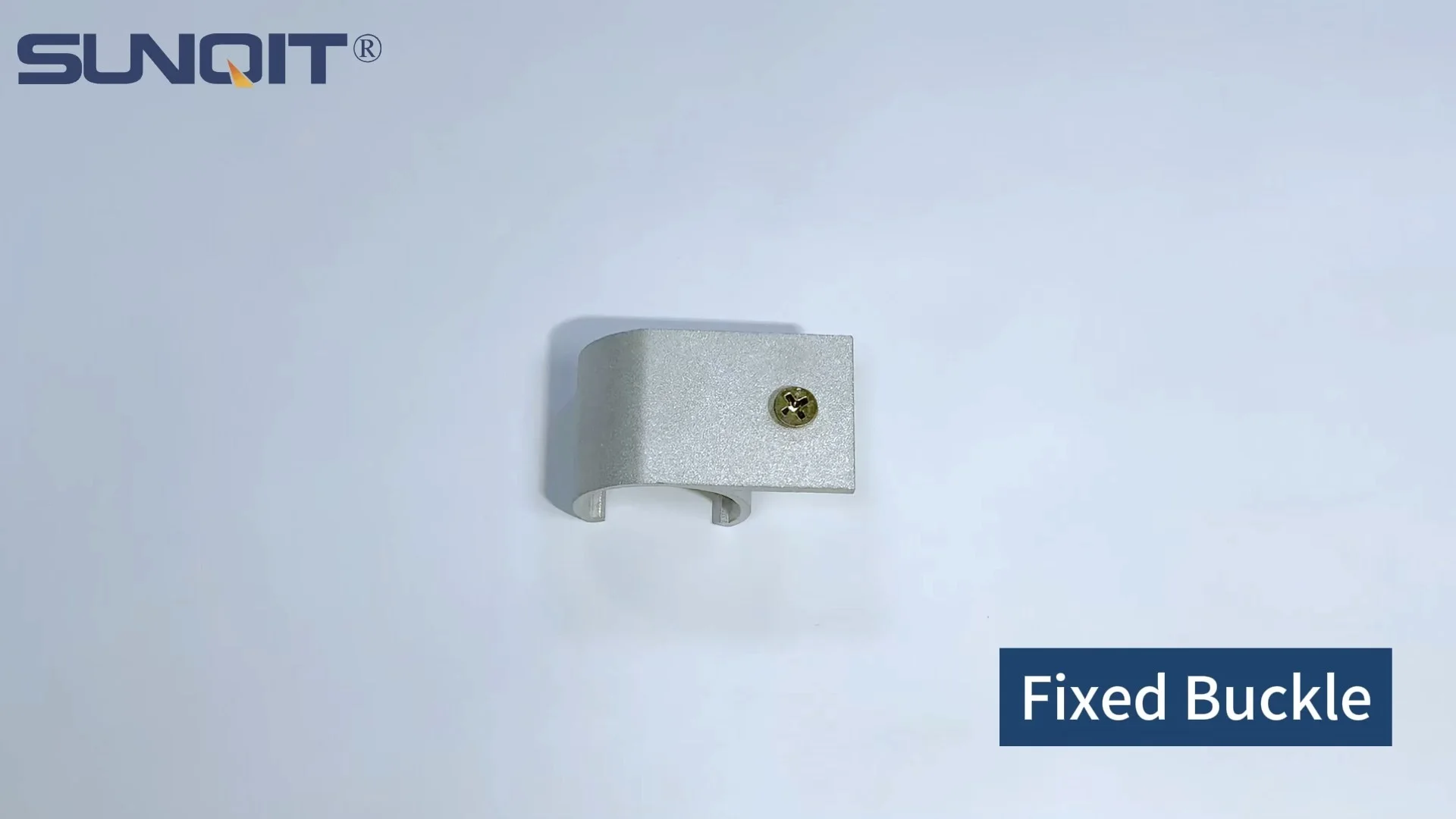
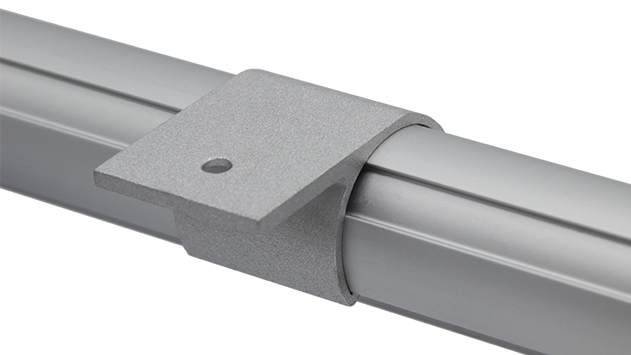
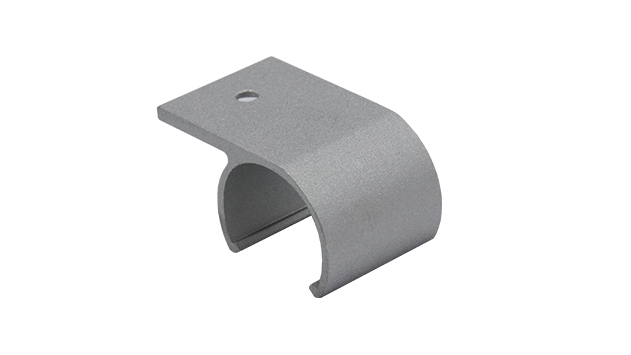
Aluminum pipe side clamp used for 28mm aluminum pipe connect with table top, or other accessories.
The Heartbeat of 3C Assembly – Why Precision and Stability Matter
Walk into any 3C manufacturing facility—whether it's churning out smartphones, laptops, or smartwatches—and you'll quickly notice a rhythm. Conveyor belts hum, robotic arms glide, and technicians lean over workbenches, their hands moving with the precision of a watchmaker. What keeps this rhythm steady? It's not just the high-tech machinery; it's the quiet, unassuming structures that form the backbone of the assembly line. Think about it: when you're working with components smaller than a grain of rice—like the microchips in a smartphone or the tiny capacitors in a laptop—even the tiniest wobble or misalignment can turn a near-perfect product into scrap. That's where precision and stability become non-negotiable.
3C products thrive on tight tolerances. A smartphone's camera module, for example, needs to align with the housing within fractions of a millimeter to avoid blurry photos or misaligned lenses. On the assembly line, this means the workbenches holding these components, the roller tracks feeding parts to stations, and the racks storing delicate materials must stay rock-solid. Imagine a technician trying to solder a 0.3mm wire to a circuit board—if the workbench shifts even a hair, the solder could bridge two contacts, rendering the board useless. Or picture a roller track (conveyor) carrying fragile OLED screens: if the track isn't perfectly straight, a screen might jostle, develop a dead pixel, and end up in the reject bin. In 3C assembly, stability isn't just a "nice-to-have"—it's the difference between profit and loss, between a reputation for quality and a pile of returns.
Meet the Unsung Hero: What Are Aluminum Pipe Clamps?
If the assembly line is the body of 3C manufacturing, then aluminum pipe clamps are the ligaments holding everything together. They're small, often overlooked, but absolutely critical for keeping the structure rigid, aligned, and ready for the demands of high-volume production. So, what exactly are these unassuming tools? At their core, aluminum pipe clamps are mechanical fasteners designed to connect and secure aluminum profiles—the long, often T-slot aluminum rails that form the frames of workbenches, material racks, and roller tracks. Think of them as the "glue" that turns individual pieces of aluminum into a cohesive, stable system.
What makes aluminum pipe clamps stand out? For starters, they're built for versatility. Unlike welding, which permanently fuses metal, or plastic clips that degrade over time, aluminum pipe clamps create strong, adjustable connections. Most are designed to slide into the T-slots of aluminum profiles, where a simple turn of a screw or lever locks them in place. This means if a production line needs to reconfigure—say, switching from assembling 6-inch phones to 10-inch tablets—technicians can loosen the clamps, adjust the aluminum profiles, and retighten, all without power tools or specialized training. It's like building with an advanced set of erector blocks, but for grown-ups (and with way higher stakes).
Material matters here, too. Aluminum pipe clamps are, as the name suggests, made from aluminum alloys—lightweight, corrosion-resistant, and surprisingly strong. Compare that to steel clamps, which are heavy and prone to rust in humid factory environments, or plastic clamps that warp under heat from machinery. Aluminum's natural resistance to oxidation means these clamps can withstand the daily grind of a busy factory—spills, temperature fluctuations, and constant handling—without losing their grip. And because aluminum is lightweight, even large structures built with aluminum profiles and clamps are easy to move or reposition, a huge plus in lean manufacturing setups where flexibility is key.
Precision in Every Grip: How Aluminum Pipe Clamps Elevate Assembly Accuracy
Let's get specific: how exactly do aluminum pipe clamps contribute to the precision 3C assembly demands? It starts with their design. Most aluminum pipe clamps feature a "gripping" mechanism—often a serrated or textured surface—that bites into the aluminum profile when tightened. This isn't just a loose hold; it's a firm, uniform grip that prevents slippage. When you're building a workbench where a PCB (printed circuit board) needs to lie perfectly flat for automated testing, this grip ensures the aluminum frame doesn't flex or twist under the weight of the testing equipment. The result? The PCB stays level, the test probes hit their marks, and you avoid false failures or missed defects.
Consistency is another superpower of aluminum pipe clamps. In mass production, every workbench, every roller track, and every material rack needs to be identical. If one workbench is 2mm taller than the next, technicians will strain their wrists adjusting, or worse, components might not align with automated tools. Aluminum pipe clamps solve this by creating repeatable connections. Since they lock into T-slots with precise spacing, you can measure, mark, and clamp profiles to the exact same dimensions across dozens of workstations. It's like using a template for your assembly line—no guesswork, no variation, just consistent precision, station after station.
Take roller tracks, for example. These tracks, lined with small wheels, carry parts from one assembly station to the next. If the track isn't perfectly straight or has a slight dip, parts can slow down, get stuck, or even fall off. Aluminum pipe clamps, paired with roller track connectors, ensure the track's aluminum rails stay parallel and level. The clamps hold the rails to the supporting frame with zero play, so even as heavy components (like laptop batteries or camera modules) roll over them, the track doesn't bow or shift. For a 3C factory churning out 10,000 units a day, this level of consistency isn't just efficient—it's essential for meeting production targets without sacrificing quality.
Stability That Stands the Test: Withstanding the Hustle of Production Floors
3C assembly lines are not gentle environments. Conveyor motors vibrate, robotic arms exert force, and technicians lean, push, and pull on workbenches throughout the day. A stable structure needs to absorb all this activity without so much as a rattle. Aluminum pipe clamps excel here, thanks to their combination of strength and smart engineering. Let's break it down: aluminum itself has an impressive strength-to-weight ratio—meaning it's light but can handle heavy loads. When paired with clamps designed to distribute pressure evenly across the aluminum profile, the result is a structure that laughs off the daily chaos of the factory floor.
Consider a typical workbench in a smartphone assembly line. It might hold a microscope, a soldering iron, and a bin of tiny screws—all while the technician leans on it, reaches across it, or accidentally bumps it with a trolley. Without sturdy clamps, the workbench's aluminum frame could loosen over time, the top could wobble, and suddenly that microscope isn't aligned anymore. But with high-quality aluminum pipe clamps, the frame stays tight. The clamps act like tiny anchors, preventing the profiles from shifting even under repeated stress. It's the difference between a rickety card table and a solid oak desk—one feels like it might collapse at any moment, the other inspires confidence.
Vibration is another hidden enemy in 3C factories. Conveyor belts, air compressors, and even nearby machinery create constant low-level shaking. Over time, this vibration can loosen fasteners—unless those fasteners are designed to resist it. Many aluminum pipe clamps feature locking mechanisms, like nylon washers or cam levers, that "lock" into place and prevent backsliding. Unlike traditional bolts, which can vibrate loose, these clamps maintain their tension, ensuring the structure stays stable for months (or even years) without retightening. For a factory running 24/7, this means less downtime for maintenance and more uptime for production—music to any operations manager's ears.

Seamless Integration with Lean Systems: Building Efficient, Adaptable Workspaces
In today's fast-paced 3C industry, "lean" isn't just a buzzword—it's a survival strategy. Lean systems focus on eliminating waste, streamlining processes, and staying adaptable enough to pivot when product trends shift (looking at you, foldable phones). Aluminum pipe clamps fit this philosophy like a glove, because they turn rigid, fixed structures into flexible, reconfigurable tools. Let's say your factory currently assembles wireless earbuds, but next quarter, you're adding a new smartwatch line. With traditional steel frames, you'd either have to build entirely new workstations (wasting time and money) or spend days cutting and rewelding existing ones. With aluminum profiles and pipe clamps? You loosen the clamps, disassemble the old setup, and rebuild the new workstations in hours. It's lean manufacturing in action—no waste, no delays, just quick adaptation.
This flexibility extends to every corner of the assembly line, from the workbench where technicians assemble components to the material racks storing parts. A lean system thrives on keeping materials "in flow"—delivering the right part to the right station at the right time. Roller tracks are a big part of this, and aluminum pipe clamps ensure those tracks can be adjusted to match production needs. Need to speed up the flow? Tilt the track slightly by adjusting the clamps holding it to the frame. Need to add a new branch to feed parts to a second station? Use clamps to connect a new roller track section without disrupting the existing line. It's like rearranging furniture in your living room—you don't need to rebuild the walls, just move the pieces where they work best.
Even the smallest details matter in lean systems, and aluminum pipe clamps shine here. Take the humble material rack: in a busy line, you might need to store 5 different sizes of screws, 3 types of cables, and 2 kinds of adhesives—all within arm's reach of the technician. With aluminum pipe clamps, you can build custom shelves, dividers, and hooks that fit these exact items, eliminating the wasted time of searching through disorganized bins. And if next month's components are slightly larger? Loosen the clamps, adjust the shelf height, and you're good to go. It's this level of adaptability that makes aluminum pipe clamps not just a tool, but a partner in lean manufacturing—helping factories do more with less, and stay ahead in a competitive market.
Beyond the Clamp: How Aluminum Pipe Clamps Support Key Assembly Components
Aluminum pipe clamps don't work in isolation—they're part of a ecosystem that includes workbenches, roller tracks, and material racks. Let's zoom in on two critical components and see how clamps make them better: the workbench and the roller track.
Workbench: The Technician's Command Center
A workbench in 3C assembly is more than just a table—it's a technician's office, toolbox, and testing station rolled into one. It needs to hold tools, parts, and sometimes even small machinery, all while staying stable enough for precise work. Aluminum pipe clamps are the reason a workbench can do all this. Most workbenches in 3C factories are built with aluminum profiles for the frame, topped with a sturdy surface like aluminum honeycomb panel or anti-static laminate. The clamps secure the profiles at the corners (using 90° aluminum crossing joints) and along the edges, ensuring the frame doesn't twist or warp under the weight of, say, a 20kg testing machine. Even better, clamps let factories customize the workbench to the task: add a shelf for tools by clamping on extra profiles, or attach a lamp arm for better visibility—no drilling or welding required.
Take the "workbench e (single deck-without caster)" from many suppliers' catalogs. This basic workbench relies on aluminum pipe clamps to hold its four vertical legs to the horizontal frame rails. Without strong clamps, the legs might shift, making the bench wobbly. But with properly tightened clamps, the bench stands firm, even when a technician leans on it or places heavy equipment on top. It's a simple example, but it highlights how clamps turn a collection of aluminum tubes into a reliable workspace.
Roller Track: Keeping the Flow Smooth
If workbenches are the command centers, roller tracks are the highways of the assembly line—moving parts from station to station with minimal friction. For these tracks to work, they need to be straight, level, and securely anchored. Aluminum pipe clamps team up with roller track connectors to make this happen. The track itself is often a series of small wheels mounted on a rail, and that rail needs to be clamped tightly to a supporting frame. If the clamps are loose, the rail might sag in the middle, causing parts to get stuck. If the clamps aren't aligned, the track might curve, leading parts to slide off. But with clamps that grip the aluminum frame firmly and allow precise adjustment, the roller track stays straight and level, ensuring parts glide smoothly from start to finish.
Consider a plastic roller track guide rail (yellow or grey, as you'll often see in factories). These guides keep parts centered on the track, preventing them from veering off course. To work, they need to be clamped perfectly parallel to the track's wheels. Aluminum pipe clamps make this alignment easy: slide the guide rail into position, tighten the clamps, and check with a level. If it's off by a hair, loosen the clamps, nudge the rail, and retighten. No guesswork, no hassle—just smooth, consistent flow.
Material Matters: Why Aluminum Reigns Supreme for Pipe Clamps in 3C Assembly
You might be wondering: why aluminum? Why not steel, plastic, or even wood? Let's break down the competition and see why aluminum pipe clamps are the top choice for 3C assembly.
| Material | Strength | Weight | Corrosion Resistance | Adjustability | Best For |
|---|---|---|---|---|---|
| Aluminum | High (strong enough for most 3C loads) | Light (easy to handle and reposition) | Excellent (resists rust in humid factories) | High (clamps allow quick loosening/tightening) | 3C assembly lines, lean systems, workbenches, roller tracks |
| Steel | Very high (can handle heavier loads) | Heavy (hard to move; strains frames) | Poor (prone to rust without coating) | Low (often welded or bolted permanently) | Heavy machinery, static storage (not ideal for 3C's flexibility needs) |
| Plastic | Low (bends or cracks under stress) | Very light | Good (resists moisture) | Medium (clips can loosen over time) | Temporary setups, low-stress environments (not 3C assembly) |
Aluminum's sweet spot is its balance of strength, weight, and corrosion resistance. In 3C assembly, you rarely need the brute strength of steel—most components are lightweight, and the focus is on precision, not lifting tons of material. What you do need is a material that won't add unnecessary weight to structures (making them hard to move) and won't degrade in the factory's humid, sometimes messy environment. Aluminum checks both boxes. Plus, its malleability means aluminum pipe clamps can be designed with intricate shapes—like the T-slot grips or serrated edges that lock onto profiles—without sacrificing strength.
Another advantage? Aluminum is naturally conductive, which can be a plus in ESD (electrostatic discharge) sensitive areas. While some clamps are coated to insulate, the metal itself helps dissipate static electricity, protecting sensitive components like microchips from ESD damage. Plastic clamps, by contrast, can build up static, putting parts at risk. Steel, if not grounded, can also conduct static, but its weight and rust issues make it a poor alternative.
Installation Tips: Getting the Most Out of Your Aluminum Pipe Clamps
Even the best aluminum pipe clamps won't perform well if they're installed incorrectly. Here are a few pro tips to ensure your clamps deliver the precision and stability your 3C assembly line needs:
1. Clean the profiles first. Dust, oil, or debris in the T-slots can prevent clamps from gripping properly. Wipe down the aluminum profiles with a clean cloth before installing clamps—this ensures a tight, even hold.
2. Don't over-tighten. Aluminum is strong, but it's also malleable. Cranking a clamp's screw too hard can strip the T-slot or warp the profile. Most clamps come with torque recommendations (usually around 2-3 Nm for standard sizes)—stick to these, and you'll avoid damaging the material.
3. Check alignment as you go. It's easy to rush through assembly, but a slightly misaligned clamp early on can throw off the entire structure. Use a level, square, or measuring tape to ensure profiles are straight and angles are correct before fully tightening clamps.
4. Inspect regularly. Even the best clamps can loosen over time, especially in high-vibration areas. Add a quick clamp check to your daily or weekly maintenance routine—tighten any that feel loose, and replace any with damaged grips or worn screws.
5. Use the right clamp for the job. Not all clamps are created equal! A small parallel aluminum joint might be perfect for securing a roller track, but you'll need a heavy-duty 90° crossing joint for a workbench leg. Check the clamp's load rating and application guidelines to ensure it's up to the task.
Future-Proofing 3C Assembly: Trends in Aluminum Pipe Clamp Design
As 3C technology evolves—with foldable screens, smaller batteries, and more complex components—so too will the tools that build them. Aluminum pipe clamps are no exception. Here's what we might see in the next few years:
Smart clamps with sensors. Imagine clamps that can "feel" when they're loosening and send an alert to the maintenance team. Embedded sensors could monitor tension, temperature, or vibration, helping factories catch issues before they cause downtime.
Lighter, stronger alloys. Material science is always advancing, and we'll likely see aluminum alloys that are even lighter (making structures easier to move) while maintaining or increasing strength (supporting heavier, more advanced machinery).
Tool-free designs. While many clamps already use levers or knobs, future designs might eliminate the need for any tools at all—think push-button or quick-release mechanisms that let technicians reconfigure setups in seconds, not minutes.
Integration with digital twins. In smart factories, digital twins (virtual replicas of physical systems) help optimize production. Aluminum pipe clamps could come with QR codes or RFID tags, allowing engineers to track their location, usage, and maintenance history in the digital twin—making reconfiguration planning even more precise.
Conclusion: Investing in Stability – The Ripple Effect of Quality Aluminum Pipe Clamps
In the fast-paced world of 3C assembly, where precision and efficiency reign supreme, aluminum pipe clamps are more than just fasteners—they're the foundation of quality. They keep workbenches steady, roller tracks straight, and material racks organized. They enable lean systems to adapt quickly, reduce waste, and stay competitive. And they do it all quietly, reliably, and without fanfare.
The next time you pick up a smartphone or power on a laptop, take a moment to appreciate the invisible work happening behind the scenes. Somewhere, in a factory far away, aluminum pipe clamps held the line—ensuring that tiny chip was soldered perfectly, that screen was aligned just right, and that the product in your hand lived up to its promise of quality. In 3C assembly, precision and stability aren't just goals—they're the result of choosing the right tools. And when it comes to those tools, aluminum pipe clamps are the clear choice.