- Company Articles
- Products and Technology
- Installation And Maintenance
- Aluminum Pipe Clamps for Conveyor Systems: Alignment & Stability Tips

Aluminum Pipe Clamps for Conveyor Systems: Alignment & Stability Tips
Related Product
Aluminum Pipe Clamp
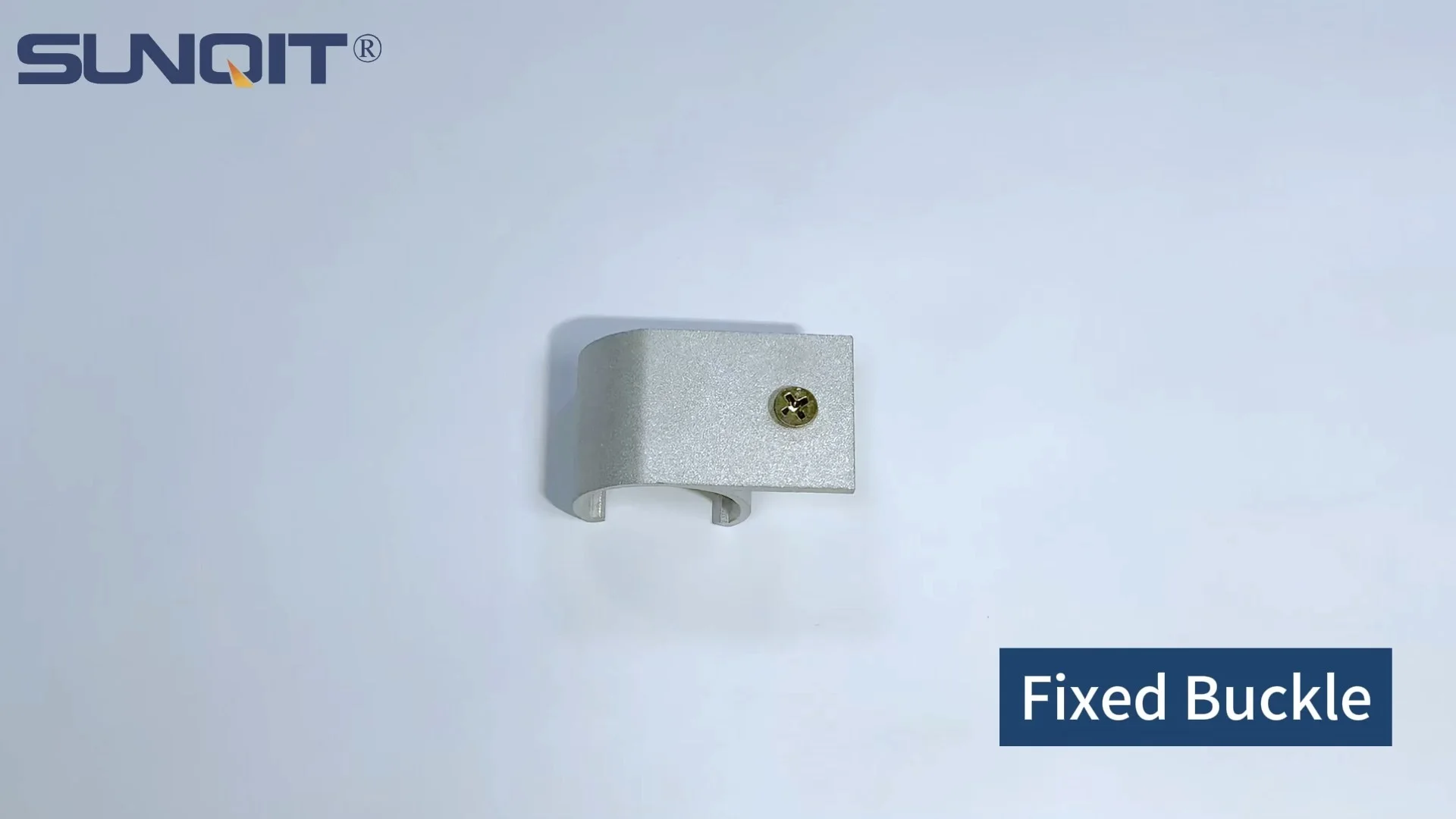
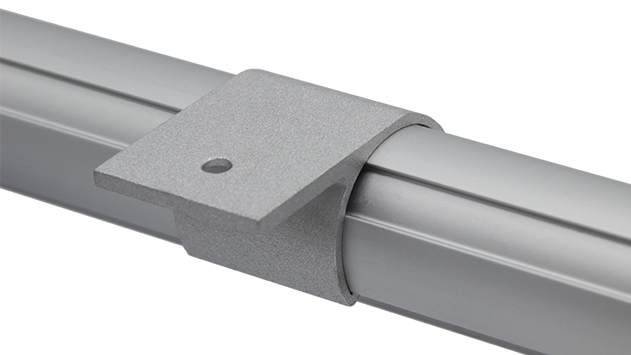
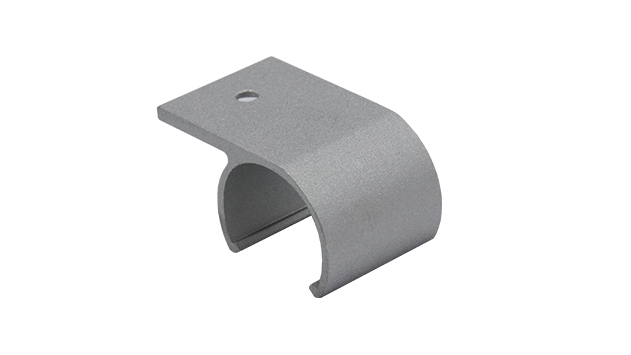
Aluminum pipe side clamp used for 28mm aluminum pipe connect with table top, or other accessories.
In the world of manufacturing and logistics, conveyor systems are the unsung workhorses that keep operations moving—literally. From bustling warehouses sorting packages to automotive plants assembling components, these systems rely on precision to avoid jams, delays, and costly downtime. At the heart of that precision? Aluminum pipe clamps. These small but critical components hold together the aluminum pipes, roller tracks, and aluminum profiles that form the backbone of modern conveyors. But if they're misaligned or poorly secured, even the most advanced conveyor can grind to a halt. In this guide, we'll dive into how aluminum pipe clamps impact conveyor performance, share practical tips for alignment and stability, and help you make the most of these essential tools.
Why Aluminum Pipe Clamps Matter More Than You Think
Aluminum pipe clamps might not grab headlines, but they're the glue that holds your conveyor system together. Unlike rigid steel clamps, aluminum clamps offer a unique blend of strength and flexibility—they're lightweight enough to reduce overall system weight (cutting energy costs) and corrosion-resistant, making them ideal for humid or industrial environments. But their real value lies in precision: a well-chosen clamp ensures that aluminum pipes and roller tracks stay aligned, even under the stress of heavy loads or constant motion.
Consider this scenario: A warehouse conveyor handling 50-pound boxes starts to jam. The maintenance team discovers the issue isn't a faulty motor or a bent roller track—it's a loose aluminum pipe clamp that shifted the alignment of two connected aluminum profiles by just 2 degrees. That tiny misalignment caused boxes to catch, creating a bottleneck that delayed shipments for hours. The fix? Tightening the clamp and double-checking alignment. This example underscores a key point: conveyor stability starts at the connection points, and aluminum pipe clamps are the first line of defense.
Pro Tip:
Aluminum's malleability means overtightening clamps can warp pipes or profiles over time. Always follow torque guidelines—typically 15-20 Nm for most aluminum connections—to balance security and structural integrity.
Types of Aluminum Pipe Clamps: Choosing the Right Tool for the Job
Not all aluminum pipe clamps are created equal. The right clamp depends on your conveyor's design, load capacity, and whether you need fixed rigidity or adjustable flexibility. Here's a breakdown of the most common types and their uses:
| Clamp Type | Key Design Features | Best For | Load Capacity (Approx.) | Compatibility |
|---|---|---|---|---|
| Fixed Aluminum Pipe Clamp | Non-adjustable, one-piece design with set screw | Straight runs of aluminum pipe or roller tracks | Up to 200 lbs per clamp | Basic aluminum tube, 2020/3030 aluminum profile |
| Parallel Fixation Aluminum Pipe Joint | Dual-clamp design for parallel pipes; allows minor angle adjustments | Side-by-side roller track setups or material racks | Up to 150 lbs per clamp | Aluminum guide rail A/B, 40 steel roller track |
| 90° Aluminum Crossing Joint | Right-angle connection with reinforced corners | Conveyor turns or T-junctions | Up to 250 lbs per clamp | Aluminum extrusion profile, stainless steel pipe series |
| Adjustable Parallel Aluminum Joint A | Slotted design for horizontal/vertical adjustments | Dynamic systems where alignment may shift (e.g., temperature changes) | Up to 180 lbs per clamp | Aluminum pipe with board holder, roller track placon mount |
| Suction Cup Anti-Slip Clamp | Integrated suction cup base for extra stability on smooth surfaces | Light-duty conveyors or workbench-integrated systems | Up to 80 lbs per clamp | Aluminum honeycomb panel, ESD workbench surfaces |
For example, if you're building a straight roller track conveyor in a food processing plant, fixed aluminum pipe clamps are a solid choice—they're simple, corrosion-resistant, and pair well with 38 aluminum roller track (a common food-grade option). On the other hand, an e-commerce warehouse with curved conveyors might opt for 90° aluminum crossing joints to handle turns smoothly, paired with adjustable parallel joints to fine-tune alignment as packages shift direction.
Alignment Tips: Getting Your Conveyor Straight as an Arrow
Even the best clamps can't fix a poorly aligned conveyor. Proper alignment ensures that products move smoothly from point A to B, reducing friction on roller tracks and minimizing wear on motors and belts. Here's how to get it right:
1. Start with a Level Foundation
Conveyor alignment begins at the base. Before installing any pipes or clamps, ensure the floor or mounting surface is level within ±0.5° over 10 feet. Use a laser level for precision—eyeballing it is a recipe for misalignment. If your facility has uneven floors, use aluminum foot bases or suction cup anti-slip foot adjusters to shim and stabilize the system. A level foundation prevents "domino effect" misalignment where a slight tilt at the start propagates through the entire conveyor.
2. Use Reference Points for Pipe & Track Alignment
When connecting aluminum pipes or roller tracks, don't rely on visual alignment alone. Mark reference lines on the mounting surface using chalk or tape, aligned with the conveyor's intended path. For roller tracks, use the roller track placon mount for rail connection as a guide—these mounts have pre-drilled holes that ensure consistent spacing between rollers. When attaching pipes to profiles, align the pipe's seam (if using extruded aluminum) with the profile's T-slot; this creates a visual cue that the connection is straight.
For longer conveyors (over 20 feet), use a string line stretched between two end supports. Measure the distance from the string to the pipe at 3-foot intervals—any deviation over 2mm indicates a need for adjustment. This method is far more accurate than "eyeballing" and catches misalignments before they cause jams.
3. Match Clamp Spacing to Load & Speed
How often should you space aluminum pipe clamps? A general rule is one clamp every 1.5-2 feet for light loads (under 50 lbs) and every 1 foot for heavy loads (over 100 lbs). For high-speed conveyors (over 100 ft/min), tighter spacing (every 12-18 inches) prevents pipes from vibrating loose. For example, a conveyor moving 85 steel roller track at 150 ft/min with 80-pound boxes needs clamps every 12 inches to counteract centrifugal force and vibration.
Pro Tip:
When in doubt, use the "deflection test." Apply downward pressure to the middle of a pipe segment—if it bends more than 1/8 inch, add an extra clamp. Excess deflection leads to uneven wear on roller tracks and increases the risk of product jams.
Stability Tips: Keeping Your Conveyor Secure Under Pressure
Alignment keeps products moving straight, but stability ensures the conveyor itself stays put—even when handling heavy loads, sudden starts/stops, or accidental impacts. Here's how to boost stability with aluminum pipe clamps and complementary components:
1. Reinforce Connections with Parallel Fixation Joints
For areas under high stress—like conveyor merges, declines, or loading zones—standard clamps may not be enough. Parallel fixation aluminum pipe joints are designed to secure two parallel pipes, distributing load across both and reducing stress on individual connections. For example, in a 3-row material rack (like material rack b (3 row and 3 floor) ), using parallel joints between vertical and horizontal pipes prevents rack sway when loaded with heavy materials.
2. Add Anti-Slip Components for Mobile or Inclined Conveyors
If your conveyor is mobile (mounted on casters) or inclined (sloped at more than 5°), anti-slip elements are a must. Suction cup anti-slip foot adjusters create a vacuum seal with smooth floors, preventing shifting during operation. For inclined sections, pair aluminum pipe clamps with roller track placon mount center support brackets —these brackets anchor the track to the mounting surface, resisting the downward force of products. On mobile conveyors, ensure caster locks are engaged and use clamps to secure the frame to the casters' mounting plate (avoid relying solely on caster bolts).
3. Consider Thermal Expansion (Yes, Even for Aluminum!)
Aluminum expands and contracts with temperature changes—about 0.000023 inches per inch per °F. In a 100-foot conveyor, a 50°F temperature swing (common in uninsulated warehouses) can cause pipes to expand by 0.138 inches. If clamps are fixed rigidly without room for movement, this expansion can bow pipes or crack profiles. The solution? Use adjustable aluminum pipe clamps with slotted holes in areas prone to temperature fluctuations. These clamps allow for 1-2mm of movement, preventing thermal stress while maintaining alignment.

Real-World Applications: How Proper Clamping Boosts Efficiency
To see the impact of good clamping practices, let's look at two case studies:
Case Study 1: Automotive Parts Conveyor
A mid-sized automotive supplier was struggling with weekly jams on their 38 aluminum roller track conveyor, used to move engine components (15-25 lbs each). The root cause? They were using generic steel clamps instead of aluminum-specific clamps, leading to corrosion and uneven pressure on the aluminum profiles. After switching to 90° aluminum crossing joints and parallel fixation aluminum pipe joints , and following alignment tips (string line, 1-foot clamp spacing), jams decreased by 92%. Downtime dropped from 8 hours/week to under 1 hour, saving over $40,000 annually in labor and lost production.
Case Study 2: E-Commerce Fulfillment Center
An e-commerce warehouse with a high-speed (200 ft/min) 40 steel roller track conveyor was experiencing frequent clamp loosening, causing packages to tilt and fall. The issue was twofold: clamps were spaced too far apart (2 feet) and overtightened, leading to metal fatigue. The fix included switching to adjustable clamps with 12-inch spacing and using torque wrenches to hit the 18 Nm target. They also added roller track placon mount bracket reinforcements at merge points. Result: Zero package falls in 6 months, and maintenance teams now spend 75% less time retightening clamps.
Maintenance: Extending Clamp Life and Conveyor Performance
Even the best aluminum pipe clamps need regular care to stay effective. Here's a maintenance checklist to keep your system in top shape:
- Weekly Inspections: Check for loose clamps (gently tug on pipes to test). Look for signs of corrosion (white/greenish buildup) or wear (stripped threads on set screws). replace any clamps with damaged threads or cracked bodies—don't try to "save" them with extra tape or glue.
- Monthly Cleaning: Wipe clamps with a mild detergent to remove dust, oil, or debris (especially in food or pharmaceutical environments). For outdoor or humid settings, apply a thin coat of anti-corrosion spray (avoid oil-based sprays, which attract dust).
- Quarterly Alignment Checks: Use the string line method to verify alignment. Tighten or adjust clamps as needed—temperature changes or ground settling can shift even well-installed systems over time.
- Annual Replacement: Even with care, aluminum clamps wear out. Plan to replace 10-15% of clamps yearly (focus on high-stress areas like merges or declines) to prevent unexpected failures.
Conclusion: Small Clamps, Big Impact
Aluminum pipe clamps may be small, but their role in conveyor alignment and stability is huge. By choosing the right clamp type, prioritizing alignment during installation, and maintaining connections proactively, you can reduce downtime, extend conveyor life, and keep your operations running smoothly. Remember: a conveyor is only as strong as its weakest connection—and with the tips in this guide, that connection will never be your aluminum pipe clamps.
Whether you're building a new system or upgrading an existing one, invest time in getting the clamps right. Your maintenance team, your bottom line, and your customers (who rely on on-time deliveries) will thank you.