- Company Articles
- Products and Technology
- Product knowledge
- Aluminum Pipe Clamps for Flexible Production Lines: Adaptable Design

Aluminum Pipe Clamps for Flexible Production Lines: Adaptable Design
Related Product
Aluminum Pipe Clamp
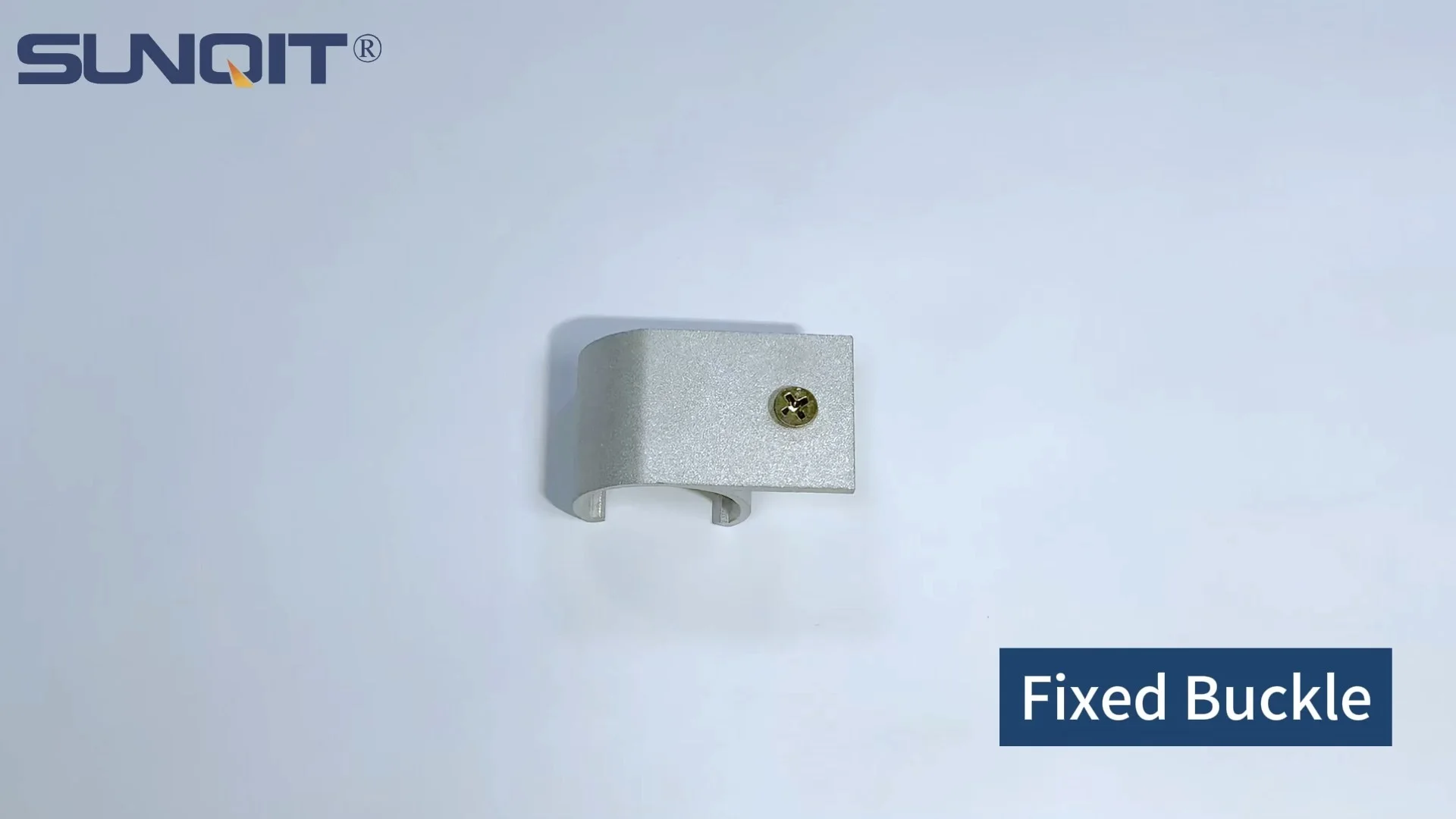
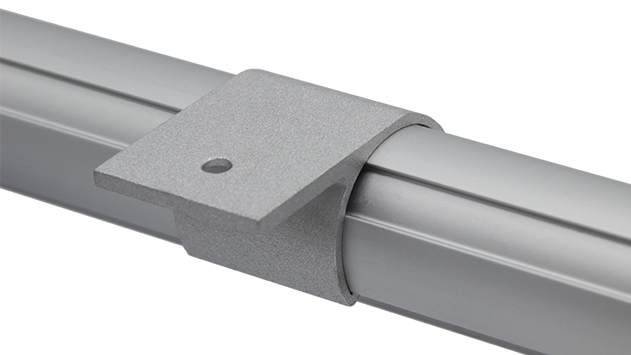
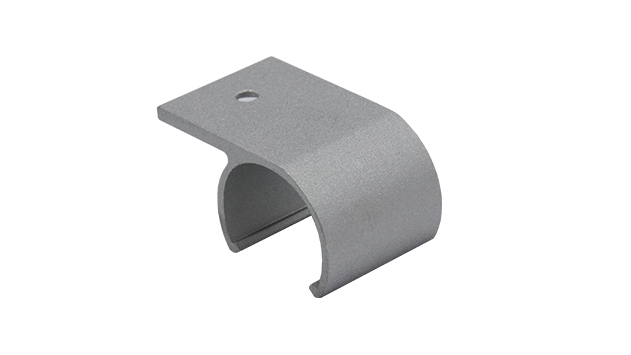
Aluminum pipe side clamp used for 28mm aluminum pipe connect with table top, or other accessories.
Introduction: The Need for Flexibility in Modern Manufacturing
Walk into any modern manufacturing facility today, and you'll likely notice a stark difference from the factories of decades past. Gone are the days of rigid, permanent assembly lines bolted to the floor, designed to produce one product for years on end. Instead, you'll find dynamic spaces where workstations shift, production flows adapt, and teams reconfigure layouts in hours—not weeks—to meet changing customer demands, shorter product lifecycles, and unexpected market shifts. This evolution isn't just about keeping up with trends; it's about survival. In an era where consumer preferences change overnight and competitors innovate at breakneck speed, flexibility has become the cornerstone of manufacturing efficiency.
At the heart of this flexibility lies a quiet revolution in modular components. These aren't the clunky, one-size-fits-all parts of yesteryear. Today's modular systems are lightweight, durable, and—most importantly—adaptable. They allow manufacturers to build, break down, and rebuild production lines with minimal effort, reducing downtime and maximizing resource utilization. And among these modular heroes, one component stands out for its versatility and impact: the aluminum pipe clamp. Often overlooked in favor of flashier machinery, aluminum pipe clamps are the unsung connectors that turn disjointed parts into cohesive, flexible production ecosystems. They're the reason a single workbench can transform from assembling smartphones in the morning to packaging medical devices in the afternoon. They're the glue that holds lean systems together, enabling the waste reduction and continuous improvement that modern manufacturing demands.
In this article, we'll dive deep into the world of aluminum pipe clamps, exploring how their adaptable design fuels flexible production lines, integrates with other critical components like aluminum profiles and roller tracks, and why they've become indispensable in lean system implementations. Whether you're a production manager looking to optimize your facility, a small manufacturer scaling up operations, or simply curious about the mechanics behind today's most efficient factories, understanding aluminum pipe clamps is key to unlocking the full potential of flexible manufacturing.
The Role of Aluminum Pipe Clamps: More Than Just Fasteners
To appreciate the value of aluminum pipe clamps, it's helpful to first think about what happens when a production line lacks flexibility. Imagine a traditional setup: steel frames welded together to form workbenches, conveyor belts fixed in place with heavy bolts, and material racks that require a team of workers and power tools to reposition. When a new product comes along—say, a slightly larger version of an existing item—suddenly, the workbench is too short, the conveyor angle is wrong, and the material rack can't accommodate the new packaging. The result? Days or weeks of downtime as crews cut, weld, and rebuild, all while deadlines loom and costs pile up.
Aluminum pipe clamps solve this problem by redefining what a "fastener" can be. They're not just tools to hold things together; they're enablers of change. Designed to connect aluminum pipes, profiles, and accessories quickly and securely, these clamps allow for near-instant reconfiguration without welding, drilling, or specialized training. A single worker with a basic Allen wrench can loosen a clamp, adjust a pipe's position, and retighten it in minutes—transforming a workstation from a packaging station to an assembly hub in the time it takes to brew a coffee.
But their role goes beyond speed. Aluminum pipe clamps also contribute to the overall efficiency of a production line by promoting modularity. In a modular system, every component—from workbenches to roller tracks—is designed to work together seamlessly. Aluminum pipe clamps act as the universal interface, ensuring that a pipe from one manufacturer, a profile from another, and a roller track from a third can all connect with minimal hassle. This interoperability reduces reliance on custom parts, lowers inventory costs, and makes it easier to scale or modify systems as needs change.
Consider, for example, a lean system focused on reducing waste. In lean manufacturing, "waste" includes everything from excess inventory to unnecessary motion. Aluminum pipe clamps directly address the latter by allowing workers to position tools, materials, and work surfaces exactly where they're needed—eliminating time spent reaching, bending, or walking to retrieve items. A workbench built with aluminum pipe clamps can have its height adjusted to match a worker's ergonomics, its shelves repositioned to bring frequently used parts within arm's reach, and its layout modified to support a new assembly process without scrapping the entire structure. This level of adaptability turns static workspaces into dynamic environments that evolve with the people using them, boosting both productivity and morale.
Design Features of Aluminum Pipe Clamps: Built for Adaptability
What makes aluminum pipe clamps so adaptable? It starts with their design. Unlike traditional steel clamps, which are often heavy, corrosion-prone, and limited in adjustability, aluminum pipe clamps are engineered with flexibility in mind. Let's break down their key features and how each contributes to their performance in flexible production lines.
Lightweight Yet Strong: The Aluminum Advantage
Aluminum is the material of choice for these clamps, and for good reason. It's significantly lighter than steel—about one-third the weight—making it easier to handle during installation and reconfiguration. A worker can lift and maneuver a section of aluminum pipe with clamps attached without straining, reducing the risk of injury and speeding up setup times. But don't let the light weight fool you: aluminum alloys, especially those used in industrial clamps, offer impressive strength-to-weight ratios. They can support heavy loads—think toolboxes, machinery, or stacks of materials—without bending or warping, ensuring stability even in high-demand environments.
Corrosion resistance is another aluminum benefit. Manufacturing facilities are often harsh environments, with exposure to oils, chemicals, and moisture. Steel clamps can rust over time, weakening their grip and requiring frequent replacement. Aluminum, however, forms a natural oxide layer that protects against corrosion, extending the clamp's lifespan and maintaining its performance in wet or humid conditions. This durability is especially critical in industries like food processing or pharmaceuticals, where cleanliness and longevity are non-negotiable.
Modular Grip: Secure, Yet Reusable
The clamping mechanism itself is a study in simplicity and effectiveness. Most aluminum pipe clamps use a screw-driven design: a threaded bolt tightens a metal jaw around the pipe or profile, creating a firm grip. What sets them apart is the precision of this grip. The jaws are often lined with rubber or plastic inserts that prevent slipping and protect the pipe's surface from scratches—important for maintaining the integrity of aluminum profiles, which can be damaged by metal-on-metal contact. This design ensures that once tightened, the clamp holds steady under vibration, movement, and heavy loads. Yet, when adjustment is needed, a quick turn of the screw releases the grip, allowing the pipe to be repositioned or removed entirely.
Many clamps also feature multi-axis adjustability. For example, a 90-degree aluminum pipe clamp can connect two pipes at a right angle, but some models allow for rotation along the vertical or horizontal axis, enabling angles beyond 90 degrees. This flexibility means the same clamp can be used to build a straight conveyor track, a angled workbench shelf, or a curved material rack—eliminating the need for specialized clamps for every possible configuration.
Compatibility with Aluminum Profile Accessories
No component in a modular system works alone, and aluminum pipe clamps are no exception. They're designed to pair seamlessly with aluminum profile accessories, including T-slot profiles, joint brackets, and end caps. T-slot profiles, with their grooves running along the length, are particularly versatile: aluminum pipe clamps can slide into these slots, allowing for infinite positioning along the profile's length. This means a workbench built with T-slot profiles and aluminum pipe clamps can have its shelves adjusted to any height, its tool holders moved to any position, and its overall layout modified without drilling new holes or cutting new threads.
Take, for example, a roller track—a common component in production lines for moving materials from one station to another. Aluminum pipe clamps can attach the roller track to a T-slot profile frame, allowing the track's angle to be adjusted to control material flow speed. If a product is too heavy to slide down the track at the current angle, a worker can loosen the clamps, tilt the track slightly, and retighten—no need for shims, wedges, or custom brackets. This compatibility with aluminum profile accessories turns individual components into a system that can adapt to any material, product, or process.
Working in Harmony: Aluminum Pipe Clamps and Other Production Line Components
A flexible production line is only as strong as its weakest link. For aluminum pipe clamps to deliver their full potential, they must work in harmony with other key components. Let's explore how these clamps integrate with workbenches, roller tracks, and aluminum profiles to create cohesive, adaptable systems.
Workbenches: The Heart of the Production Line
Workbenches are where the magic happens—where products are assembled, tested, and packaged. A workbench built with aluminum pipe clamps is a far cry from the fixed wooden or steel benches of the past. Instead, it's a modular platform that can be customized to fit any task. The frame, typically made of aluminum pipes and profiles connected by clamps, can have its height adjusted to suit workers of different statures, reducing ergonomic strain. Shelves, tool holders, and monitor mounts can be added or removed using clamps, ensuring that every tool and material is within easy reach.
Consider a electronics assembly workbench. During the morning shift, it might be configured with ESD (electrostatic discharge) mats, small parts bins, and a soldering station—all held in place by aluminum pipe clamps. In the afternoon, when the same bench is needed for quality control inspections, the soldering station can be removed, a lighting fixture clamped into place, and a testing station added. This versatility means the bench never sits idle; it adapts to the task at hand, maximizing space utilization and reducing the need for multiple dedicated workstations.
Even specialized workbenches, like those used in cleanrooms or laboratories, benefit from aluminum pipe clamps. The clamps' smooth, easy-to-clean surfaces and corrosion resistance make them ideal for environments where hygiene is critical. And because they don't require adhesives or welding, there are no crevices for dirt or bacteria to hide—simplifying cleaning and maintenance.
Roller Tracks: Streamlining Material Flow
In any production line, moving materials efficiently is just as important as assembling them. Roller tracks—conveyor-like systems of rotating rollers—are designed to transport parts, boxes, and products between workstations with minimal effort. Aluminum pipe clamps play a vital role in integrating roller tracks into the overall production layout, ensuring they're positioned for optimal flow and easy adjustment.
Roller tracks are often mounted on frames built with aluminum pipes and clamps. This allows the track's height, angle, and length to be adjusted to match the needs of the product being transported. For example, a heavy component might require a steeper angle to generate enough momentum to roll, while a delicate part might need a gentler slope to prevent damage. With aluminum pipe clamps, adjusting the angle is as simple as loosening the clamps holding the track to the frame, tilting it to the desired position, and retightening. No need for custom brackets or cutting the frame to size—just quick, tool-free adjustments.
Aluminum pipe clamps also enable the creation of complex roller track configurations, like merges, splits, and curves. By connecting multiple track sections with clamps, manufacturers can design material flow paths that adapt to the production line's layout, reducing the distance workers need to move and minimizing bottlenecks. In a lean system, this translates to less waste—specifically, less "motion waste" and "transport waste"—which are two of the seven wastes identified in lean manufacturing principles.
Aluminum Profiles: The Backbone of Modularity
If aluminum pipe clamps are the connectors, aluminum profiles are the backbone. These extruded aluminum beams, with their T-slots and standardized dimensions, provide the structure onto which clamps, pipes, and accessories attach. Together, profiles and clamps form the foundation of modular production systems, offering unmatched flexibility in design and function.
Aluminum profiles come in a range of sizes and shapes, from small 20x20mm profiles for light-duty applications to large 80x80mm profiles for heavy machinery. Aluminum pipe clamps are designed to fit these profiles snugly, with jaws that grip the profile's edges or slide into its T-slots. This compatibility means that a single profile can support multiple clamps, each holding a different component—whether it's a workbench top, a roller track, a tool rack, or a safety guard. And because the profiles are extruded, they have consistent dimensions, ensuring that clamps from different manufacturers will work together interchangeably.
One of the most powerful aspects of this pairing is the ability to "future-proof" production lines. As a company grows or its needs change, new profiles can be added to existing frames using aluminum pipe clamps, extending the system's reach without replacing it entirely. A small manufacturer starting with a single workbench can, over time, add more profiles and clamps to build a full assembly line, a storage rack, or a testing station—all using the same modular components.

Real-World Applications: How Aluminum Pipe Clamps Transform Production Lines
Theory is one thing, but seeing aluminum pipe clamps in action is where their value truly shines. Let's explore a few real-world scenarios across different industries to understand how these clamps are solving practical problems and driving efficiency in flexible production lines.
Automotive Manufacturing: Adapting to Model Changes
The automotive industry is a masterclass in high-volume manufacturing, but it's also an industry where change is constant. New car models, updated features, and seasonal variations mean production lines must reconfigure frequently. A tier-one automotive supplier, for example, might produce door panels for three different car models on the same line—each with slightly different dimensions and assembly steps. Aluminum pipe clamps make this possible.
Consider the assembly workstations for these door panels. Each workstation includes a frame built with aluminum profiles and pipe clamps, holding fixtures, tools, and a roller track for moving panels to the next station. When switching from Model A to Model B, the fixtures need to be repositioned, the roller track angle adjusted to accommodate a heavier panel, and the tool holders moved to better suit the new assembly sequence. With aluminum pipe clamps, a team of two workers can complete this reconfiguration in under an hour: loosening clamps, adjusting positions, and retightening. Compare this to a traditional welded frame, which would require cutting, welding, and repainting—taking a full day or more and generating waste material in the process. The result? Reduced downtime, lower labor costs, and the ability to meet tight production deadlines even with frequent model changes.
Electronics Assembly: Ergonomics and Precision
Electronics manufacturing demands precision, cleanliness, and ergonomic design. Workers spend hours assembling small components, and even minor inefficiencies or discomfort can lead to errors or fatigue. Aluminum pipe clamps address these challenges by enabling workstations that adapt to both the product and the person using them.
Take a smartphone assembly line. Each workstation is built around a modular workbench with aluminum pipe clamps connecting the frame, shelves, and tool organizers. The workbench height can be adjusted using clamps to match the height of each worker, reducing strain on their backs and shoulders. Shelves holding tiny screws, capacitors, and connectors can be positioned at eye level, eliminating the need to bend or reach. Even the lighting—attached to the bench frame with clamps—can be adjusted to reduce glare on the small components. When a new phone model is introduced with a different layout, the clamps allow the shelves, tool holders, and even the workbench top to be reconfigured to match the new assembly steps. This level of customization not only improves precision (fewer dropped parts, more accurate assembly) but also boosts worker satisfaction, leading to lower turnover and higher productivity.
Logistics and Warehousing: Dynamic Storage Solutions
Logistics and warehousing operations face their own flexibility challenges, from seasonal inventory spikes to changing order fulfillment needs. Traditional fixed shelving and racking can't keep up, often leading to wasted space or inefficient material flow. Aluminum pipe clamps offer a solution by enabling dynamic storage systems that adapt to inventory levels and product sizes.
Consider a third-party logistics (3PL) provider handling e-commerce orders. During peak seasons like Black Friday, they need to store thousands of additional packages, many of which are irregularly shaped. With traditional pallet racks, this would require renting extra space or investing in new racks. With aluminum pipe clamps and profiles, however, they can quickly build temporary storage racks, adjusting shelf heights and widths to fit different package sizes. The clamps allow the racks to be disassembled just as easily once the peak season ends, freeing up floor space for other uses. Similarly, picking stations can be reconfigured with clamps to bring fast-moving items closer to packers, reducing the time spent walking and increasing order fulfillment rates.
Advantages Over Traditional Solutions: Why Aluminum Pipe Clamps Win
By now, it's clear that aluminum pipe clamps offer significant benefits for flexible production lines. But how do they stack up against traditional solutions like welded steel frames, plastic clamps, or custom-built fixtures? Let's compare them across key metrics to understand why more manufacturers are making the switch.
| Metric | Aluminum Pipe Clamps | Traditional Welded Steel Frames | Plastic Clamps | Custom-Built Fixtures |
|---|---|---|---|---|
| Reconfigurability | High: Can be adjusted in minutes with basic tools; no permanent modifications. | Low: Requires cutting, welding, and repainting to modify; often results in scrap. | Medium: Some adjustability, but plastic deforms over time, reducing grip strength. | Very Low: Designed for a single product/task; must be replaced entirely for changes. |
| Installation Time | Fast: One worker can assemble a basic frame in hours. | Slow: Requires skilled welders and multiple days for setup. | Fast: Lightweight and easy to install, but limited load capacity. | Very Slow: Requires design, fabrication, and testing; weeks to months. |
| Durability | High: Aluminum resists corrosion; clamps maintain grip over thousands of adjustments. | High: Steel is strong but prone to rust; welds can weaken with vibration. | Low: Plastic degrades with UV exposure, temperature changes, and heavy loads. | High: Built for specific use case, but not adaptable to new needs. |
| Cost (Long-Term) | Low: Reusable across multiple configurations; minimal replacement needed. | High: High initial cost; frequent replacement/modification costs add up. | Medium: Low upfront cost, but frequent replacement due to wear. | Very High: Custom design and fabrication costs; no reuse value. |
| Weight | Low: Aluminum is lightweight, reducing handling effort and transportation costs. | High: Steel is heavy, requiring more workers or equipment to move. | Low: Lightweight, but limited load capacity offsets this benefit. | Variable: Often heavy due to custom materials; hard to reposition. |
| Ergonomics | High: Easy to adjust height, angle, and layout to fit worker needs. | Low: Fixed positions often lead to ergonomic strain. | Medium: Adjustable but less stable, leading to potential safety risks. | Medium: Designed for a specific task, but no adaptability for worker differences. |
The table tells a clear story: aluminum pipe clamps outperform traditional solutions in nearly every category that matters for flexible manufacturing. Their reconfigurability alone saves manufacturers time and money by eliminating downtime during line changes. Their durability ensures they stand up to the rigors of industrial use, while their lightweight design makes them easy to handle and transport. Perhaps most importantly, their long-term cost-effectiveness comes from their reusability—unlike custom fixtures or welded frames, which are often scrapped when needs change, aluminum pipe clamps can be repurposed for new projects, reducing waste and lowering total cost of ownership.
Another advantage worth highlighting is sustainability. In an era where environmental responsibility is increasingly important to customers and regulators, aluminum pipe clamps offer a greener alternative to traditional solutions. Aluminum is 100% recyclable, and because the clamps are reusable, they reduce the need for new materials. Welded steel frames, by contrast, often end up in landfills when they're no longer needed, while plastic clamps can take centuries to decompose. For manufacturers looking to reduce their carbon footprint, aluminum pipe clamps are a small change that delivers big environmental benefits.
Future Trends: What's Next for Aluminum Pipe Clamps and Flexible Production
As manufacturing continues to evolve, so too will the tools and components that power it. Aluminum pipe clamps, already a staple of flexible production lines, are poised to become even more versatile and integrated with emerging technologies. Let's explore a few trends that could shape their development in the coming years.
Integration with Smart Manufacturing
Industry 4.0—often called the "smart factory" revolution—is transforming manufacturing with IoT sensors, data analytics, and automation. Aluminum pipe clamps are likely to play a role in this transformation by serving as mounting points for smart devices. Imagine clamps with built-in sensors that monitor temperature, vibration, or load—providing real-time data on workstation usage, material flow, or equipment health. This data could help manufacturers identify bottlenecks, predict maintenance needs, and optimize production schedules. For example, a clamp on a roller track might detect when the track is overloaded, triggering an alert to redistribute materials before a jam occurs. While this technology is still in its early stages, the modular nature of aluminum pipe clamps makes them ideal candidates for integrating smart features without requiring a complete system overhaul.
Enhanced Customization Through 3D Printing
3D printing, or additive manufacturing, is changing how custom parts are made—and aluminum pipe clamps could benefit from this trend. While the clamps themselves are likely to remain extruded or machined for strength, 3D printing could enable the creation of custom jaws, inserts, or brackets that attach to standard clamps. For example, a manufacturer with an unusual pipe size or profile shape could 3D-print a custom jaw insert that fits their existing clamps, avoiding the need for expensive custom clamps. This would further enhance the clamps' adaptability, allowing them to work with non-standard components while maintaining their core functionality. As 3D printing materials become stronger and more heat-resistant, we may even see 3D-printed aluminum clamps for low-volume or specialized applications.
Focus on Ergonomics and Worker Wellbeing
Manufacturing ergonomics is gaining attention as companies recognize the link between worker comfort and productivity. Aluminum pipe clamps are well-positioned to support this trend by enabling even more precise workstation customization. Future clamps may include features like quick-release levers (eliminating the need for tools entirely), built-in level indicators to ensure work surfaces are flat, or memory settings that allow workers to save their preferred workstation configurations. Imagine a workbench where a new employee can input their height into a digital interface, and the clamps automatically adjust the bench height, shelf positions, and tool locations to match—all in seconds. While this may sound like science fiction, the modular foundation provided by aluminum pipe clamps makes it a plausible future development.
Conclusion: Aluminum Pipe Clamps—The Foundation of Flexible Manufacturing
In the fast-paced world of modern manufacturing, flexibility isn't just a luxury—it's a necessity. Companies that can adapt quickly to changing demands, optimize their production lines for efficiency, and empower their workers with ergonomic, customizable tools are the ones that thrive. Aluminum pipe clamps may not be the most glamorous components in a factory, but they are undoubtedly among the most critical. They are the quiet enablers of the flexible, modular systems that define today's most successful manufacturing operations.
From their lightweight, durable design to their seamless compatibility with aluminum profiles, roller tracks, and workbenches, aluminum pipe clamps solve the core challenges of traditional manufacturing setups: rigidity, downtime, and waste. They allow production lines to transform from assembly hubs to packaging stations to testing centers in hours, not weeks. They enable workers to customize their environments for comfort and efficiency, reducing fatigue and boosting morale. And they support lean system principles by eliminating waste in all its forms—from excess inventory to unnecessary motion.
As we look to the future, aluminum pipe clamps will only grow more important. With trends like smart manufacturing, 3D printing, and enhanced ergonomics on the horizon, these clamps will evolve from simple connectors to integrated components of intelligent, adaptive production ecosystems. Whether you're a small manufacturer just starting to build your first production line or a large enterprise looking to optimize an existing facility, investing in aluminum pipe clamps is an investment in flexibility, efficiency, and long-term success.
So the next time you walk through a manufacturing facility, take a closer look at the workbenches, roller tracks, and frames. Chances are, you'll see aluminum pipe clamps holding it all together—quietly, reliably, and ready to adapt to whatever the future brings. In a world of constant change, they are the steady foundation on which flexible manufacturing is built.