- Company Articles
- Products and Technology
- Product knowledge
- Aluminum Pipe Clamps for Flow Racks: Improving Material Handling

Aluminum Pipe Clamps for Flow Racks: Improving Material Handling
Related Product
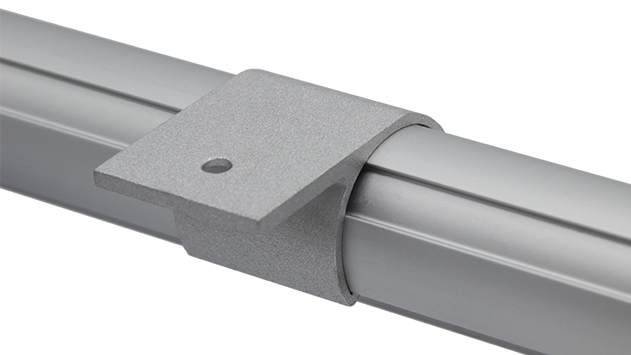
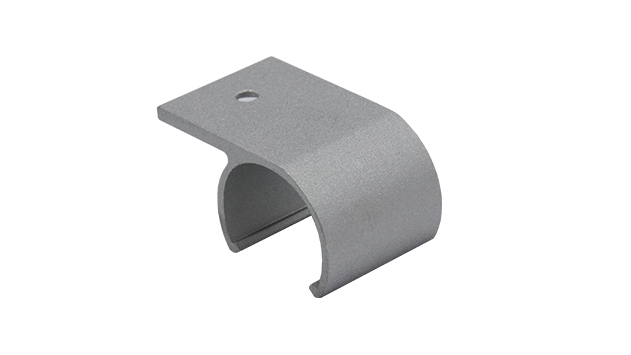
Aluminum Pipe Clamp
Aluminum pipe side clamp used for 28mm aluminum pipe connect with table top, or other accessories.

The Hidden Hero of Smooth Material Flow
Walk into any busy warehouse, manufacturing plant, or distribution center, and you'll quickly notice the unsung battle happening behind the scenes: the race to move materials efficiently. A single bottleneck—a stuck box on a conveyor, a wobbly shelf, or a misaligned roller track—can throw off production schedules, increase labor costs, and leave teams scrambling to meet deadlines. For years, operations managers have turned to flow racks as a solution to these headaches, leveraging gravity to move products from storage to picking stations with minimal effort. But what keeps these flow racks stable, adaptable, and reliable? Often, it's a component so it's easy to overlook: the aluminum pipe clamp.
Aluminum pipe clamps are the quiet workhorses of material handling systems. They're the connectors that hold flow racks together, securing roller tracks to aluminum profiles and ensuring everything stays aligned—even when hundreds of pounds of products are sliding through daily. In this article, we'll dive into why these small but mighty tools are critical for optimizing flow racks, how they integrate with lean systems, and why they're becoming the go-to choice for businesses looking to streamline their operations. Whether you're managing a bustling e-commerce warehouse or a precision manufacturing floor, understanding the role of aluminum pipe clamps could be the key to unlocking smoother workflows, fewer disruptions, and a more productive team.
The Basics: What Are Flow Racks and Why Do They Matter?
Before we get into the nitty-gritty of aluminum pipe clamps, let's start with the foundation: flow racks. At their core, flow racks are storage systems designed to use gravity to move products from the "load" end (where items are stocked) to the "pick" end (where workers retrieve them). They typically consist of inclined roller tracks or skate wheels mounted on a frame, allowing goods to slide forward as items are picked, ensuring a first-in, first-out (FIFO) inventory system. This design isn't just about convenience—it's a cornerstone of lean system principles, which focus on eliminating waste, reducing labor, and maximizing efficiency.
In a traditional static shelf setup, workers might spend hours walking back and forth to retrieve items, or struggle to reach products at the back of deep shelves. Flow racks solve this by bringing the products to the worker. For example, in a automotive parts warehouse, a flow rack loaded with brake pads or wiring harnesses will automatically feed the next part forward as soon as the previous one is picked, cutting down on reach time and reducing the risk of strain injuries. In e-commerce fulfillment centers, flow racks are a game-changer for small-parts picking, where speed and accuracy are everything. By minimizing the distance workers need to move, flow racks can boost picking rates by 30% or more—a difference that directly impacts a company's bottom line.
But here's the catch: a flow rack is only as good as its components. If the roller tracks are misaligned, the frame wobbles, or the connections between parts loosen over time, the system grinds to a halt. Boxes get stuck, products topple, and suddenly that "efficient" setup becomes a source of frustration. This is where aluminum pipe clamps step in. They're the glue that holds the frame, roller tracks, and aluminum profiles together, ensuring the entire system stays stable, even under constant use.
Enter Aluminum Pipe Clamps: The Unsung Connectors
So, what exactly is an aluminum pipe clamp? At its simplest, it's a device designed to secure two or more components of a flow rack—usually aluminum profiles (the vertical or horizontal beams of the frame) and roller tracks (the pathways that products slide along). Unlike rigid welds or permanent fasteners, clamps are adjustable, meaning they can be loosened, repositioned, and retightened as needed. This adjustability is crucial in dynamic environments where product sizes, picking needs, or storage layouts change regularly.
Aluminum is the material of choice here for several reasons. First, it's lightweight. A steel clamp might offer similar strength, but it adds unnecessary weight to the frame, making the rack harder to move or reconfigure. Aluminum clamps, on the other hand, are easy to handle during installation—no need for heavy lifting equipment—and they reduce the overall weight of the rack, which is a plus for facilities with weight restrictions on floors. Second, aluminum is naturally corrosion-resistant. In warehouses with high humidity (like those storing food or pharmaceuticals) or where cleaning solutions are used regularly, steel clamps can rust over time, weakening the connection. Aluminum clamps stand up to moisture and chemicals, ensuring a longer lifespan.
But perhaps the biggest advantage of aluminum pipe clamps is their versatility. They're designed to work with a wide range of aluminum profiles—the extruded beams that form the frame of the flow rack. Most aluminum profiles have T-slots (longitudinal grooves) that allow clamps to be attached anywhere along the length of the beam, rather than being limited to pre-drilled holes. This means you can position roller tracks at exactly the right angle or height for your products, whether you're storing small electronic components or large automotive parts. For example, if you switch from storing 12-inch boxes to 18-inch boxes, you can simply loosen the clamps, adjust the roller tracks to a steeper incline, and retighten—no cutting, welding, or new parts required. That's the kind of flexibility that makes aluminum pipe clamps indispensable in modern material handling.
Features That Make Aluminum Pipe Clamps Stand Out
Aluminum pipe clamps might seem simple, but their design is packed with features that address the unique challenges of flow rack systems. Let's break down what makes them so effective:
- T-Slot Compatibility: As mentioned earlier, most aluminum profiles have T-slots, and aluminum pipe clamps are engineered to fit these slots perfectly. This allows for infinite adjustability—you can slide the clamp along the profile to find the exact position you need, then lock it in place with a bolt or lever. No more drilling new holes or hacking apart the frame to make a small change.
- Lightweight but Strong: Aluminum is about one-third the weight of steel, but modern alloys (like 6061-T6, commonly used in material handling) offer impressive strength. A typical aluminum pipe clamp can support hundreds of pounds of weight without bending or warping, making it more than capable of handling the demands of a busy flow rack.
- Corrosion Resistance: Unlike steel, aluminum doesn't rust. This is a huge advantage in environments with high humidity, temperature fluctuations, or exposure to cleaning chemicals. For example, in a food processing plant where daily washdowns are required, steel clamps would quickly deteriorate, but aluminum clamps will stay strong for years.
- Easy Installation and Reconfiguration: You don't need to be a mechanic to install an aluminum pipe clamp. Most models can be attached with a simple wrench or even by hand (for lever-style clamps). And if you need to reconfigure the flow rack—say, to accommodate a new product line—loosening the clamps, adjusting the roller tracks, and retightening takes minutes, not hours.
- Low Maintenance: Aluminum pipe clamps don't require painting, lubrication, or special treatments to stay in good shape. A quick wipe with a damp cloth to remove dust or debris is usually all it takes to keep them functioning like new.
These features might sound like small details, but they add up to a big impact. When you're running a 24/7 operation, the last thing you want is to spend hours fixing a loose clamp or replacing a rusted component. Aluminum pipe clamps minimize downtime, reduce maintenance costs, and give operations managers the flexibility to adapt to changing needs—all while keeping the flow rack stable and reliable.

How Aluminum Pipe Clamps Enhance Flow Rack Performance
Now that we understand what aluminum pipe clamps are and what they're made of, let's look at how they actually improve flow rack performance. It's one thing to say they "hold things together," but their impact goes far beyond basic stability. Here are three key ways aluminum pipe clamps make flow racks more efficient, adaptable, and cost-effective:
1. They Prevent Costly Jams and Downtime
In a flow rack, even a tiny misalignment in the roller tracks can cause a jam. A box gets stuck, and suddenly the entire lane is blocked. Workers have to stop what they're doing to free the box, and if the jam causes a product to topple, you might even have damaged inventory. Aluminum pipe clamps eliminate this risk by keeping the roller tracks rigidly aligned. Because they lock securely to the aluminum profile, there's no wiggle room—even when heavy products are sliding over the tracks. This means fewer jams, less downtime, and a smoother workflow for everyone.
2. They Support Lean System Principles
Lean system thinking is all about continuous improvement—finding ways to eliminate waste, reduce inefficiencies, and adapt to changing customer needs. Aluminum pipe clamps are a lean manager's dream because they make it easy to reconfigure the flow rack as processes improve. For example, suppose your team realizes that a particular product line is moving faster than others, and you need to add an extra roller track lane to keep up. With aluminum pipe clamps, you can simply loosen the existing clamps, add a new track, and tighten everything down—no need to buy a whole new rack. This flexibility allows you to scale up or down as needed, without sinking money into unnecessary equipment.
3. They Reduce Long-Term Costs
At first glance, aluminum pipe clamps might cost a bit more than plastic clamps or DIY steel brackets. But when you factor in their lifespan, low maintenance, and reusability, they're actually much more cost-effective. A plastic clamp might last 2-3 years before cracking or breaking; an aluminum clamp can last 10+ years. And because aluminum clamps are reusable, you can repurpose them if you redesign your flow rack or move to a new facility. Over time, this adds up to significant savings—money that can be invested in other areas of your operation.
Comparing Clamp Materials: Why Aluminum Beats the Rest
To really understand the value of aluminum pipe clamps, it helps to compare them to other common options: steel clamps and plastic clamps. Each has its place, but for most flow rack applications, aluminum comes out on top. Let's break down the differences:
| Feature | Aluminum Pipe Clamps | Steel Pipe Clamps | Plastic Pipe Clamps |
|---|---|---|---|
| Weight | Light (1/3 the weight of steel) | Heavy (adds significant weight to the rack) | Lightest, but prone to bending |
| Strength | High (supports hundreds of pounds) | Highest (supports thousands of pounds) | Low (best for light loads only) |
| Corrosion Resistance | Excellent (no rust, ideal for humid/damp environments) | Poor (rusts without coating; requires regular maintenance) | Good, but prone to cracking in extreme temperatures |
| Adjustability | High (easily repositioned along T-slots) | Low (often welded or bolted in place; hard to reconfigure) | Medium (can be adjusted, but threads strip easily) |
| Installation/Reconfiguration Time | 5-10 minutes per clamp (no special tools needed) | 30+ minutes per clamp (may require welding or drilling) | 5-10 minutes, but clamps may break during reconfiguration |
| Average Lifespan | 10+ years | 10+ years (but shorter if rust is unaddressed) | 2-3 years (prone to UV damage and wear) |
| Ideal For | High-mix environments, lean systems, humid/damp areas | Extremely heavy loads (e.g., industrial machinery parts) | Temporary setups, light loads (e.g., office supplies) |
As the table shows, aluminum pipe clamps strike the perfect balance between strength, weight, and versatility. Steel clamps might be stronger, but they're overkill for most flow rack applications and come with the added hassle of rust and heavy weight. Plastic clamps are cheap, but they're not durable enough for daily use in a busy warehouse. Aluminum clamps, on the other hand, offer the adjustability needed for lean systems, the durability to withstand constant use, and the corrosion resistance to thrive in tough environments—all at a price point that makes sense for long-term operations.
Real-World Applications: Aluminum Pipe Clamps in Action
To get a sense of how aluminum pipe clamps impact real operations, let's look at a few examples from different industries. These stories highlight how the right clamps can transform a struggling flow rack into a well-oiled machine:
Case Study 1: Automotive Manufacturing Plant
A mid-sized automotive parts manufacturer was struggling with their flow racks in the assembly line. They produced multiple car models, each with slightly different parts, and their old steel-clamped flow racks were difficult to reconfigure. Every time they switched models, workers had to spend 2-3 hours unbolting steel clamps, adjusting the roller tracks, and rebolting—time that could have been spent building cars. Additionally, the steel clamps were rusting in the plant's humid environment, leading to frequent breakdowns.
The solution? Switching to aluminum pipe clamps and aluminum profiles. The new clamps were lightweight enough for a single worker to adjust, cutting reconfiguration time from hours to minutes. The T-slot design allowed them to quickly add or remove roller track lanes as needed, and the corrosion-resistant aluminum meant clamps no longer rusted or weakened. Within six months, the plant saw a 25% reduction in downtime related to flow rack issues and a 15% increase in assembly line throughput. "We used to dread model changeovers," said the plant manager. "Now, it's just another part of the day—no stress, no delays."
Case Study 2: E-Commerce Fulfillment Center
A large e-commerce company was handling a surge in online orders during the holiday season, and their flow racks for small-parts picking (think phone chargers, jewelry, and electronics accessories) were failing them. The plastic clamps they'd used were cracking under the weight of constant use, causing roller tracks to misalign and boxes to jam. Workers were spending hours each day fixing jams, and order accuracy was suffering as frustrated pickers rushed to keep up.
After consulting with a material handling supplier, they replaced the plastic clamps with aluminum pipe clamps. The difference was immediate. The aluminum clamps held the roller tracks firmly in place, eliminating jams. Because the clamps were adjustable, the team could also tilt the roller tracks to a steeper angle, making products slide more smoothly (but not too fast—aluminum's grip prevented items from toppling). Within a week, picking errors dropped by 40%, and workers reported less fatigue from not having to constantly bend down to free stuck boxes. "It sounds silly, but those little clamps changed everything," said the warehouse supervisor. "We went from missing shipping deadlines to hitting 100% on-time delivery during our busiest season."
Installing Aluminum Pipe Clamps: A Step-by-Step Guide
Ready to upgrade your flow rack with aluminum pipe clamps? Installing them is easier than you might think. Here's a simple step-by-step guide to get you started:
- Gather Your Tools: You'll need a few basic tools: a hex wrench (the size depends on your clamp—most use 5mm or 6mm), a tape measure, a level, and a rubber mallet (for gently tapping components into place). If your clamps use levers instead of bolts, you might not even need the wrench!
- Measure and Mark: Decide where you want to position the roller track on the aluminum profile. Use the tape measure to mark the spot, and use the level to ensure the track will be straight (a slight incline is okay for gravity flow, but it should be consistent). Pro tip: If you're installing multiple clamps for a single track, measure twice to make sure they're aligned—this prevents the track from wobbling.
- insert the Clamp into the T-Slot: Slide the aluminum pipe clamp into the T-slot of the aluminum profile. Most clamps have a "T-nut" that fits into the slot—twist it 90 degrees to lock it in place temporarily. This lets you adjust the position without it sliding around.
- Attach the Roller Track: Place the roller track onto the clamp. Most clamps have a groove or bracket that holds the track securely. Make sure the track is seated properly—you should hear a "click" or feel it lock into place.
- Tighten the Clamp: Use the hex wrench to tighten the bolt on the clamp. Don't over-tighten—you want it snug enough to hold the track in place, but not so tight that you strip the threads or bend the clamp. A good rule of thumb: tighten until you feel resistance, then give it a quarter-turn more.
- Test the Setup: Once the clamp is installed, test it by sliding a sample product down the roller track. It should move smoothly without sticking or wobbling. If it does stick, check if the clamp is loose or if the track is misaligned—adjust as needed.
- Repeat for Additional Clamps: Follow the same steps for all remaining clamps. If you're installing a long roller track, space the clamps every 12-18 inches to ensure stability.
That's it! Most people can install a set of clamps for a small flow rack in under an hour. If you're unsure about anything, check the manufacturer's instructions—most clamp suppliers provide detailed guides or videos to walk you through the process.
Maintenance Tips to Maximize Lifespan
Aluminum pipe clamps are low-maintenance, but a little care goes a long way in keeping them performing at their best. Here are a few simple tips to extend their lifespan:
- Inspect Regularly: Once a month, take a few minutes to check your clamps. Look for loose bolts, bent brackets, or signs of wear (like cracks in the aluminum). Tighten any loose bolts—vibration from constant use can cause them to loosen over time.
- Clean as Needed: Dust, dirt, and debris can build up in the T-slots or around the clamp bolts, making it harder to adjust them later. Wipe the clamps with a damp cloth every few months to keep them clean. For extra dirty environments (like a woodworking shop), use a soft brush to remove sawdust or grit.
- Lubricate Threads (If Needed): If your clamps have threaded bolts, a tiny drop of lubricating oil (like 3-in-1 oil) on the threads once a year can make them easier to tighten or loosen. Avoid using heavy grease, which can attract dirt.
- replace Damaged Clamps Promptly: If a clamp is bent, cracked, or the threads are stripped, replace it right away. A damaged clamp can compromise the entire flow rack, leading to jams or even collapse. Most suppliers sell replacement clamps individually, so you don't have to buy a whole new set.
By following these tips, your aluminum pipe clamps should last 10 years or more—saving you time and money in the long run.
Choosing the Right Aluminum Pipe Clamps for Your Flow Rack
Not all aluminum pipe clamps are created equal. To find the best ones for your flow rack, consider these key factors:
- Load Capacity: How much weight will the clamp need to support? Most clamps list their load capacity (e.g., 200 lbs per clamp) in the product specs. If you're storing heavy items (like automotive parts), opt for heavy-duty clamps with reinforced brackets.
- Aluminum Profile Compatibility: Make sure the clamp fits your aluminum profile's T-slot size. Profiles come in different sizes (e.g., 2020, 3030, 4040, referring to the width and height in millimeters), and clamps are designed to match these sizes. A 2020 clamp won't fit a 4040 profile, so double-check before buying.
- Environment: Will the clamps be exposed to moisture, chemicals, or extreme temperatures? Look for clamps made from marine-grade aluminum if you're in a humid area, or anodized aluminum (which has a protective coating) for extra durability.
- Adjustability Needs: Do you need to reconfigure the flow rack often? If so, choose clamps with quick-release levers or easy-to-adjust bolts. If the setup is permanent, standard bolt-on clamps will work fine.
- Supplier Reputation: Not all aluminum pipe clamp manufacturers are the same. Look for suppliers with good reviews, clear warranty policies, and responsive customer service. A cheap clamp might save you money upfront, but it could fail when you need it most.
When in doubt, reach out to a material handling expert. They can help you assess your needs and recommend the right clamps for your specific flow rack setup.
Conclusion: Investing in the Right Connectors for Long-Term Efficiency
In the world of material handling, it's easy to get caught up in big-ticket items like conveyor systems or automated robots. But as we've seen, the smallest components—like aluminum pipe clamps—can have the biggest impact on efficiency. These unassuming connectors are the backbone of a well-functioning flow rack, ensuring stability, adaptability, and reliability day in and day out.
Whether you're running a lean system in a manufacturing plant, a fast-paced e-commerce warehouse, or a precision parts facility, aluminum pipe clamps offer a winning combination of strength, adjustability, and durability. They reduce downtime, cut maintenance costs, and give you the flexibility to adapt as your business grows. And in today's competitive market, that's not just an advantage—it's a necessity.
So, the next time you walk through your warehouse or plant, take a closer look at your flow racks. Are the clamps holding everything together? Are they allowing you to work efficiently, or are they holding you back? If it's the latter, it might be time to make the switch to aluminum pipe clamps. Your team, your bottom line, and your peace of mind will thank you.