- Company Articles
- Products and Technology
- Product knowledge
- Aluminum Pipe Clamps for Home Appliance Manufacturing: Uses & Benefits

Aluminum Pipe Clamps for Home Appliance Manufacturing: Uses & Benefits
Related Product
Aluminum Pipe Clamp
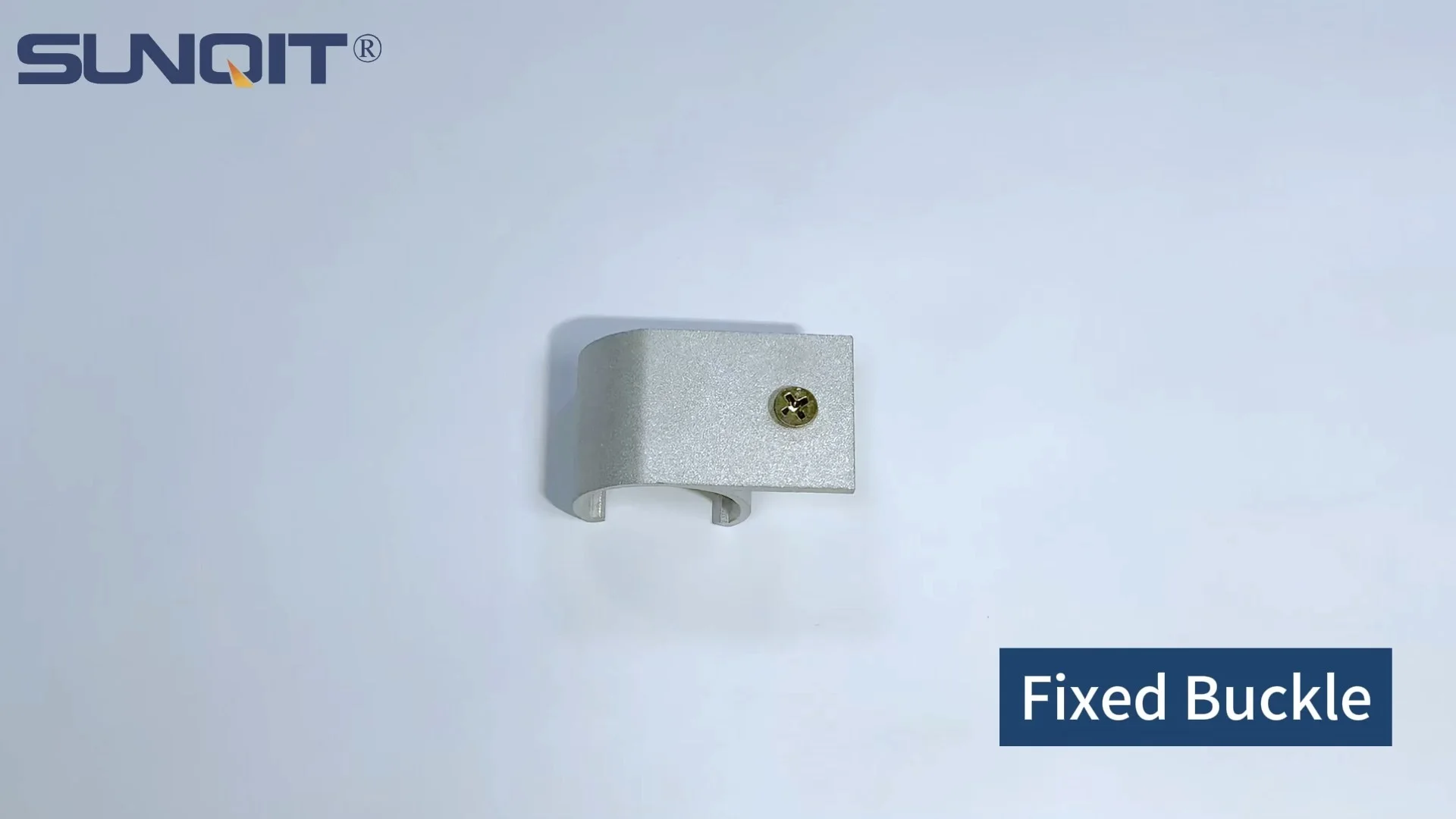
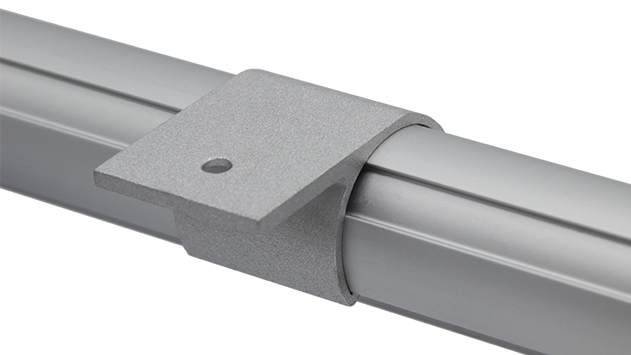
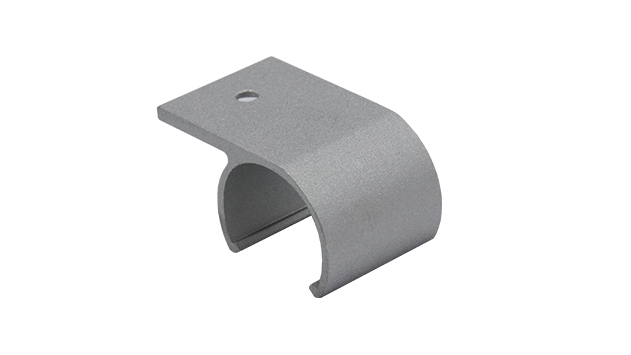
Aluminum pipe side clamp used for 28mm aluminum pipe connect with table top, or other accessories.
In the bustling world of home appliance manufacturing, where precision, speed, and reliability are non-negotiable, it's often the smallest components that hold the biggest impact. Think about the assembly lines churning out refrigerators, microwaves, washing machines, and blenders—each step relies on a symphony of parts working in harmony. Among these unsung heroes are aluminum pipe clamps: unassuming yet critical tools that shape the backbone of production systems. These simple devices, often overlooked, are the glue that holds together workbenches, conveyors, and material racks, enabling factories to adapt, evolve, and meet the ever-changing demands of the market. Today, we're diving deep into the world of aluminum pipe clamps, exploring how they function, why they're indispensable in home appliance manufacturing, and the tangible benefits they bring to production lines.
What Are Aluminum Pipe Clamps, Exactly?
At their core, aluminum pipe clamps are mechanical fasteners designed to connect, secure, and stabilize aluminum pipes, profiles, and accessories in industrial settings. Crafted from high-grade aluminum alloy—known for its lightweight strength and corrosion resistance—these clamps come in a variety of shapes, sizes, and configurations to suit different assembly needs. Unlike rigid welding or permanent adhesives, aluminum pipe clamps offer a flexible, tool-free (or minimal-tool) solution for building and modifying structures, making them a cornerstone of modern lean manufacturing systems.
Most aluminum pipe clamps feature a modular design, with components like screws, bolts, or locking levers that tighten around aluminum pipes or profiles. Their versatility lies in their ability to attach to aluminum profile systems—extruded aluminum beams with T-slots that accommodate accessories like brackets, shelves, and guide rails. This compatibility means a single clamp can be reused across multiple projects, from assembling a workbench for microwave control panels to reinforcing a conveyor belt for refrigerator doors. Whether you need a 90° angle joint for a corner connection or a parallel clamp to secure two pipes side by side, there's an aluminum pipe clamp engineered for the task.
Aluminum Pipe Clamps in Lean Systems: Building Efficiency from the Ground Up
Lean manufacturing isn't just a buzzword in home appliance factories—it's a philosophy that drives every decision, from inventory management to production line design. At its heart, lean aims to eliminate waste, maximize value, and foster continuous improvement. Aluminum pipe clamps align perfectly with these goals, acting as enablers of flexibility, adaptability, and efficiency. Let's break down how they contribute to lean systems:
Flexibility: Adapting to Shifting Production Needs
Home appliance trends change fast. One month, consumers demand slimmer refrigerators; the next, they want smart ovens with touchscreen controls. For manufacturers, this means production lines can't be static—they need to pivot quickly. Aluminum pipe clamps make this agility possible. Unlike fixed steel structures, which require cutting, welding, or heavy machinery to modify, clamps allow workers to disassemble, reconfigure, and reassemble workbenches, conveyors, and racks in hours (or even minutes). Need to raise a workbench height by 6 inches to accommodate taller workers? Loosen a few clamps, adjust the pipes, and retighten. Launching a new blender model with smaller parts? Rearrange a material rack by sliding clamps to create narrower shelves. This flexibility reduces downtime and ensures factories can keep up with market demands without overinvesting in custom equipment.
Waste Reduction: Minimizing Material and Time Loss
Waste comes in many forms in manufacturing: excess inventory, unused space, and time spent on rework, to name a few. Aluminum pipe clamps tackle these issues head-on. Their modular design means components are reusable—if a workbench is no longer needed, the clamps can be stripped and repurposed for a new conveyor system. This reduces material waste compared to single-use fasteners or welded structures, which often end up in landfills when projects change. Additionally, clamps speed up assembly time: a team can build a basic material rack in under an hour using clamps, versus half a day with welding. Faster setup means less labor waste and more time focused on producing appliances.
Practical Uses in Home Appliance Manufacturing
Aluminum pipe clamps aren't just theoretical tools—they're workhorses on the factory floor, with applications spanning every stage of home appliance production. Let's explore their most common uses and how they enhance day-to-day operations.
Assembling Custom Workbenches: Where Precision Meets Comfort
Workbenches are the command centers of appliance assembly. Whether workers are installing circuit boards in microwaves or attaching door handles to refrigerators, the right workbench setup directly impacts productivity and ergonomics. Aluminum pipe clamps are the secret to building workbenches that adapt to specific tasks.
Consider a factory assembling washing machine control panels—a task requiring fine motor skills and access to small tools. Using aluminum pipe clamps , the factory can construct a workbench with adjustable height (to reduce worker strain), built-in tool holders (attached via T-slot accessories), and even ESD (electrostatic discharge) mats to protect sensitive electronics. The clamps secure the aluminum profile legs to the tabletop, ensuring stability even when workers lean on the bench or place heavy components. If the next project involves assembling larger parts, like dryer drums, the same clamps can be reused to add a lower shelf for storing tools or a side rail for holding blueprints.
One popular configuration is the "Workbench E (Single Deck—Without Caster)" (a keyword from the list), a simple, sturdy setup ideal for stationary tasks. By using parallel aluminum clamps to connect the tabletop to the frame, manufacturers can customize the bench's width and length to fit their workspace, no custom fabrication required. Add caster wheels (secured with clamps, of course) later if mobility is needed—another example of lean adaptability.
Powering Conveyor Systems: Smooth Flow, Seamless Production
Conveyors are the arteries of home appliance factories, moving parts from one station to the next—think a refrigerator door traveling from the welding area to the painting booth, or a blender base moving from wiring to testing. For these systems to work, the conveyor frame must be stable, aligned, and able to withstand constant vibration. Aluminum pipe clamps play a critical role in keeping conveyors running smoothly.
Most conveyors in appliance manufacturing use roller tracks—series of wheels or rollers that allow parts to glide along the line. These tracks are mounted to aluminum profiles, and aluminum pipe clamps are used to secure the tracks to the frame. For example, "Roller Track Placon Mount for Aluminum Profile Flat" (a keyword accessory) connects roller tracks to flat aluminum beams, and clamps ensure the mount stays firmly in place, even when heavy parts pass over. This stability prevents jams and misalignments, which can grind production to a halt.
Clamps also simplify conveyor maintenance. If a roller track becomes worn or bent, workers can loosen the clamps, replace the track, and retighten—no welding or specialized tools needed. This "quick fix" minimizes downtime, a key advantage in high-volume factories where every minute counts. For instance, a factory producing 500 washing machines daily can't afford a conveyor breakdown; aluminum pipe clamps ensure repairs are fast and painless.
Building Material Racks: Organizing Parts for Optimal Access
Home appliance assembly requires a constant supply of parts—from tiny screws to large motor housings. Without organized storage, workers waste valuable time searching for components, leading to delays and frustration. Material racks, built with aluminum pipe clamps, solve this problem by keeping parts visible, accessible, and neatly categorized.
Take "Material Rack B (3 Row and 3 Floor)" (a keyword configuration), a common setup for storing small to medium parts like microwave door latches or blender gaskets. Using 90° aluminum crossing joints and parallel clamps, manufacturers can build shelves that are adjustable in height and width. Need to store taller parts? Loosen the clamps holding the shelf supports, slide them up, and retighten. Switching to a new appliance model with larger components? Add extra vertical pipes and secure them with two-way aluminum pipe clamps to create wider shelves. This adjustability ensures racks never become obsolete, even as product lines change.
Clamps also enhance safety. By securely fastening shelves to the rack frame, they prevent accidental collapses—critical when storing heavy parts like refrigerator compressors. Additionally, many aluminum pipe clamps are compatible with accessories like "Swivel Roller Balls 1 Inch" (keyword), which can be attached to rack edges to allow easy sliding of boxes or bins, reducing strain on workers.
The Benefits of Choosing Aluminum Pipe Clamps Over Alternatives
Why do home appliance manufacturers swear by aluminum pipe clamps instead of steel clamps, plastic fasteners, or welding? The answer lies in a unique blend of durability, versatility, and cost-effectiveness that's hard to match. Let's unpack the key benefits:
Durability That Stands the Test of Time
Home appliance factories are harsh environments: constant vibration, temperature fluctuations, and exposure to dust, grease, and moisture. Aluminum pipe clamps thrive here. Unlike plastic clamps, which can crack or warp under stress, aluminum resists impact and maintains its shape even in heavy use. Unlike steel clamps, which are prone to rust, aluminum's natural oxide layer provides built-in corrosion resistance—no need for extra coatings or treatments. This durability means clamps last for years, even in high-traffic areas like conveyor junctions or workbench corners. A factory might replace a few worn roller tracks over time, but the clamps holding them in place? They'll likely outlast the equipment itself.
Lightweight Strength: Ease of Installation and Reconfiguration
Aluminum is renowned for its strength-to-weight ratio, and this shines through in pipe clamps. A typical aluminum clamp weighs 50-70% less than a steel clamp of the same size, making it easy for workers to handle during assembly. Imagine a team building a 20-foot-long material rack: with aluminum clamps, two people can lift and position pipes without heavy machinery. Steel clamps, by contrast, would require more workers or forklifts, slowing down the process. This lightweight nature also reduces strain on the structures themselves—aluminum profiles and pipes are less likely to bend under the weight of clamps, ensuring long-term stability.
Compatibility with Aluminum Profile Accessories: A Versatile Ecosystem
Aluminum pipe clamps don't work in isolation—they're part of a broader ecosystem of aluminum profile accessories that turn basic pipes into fully functional systems. From "Aluminum Guide Rail A" (keyword) for conveyor alignment to "Caster Wheels" (keyword) for mobile workbenches, almost any accessory can be attached using clamps. This interoperability means manufacturers can mix and match components to create custom solutions without starting from scratch. For example, a single set of clamps can be used to build a workbench today, a conveyor tomorrow, and a material rack next month—all by pairing them with different accessories. This versatility is a game-changer for lean factories, where adaptability equals profitability.
Cost-Effectiveness: Long-Term Savings for Manufacturers
At first glance, aluminum pipe clamps might seem pricier than plastic alternatives. But factor in their lifespan, reusability, and labor savings, and they quickly become the more economical choice. Let's do the math: A plastic clamp costs $2 but breaks after 6 months of heavy use, requiring replacement. An aluminum clamp costs $5 but lasts 5+ years and can be reused on 10+ projects. Over time, the aluminum clamp saves $15+ per unit. Multiply that by hundreds of clamps per factory, and the savings add up fast.
Labor costs are another area where aluminum clamps shine. Welding a steel frame requires skilled labor and specialized equipment, costing $50-$100 per hour. Assembling the same frame with aluminum clamps? A basic worker can do it in a fraction of the time, with no special training. For a small workbench, that's a savings of $200-$300 in labor alone. Over dozens of projects per year, this becomes a significant competitive advantage.

Comparing Aluminum Pipe Clamp Types: Finding the Right Fit for Your Line
Not all aluminum pipe clamps are created equal. To get the most out of your investment, it's important to choose the right type for your specific application. Below is a comparison of common clamp types used in home appliance manufacturing, their key features, and best uses:
| Clamp Type | Design Feature | Load Capacity | Best For | Compatibility |
|---|---|---|---|---|
| 90° Aluminum Crossing Joint | Right-angle design, internal rotation for slight angle adjustments | Up to 80kg per joint | Corner connections in workbenches, material racks, and conveyor frames | Aluminum profile A, B, and 4040 EU standard profiles |
| Parallel Aluminum Joint A | Secures two parallel pipes; locking lever for quick adjustments | Up to 50kg per joint | Side-by-side pipe connections in shelves, guardrails, or tool holders | All standard aluminum pipes (28mm, 30mm, 40mm diameter) |
| 45° Reinforce Aluminum Pipe Joint | Angled design with extra reinforcement for stability | Up to 65kg per joint | Sloped surfaces, inclined conveyors, or ergonomic workbench edges | Aluminum profile accessories like guide rails and roller tracks |
| Two-Way Aluminum Pipe Joint | Straight-line connection; ideal for extending pipes or profiles | Up to 100kg per joint | Long material racks, conveyor extensions, or workbench legs | All aluminum pipes and T-slot profiles |
| Parallel Rotatory Aluminum Joint B | Rotating design allows 360° pipe adjustment; lockable at any angle | Up to 40kg per joint | Adjustable shelves, tilting workbenches, or movable tool holders | Aluminum pipe with tray holder, corrugated aluminum pipe |
Real-World Impact: How Aluminum Pipe Clamps Transform Production Lines
Numbers and specs tell part of the story, but real-world examples show the true power of aluminum pipe clamps. Let's look at two case studies from home appliance factories that upgraded to aluminum clamp systems—and the results they achieved.
Case Example: A Refrigerator Assembly Plant's Efficiency Boost
A mid-sized factory in Ohio producing refrigerators was struggling with outdated, welded steel workbenches. These benches were heavy, fixed in place, and took days to modify when new refrigerator models launched. Workers often complained of back pain from leaning over non-adjustable surfaces, and the factory was losing $10,000 monthly in downtime due to rework and setup delays.
The solution? The factory replaced all steel workbenches with aluminum profile systems using 90° crossing joints and parallel aluminum clamps. Within a week, workers assembled 20 custom workbenches, each adjustable in height and width. The clamps allowed for quick addition of tool rails, ESD mats, and lower shelves for parts storage. The results were staggering: setup time for new models dropped from 3 days to 4 hours, worker absenteeism due to back pain fell by 40%, and monthly downtime savings hit $15,000. Best of all, when the factory launched a new slim-line refrigerator, they reused 80% of the clamps from old workbenches to build new, narrower stations—no new materials needed.
Case Example: Microwave Production Line Adaptability
A Texas-based manufacturer of microwaves needed to increase production from 500 to 800 units daily to meet holiday demand. Their existing conveyor system, held together with steel clamps, was rigid and couldn't be extended without welding. The factory faced a choice: invest $50,000 in a new conveyor or find a cheaper, faster alternative.
They opted for aluminum pipe clamps and roller tracks. Using two-way aluminum joints and roller track placon mounts (keyword accessories), the team extended the conveyor by 15 feet in a single weekend. The clamps allowed them to secure the new roller tracks to the existing frame without welding, and swivel roller balls (keyword) were added to the end to improve part flow. The total cost? $8,000—far less than a new system. The extended conveyor increased throughput by 60%, helping the factory meet demand and avoid lost sales. And when the holiday rush ended, the clamps were easily disassembled, and the extra track was stored for future use.
Conclusion: The Small Component That Drives Big Results
In the grand scheme of home appliance manufacturing, aluminum pipe clamps may seem like minor players. But as we've explored, their impact is anything but small. These versatile tools are the backbone of lean systems, enabling factories to adapt to market changes, reduce waste, and keep production lines running smoothly. From assembling ergonomic workbenches that keep workers healthy to securing conveyor systems that move parts with precision, aluminum pipe clamps do the heavy lifting that makes modern manufacturing possible.
Their benefits—durability, flexibility, cost-effectiveness, and compatibility with aluminum profile accessories—make them a smart investment for any factory looking to stay competitive. Whether you're building a single workbench or overhauling an entire production line, aluminum pipe clamps offer the reliability and adaptability needed to thrive in today's fast-paced market. So the next time you see a refrigerator or microwave in a store, take a moment to appreciate the unsung heroes holding it all together: the aluminum pipe clamps that made its creation possible.