- Company Articles
- Products and Technology
- Product knowledge
- Aluminum Pipe Clamps for Large-Scale Factories: Scalability & Efficiency

Aluminum Pipe Clamps for Large-Scale Factories: Scalability & Efficiency
Related Product
Aluminum Pipe Clamp
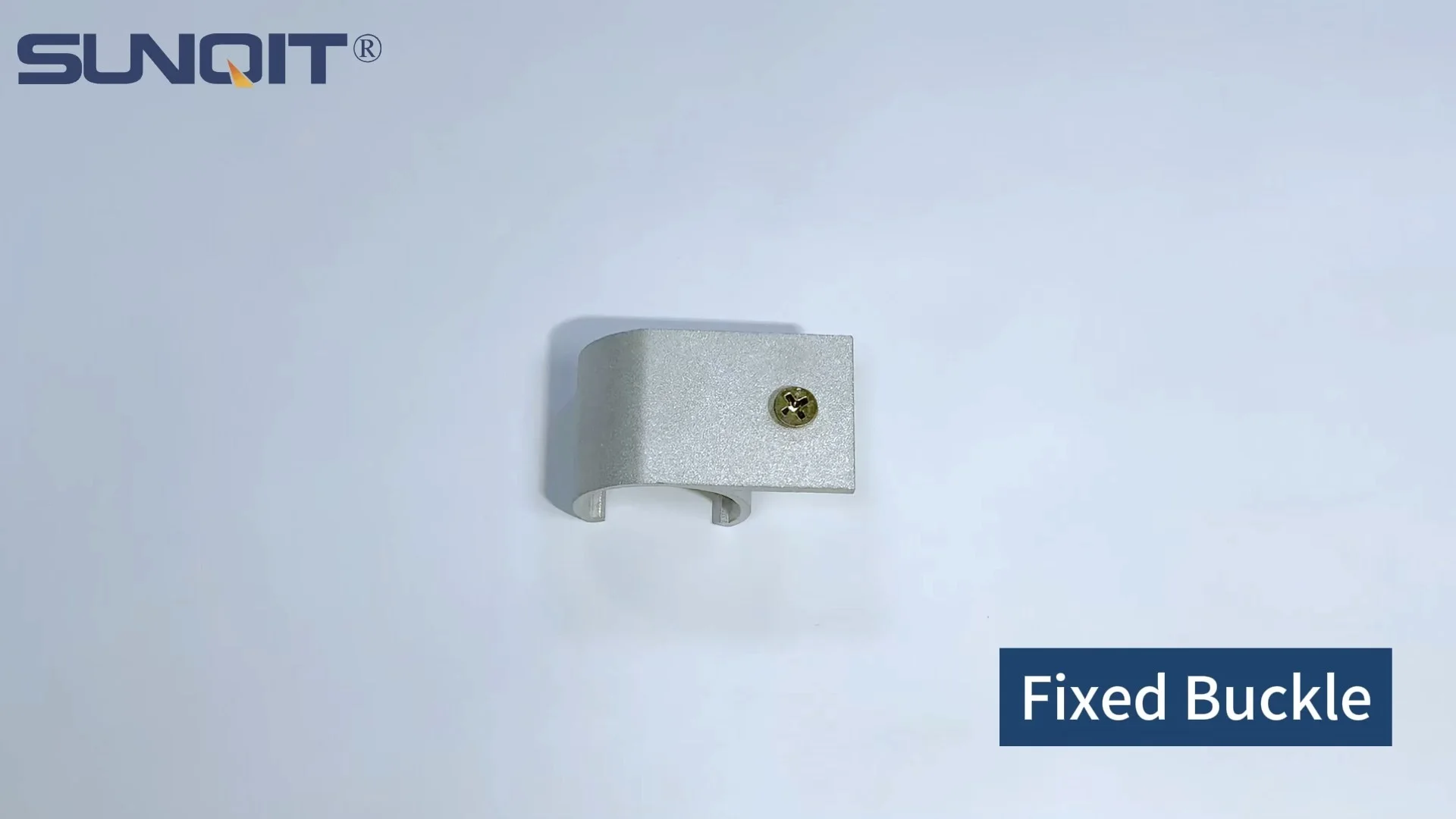
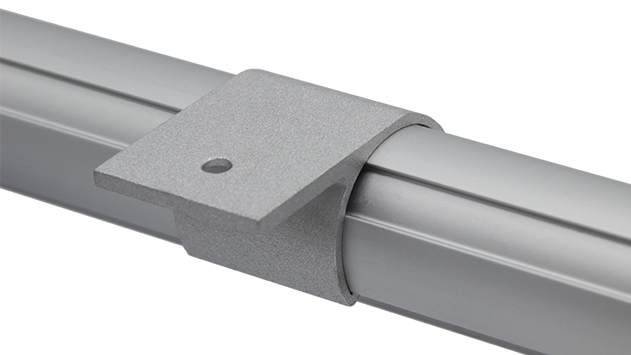
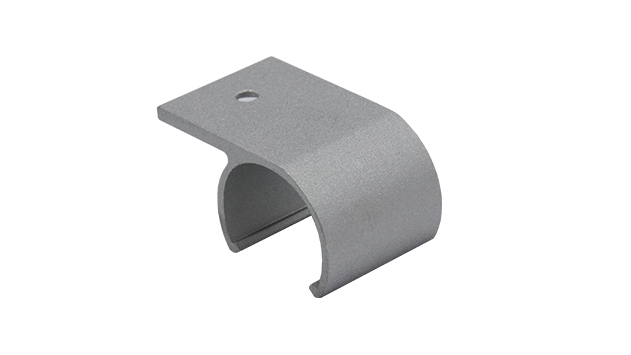
Aluminum pipe side clamp used for 28mm aluminum pipe connect with table top, or other accessories.
Walk into any large-scale factory, and you'll be hit with a symphony of motion: conveyor belts humming, workers moving in synchronized rhythms, and products gliding from one station to the next. But behind that seamless flow lies a hidden network of components working tirelessly to keep everything in order. Among these unsung heroes? Aluminum pipe clamps. They might not grab headlines like high-tech robots or AI-driven systems, but these small, unassuming tools are the backbone of scalable, efficient operations. Today, let's pull back the curtain and explore how aluminum pipe clamps—paired with aluminum lean pipe, aluminum profile accessories, and smart design—are transforming how large factories adapt, grow, and thrive.
What Are Aluminum Pipe Clamps, Anyway?
Before we dive into their impact, let's start with the basics. Aluminum pipe clamps are specialized connectors designed to join aluminum pipes, profiles, and accessories into stable, customizable structures. Think of them as the "glue" that holds a factory's workflow tools together—without the mess or permanence of actual glue. Made from lightweight yet durable aluminum, these clamps come in various shapes (90-degree angles, T-joints, parallel fixators) to accommodate different structural needs. Unlike rigid metal brackets or welded joints, they're designed for flexibility: twist, lock, adjust, and reconfigure—no welding torches or heavy tools required.
What sets aluminum pipe clamps apart is their compatibility with aluminum lean pipe, a versatile material that's become a staple in modern manufacturing. Aluminum lean pipe (sometimes called "lean tubes") is lightweight, corrosion-resistant, and infinitely adaptable. When paired with clamps, it becomes the building block for everything from workbenches and flow racks to material trolleys and conveyor supports. And here's the kicker: aluminum's natural resistance to rust means these clamps hold up in dusty, humid, or even slightly wet factory environments—no constant maintenance required.
Quick Example:
Imagine a factory floor where a workbench needs to be adjusted to fit a taller operator. With traditional wooden or steel workbenches, that might mean replacing the entire structure or hiring a carpenter. With aluminum lean pipe and clamps? Loosen a few clamps, adjust the pipe height, retighten, and you're done—all in 10 minutes. That's the power of adaptability.
Why Scalability Matters in Large Factories (Spoiler: It's All About Staying Alive)
Large-scale factories face a unique challenge: staying agile in a world where demand swings like a pendulum. One month, you're ramping up production for the holiday season; the next, you're shifting to a new product line. A competitor launches a cheaper alternative, so you need to retool your assembly line. A global supply chain hiccup forces you to rearrange material storage. In these scenarios, rigidity is a death sentence. If your factory's infrastructure—workbenches, flow racks, conveyors—can't keep up, you'll waste time, money, and opportunities.
This is where scalability comes in. Scalability isn't just about "getting bigger"—it's about getting smarter. It's the ability to expand, shrink, or reconfigure your operations quickly and cost-effectively. And aluminum pipe clamps are scalability's best friend. Here's why:
1. No More "One-and-Done" Structures
Traditional factory setups often rely on fixed, permanent structures. Welded steel racks, bolted-down workbenches, or custom-built conveyor frames—these are investments that lock you into a single layout. If you need to add a shelf, widen a workbench, or reroute a flow rack, you're looking at demolition, new parts, and downtime. Aluminum pipe clamps flip the script. Since they're modular, you can start small (say, a 3-shelf material rack) and expand it later by adding more pipes and clamps. Need to split one workbench into two? Disassemble, rearrange, and rebuild. It's like playing with a 3D puzzle where the pieces never stop fitting.
2. Growing Without Breaking the Bank
Scaling operations shouldn't mean emptying your wallet. Hiring contractors to build new structures or buying prefabricated equipment can cost tens of thousands of dollars. Aluminum pipe clamps and aluminum lean pipe, on the other hand, are surprisingly affordable. Since they're reusable, you can repurpose components from old setups into new ones. For example, if a product line is discontinued, the clamps and pipes from its workbench can be reassembled into a material trolley for another line. This reduces waste and keeps capital costs in check—critical for large factories operating on tight margins.
3. Adapting to Workforce Changes
Factories aren't just about machines—they're about people. A diverse workforce means varying needs: ergonomic workbenches for taller vs. shorter operators, adjustable conveyor heights to reduce bending, or mobile workstations for teams that need to collaborate. Aluminum pipe clamps make these adjustments trivial. Swap out a few clamps, adjust the pipe lengths, and suddenly a static workbench becomes a height-adjustable, caster-equipped station that moves where the work is. This isn't just about comfort; it's about productivity. Happy, comfortable workers are faster, more focused, and less prone to injury—all of which boost your bottom line.
Efficiency Boost: Beyond Just Holding Pipes Together
Scalability is about growth, but efficiency is about making every minute count. In large factories, even small inefficiencies multiply quickly. A workbench that's 6 inches too low might slow down one operator by 5 minutes per hour—across 50 operators, that's 250 minutes (over 4 hours) of lost productivity daily. Aluminum pipe clamps tackle these inefficiencies head-on, and here's how:
1. Lightning-Fast Setup and Reconfiguration
Time is money, and aluminum pipe clamps save plenty of both. Traditional structures like welded steel racks can take days to design, fabricate, and install. With clamps and aluminum lean pipe? A team of two workers can assemble a basic flow rack in under an hour. Need to rearrange it next week? Disassemble, move the pipes, and reclamp—no cutting, welding, or special tools. This speed is a game-changer during product launches or seasonal rushes, where every hour of downtime costs thousands.
2. Streamlined Material Flow with Flow Racks and Conveyors
Ever walked through a factory and seen workers zigzagging across the floor to fetch parts? That's a red flag for inefficiency. Aluminum pipe clamps shine when building flow racks—sloped shelves with roller tracks that let materials glide from storage to assembly lines automatically. By clamping aluminum lean pipe into sturdy frames and adding roller track accessories (another key aluminum profile accessory), factories create " gravity-fed" systems where parts are always within arm's reach. Similarly, clamps help build lightweight conveyor supports that keep belts aligned and stable, reducing jams and delays.
Real-World Win:
A automotive parts manufacturer recently switched to aluminum lean pipe flow racks clamped with adjustable joints. Before, workers spent 20 minutes per hour walking to retrieve bolts and washers. After installing flow racks that fed parts directly to the assembly station, that time dropped to 5 minutes—freeing up 15 minutes per hour per worker for more valuable tasks. Over a year, that translated to a 12% increase in output with zero additional hires.
3. Custom Workbenches That Fit the Task (Not the Other Way Around)
Workbenches are the heart of any assembly line, and one-size-fits-all models rarely work. Aluminum pipe clamps let factories build workbenches tailored to specific tasks: add tool holders on one side, a bin for scrap materials on the other, or adjust the height to match the operator's waist. Some clamps even allow for add-ons like LED light strips or anti-fatigue mats—small touches that make a big difference in daily workflow. And when tasks change, the workbench changes with them—no need to buy new furniture.
4. Durability That Stands the Test of Time (and Wear)
Don't let their lightweight fool you—aluminum pipe clamps are tough. Aluminum resists dents, scratches, and corrosion, even in high-traffic areas. The clamps themselves are designed to withstand repeated tightening and loosening without losing grip. This durability means fewer replacements, less maintenance, and a longer lifespan for your factory structures. Over time, this reduces the total cost of ownership compared to flimsy plastic connectors or rust-prone steel brackets.
Aluminum Profile Accessories: The Cherry on Top
Aluminum pipe clamps are powerful on their own, but they're even better when paired with aluminum profile accessories. These add-ons—think caster wheels, roller tracks, tool hooks, and leveling feet—turn basic pipe structures into fully functional workflow solutions. For example:
- Caster Wheels: Clamp them to the bottom of a workbench, and suddenly it's a mobile cart that can follow workers around the floor.
- Roller Tracks: Attach them to flow racks with clamps, and materials slide smoothly without manual lifting.
- Tool Holders: Clamp onto the side of a workbench to keep screwdrivers, wrenches, and pliers organized and accessible.
The beauty of these accessories is their universality. Most are designed to fit standard aluminum lean pipe sizes, so you can mix and match to create exactly what you need. No more buying proprietary parts from a single supplier—just pick the accessories that solve your specific problem, clamp them on, and go.

Traditional vs. Aluminum Pipe Clamps: A Head-to-Head Comparison
Still on the fence? Let's put aluminum pipe clamps up against traditional alternatives like welded steel, wooden brackets, and plastic connectors. The table below breaks down key factors that matter to large factories:
| Factor | Aluminum Pipe Clamps & Aluminum Lean Pipe | Welded Steel Brackets | Wooden Structures | Plastic Connectors |
|---|---|---|---|---|
| Scalability | High: Reconfigurable in minutes; expandable with new pipes/clamps. | Low: Permanent; requires cutting/welding to modify. | Very Low: Easily damaged; difficult to adjust. | Medium: Reconfigurable but weak under heavy loads. |
| Setup Time | 1-2 hours for basic structures. | Days to weeks (design, fabricate, weld). | Hours to days (cutting, drilling, assembling). | 1-3 hours, but less stable. |
| Durability | High: Corrosion-resistant; withstands heavy loads. | High, but prone to rust; heavy and hard to move. | Low: Susceptible to moisture, warping, and impact damage. | Low-Medium: Weak under heavy loads; degrades in UV light. |
| Cost Over Time | Medium upfront, low long-term (reusable, minimal maintenance). | High upfront and long-term (installation, maintenance, replacement). | Low upfront, high long-term (frequent replacement due to damage). | Low upfront, high long-term (breaks easily; needs frequent replacement). |
| Weight | Lightweight (easy to move/transport). | Heavy (requires machinery to move). | Medium-Heavy (bulky, hard to relocate). | Lightweight but unstable. |
The verdict? Aluminum pipe clamps and aluminum lean pipe outshine traditional options in scalability, setup time, and long-term cost—critical factors for large factories juggling growth and efficiency.
Choosing the Right Supplier: It's About More Than Just Clamps
Okay, so aluminum pipe clamps are a no-brainer—but not all clamps (or suppliers) are created equal. To get the most out of your investment, look for a supplier that offers:
- Quality Materials: Clamps should be made from high-grade aluminum (e.g., 6063-T5) for strength and corrosion resistance.
- Wide Range of Accessories: The best suppliers offer not just clamps, but aluminum profile accessories like roller tracks, casters, and workbench tops—one-stop shopping saves time.
- Customization Support: If you need a unique clamp design for a specific project, your supplier should be able to help (or point you to a solution).
- Technical Guidance: Even the best products fail without proper setup. Look for suppliers that provide assembly guides, videos, or on-site support to ensure you're using the clamps effectively.
The Future of Factory Efficiency: Where Clamps Meet Innovation
As factories embrace Industry 4.0—smart sensors, IoT connectivity, and data-driven workflows—aluminum pipe clamps are evolving too. Imagine clamps with built-in RFID tags that track which components are used in which structures, making inventory management a breeze. Or modular clamps that integrate with smart workbenches, adjusting height automatically based on an operator's biometrics. While these innovations are still emerging, the core strength of aluminum pipe clamps—flexibility—will only become more valuable as factories grow more complex.
Another trend? Sustainability. Aluminum is 100% recyclable, and clamps designed for reusability align with factories' goals to reduce waste. By investing in durable, adaptable systems, factories cut down on the need for frequent replacements—lowering their carbon footprint and saving money in the process.
Wrapping Up: Small Clamps, Big Impact
Aluminum pipe clamps might not be the stars of the factory floor, but they're the quiet architects of scalability and efficiency. By pairing them with aluminum lean pipe, aluminum profile accessories, and a focus on adaptability, large factories are transforming from rigid, slow-moving giants into agile, responsive operations. They're reducing downtime, cutting costs, and empowering workers to do their best. So the next time you walk through a factory and see a smooth, efficient workflow, take a closer look—chances are, aluminum pipe clamps are holding it all together.
In the end, it's the small, smart choices that make the biggest difference. And when it comes to building factories that can grow, adapt, and thrive, aluminum pipe clamps are one of the smartest choices out there.