- Company Articles
- Products and Technology
- Product knowledge
- Aluminum Pipe Clamps for Machinery Manufacturing: Securing Components

Aluminum Pipe Clamps for Machinery Manufacturing: Securing Components
Related Product
Aluminum Pipe Clamp
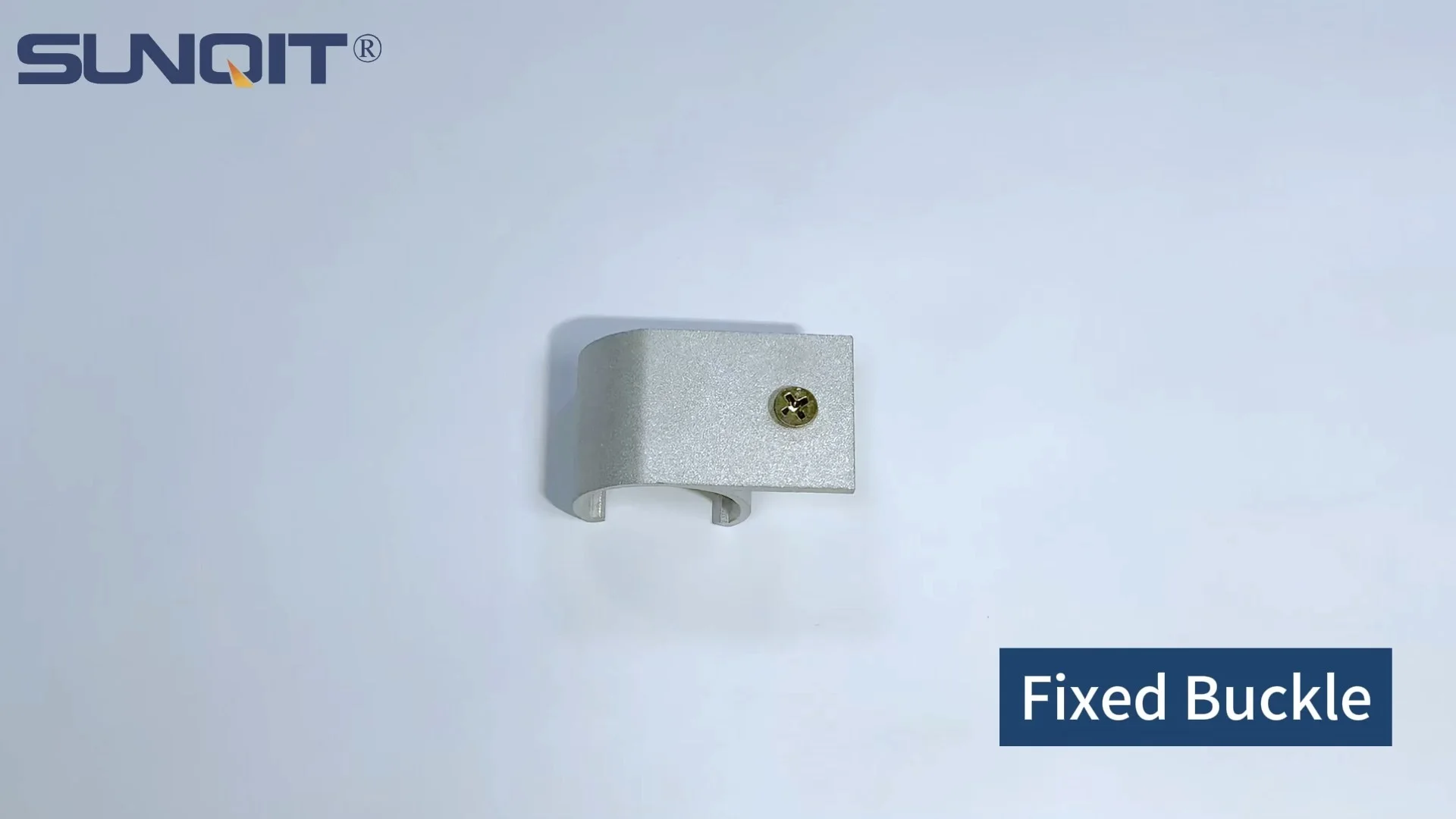
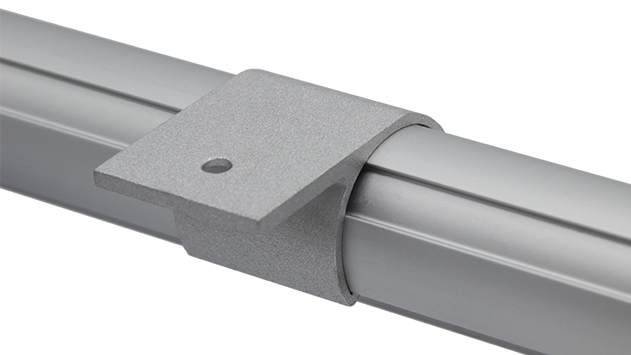
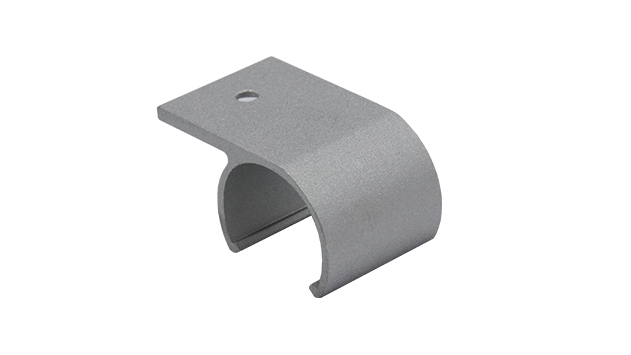
Aluminum pipe side clamp used for 28mm aluminum pipe connect with table top, or other accessories.
In the world of machinery manufacturing, where precision is the backbone of every operation, the smallest components often play the biggest roles. Among these unsung heroes are aluminum pipe clamps—unassuming yet critical tools that hold together the intricate web of parts, assemblies, and systems that power modern factories. Whether you're walking through an automotive assembly line, a electronics production facility, or a heavy machinery plant, chances are you'll find these clamps hard at work, securing aluminum pipes, supporting workbenches, guiding conveyor belts, and ensuring that every component stays exactly where it needs to be. But what makes aluminum pipe clamps so indispensable? How do they differ from other fastening solutions? And why has aluminum become the material of choice for these essential tools? Let's dive in and explore the world of aluminum pipe clamps, their role in machinery manufacturing, and how they contribute to the efficiency, safety, and reliability of production processes.
The Basics: What Are Aluminum Pipe Clamps?
At their core, aluminum pipe clamps are mechanical devices designed to secure, fasten, or support aluminum pipes in a fixed position. They come in a variety of shapes, sizes, and configurations, each tailored to specific applications—from holding a single pipe in place on a workbench to connecting multiple pipes in a complex assembly line structure. Unlike generic clamps, aluminum pipe clamps are engineered to work seamlessly with aluminum pipes, leveraging the material's unique properties to create a system that's both strong and flexible. Think of them as the "glue" that turns individual aluminum pipes into robust, functional structures—whether it's a lean pipe workbench, a roller track conveyor, or a material handling trolley.
But aluminum pipe clamps are more than just simple fasteners. They're part of a larger ecosystem of aluminum pipe accessories, which includes lean pipe joints, connectors, brackets, and mounts. Together, these components allow manufacturers to build custom structures on the fly, adapting to changing production needs without the need for welding, drilling, or permanent modifications. This flexibility is a game-changer in machinery manufacturing, where production lines are constantly evolving to meet new demands, accommodate new products, or improve workflow efficiency. With the right combination of aluminum pipes, clamps, and accessories, a factory can reconfigure a workbench in hours, not days, or adjust a conveyor system to handle a new part size with minimal downtime.
Why Aluminum? The Material Advantage
Before we delve deeper into the types and applications of aluminum pipe clamps, it's worth asking: why aluminum? After all, there are plenty of other materials available—steel, plastic, stainless steel—each with its own set of strengths. So what makes aluminum the go-to choice for pipe clamps in machinery manufacturing? The answer lies in a unique blend of properties that make aluminum ideal for this role.
First and foremost is aluminum's impressive strength-to-weight ratio. Aluminum is significantly lighter than steel—about one-third the weight—yet it offers comparable strength for many applications. This lightweight nature makes aluminum pipes and clamps easy to handle, transport, and install, reducing the physical strain on workers and lowering the risk of injury during setup or reconfiguration. Imagine trying to assemble a workbench with heavy steel pipes and clamps: each component would require two people to lift, and the overall structure would be cumbersome to move. With aluminum, a single worker can often handle the pipes and clamps, speeding up installation and making adjustments a breeze.
Another key advantage is aluminum's natural resistance to corrosion. Unlike steel, which rusts when exposed to moisture, aluminum forms a thin, protective oxide layer on its surface when it comes into contact with air. This layer prevents further oxidation, making aluminum pipe clamps ideal for use in factories where humidity, oils, or chemicals are present. In environments like automotive plants, where coolant and lubricants are common, or food processing facilities, where cleanliness is critical, aluminum's corrosion resistance ensures that clamps remain functional and reliable for years, reducing maintenance costs and downtime.
Aluminum is also highly malleable and easy to machine, which means manufacturers can create clamps in complex shapes and designs without sacrificing strength. Whether it's a 90-degree elbow clamp, a swivel joint, or a parallel clamp that allows for adjustability, aluminum can be shaped to meet the specific needs of the application. This versatility is essential in machinery manufacturing, where no two production lines are exactly alike. A clamp designed for a small-diameter aluminum pipe in an electronics assembly line will look very different from one used to secure a large-diameter pipe in a heavy machinery plant—and aluminum's flexibility allows for this customization.
Finally, aluminum is a cost-effective material, especially when considering its long-term value. While the initial cost of aluminum pipe clamps may be slightly higher than plastic alternatives, their durability and low maintenance requirements mean they last longer, reducing the need for frequent replacements. And compared to stainless steel, aluminum is more affordable and easier to work with, making it accessible to small and medium-sized manufacturers as well as large corporations. When you factor in the savings from reduced labor costs (due to easier installation), lower maintenance, and longer service life, aluminum pipe clamps quickly become the economical choice.
Types of Aluminum Pipe Clamps: Tailored to the Task
Aluminum pipe clamps are not one-size-fits-all. Just as machinery manufacturing encompasses a wide range of applications, so too do the clamps designed to support them. Let's take a look at some of the most common types of aluminum pipe clamps and their uses in the factory setting.
Fixed Clamps: Stability for Static Applications
Fixed aluminum pipe clamps are designed to hold pipes in a rigid, immovable position. They're ideal for applications where stability is paramount, such as securing pipes to workbench frames, mounting conveyor rails to the floor, or supporting overhead structures. Fixed clamps typically feature a two-piece design: a base that attaches to a surface (like an aluminum profile or a steel beam) and a top piece that clamps down on the pipe, secured with bolts or screws. Once tightened, the pipe is held firmly in place, with little to no movement. This makes fixed clamps perfect for static structures, like the legs of a workbench or the frame of a material rack, where any shifting could compromise safety or precision.
Adjustable Clamps: Flexibility for Changing Needs
In contrast, adjustable aluminum pipe clamps are built for versatility. They allow for minor adjustments in pipe position, angle, or tension, making them ideal for applications where production lines need to be reconfigured, or where pipes may expand or contract due to temperature changes. Adjustable clamps often feature slotted holes, swivel joints, or sliding mechanisms that let workers fine-tune the pipe's position without removing the clamp entirely. For example, in a roller track conveyor system, adjustable clamps might be used to align the roller track with the rest of the line, ensuring that parts flow smoothly from one station to the next. Or, on a lean pipe workbench, adjustable clamps could allow workers to raise or lower a shelf to accommodate different tool sizes or part heights.
Specialty Clamps: Designed for Unique Challenges
Beyond fixed and adjustable, there are a variety of specialty aluminum pipe clamps designed for specific tasks. For example, parallel clamps are used to hold two pipes side by side in a parallel configuration, common in structures like handrails or guardrails. 90-degree elbow clamps, as the name suggests, connect pipes at a right angle, forming the corners of workbenches or frames. Swivel clamps allow pipes to rotate within the clamp, which is useful for applications like adjustable lighting mounts or rotating tool holders. There are also heavy-duty clamps, designed to support large-diameter pipes or heavy loads, and lightweight clamps for delicate applications, like securing pipes in electronics assembly where excess weight could damage sensitive components.
| Clamp Type | Design Features | Common Applications | Key Benefits |
|---|---|---|---|
| Fixed Clamp | Rigid two-piece design, bolted or screwed in place, no adjustability | Workbench frames, static conveyor rails, overhead supports | Maximum stability, low maintenance, secure hold |
| Adjustable Clamp | Slotted holes, swivel joints, sliding mechanisms for position fine-tuning | Reconfigurable assembly lines, roller track alignment, height-adjustable shelves | Flexibility, adaptability to changing needs, easy reconfiguration |
| Parallel Clamp | Designed to hold two pipes side by side in parallel | Handrails, guardrails, dual-pipe support structures | Uniform spacing, balanced load distribution, aesthetic consistency |
| 90-Degree Elbow Clamp | Angled design to connect pipes at right angles | Workbench corners, frame joints, L-shaped structures | Strong corner connections, clean aesthetics, easy installation |
| Swivel Clamp | Rotating mechanism allowing 360-degree pipe movement | Adjustable tool mounts, rotating shelves, movable lighting | Multi-directional adjustability, enhanced worker ergonomics |
Aluminum Pipe Clamps in Action: Applications in Machinery Manufacturing
Now that we understand the basics of aluminum pipe clamps and their types, let's explore how they're used in real-world machinery manufacturing settings. From assembly lines to material handling, these clamps play a vital role in creating the structures that keep production running smoothly.
Lean Pipe Workbenches: The Heart of the Factory Floor
Walk into any modern manufacturing facility, and you'll likely find lean pipe workbenches scattered across the factory floor. These workbenches—built from aluminum pipes, clamps, and accessories—are the workhorses of production, providing workers with a stable, customizable surface to assemble parts, test products, or store tools. Aluminum pipe clamps are the backbone of these workbenches, connecting the aluminum pipes that form the frame, supporting the tabletop, and securing shelves, tool holders, or overhead racks. For example, fixed clamps might be used to attach the legs of the workbench to the tabletop frame, ensuring stability even when heavy tools are placed on the surface. Adjustable clamps could secure a shelf that workers can raise or lower to match their height, reducing strain and improving ergonomics. And specialty clamps might hold a roller track along the edge of the workbench, allowing parts to slide easily from one worker to the next.
What makes aluminum pipe clamps so valuable here is their ability to turn a simple set of pipes into a fully functional workbench in hours, not days. Unlike traditional wooden or steel workbenches, which are fixed in size and shape, lean pipe workbenches can be customized on the spot. Need an extra shelf? Add a few pipes and clamps. Want to extend the work surface? Connect additional pipes with elbow clamps. This flexibility is essential in lean manufacturing, where waste reduction and adaptability are key principles. By using aluminum pipe clamps, manufacturers can build workbenches that fit their exact needs, not the other way around.
Conveyor Systems: Keeping Parts Moving
Conveyor systems are the arteries of machinery manufacturing, transporting parts from one station to the next with precision and speed. Whether it's a roller track conveyor moving car parts through an assembly line or a belt conveyor carrying small electronics components, these systems rely on aluminum pipe clamps to keep everything aligned and stable. The roller track itself, which consists of a series of rollers mounted on an aluminum frame, is often secured to the factory floor or overhead supports using fixed aluminum clamps. These clamps ensure that the roller track doesn't shift or vibrate during operation, which could cause parts to jam or fall off the line. Adjustable clamps might be used to align the roller track with adjacent conveyors, ensuring a smooth transition for parts as they move from one section to the next. And swivel clamps could allow for minor adjustments in the track's angle, accommodating changes in the production flow or the size of parts being transported.
In high-speed conveyor systems, where even a small misalignment can lead to costly downtime, the reliability of aluminum pipe clamps is critical. Aluminum's lightweight nature helps reduce the overall weight of the conveyor system, which in turn reduces the load on motors and drives, extending their lifespan and lowering energy costs. And because aluminum is corrosion-resistant, clamps used in conveyor systems are less likely to degrade over time, even in environments where oil, coolant, or dust is present. This means fewer replacements, less maintenance, and more uptime for the production line.
Material Handling: Trolleys, Racks, and Carts
Moving materials around the factory floor—whether it's raw materials, partially assembled parts, or finished products—is a constant challenge in machinery manufacturing. Material handling trolleys, racks, and carts are essential tools for this task, and aluminum pipe clamps play a key role in their construction. For example, a turnover trolley, used to transport bins of parts between stations, might be built from aluminum pipes connected with 90-degree elbow clamps and fixed clamps to form a rigid frame. Swivel clamps could secure the handle, allowing it to rotate for easy maneuvering. And adjustable clamps might hold the bins in place, preventing them from sliding during transport.
Similarly, material racks—used to store parts or tools—rely on aluminum pipe clamps to connect the vertical and horizontal pipes that form the rack's structure. Fixed clamps ensure that the rack can support heavy loads without bending or collapsing, while adjustable clamps allow for the addition or removal of shelves as storage needs change. This flexibility is especially valuable in facilities that produce a variety of products, where storage requirements can vary widely from one project to the next. By using aluminum pipe clamps, manufacturers can build racks that grow and adapt with their business, avoiding the need to purchase new racks every time their needs change.
ESD Workstations: Protecting Sensitive Electronics
In electronics manufacturing, where even a small electrostatic discharge (ESD) can damage sensitive components like microchips or circuit boards, ESD workstations are a must. These specialized workbenches are designed to dissipate static electricity, protecting parts during assembly and testing. Aluminum pipe clamps play a crucial role in ESD workstations, not only by securing the aluminum pipes that form the frame but also by contributing to the workstation's ESD properties. Aluminum is a conductive material, which means that when used in conjunction with ESD-safe table tops and flooring, it helps create a path for static electricity to ground, preventing it from building up and damaging components.
In ESD workstations, aluminum pipe clamps are often paired with other aluminum pipe accessories, like ESD-safe lean pipe joints, to create a fully integrated system. Fixed clamps might secure the workstation's frame to the floor, ensuring it doesn't move during use, while adjustable clamps could hold ESD-safe tool holders or bins. The lightweight nature of aluminum also makes ESD workstations easy to move or reconfigure, which is useful in electronics manufacturing facilities where production lines are frequently updated to accommodate new products.

The Benefits of Aluminum Pipe Clamps: More Than Just Fasteners
By now, it's clear that aluminum pipe clamps are versatile tools with a wide range of applications in machinery manufacturing. But their value goes beyond just holding pipes together. Let's take a closer look at the specific benefits that make aluminum pipe clamps a top choice for manufacturers.
Lightweight Yet Strong: The Perfect Balance
As mentioned earlier, aluminum's strength-to-weight ratio is one of its most significant advantages. This means that aluminum pipe clamps can provide the same level of strength as steel clamps but at a fraction of the weight. For workers tasked with installing or reconfiguring structures like workbenches or conveyor systems, this translates to less physical strain and a lower risk of injury. It also means that the structures themselves are lighter, making them easier to move if needed. For example, a lean pipe workbench built with aluminum pipes and clamps can often be moved by two workers, whereas a steel workbench of the same size might require a forklift. This mobility is a huge plus in dynamic manufacturing environments where production lines are frequently reorganized.
Corrosion Resistance: Longevity in Harsh Environments
Machinery manufacturing facilities are not always clean, dry environments. Oils, coolants, lubricants, dust, and even moisture can take a toll on metal components over time. Steel clamps, for example, are prone to rusting when exposed to these elements, which weakens their grip and reduces their lifespan. Aluminum pipe clamps, on the other hand, are naturally corrosion-resistant thanks to the protective oxide layer that forms on their surface. This layer acts as a barrier, preventing rust and degradation even in harsh conditions. As a result, aluminum pipe clamps last longer, require less maintenance, and provide a more reliable hold over time. This is especially important in industries like automotive manufacturing, where coolant and oil are omnipresent, or food processing, where frequent cleaning with water or chemicals is necessary.
Easy Installation and Reconfiguration: Saving Time and Labor
In machinery manufacturing, time is money. Every minute spent installing or reconfiguring equipment is a minute that production is not running. Aluminum pipe clamps are designed with ease of installation in mind, often requiring nothing more than a wrench or screwdriver to secure. Unlike welding, which requires specialized skills and equipment, or drilling, which can damage pipes, aluminum pipe clamps allow workers to assemble structures quickly and easily. This not only speeds up the initial setup but also makes reconfiguration a breeze. Need to move a workbench to a new location? Simply loosen the clamps, disassemble the pipes, and reassemble them in the new spot. Want to add a shelf to a material rack? Attach a few new pipes with clamps and you're done. This simplicity reduces labor costs, minimizes downtime, and allows manufacturers to adapt to changing production needs with minimal hassle.
Compatibility with Aluminum Pipe Accessories: A Complete System
Aluminum pipe clamps are not standalone products—they're part of a larger system of aluminum pipe accessories, including lean pipe joints, connectors, brackets, and mounts. This ecosystem is designed to work together seamlessly, allowing manufacturers to build complex structures using simple, modular components. For example, a lean pipe joint can connect two aluminum pipes at a 45-degree angle, while a bracket can attach a roller track to a workbench frame. Aluminum pipe clamps tie these components together, creating a system that's greater than the sum of its parts. This compatibility is a huge advantage, as it means manufacturers don't have to source components from multiple suppliers or worry about parts not fitting together. Instead, they can purchase a complete set of aluminum pipes, clamps, and accessories from a single supplier, ensuring consistency and reliability across their entire operation.
Choosing the Right Aluminum Pipe Clamp: Key Considerations
With so many types and configurations of aluminum pipe clamps available, choosing the right one for your application can be a daunting task. To ensure you select the best clamp for the job, there are several key factors to consider:
Load Capacity: How Much Weight Will the Clamp Need to Support?
The first and most important consideration is load capacity—the maximum weight the clamp can safely support. This will depend on the application: a clamp holding a lightweight tool holder on a workbench will have a much lower load capacity than a clamp securing a heavy roller track conveyor. Always check the manufacturer's specifications for load capacity, and err on the side of caution—choosing a clamp with a higher load capacity than you think you'll need can prevent failures and ensure safety.
Pipe Size: Matching the Clamp to the Pipe
Aluminum pipes come in a variety of diameters, from small 10mm pipes used in delicate electronics assembly to large 50mm pipes used in heavy machinery frames. Aluminum pipe clamps are designed to fit specific pipe sizes, so it's critical to match the clamp to the pipe you're using. Using a clamp that's too small can damage the pipe or fail to hold it securely, while a clamp that's too large will be loose and ineffective. Most manufacturers label their clamps with the pipe size they're designed for (e.g., "1-inch aluminum pipe clamp"), making it easy to find the right match.
Environment: Considering Corrosion, Temperature, and Chemical Exposure
The environment in which the clamp will be used is another important factor. If the clamp will be exposed to moisture, chemicals, or high humidity, opt for a clamp made from a corrosion-resistant aluminum alloy (like 6061 or 6063) and ensure it has a protective finish if needed. In high-temperature environments, like near ovens or furnaces, look for clamps designed to withstand thermal expansion and contraction. And in cleanrooms or sterile environments, choose clamps with smooth surfaces that are easy to clean and won't trap dust or debris.
Adjustability: Will You Need to Reconfigure the Structure?
If your application requires frequent reconfiguration—like a lean manufacturing facility that often updates its production lines—adjustable clamps are the way to go. They allow for minor tweaks to pipe position, angle, or tension without removing the clamp entirely. For static applications, where the structure won't change, fixed clamps are more economical and provide a more secure hold.
Compatibility: Ensuring the Clamp Works with Other Components
Finally, consider compatibility with other aluminum pipe accessories in your system. If you're using lean pipe joints, brackets, or mounts, make sure the clamps you choose are designed to work with these components. Most manufacturers offer a range of compatible accessories, so sticking with a single brand can simplify this process and ensure a seamless fit.
Installation Tips: Getting the Most Out of Your Aluminum Pipe Clamps
Even the best aluminum pipe clamp won't perform well if it's installed incorrectly. Proper installation is critical to ensuring the clamp holds securely, lasts a long time, and doesn't damage the pipe or surrounding components. Here are some tips to help you get the most out of your aluminum pipe clamps:
1. Clean the Pipes and Clamps First: Before installing the clamp, make sure the aluminum pipe and the clamp itself are clean and free of dirt, oil, or debris. Even a small amount of grime can prevent the clamp from gripping the pipe properly, leading to slippage. Use a clean cloth or mild detergent to wipe down the pipe and clamp surfaces before assembly.
2. Measure Twice, Clamp Once: Take the time to measure and mark the pipe where the clamp will be installed. This ensures that the clamp is positioned correctly and that the structure is aligned properly. A misaligned clamp can cause stress on the pipe or other components, leading to premature failure.
3. Don't Over-Tighten: While it's important to tighten the clamp enough to hold the pipe securely, over-tightening can damage the aluminum pipe or strip the clamp's threads. Most clamps have a recommended torque specification—follow this to ensure a proper hold without causing damage. If no specification is available, tighten the clamp until it's snug, then give it a quarter-turn more—this should be enough to secure the pipe without overdoing it.
4. Use the Right Tools: Always use the correct tools to install the clamp—typically a wrench or screwdriver that fits the clamp's fasteners. Using the wrong tool can damage the fasteners, making it difficult to remove or adjust the clamp later. For adjustable clamps, consider using a torque wrench to ensure consistent tightening across multiple clamps.
5. Test the Clamp After Installation: Once the clamp is installed, give the pipe a gentle tug or shake to ensure it's held securely. If the pipe moves or the clamp feels loose, tighten it slightly or reposition the clamp. It's better to catch a loose clamp during installation than to have it fail during operation.
Maintenance and Care: Extending the Life of Your Aluminum Pipe Clamps
Aluminum pipe clamps are designed to be low-maintenance, but a little care can go a long way in extending their lifespan and ensuring they continue to perform well. Here are some maintenance tips to keep in mind:
1. Regular Inspections: Periodically inspect the clamps for signs of wear, damage, or corrosion. Look for cracks in the clamp body, stripped threads, or bent fasteners. Check that the clamp is still holding the pipe securely and hasn't loosened over time due to vibration.
2. Clean as Needed: Wipe down the clamps with a clean, dry cloth to remove dust, dirt, or oil. For more stubborn grime, use a mild detergent and water, then dry thoroughly to prevent water spots. Avoid using abrasive cleaners or steel wool, which can scratch the aluminum surface and remove the protective oxide layer.
3. Tighten Loose Clamps: Vibration from machinery can cause clamps to loosen over time. Use a wrench or screwdriver to tighten any loose fasteners, but be careful not to over-tighten. A quarterly tightening schedule is a good rule of thumb for most applications.
4. replace Worn Parts: If a clamp is damaged, corroded, or no longer holds securely, replace it immediately. Continuing to use a worn clamp can compromise safety and lead to equipment damage. Keep a few spare clamps on hand to minimize downtime.
5. Protect from Extreme Conditions: If clamps are exposed to harsh environments—like saltwater, chemicals, or extreme temperatures—consider adding a protective coating or cover. For example, in marine manufacturing facilities, a clear anodized finish can enhance corrosion resistance. In high-heat areas, heat-resistant paint can help prevent discoloration or weakening of the aluminum.
The Future of Aluminum Pipe Clamps: Innovation and Trends
As machinery manufacturing continues to evolve, so too will the tools and components that power it. Aluminum pipe clamps are no exception, and several trends are shaping their future:
Integration with Smart Manufacturing: As factories become more automated and data-driven, aluminum pipe clamps may incorporate sensors to monitor clamp tension, temperature, or vibration. This data could be fed into a central system, alerting maintenance teams to loose clamps or potential failures before they cause downtime. For example, a clamp with a built-in strain sensor could detect when it's no longer holding the pipe securely and send an alert to a worker's tablet, prompting them to tighten it.
Advanced Alloys for Enhanced Performance: Material science is constantly advancing, and new aluminum alloys are being developed with improved strength, corrosion resistance, and durability. Future aluminum pipe clamps may use these advanced alloys to support heavier loads, withstand harsher environments, or reduce weight even further. For example, aluminum-lithium alloys, which are lighter and stronger than traditional aluminum alloys, could find their way into high-performance clamps for aerospace or automotive manufacturing.
3D-Printed Custom Clamps: 3D printing technology is revolutionizing manufacturing, and aluminum pipe clamps are no exception. In the future, manufacturers may be able to 3D-print custom clamps on demand, tailored to unique pipe sizes, shapes, or applications. This would reduce lead times, eliminate the need for large inventories of standard clamps, and allow for more creative, application-specific designs.
Sustainability and Recyclability: As environmental concerns become more prominent, manufacturers are looking for ways to reduce waste and improve sustainability. Aluminum is already highly recyclable, with recycled aluminum using 95% less energy to produce than primary aluminum. Future aluminum pipe clamps may be designed with recyclability in mind, using fewer materials, easier-to-disassemble designs, or recycled aluminum alloys to reduce their environmental footprint.
Conclusion: The Unsung Heroes of Machinery Manufacturing
Aluminum pipe clamps may not be the most glamorous components in machinery manufacturing, but they are undoubtedly among the most essential. From holding together lean pipe workbenches to securing roller track conveyors, these unassuming tools play a critical role in ensuring that production lines run smoothly, safely, and efficiently. By leveraging aluminum's unique properties—lightweight strength, corrosion resistance, and flexibility—aluminum pipe clamps provide manufacturers with a versatile, cost-effective solution for securing components and building custom structures.
As we've explored, aluminum pipe clamps come in a variety of types, each tailored to specific applications. Whether you need a fixed clamp for a static workbench, an adjustable clamp for a reconfigurable assembly line, or a specialty clamp for a unique challenge, there's an aluminum pipe clamp designed to get the job done. And with proper selection, installation, and maintenance, these clamps can last for years, providing reliable performance and reducing downtime.
Looking ahead, the future of aluminum pipe clamps is bright, with innovations in materials, design, and technology poised to make them even more versatile and effective. As machinery manufacturing continues to embrace lean principles, automation, and sustainability, aluminum pipe clamps will remain a cornerstone of efficient, flexible, and reliable production processes. So the next time you walk through a factory, take a moment to appreciate the aluminum pipe clamps holding everything together—they may be small, but their impact is enormous.