- Company Articles
- Products and Technology
- Product knowledge
- Aluminum Pipe Clamps for Material Racks: Building Sturdy Storage Systems

Aluminum Pipe Clamps for Material Racks: Building Sturdy Storage Systems
Related Product
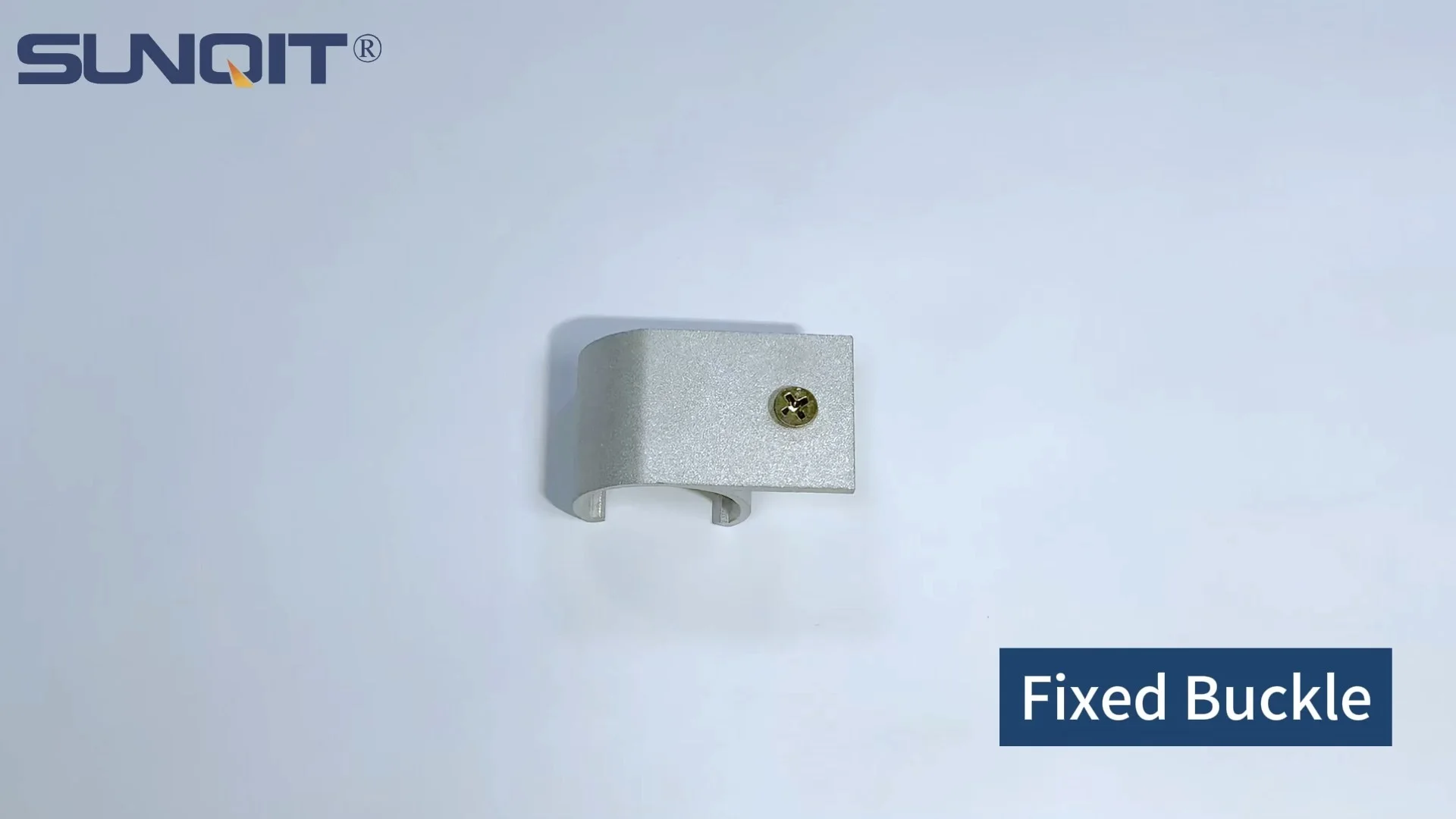
Aluminum Pipe Clamp
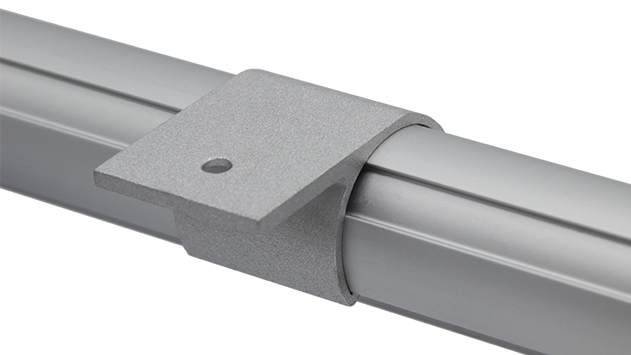
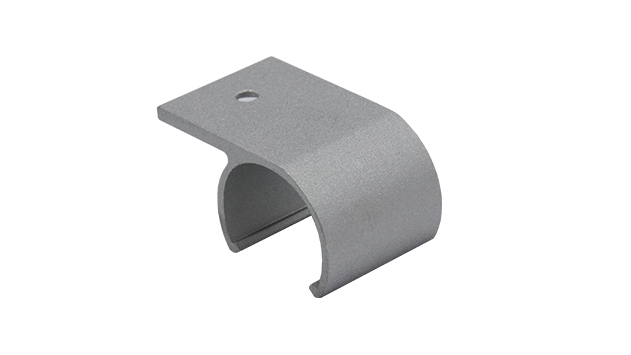
Aluminum pipe side clamp used for 28mm aluminum pipe connect with table top, or other accessories.
The Backbone of Efficient Storage: Why Sturdy Material Racks Matter
Walk into any well-run workshop, factory, or warehouse, and you'll notice something immediately: order. Tools have their place, materials flow smoothly from one station to the next, and there's a sense of purpose in how space is used. But behind that order lies a silent hero: the material rack. These unassuming structures hold everything from raw components to finished products, keeping floors clear and workflows uninterrupted. Yet, not all racks are created equal. A flimsy rack that wobbles under weight or sags over time can turn a productive space into a frustrating, even dangerous, one. That's where the right building blocks come in—and today, we're diving deep into one of the most critical components: aluminum pipe clamps.
Think about the last time you struggled with a storage system. Maybe it was a shelf that couldn't hold the weight of your tools, or a rack that took hours to assemble only to fall apart after a few weeks. These issues aren't just minor inconveniences; they cost time, money, and peace of mind. A sturdy material rack, on the other hand, becomes an extension of your team. It keeps materials within arm's reach, protects fragile items from damage, and adapts as your needs change. And at the heart of that sturdiness? Aluminum pipe clamps. These small but mighty fasteners are what turn basic aluminum pipes and profiles into a storage system that can handle the daily grind of a busy workspace.
In this article, we're going to explore everything you need to know about aluminum pipe clamps for material racks. From understanding their design and benefits to choosing the right type for your project, we'll cover how these unassuming components can transform your storage from chaotic to controlled. Whether you're setting up a lean pipe workbench in a small garage workshop or building a sprawling flow rack system in a manufacturing plant, the insights here will help you create a storage solution that's not just sturdy, but built to last.
Understanding Aluminum Pipe Clamps: More Than Just Fasteners
What Are Aluminum Pipe Clamps, Anyway?
At first glance, aluminum pipe clamps might seem like simple pieces of hardware. They're small, often made of metal, and designed to hold pipes together. But that simplicity is deceptive. These clamps are engineered to do more than just "hold"—they're designed to secure , stabilize , and adapt . Imagine building with Legos as an adult, but for industrial storage: aluminum pipes (or profiles) are the bricks, and clamps are the connectors that lock them into place, allowing you to create everything from a basic shelf to a complex, multi-tiered material rack.
Aluminum pipe clamps come in various shapes and sizes, each tailored to specific needs. Some are fixed, creating rigid right angles for structural stability. Others are adjustable, letting you pivot pipes or reposition components as your storage needs evolve. But regardless of their design, their core job remains the same: to turn separate pieces of aluminum into a unified, load-bearing structure. And because they're made from aluminum, they bring unique advantages to the table—advantages that make them a top choice for modern material racks.
Why Aluminum? The Material Advantage
Aluminum isn't just lightweight—it's a workhorse. When it comes to pipe clamps, this metal checks all the boxes. First, it's strong. Aluminum alloys (like those used in industrial clamps) have a high strength-to-weight ratio, meaning they can hold heavy loads without adding unnecessary bulk. That's a game-changer in spaces where every inch of floor space matters—you don't want a rack that's so heavy it's impossible to move, but you also can't compromise on strength.
Then there's corrosion resistance. Unlike steel, aluminum naturally forms a protective oxide layer that shields it from rust and wear. This makes aluminum pipe clamps ideal for environments where moisture is a concern, like warehouses near the coast or workshops that deal with liquids. You won't have to worry about clamps weakening over time due to rust, which means your rack stays sturdy longer.
And let's not forget versatility. Aluminum is easy to machine and mold, so manufacturers can create clamps in all sorts of shapes to fit different pipe sizes and connection types. Whether you're working with a basic aluminum pipe, a t-slot aluminum profile, or even a specialized aluminum lean pipe, there's a clamp designed to create a tight, secure fit. This flexibility means you're not locked into one brand or system—you can mix and match components to build exactly what you need.
Types of Aluminum Pipe Clamps: Finding the Right Fit for Your Rack
Not all material racks are the same, and neither are the clamps that hold them together. The key to building a sturdy system is choosing the right clamp for the job. Let's break down the most common types you'll encounter, and when to use each one.
Fixed Clamps: For Rock-Solid Stability
When you need a connection that won't budge, fixed clamps are your go-to. These clamps lock pipes into a specific angle—usually 90° or 45°—and stay there. They're perfect for the vertical posts and horizontal beams of your rack, where structural integrity is non-negotiable. For example, the base of a material rack (where the vertical posts meet the floor) needs to be as stable as possible. A fixed 90° aluminum pipe clamp here ensures the posts stay upright, even when the rack is loaded with heavy materials.
Fixed clamps often use set screws or bolts to tighten around the pipe, creating a grip that won't loosen over time. Some are designed with a "saddle" shape that conforms to the curve of the pipe, distributing pressure evenly and reducing the risk of damage to the aluminum. If you're building a static rack that won't need frequent reconfiguration, fixed clamps are the reliable choice.
Adjustable Clamps: For Racks That Adapt
Businesses change, and so do storage needs. Maybe you start with a small rack for prototype parts, but six months later, you're scaling up and need to add more shelves. That's where adjustable aluminum pipe clamps shine. These clamps let you pivot, rotate, or slide pipes into new positions without having to disassemble the entire rack. They're like the "swiss army knife" of clamps—versatile and ready for whatever your workflow throws at you.
One common type is the parallel adjustable clamp, which lets you connect two parallel pipes and adjust the distance between them. This is great for racks where shelf height needs to change (think: storing taller boxes one month, shorter components the next). Another popular option is the swivel clamp, which allows pipes to rotate 360°, making it easy to add angled supports or create custom configurations, like a sloped flow rack for gravity-fed material flow.
The best part? Adjustable clamps don't sacrifice strength for flexibility. They use locking mechanisms (like cam levers or wing nuts) that let you tighten the connection once you've found the perfect position. So you get the stability of a fixed clamp with the adaptability of a modular system.
Specialized Clamps: For Unique Challenges
Sometimes, standard clamps just won't cut it. That's when specialized aluminum pipe clamps come into play. These are designed for specific scenarios, like connecting different pipe sizes, adding accessories, or working in tight spaces.
For example, if you're building a flow rack that uses roller tracks to move materials, you might need a clamp that attaches the roller track to the aluminum profile. These clamps have a unique shape that fits both the track and the profile's t-slot, creating a secure connection that can handle the constant movement of items sliding along the track. Or, if you're working with a dual foundation lean management system—where two parallel pipes form the base—you'd use a parallel double-end fixed clamp to keep both pipes aligned and stable.
Another example is the heavy-duty split foot clamp, which is designed to anchor vertical posts to the floor. These clamps have a wide base that distributes weight evenly, preventing the rack from tipping over even when loaded to capacity. They're a must-have for tall racks or those holding extremely heavy items, like metal sheets or industrial tools.
| Clamp Type | Design Features | Best For | Key Benefit |
|---|---|---|---|
| Fixed 90° Clamp | Locks pipes at a 90° angle; uses set screws or bolts | Vertical posts, horizontal beams, static racks | Rock-solid stability for structural frames |
| Adjustable Swivel Clamp | 360° rotation; locking lever for angle adjustment | Sloped shelves, angled supports, reconfigurable racks | Flexibility to change angles as needs evolve |
| Parallel Adjustable Clamp | Connects two parallel pipes; sliding mechanism for width adjustment | Shelves with variable height, dual-pipe frames | Easily adjust spacing between parallel pipes |
| Heavy-Duty Split Foot Clamp | Wide base plate; anchors posts to the floor | Tall racks, heavy-load storage, high-traffic areas | Prevents tipping and stabilizes tall structures |
| Roller Track Clamp | Shaped to fit roller tracks and t-slot profiles | Flow racks, gravity-fed material systems | Securely attaches moving components to the rack frame |
Aluminum Profiles and Accessories: The Perfect Partners for Pipe Clamps
Aluminum pipe clamps are powerful on their own, but they're even better when paired with the right aluminum profiles and accessories. Think of it like baking a cake: the clamps are the eggs (holding everything together), but the profiles are the flour (the base structure), and the accessories are the sugar (adding functionality and flair). Together, they create a storage system that's not just sturdy, but tailored to your workflow.
Aluminum Profiles: The Foundation of Your Rack
Aluminum profiles (sometimes called aluminum extrusion profiles) are the "bones" of your material rack. These are long, hollow beams with a t-slot design running along their length—a feature that makes them incredibly versatile. The t-slot is like a built-in track for accessories: you can slide nuts, bolts, or clamps into it, allowing you to attach shelves, brackets, or other components anywhere along the profile, no drilling required. This is a game-changer for customization.
Profiles come in different sizes, from small 2020 (20mm x 20mm) for lightweight racks to large 4080 (40mm x 80mm) for heavy-duty applications. The size you choose depends on the weight your rack needs to hold. For example, a lean pipe workbench used for assembling small electronics might use a 3030 profile, while a material rack storing automotive parts would need a beefier 4040 or 4080 profile.
When paired with aluminum pipe clamps, profiles become even more powerful. The clamps fit into the t-slot, creating a secure connection that can be tightened or loosened as needed. This means you can add a shelf at 12 inches today and move it to 18 inches next month without cutting or welding—just slide the clamp, reposition, and tighten. It's this flexibility that makes aluminum profiles and clamps a favorite among businesses that need to adapt quickly.
Essential Accessories: Taking Your Rack to the Next Level
You've got your aluminum pipes, profiles, and clamps—but no rack is complete without the right accessories. These small add-ons turn a basic frame into a fully functional storage system. Let's look at the most useful ones, and how they work with your clamps.
End Caps: These simple plastic or aluminum covers snap onto the ends of aluminum profiles, preventing dust, debris, or fingers from getting stuck in the t-slot. They're a small detail, but they add a polished look and extend the life of your rack by keeping the profiles clean.
Joints and Connectors: While clamps handle most connections, specialized joints (like 135° aluminum pipe joints or three-way aluminum pipe joints) help create complex angles. For example, a three-way joint lets you connect three profiles at a single point, perfect for building a corner shelf or a multi-tiered rack.
Casters: Want a rack that can move? Add casters (with caster accessories like mounting plates) to the base. Aluminum pipe clamps secure the caster plates to the vertical posts, turning your static rack into a mobile cart. This is ideal for workshops where materials need to be transported from one station to another.
Roller Tracks: For flow racks, roller tracks (and their accessories, like plastic roller track guide rails) are a must. These tracks let materials slide from one end of the rack to the other, reducing the need for manual lifting. Clamps attach the tracks to the profiles, ensuring they stay aligned even with constant use.
Leveling Feet: Uneven floors? No problem. Adjustable leveling feet (like anti-slip adjustable leveling feet) screw into the base of your vertical posts, letting you tweak the height of each corner to keep the rack stable. Clamps secure the feet to the posts, so they don't twist or loosen over time.
Each accessory works hand-in-hand with your aluminum pipe clamps. For example, to attach a caster, you'd use a clamp to secure the caster's mounting plate to the bottom of a vertical profile. The clamp ensures the plate stays in place, even when the rack is rolled over rough floors. It's this seamless integration that makes the aluminum system so powerful—every piece is designed to work together.

Building Your Material Rack: A Step-by-Step Guide with Aluminum Pipe Clamps
Now that you know the "what" and "why" of aluminum pipe clamps, let's get practical. Building a material rack with these components is easier than you might think—no welding, no specialized tools, just a few basic steps. Let's walk through the process, from planning to assembly.
Step 1: Plan Your Rack
Before you start tightening clamps, take time to plan. Ask yourself: What will the rack hold? How much weight does it need to support? Where will it go? Answering these questions will help you choose the right materials and dimensions.
For example, if you're building a rack for small electronic components, a simple 4-foot tall, 3-foot wide frame with two shelves might suffice. But if you're storing heavy metal parts, you'll need thicker profiles (like 4080 aluminum extrusion profiles), heavier-duty clamps, and a wider base for stability. Sketch your design on paper, noting the height, width, depth, and number of shelves. Don't forget to account for the space between shelves—you want enough room to easily access materials without wasting vertical space.
Pro tip: When calculating weight capacity, err on the side of caution. A rack that's rated for 500 lbs per shelf will feel much more secure than one that's pushing its limits at 300 lbs. Aluminum pipe clamps are strong, but the overall strength of the rack depends on the profiles, clamps, and how they're arranged.
Step 2: Gather Your Materials
Once you have a plan, it's time to gather your components. Here's a checklist to get you started:
- Aluminum profiles (cut to your desired length—most suppliers will cut them for you)
- Aluminum pipe clamps (fixed, adjustable, or specialized, based on your design)
- Aluminum profile accessories (end caps, leveling feet, casters, roller tracks, etc.)
- Basic tools: Allen wrench (for tightening clamp screws), tape measure, level, rubber mallet (to gently tap clamps into place)
Double-check that your clamps fit your profiles—most clamps are labeled by profile size (e.g., "for 4040 aluminum profile"), so matching them up is easy. If you're unsure, ask your supplier for a sample or compatibility chart.
Step 3: Assemble the Frame
Start with the base frame. Lay out your vertical posts and horizontal beams on a flat surface. For a simple rectangular frame, connect the bottom horizontal beams to the vertical posts using fixed 90° clamps. Slide the clamps into the t-slot of the horizontal beam, position the vertical post, and tighten the set screw with your Allen wrench. Do this for all four corners, then stand the frame upright. Use a level to ensure the frame is square—if it's wobbly, check that the clamps are tight and the posts are plumb.
Next, add the top horizontal beams to complete the frame. This adds rigidity and prevents the vertical posts from bowing outward under weight. Again, use fixed clamps for these connections—you want the top frame to be just as stable as the bottom.
Step 4: Add Shelves and Accessories
With the frame up, it's time to add shelves. Measure and mark where you want each shelf to go, then attach adjustable clamps to the vertical posts at those marks. Slide the horizontal shelf beams into the clamps, level them, and tighten the clamps. If you're using a t-slot profile, you can adjust the shelf height later by loosening the clamps and sliding them up or down—no need to start over!
For accessories like roller tracks, attach them to the shelf beams using specialized roller track clamps. These clamps fit into the track's mounting holes and the profile's t-slot, creating a secure connection. Make sure the tracks are sloped slightly (about 5°) to let materials slide easily—too steep, and items might slide too fast; too flat, and they won't move at all.
Finally, add casters (if using) or leveling feet to the base. Casters should be mounted on opposite corners (with brakes) to keep the rack from rolling when in use. Leveling feet are adjusted by turning the foot until the rack is stable on uneven floors.
Step 5: Test and Adjust
Once everything is assembled, give your rack a test. Place some weight on the shelves (start with lighter items, then gradually add more) to see how it holds. Check for wobbling, sagging, or loose clamps. If a shelf sags, tighten the clamps or add a center support beam (using a three-way joint or additional vertical post). If the rack leans, adjust the leveling feet or check that the base frame is square.
Don't skip this step! Testing ensures your rack is safe and sturdy before you start using it daily. It's better to catch a loose clamp now than to have a shelf collapse later.
Real-World Applications: How Businesses Are Using Aluminum Pipe Clamps to Transform Storage
Talk is cheap—let's look at how real businesses are putting aluminum pipe clamps and material racks to work. These examples show just how versatile and impactful these systems can be.
Case Study 1: A Small Electronics Workshop
Maria runs a small workshop that assembles custom circuit boards. Her space is tight—just 500 square feet—but she needs to store components, tools, and finished products. Before switching to aluminum, she used wooden shelves that were heavy, hard to adjust, and started to warp after a few months. "I was always moving things around to make space, and the shelves couldn't hold the weight of my soldering equipment without sagging," she says.
Maria invested in a lean pipe workbench (built with aluminum profiles, pipes, and clamps) and a small flow rack for components. The workbench has adjustable shelves that let her raise or lower tools as needed, and the flow rack uses roller tracks to feed components to her assembly station. "The clamps make it so easy to reconfigure," she says. "Last month, I added a new shelf for my 3D printer by just sliding a few clamps and tightening them. The whole thing took 10 minutes, and it's rock-solid."
Best of all, the aluminum system is lightweight enough that she can move the flow rack with casters when she needs extra floor space for large projects. "I used to think sturdy meant heavy, but this rack holds all my components and is still easy to move. It's like having a storage system that grows with me."
Case Study 2: A Mid-Size Manufacturing Plant
A automotive parts manufacturer was struggling with material flow on their assembly line. Parts were stored in bulk on pallets, and workers had to walk back and forth to retrieve what they needed—a process that wasted hours each day. The plant manager, Raj, decided to invest in a series of flow racks built with aluminum profiles, pipe clamps, and roller tracks.
"We needed racks that could handle heavy metal parts but also be reconfigured when we switch production lines," Raj explains. "Aluminum pipe clamps were the key. We built 10 flow racks, each with adjustable shelves and roller tracks, and they've cut our material retrieval time by 40%."
The racks are built with 4080 aluminum profiles and heavy-duty split foot clamps to anchor them to the floor. The roller tracks, attached with specialized clamps, let parts slide down to the assembly line as needed, so workers never have to leave their stations. "We even added barcode labels to the shelves, and the whole system integrates with our inventory software. It's not just storage—it's part of our workflow now."
Why Invest in Quality Aluminum Pipe Clamps? Long-Term Benefits That Save You Money
It's tempting to cut costs with cheap clamps or generic hardware, but when it comes to material racks, quality matters. Here's why investing in high-quality aluminum pipe clamps pays off in the long run.
Durability: A good clamp will last for years, even with daily use. Cheap clamps might save you a few dollars upfront, but they'll loosen, bend, or corrode quickly—meaning you'll spend more replacing them (and potentially repairing damaged racks) down the line.
Safety: A rack that fails can cause injuries or damage to materials. Quality clamps are tested to meet industrial standards, ensuring they can hold their rated weight without failing. This peace of mind is priceless.
Flexibility: High-quality clamps are designed to work with a range of profiles and accessories, so you can expand or reconfigure your rack system as your business grows. Cheap clamps often have proprietary designs that lock you into one brand or system, limiting your options.
Time Savings: Ever spent an hour fighting with a clamp that won't tighten or keeps slipping? Quality clamps are easy to install and adjust, saving you time during assembly and reconfiguration. When you're running a business, time is money—and quality clamps give you more of both.
Choosing the Right Supplier: What to Look For
Now that you're sold on aluminum pipe clamps, how do you find a supplier you can trust? Here are the key factors to consider:
Product Range: Look for a supplier that carries a wide range of clamps, profiles, and accessories. This ensures you can get everything you need from one place, simplifying ordering and ensuring compatibility.
Quality Certifications: Reputable suppliers will have certifications (like ISO 9001) that guarantee their products meet strict quality standards. Ask to see these certifications—if a supplier can't provide them, move on.
Customer Support: Building a rack can be tricky, especially if you're new to aluminum systems. A good supplier will have a knowledgeable team that can help you choose the right clamps, answer questions, and even provide assembly guides.
Sample Availability: If you're unsure about a clamp's fit or strength, ask for a sample. Testing a clamp with your profiles before buying in bulk can save you from costly mistakes.
Conclusion: Building a Storage System That Grows With You
Material racks might not be the most glamorous part of running a business, but they're the foundation of efficiency. And at the heart of a great rack system are aluminum pipe clamps—small, unassuming components that turn basic materials into something sturdy, flexible, and built to last.
Whether you're a small workshop owner like Maria or managing a large manufacturing plant like Raj, aluminum pipe clamps offer the strength, versatility, and durability you need to keep your space organized and your workflow smooth. They're not just fasteners—they're partners in growth, adapting as your business changes and ensuring you're always ready for what's next.
So, the next time you look at your storage system, think about the clamps holding it together. Are they up to the task? If not, it might be time to make the switch to aluminum. Your future self (and your bottom line) will thank you.