- Company Articles
- Products and Technology
- Product knowledge
- Aluminum Pipe Clamps for Medical Device Racks: Sterility & Safety

Aluminum Pipe Clamps for Medical Device Racks: Sterility & Safety
Related Product
Aluminum Pipe Clamp
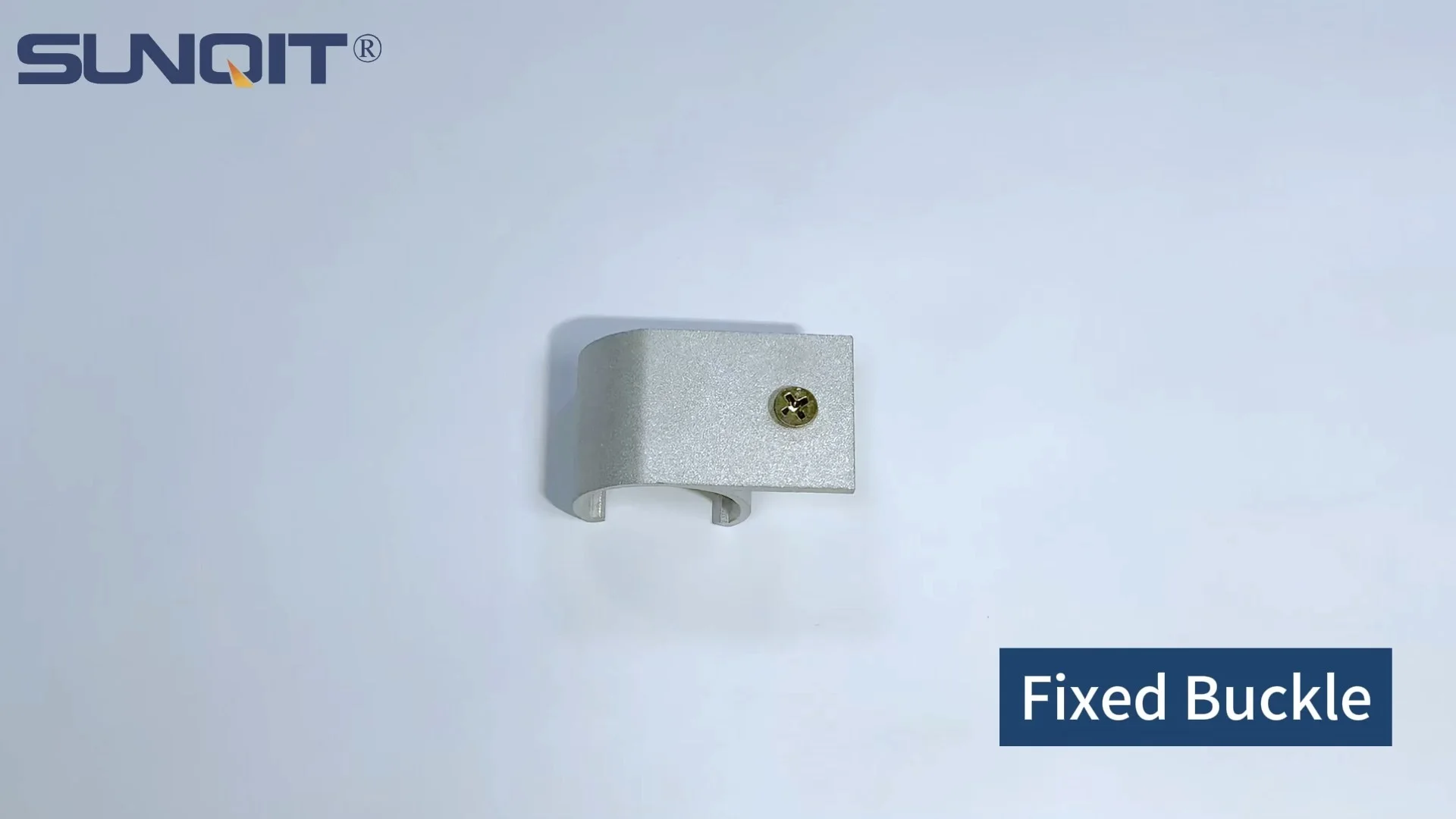
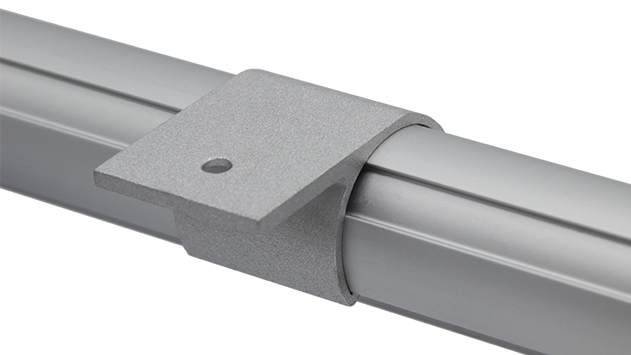
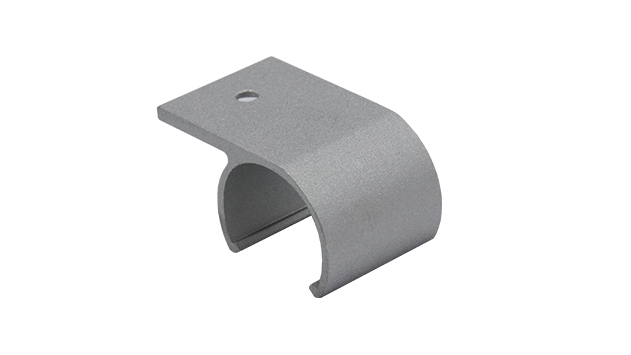
Aluminum pipe side clamp used for 28mm aluminum pipe connect with table top, or other accessories.
In the fast-paced world of healthcare, every detail matters—especially when it comes to storing and organizing medical devices. From surgical tools to diagnostic equipment, the way these items are housed directly impacts patient safety, staff efficiency, and compliance with strict industry regulations. Among the many components that contribute to a reliable storage system, aluminum pipe clamps stand out as unsung heroes. These unassuming connectors play a critical role in building sturdy, sterile, and safe medical device racks, workbenches, and workstations. In this article, we'll explore why aluminum pipe clamps have become the go-to choice for healthcare facilities, how their design prioritizes sterility and safety, and how they integrate with essential accessories and systems like aluminum lean pipe and ESD workstations to create environments that meet the highest standards of care.
The Critical Need for Sterile and Safe Medical Storage
Medical device storage is not just about organization—it's a matter of life and death. Contaminated tools can lead to hospital-acquired infections (HAIs), which affect millions of patients annually and increase healthcare costs by billions of dollars. Similarly, unstable storage systems can result in equipment damage, delays in procedures, or even physical harm to staff. Regulatory bodies like the FDA and CDC have strict guidelines in place, mandating that storage solutions be easy to clean, resistant to corrosion, and designed to prevent bacterial growth. This is where the choice of materials and components becomes paramount. Traditional storage systems, often made of wood or low-grade steel, fall short: wood harbors bacteria, and steel can rust, creating crevices where pathogens thrive. Enter aluminum pipe clamps and aluminum lean pipe systems—materials and components engineered to address these challenges head-on.
Aluminum, by nature, is non-porous and resistant to corrosion, making it inherently easier to sanitize than other materials. When paired with precision-engineered clamps, it forms a storage infrastructure that minimizes risk while maximizing functionality. For example, in surgical suites, where tools must be readily accessible yet sterile, racks built with aluminum pipe and clamps ensure that instruments are stored in a way that reduces contamination risks. In laboratories, where sensitive equipment and samples require protection from electrostatic discharge (ESD), aluminum systems integrate seamlessly with ESD workstations, adding another layer of safety. The key, however, lies in the clamps themselves—their design, material composition, and compatibility with other components—all of which directly influence the system's ability to maintain sterility and safety.
Why Aluminum? The Material Advantage in Medical Settings
Before diving into the specifics of aluminum pipe clamps, it's important to understand why aluminum has become the material of choice for medical storage. Unlike steel, which is prone to rust and requires frequent maintenance, aluminum is naturally corrosion-resistant. This resistance stems from its ability to form a thin, protective oxide layer when exposed to air, preventing further degradation. In environments where frequent cleaning with harsh disinfectants is necessary—think operating rooms and intensive care units—this property is invaluable. Aluminum won't chip, flake, or degrade when exposed to bleach, alcohol, or other common sanitizing agents, ensuring the storage system remains intact and safe over time.
Another critical advantage is aluminum's lightweight nature. Medical staff often need to reconfigure storage racks or move equipment to adapt to changing patient needs. Heavy steel systems can be cumbersome, increasing the risk of strain or injury. Aluminum, being roughly one-third the weight of steel, allows for easy adjustments without sacrificing strength. This balance of lightness and durability is especially important in mobile units, such as turnover trolleys or portable workbenches, where maneuverability is key. Additionally, aluminum is non-magnetic, making it suitable for use near MRI machines and other sensitive equipment—a feature that steel simply cannot match.
Perhaps most importantly for sterility, aluminum has a smooth, non-porous surface. Unlike materials with joints or crevices, aluminum pipes and clamps can be wiped down thoroughly, leaving no hiding spots for bacteria or viruses. This is a stark contrast to wood, which absorbs moisture and creates biofilm, or even some plastics, which can develop micro-scratches over time that harbor pathogens. When combined with aluminum pipe accessories like end caps and smooth connectors, the entire system becomes a closed, easy-to-clean unit that meets the strictest hygiene standards.
Aluminum Pipe Clamps: Designing for Sterility
At the heart of any aluminum storage system are the clamps—the connectors that hold the aluminum lean pipe and profiles together. But not all clamps are created equal, especially when sterility is on the line. Medical-grade aluminum pipe clamps are designed with specific features to minimize contamination risks, starting with their physical structure. Unlike generic clamps, which may have rough edges, threads, or crevices, medical-grade clamps are engineered with smooth, rounded surfaces. This eliminates areas where dust, moisture, or pathogens can accumulate, making cleaning a straightforward process. For example, a 90° aluminum pipe joint inside connection is crafted to fit flush with the pipe, creating a seamless transition that leaves no gaps for bacteria to hide. Similarly, 45° aluminum pipe joints are designed with precision to ensure tight, crevice-free connections, even at angles.
Another key design element is the absence of threaded fasteners or exposed screws. Traditional clamps often rely on bolts or nuts, which can loosen over time and create small gaps. Medical-grade aluminum clamps, however, use friction-based or cam-lock mechanisms that secure the joint without the need for external hardware. This not only reduces the risk of contamination but also ensures a more stable connection that won't loosen with repeated cleaning or movement. Take, for instance, the parallel aluminum joint a—this clamp uses internal pressure to grip the aluminum pipe, creating a tight seal that's both secure and easy to sanitize. Even better, many clamps are anodized, a process that enhances the aluminum's natural oxide layer, making it even more resistant to corrosion and easier to clean.
ESD (Electrostatic Discharge) protection is another area where aluminum pipe clamps shine, particularly in environments where sensitive medical electronics are stored. ESD workstations, which are critical for preventing static electricity from damaging devices like pacemakers or diagnostic sensors, rely on conductive materials to dissipate static charges. Aluminum, being a conductor, works seamlessly with ESD-safe components, and specialized clamps can be designed to maintain this conductivity throughout the system. For example, clamps with metal-to-metal contact ensure that the entire rack or workbench is grounded, protecting both the equipment and the patients who depend on it. This integration of sterility and ESD protection makes aluminum pipe clamps a versatile choice for a wide range of medical settings.
Safety First: How Clamps Enhance Stability and Load Capacity
While sterility is critical, safety—both for the equipment and the staff handling it—cannot be overlooked. A storage rack that collapses under the weight of medical devices is not just a risk to the equipment; it can cause serious injury to anyone nearby. Aluminum pipe clamps are engineered to provide exceptional stability, starting with their load-bearing capacity. Medical device racks often hold heavy items, from metal surgical tools to bulky monitors. High-quality clamps, such as the parallel fixation aluminum pipe joint, are tested to withstand significant weight, ensuring that even fully loaded racks remain secure. Manufacturers typically provide load ratings for their clamps, allowing facilities to design systems that stay within safe limits. For example, a standard aluminum pipe clamp might support up to 50kg per joint, making it suitable for most medical tools, while heavy-duty variants can handle over 100kg for larger equipment.
Stability is also enhanced by the precision of the clamp's fit. A loose clamp can cause the rack to wobble, increasing the risk of tipping. Medical-grade clamps are designed to grip the aluminum pipe tightly, often using a combination of friction and mechanical locking. The internal rotatary aluminum joint, for instance, allows for adjustability while maintaining a secure hold, ensuring that the rack remains stable even when reconfigured. Additionally, many clamps feature anti-slip designs, such as rubberized grips or textured surfaces, which prevent the pipe from sliding within the clamp. This is especially important in mobile units, like turnover trolleys, which are moved frequently and need to stay stable during transport.
Another safety consideration is the clamp's resistance to wear and tear. In busy medical facilities, storage systems are used constantly—racks are loaded and unloaded, workbenches are adjusted, and trolleys are moved multiple times a day. Over time, this can cause generic clamps to degrade, leading to loosening or failure. Aluminum pipe clamps, however, are built to withstand repeated use. The aluminum material itself is durable, and clamps are often reinforced at stress points to prevent cracking. For example, the 90° aluminum crossing joint is designed with extra material at the intersection, where pressure is highest, ensuring it remains strong even after years of use. This longevity not only reduces the risk of accidents but also lowers maintenance costs, as clamps don't need to be replaced as frequently.

Types of Aluminum Pipe Clamps: Choosing the Right Fit
Aluminum pipe clamps come in a variety of shapes and sizes, each designed for specific applications. Understanding the different types can help healthcare facilities design storage systems that are both functional and safe. Below is an overview of some common clamp types and their uses in medical settings:
1. 90° Aluminum Pipe Joints
As the name suggests, these clamps connect two aluminum pipes at a right angle, making them ideal for building the corners of racks, workbenches, or shelving units. The 90° aluminum pipe joint inside connection is particularly popular in medical settings because it fits flush against the pipe, creating a smooth, crevice-free surface. This design not only enhances sterility but also provides a strong, stable connection that can support vertical and horizontal loads. For example, in a material rack b (3 row and 3 floor), 90° joints are used to connect the vertical supports to the horizontal shelves, ensuring the structure remains rigid even when fully loaded with medical supplies.
2. 45° Aluminum Pipe Joints
These clamps are used when a diagonal support or angled shelf is needed, adding stability to tall racks or preventing items from sliding off inclined surfaces. The 45° aluminum pipe joint inside connection is designed to fit tightly, with a smooth exterior that's easy to clean. In surgical instrument racks, for example, 45° joints might be used to create sloped shelves that allow tools to roll forward as they're used, keeping them within easy reach while maintaining sterility.
3. Parallel Aluminum Joints
Parallel joints, such as the parallel aluminum joint a and parallel aluminum joint b, are used to connect two pipes that run alongside each other, creating reinforced supports or double-width shelves. These clamps are essential for increasing load capacity, as they distribute weight across two pipes instead of one. In a workbench e (single deck-without caster), parallel joints might be used to connect the front and back rails, ensuring the work surface can support heavy equipment like microscopes or testing devices without bending.
4. Internal Rotary Aluminum Joints
These versatile clamps allow for 360° rotation, making them perfect for adjustable systems. For example, in an ESD workstation where the height of the shelf needs to be adjusted for different users, an internal rotary aluminum joint can be loosened, repositioned, and tightened again, all without compromising sterility or stability. The smooth rotation mechanism ensures that the joint remains easy to clean, even with frequent adjustments.
| Clamp Type | Design Feature | Sterility Benefit | Safety Application |
|---|---|---|---|
| 90° Aluminum Pipe Joint Inside Connection | Flush, crevice-free fit | Eliminates gaps for bacterial growth | Stable corner connections for racks/shelves |
| 45° Aluminum Pipe Joint | Angled, smooth surface | Easy to wipe down; no hidden areas | Sloped shelves to prevent item sliding |
| Parallel Aluminum Joint A | Dual-pipe grip; friction-based locking | Seamless connection; minimal hardware | Reinforced supports for heavy loads |
| Internal Rotary Aluminum Joint | 360° rotation; smooth bearing surface | Adjustable without compromising cleanliness | Flexible height/shelf positioning |
| Parallel Fixation Aluminum Pipe Joint | Reinforced stress points; cam-lock mechanism | No exposed screws; easy to sanitize | High load capacity for bulky equipment |
Aluminum Pipe Accessories: Completing the Sterile System
Aluminum pipe clamps are just one part of a larger ecosystem of components that work together to create a sterile, safe storage system. Aluminum pipe accessories play a crucial role in enhancing both functionality and hygiene, turning a basic set of pipes and clamps into a fully integrated solution. Let's explore some key accessories and how they contribute to medical storage systems:
End Caps and Covers
The ends of aluminum pipes can be sharp or open, creating both a contamination risk and a safety hazard. Aluminum pipe end caps, often made of food-grade plastic or rubber, fit snugly over the pipe ends, sealing them off. This prevents dust, moisture, or pathogens from entering the pipe and eliminates sharp edges that could cut staff. For example, a 4040 aluminum profile end cap is designed to fit perfectly on standard aluminum profiles, ensuring a tight, hygienic seal.
Pipe Clamps and Holders
While the main clamps connect pipes to each other, additional aluminum pipe clamps can be used to attach accessories like shelves, hooks, or bins. These clamps are designed to grip the pipe securely while providing a mounting point for other components. For instance, a pipe clamp with a flat base can be used to attach a stainless steel tray to a rack, creating a surface for storing small tools. The key here is that these clamps are also designed with sterility in mind—smooth surfaces, no crevices, and easy to clean.
Casters and Wheels
For mobile systems like turnover trolleys, casters are essential. Aluminum pipe systems can be equipped with caster wheels and accessories, such as brake mechanisms, to ensure stability when stationary and maneuverability when moving. Medical-grade casters are often made of non-marking rubber to prevent floor scratches and are designed to be easy to clean, with sealed bearings that won't trap dirt or bacteria. For example, a workbench e (single deck-without caster) can be converted into a mobile unit by adding casters with aluminum pipe clamp mounts, allowing it to be moved between operating rooms as needed.
Anti-Slip Feet
For stationary systems like workbenches or material racks, anti-slip feet are critical for preventing movement. Aluminum foot bases with suction cup antiskid foundations grip the floor securely, even when the rack is loaded. This is especially important in environments where floors may be wet from cleaning, reducing the risk of slips and falls. These feet are also adjustable, allowing the rack to be leveled on uneven surfaces, further enhancing stability.
Workbench Integration: Creating Sterile, Functional Spaces
Medical workbenches are central to many healthcare tasks, from preparing surgical tools to assembling diagnostic kits. Aluminum pipe clamps and aluminum lean pipe are ideal for building custom workbenches that meet the unique needs of each department. A workbench constructed with aluminum pipe offers several advantages: it's lightweight yet sturdy, easy to clean, and highly customizable. For example, a workbench a can be designed with adjustable shelves, integrated ESD protection, and a smooth aluminum honeycomb panel top that's resistant to stains and scratches.
The role of aluminum pipe clamps in workbench design is to connect the frame, shelves, and accessories into a cohesive unit. Using 90° and parallel joints, the frame can be built to the exact dimensions needed, while internal rotary joints allow for adjustable shelves. Adding aluminum pipe accessories like end caps and anti-slip feet ensures the workbench is both sterile and safe. Even better, if the needs of the department change—say, a new piece of equipment requires a wider surface—the workbench can be reconfigured by simply adjusting the clamps, avoiding the need to replace the entire unit.
ESD workstations, which are used in areas where static electricity could damage sensitive medical devices, benefit greatly from aluminum's conductive properties. By using aluminum pipe clamps to connect the frame and grounding the system, the workstation can dissipate static charges safely. For example, a workbench with an aluminum top and frame, connected via 90° aluminum pipe joints, can be grounded to a hospital's electrical system, ensuring that any static buildup is redirected away from the equipment. This integration of sterility, safety, and functionality makes aluminum pipe systems a top choice for medical workbenches.
Real-World Applications: How Healthcare Facilities Benefit
To truly understand the impact of aluminum pipe clamps in medical settings, let's look at some real-world examples. In a large urban hospital, the surgical department was struggling with disorganized instrument storage. Their previous steel racks were heavy, difficult to clean, and prone to rust, leading to frequent HAIs. After switching to a system built with aluminum lean pipe, 90° aluminum pipe joints, and parallel aluminum joints, they saw a 40% reduction in contamination incidents within six months. The smooth, easy-to-clean surfaces of the aluminum pipes and clamps made daily sanitization faster and more effective, while the lightweight design allowed staff to reconfigure the racks to accommodate different surgical tools.
In a pediatric clinic, space is often at a premium. The clinic needed mobile workstations that could be moved between exam rooms but still meet sterility standards. They opted for turnover trolleys built with aluminum pipe, internal rotary aluminum joints, and caster wheels with brake mechanisms. The trolleys, which store vaccines and small tools, are now easily sanitized between patients, and the adjustable shelves (made possible by the rotary joints) allow staff to customize the storage for each exam's needs. The lightweight design also reduces the risk of injury when moving the trolleys, a critical factor in a busy clinic.
A research laboratory specializing in medical device development required ESD workstations to protect sensitive electronics. By using aluminum pipe clamps to build the workstation frames and integrating aluminum honeycomb panels for the work surface, they created a system that dissipates static charges while remaining easy to clean. The 45° aluminum pipe joints allowed for angled shelves that keep tools within reach, and the parallel aluminum joints reinforced the structure to support heavy testing equipment. The result? A 50% reduction in device damage due to static discharge, saving the lab thousands of dollars in replacement costs.
Maintenance Tips: Keeping Your System Sterile and Safe
While aluminum pipe systems are designed to be low-maintenance, proper care is still essential to ensure they remain sterile and safe over time. Here are some key maintenance tips:
Regular Cleaning: Wipe down aluminum pipes and clamps daily with a mild disinfectant. Avoid abrasive cleaners, which can scratch the surface and create areas for bacteria to grow. For tough stains, use a soft cloth and a non-corrosive cleaner specifically designed for aluminum.
Inspect Clamps for Tightness: Check clamps weekly to ensure they're still tight. Loose clamps can compromise stability and sterility. Use a torque wrench if necessary to ensure consistent tightness across all joints.
Lubricate Moving Parts: For adjustable clamps like the internal rotary aluminum joint, apply a small amount of food-grade lubricant to the moving parts quarterly. This keeps the joint easy to adjust and prevents corrosion.
replace Worn Accessories: End caps, casters, and anti-slip feet can wear out over time. replace them as soon as they show signs of damage to maintain sterility and safety.
Train Staff on Proper Use: Ensure all staff know how to adjust the system safely and clean it correctly. This reduces the risk of accidental damage and ensures the system is used as intended.
Choosing the Right Supplier: Quality Matters
The quality of aluminum pipe clamps and accessories directly impacts the sterility and safety of your storage system. When selecting a supplier, look for companies that specialize in medical-grade components. They should be able to provide certifications, such as ISO 13485 (medical device quality management), and test reports for load capacity, corrosion resistance, and ESD protection. A reputable supplier will also offer custom solutions, working with you to design a system that meets your facility's unique needs. Don't hesitate to ask for references from other healthcare facilities—this can give you valuable insight into the supplier's reliability and the performance of their products.
Price is also a consideration, but it shouldn't be the only factor. While generic clamps may be cheaper upfront, they often lack the design features needed for medical settings, leading to higher long-term costs due to maintenance, replacements, or even accidents. Investing in high-quality aluminum pipe clamps and aluminum pipe accessories from a trusted supplier is an investment in patient safety and staff efficiency.
Conclusion: The Future of Medical Storage
Aluminum pipe clamps may seem like small components, but their impact on medical device storage is profound. By prioritizing sterility through smooth, crevice-free designs and enhancing safety with stable, load-bearing joints, these clamps help healthcare facilities meet the highest standards of care. When combined with aluminum lean pipe, aluminum pipe accessories, and ESD workstations, they create systems that are not only functional but also adaptable to the ever-changing needs of healthcare.
As the healthcare industry continues to evolve, the demand for sterile, safe, and customizable storage solutions will only grow. Aluminum pipe clamps, with their unique blend of durability, hygiene, and versatility, are poised to remain at the forefront of this evolution. Whether in a busy hospital, a small clinic, or a research lab, these unassuming connectors play a vital role in ensuring that medical devices are stored safely, staff can work efficiently, and patients receive the best possible care.
In the end, it's the attention to detail—the choice of materials, the precision of design, the commitment to safety—that makes all the difference. And in healthcare, that difference can save lives.