- Company Articles
- Products and Technology
- Product knowledge
- Aluminum Pipe Clamps for Modular Workbenches: Flexible Workspace Design

Aluminum Pipe Clamps for Modular Workbenches: Flexible Workspace Design
Related Product
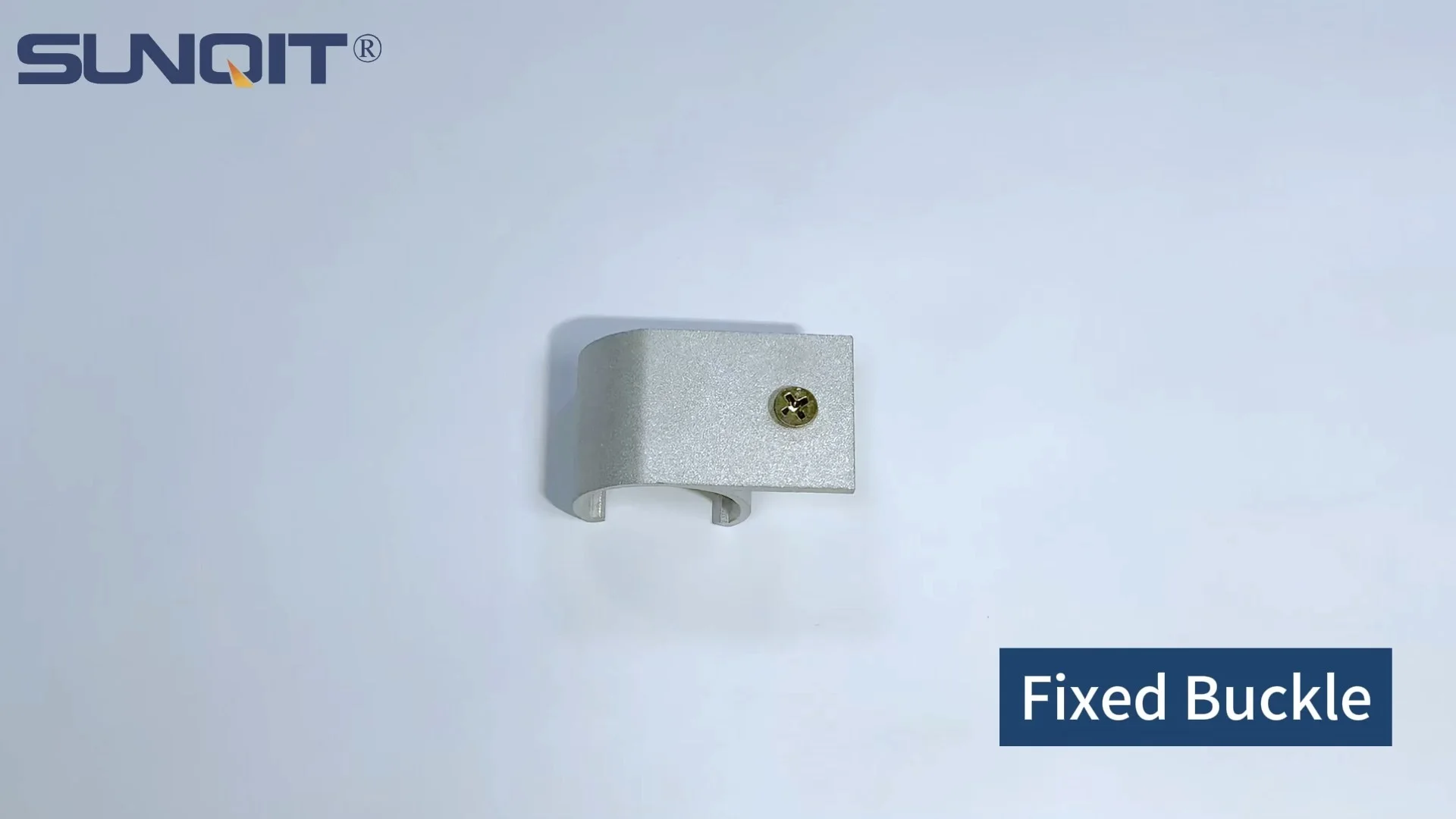
Aluminum Pipe Clamp
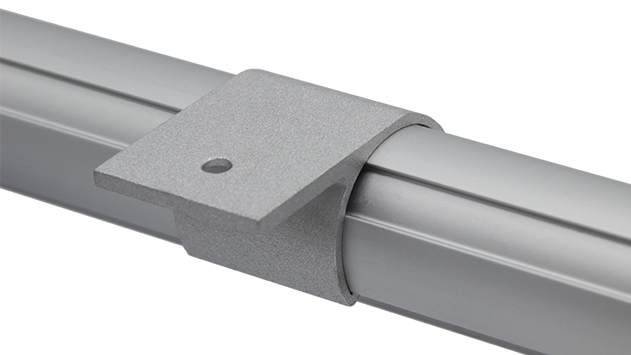
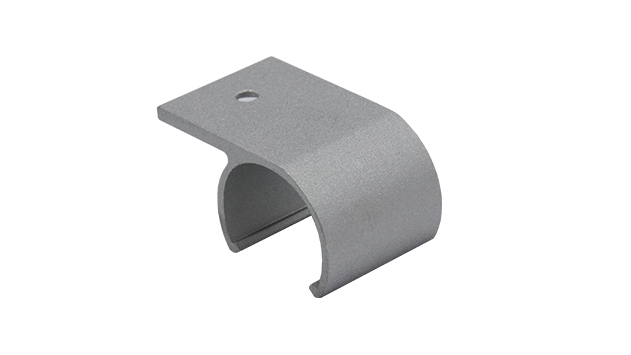
Aluminum pipe side clamp used for 28mm aluminum pipe connect with table top, or other accessories.
The Evolution of Workspace Flexibility
In today's fast-paced manufacturing facilities, workshops, and even home garages, the ability to adapt quickly isn't just a luxury—it's a necessity. Traditional workspaces, with their fixed benches, rigid shelving, and one-size-fits-all layouts, often struggle to keep up with changing project demands, team sizes, or production goals. This is where modular design steps in, offering a dynamic solution that grows, shifts, and transforms alongside your work. At the heart of this revolution lies a seemingly simple component: the aluminum pipe clamp. These unassuming connectors are the glue that holds flexible workspaces together, turning basic aluminum pipes and profiles into custom workbenches, material racks, and mobile trolleys that adapt to your needs in minutes, not days.
Consider a small electronics assembly line that produces both consumer gadgets and industrial components. One week, they're assembling small circuit boards that require close-quarters precision; the next, they're scaling up to larger, bulkier devices that need more surface area and better material flow. A fixed workbench would force them to choose between inefficiency or expensive, time-consuming renovations. But with modular workbenches built using aluminum pipe clamps, they can reconfigure the workspace overnight—adding shelves, adjusting heights, or even splitting a single bench into two smaller stations. That's the power of flexibility, and it all starts with the right clamps.
What Are Aluminum Pipe Clamps, Anyway?
At their core, aluminum pipe clamps are mechanical fasteners designed to connect aluminum pipes, profiles, or tubes into stable, load-bearing structures. Unlike welded joints or permanent adhesives, these clamps create temporary yet robust connections that can be disassembled, repositioned, and reused without damaging the underlying materials. Think of them as the building blocks of modular design—simple, versatile, and surprisingly strong.
Most aluminum pipe clamps are made from high-grade aluminum alloys, like 6061 or 6063, chosen for their winning combination of lightweight strength and corrosion resistance. This makes them ideal for both indoor workshops and outdoor settings, where exposure to moisture or chemicals might degrade steel or plastic alternatives. Many clamps also feature anodized finishes, which add a protective layer that resists scratches, wear, and oxidation—critical for maintaining durability in busy manufacturing environments.
But what really sets aluminum pipe clamps apart is their design diversity. From fixed 90° joints that create rigid right angles to swivel connectors that allow 360° rotation, there's a clamp for nearly every configuration. Some are designed to grip pipes tightly with friction, while others use bolts or set screws for extra security. This variety means you're not limited to a single type of structure; whether you need a sturdy workbench, a rolling material cart, or a multi-tiered storage rack, the right clamp can make it happen.
Types of Aluminum Pipe Clamps: Finding the Right Fit
Not all clamps are created equal. The key to building an effective modular workspace is choosing the right clamp for the job, based on your load requirements, desired flexibility, and the type of aluminum profile you're using. Let's break down some of the most common types and how they're used:
Fixed-Angle Clamps
As the name suggests, fixed-angle clamps lock pipes into a specific position—most commonly 90° for square or rectangular structures like workbench frames. These are the workhorses of modular design, providing stability for vertical supports, horizontal beams, and corner joints. A 90° fixed clamp might connect the legs of a workbench to its tabletop frame, ensuring the structure stays square even under heavy loads (we're talking up to 50 kg per joint in some cases).
Swivel or Rotating Clamps
For applications that need adjustability, swivel clamps are a game-changer. These clamps allow pipes to rotate around a central axis, making them perfect for articulating arms, adjustable shelves, or tiltable work surfaces. Imagine a workbench where the tool rack can swing out of the way when not in use, or a material shelf that tilts to angle parts toward the operator—swivel clamps make that possible. Some models even lock into place once adjusted, combining flexibility with stability.
Parallel Clamps
When you need to connect two parallel pipes—like the side rails of a material rack or the crossbars of a trolley—parallel clamps are the way to go. These clamps maintain a fixed distance between pipes, ensuring even weight distribution and preventing sagging over time. They're especially useful for long spans, where keeping pipes aligned is critical for load-bearing capacity.
Internal vs. External Joints
Clamps also differ in how they attach to pipes. External joints wrap around the outside of the pipe, making them easy to install and adjust. Internal joints, on the other hand, fit inside the pipe's hollow core, creating a sleeker, more streamlined look—ideal for workspaces where aesthetics or space constraints matter. Internal rotatory aluminum joints, for example, allow for rotation without adding bulk, making them popular in tight, precision-focused environments like electronics assembly.
To help visualize the differences, here's a quick comparison of common clamp types:
| Clamp Type | Primary Use Case | Max Load Capacity (Per Joint) | Flexibility | Best For |
|---|---|---|---|---|
| Fixed 90° Clamp | Right-angle connections (e.g., workbench corners) | 40–60 kg | Low (fixed position) | Stable frames, vertical supports |
| Swivel Joint | Adjustable angles (e.g., tilting shelves) | 20–40 kg | High (360° rotation, lockable) | Tool racks, articulating arms |
| Parallel Clamp | Connecting parallel pipes (e.g., material rack rails) | 50–70 kg | Moderate (fixed spacing, adjustable position) | Long spans, dual-rail structures |
| Internal Rotary Joint | Rotating connections with minimal bulk | 15–30 kg | Very High (smooth 360° rotation) | Precision workbenches, tight spaces |
Building Modular Workbenches: Clamps in Action
Now that we understand what aluminum pipe clamps are, let's dive into their most popular application: modular workbenches. These workbenches are more than just tables—they're customizable hubs that adapt to the task at hand, and clamps are what make that customization possible.
Start with the basics: a simple workbench frame. Using 40mm aluminum pipes (a common size for medium-duty applications) and fixed 90° clamps, you can assemble a sturdy base in under an hour. Add a wooden or metal top, and you've got a functional workspace. But the real magic happens when you start adding accessories—all connected, of course, with clamps. Need a shelf for tools? Attach a few short pipes to the frame using parallel clamps. Want to keep parts within arm's reach? Add a swivel-mounted tool rack with rotating clamps. Even casters (those handy wheels that make benches mobile) can be bolted on using clamp-compatible mounting plates. Suddenly, your "basic" workbench becomes a specialized station tailored to your workflow.
Take the "Workbench E (Single Deck–Without Caster)" from many modular system catalogs. On paper, it's a simple, stationary bench. But with the right clamps, it can transform into a mobile workstation by adding casters, or a double-deck bench by stacking another level with parallel clamps. If your team works with electrostatic-sensitive devices (like circuit boards), you can even add an ESD (electrostatic discharge) mat and ground it to the frame—all without drilling holes or welding. That's the beauty of modularity: the workbench grows with your needs, not the other way around.
Material flow is another area where clamps shine. Many workshops use flow racks or roller tracks to move parts from one station to the next, reducing manual lifting and speeding up production. Aluminum pipe clamps make it easy to integrate these systems into your workbench. For example, attaching a plastic roller track guide rail (yellow or grey, depending on your color-coding system) to the edge of the bench using specialized clamps creates a seamless path for parts to glide from storage to assembly. No need for expensive conveyor systems—just pipes, clamps, and a few roller tracks.

Beyond Workbenches: Clamps and the Lean System Advantage
Aluminum pipe clamps aren't just for workbenches—they're foundational to lean manufacturing systems, a philosophy focused on minimizing waste and maximizing efficiency. In lean environments, every square inch of space, every minute of setup time, and every movement of materials matters. Modular structures built with clamps align perfectly with these goals by eliminating waste in three key ways:
1. Waste of Space: Traditional fixed infrastructure often leaves dead zones—areas too small for equipment but too large to ignore. Modular systems, however, use clamps to fill space efficiently. For example, a "Material Rack B (3 Row and 3 Floor)" can be sized to fit exactly the available area, with adjustable shelves that prevent overcrowding or underutilization.
2. Waste of Time: In manufacturing, downtime is costly. Reconfiguring a welded steel workbench might take a team of contractors a day; with clamps, a single operator can do it in an hour. This quick setup time reduces changeover delays between production runs, letting you switch from making Product A to Product B in record time.
3. Waste of Resources: Fixed structures are often overbuilt to "future-proof" against unknown needs, leading to excess material usage. Modular systems, by contrast, let you start small and add components as needed. If you later need a larger workbench, you can simply add more pipes and clamps instead of buying a whole new unit.
One automotive parts manufacturer we worked with reported cutting setup time by 40% after switching to modular workbenches with aluminum clamps. They used to spend hours rearranging fixed tables and racks for each new part model; now, they reconfigure the line in minutes using pre-cut pipes and color-coded clamps. The result? More production time, fewer errors, and a team that feels empowered to optimize their own workspace.
Choosing the Right Clamps: What to Look For
With so many clamp types available, how do you pick the right one for your project? Here are a few key factors to consider:
Load Capacity
First and foremost, know your weight limits. A clamp that works for a lightweight tool rack won't hold up to a bench loaded with heavy machinery. Check the manufacturer's specs for max load per joint, and err on the side of caution—if you're unsure, go with a heavier-duty clamp. Remember, the total load is distributed across multiple clamps, so a bench with four legs will have four clamps sharing the weight, but a cantilevered shelf might put all its load on just two.
Aluminum Profile Compatibility
Not all aluminum pipes or profiles are the same. They come in different sizes (like 20×20mm, 30×30mm, or 40×40mm "aluminum profiles" from industry terminology) and shapes (square, round, or T-slot). Make sure your clamps are designed for your specific profile type. T-slot profiles, for example, use clamps that slide into the slot and tighten with a screw, while round pipes use clamps with a circular grip. Mismatched clamps and profiles will lead to wobbly structures and safety risks.
Environment
Where will your workspace be located? Indoor workshops with controlled temperatures can use standard clamps, but outdoor or high-moisture environments need corrosion-resistant options. Anodized aluminum clamps are a good start, but if you're dealing with chemicals or saltwater, look for stainless steel components or specialized coatings. For ESD-sensitive areas (like electronics manufacturing), some clamps come with conductive materials to dissipate static electricity—critical for protecting delicate components.
Ease of Use
How often will you reconfigure your workspace? If you're constantly adjusting layouts, opt for clamps with tool-free adjustment (like lever-operated or hand-tightened designs). If the structure will stay put for months, bolted clamps might offer better long-term stability. Also, consider assembly time—some clamps require precise alignment, while others snap into place with minimal effort.
Aluminum Pipe Accessories: The Cherry on Top
Clamps are the stars of the show, but they rarely work alone. Aluminum pipe accessories—like end caps, caster wheels, and roller tracks—enhance the functionality of your modular system, turning basic frames into fully equipped workspaces. Let's take a quick look at some must-have accessories:
End Caps: These plastic or rubber caps fit over the ends of aluminum pipes, preventing dust buildup, protecting users from sharp edges, and giving your structure a polished look. They're small, cheap, and often overlooked—but try working in a workshop with exposed pipe ends, and you'll quickly appreciate their value.
Casters and Wheels: Adding casters to your workbench or rack turns it into a mobile unit, perfect for moving materials between stations or clearing floor space for cleaning. Look for casters with brakes for stability when in use, and make sure they're rated for your total load (bench + tools + materials).
Roller Tracks and Guide Rails: As mentioned earlier, these accessories create gravity-fed material flow, letting parts slide from one area to another without manual lifting. Plastic roller track guide rails (yellow or grey) are affordable and lightweight, while aluminum guide rails offer better durability for heavy loads.
Leveling Feet: Uneven floors can turn a sturdy workbench into a wobbly hazard. Adjustable leveling feet screw into the bottom of pipe legs, letting you tweak the height of each corner to keep the surface perfectly flat—critical for precision work like assembly or machining.
These accessories, combined with aluminum pipe clamps, transform simple pipes into holistic workspace solutions. It's like building with Legos for adults—every piece works with the others, and the only limit is your imagination.
The Future of Flexible Workspaces
As manufacturing and workspace design continue to evolve, aluminum pipe clamps and modular systems are only getting more advanced. We're already seeing innovations like smart clamps with built-in sensors that monitor load levels or alert users to loose connections—perfect for predictive maintenance. Ergonomic designs are also on the rise, with adjustable-height workbenches and angled clamps that reduce worker fatigue. And as sustainability becomes a priority, more manufacturers are using recycled aluminum in their clamps and profiles, turning waste into durable, functional components.
But perhaps the biggest trend is accessibility. Modular systems were once seen as a luxury for large factories, but today, small businesses, makerspaces, and even hobbyists can afford to build custom workspaces. With affordable aluminum pipe suppliers offering pre-cut pipes and clamp kits, anyone can create a flexible workspace that fits their budget and needs.
Final Thoughts: Build a Workspace That Works for You
At the end of the day, a workspace should support your work—not the other way around. Aluminum pipe clamps make that possible by turning rigid, static environments into dynamic, adaptable spaces that grow with your team, your projects, and your goals. Whether you're assembling electronics, woodworking, or running a full-scale manufacturing line, these simple connectors offer a level of flexibility that's hard to beat.
So, the next time you look at your workspace, ask yourself: Is this setup working for me, or am I working around it? If it's the latter, maybe it's time to explore modular design. Start small—a simple workbench with a few clamps and pipes—and see how quickly it transforms your workflow. Chances are, you'll wonder how you ever worked without it.
Remember, the best workspace isn't the one that costs the most or looks the fanciest. It's the one that adapts, evolves, and helps you do your best work. And with aluminum pipe clamps, that workspace is just a few connections away.