- Company Articles
- Products and Technology
- Solution
- Aluminum Pipe Clamps for Reconfigurable Production Lines: Lean Principles

Aluminum Pipe Clamps for Reconfigurable Production Lines: Lean Principles
Related Product
Aluminum Pipe Clamp
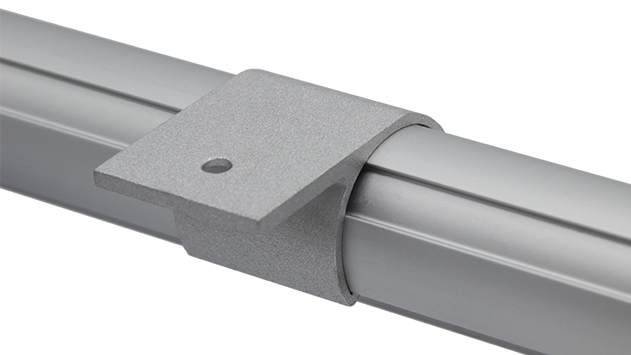
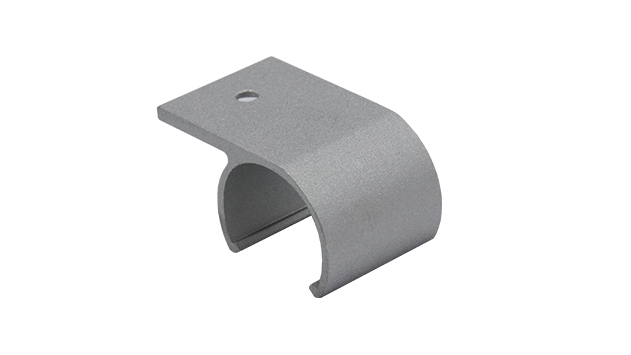
Aluminum pipe side clamp used for 28mm aluminum pipe connect with table top, or other accessories.

In today's fast-paced manufacturing landscape, where consumer demands shift overnight and product lifecycles grow shorter by the day, the ability to adapt isn't just a competitive advantage—it's a survival skill. At the heart of this adaptability lies lean manufacturing, a philosophy built on eliminating waste, streamlining processes, and fostering continuous improvement. But lean isn't just about cutting costs; it's about creating systems that can evolve with the market. Enter reconfigurable production lines: dynamic setups designed to adjust quickly to new products, volumes, or workflows. And at the center of making these lines truly "reconfigurable" are often overlooked heroes: aluminum pipe clamps. These unassuming components are the glue that holds modular manufacturing systems together, enabling the flexibility and efficiency that lean principles demand.
Understanding Lean Manufacturing: Beyond Buzzwords
Before diving into the role of aluminum pipe clamps, let's ground ourselves in what lean manufacturing really means. Coined by Toyota in the 1950s, the Toyota Production System (TPS) laid the foundation for lean by identifying seven key types of waste—overproduction, waiting, transportation, defects, inventory, motion, and overprocessing. The goal? To minimize these wastes and maximize value for the customer. Over time, lean has evolved from a set of tools (like kanban boards or 5S) into a mindset: constantly question how things are done, and never settle for "good enough."
One of the biggest challenges in modern manufacturing is aligning this mindset with the need for agility. Traditional production lines, built with fixed machinery and rigid workbenches, are the antithesis of lean—they resist change, create bottlenecks, and lock companies into inflexible processes. When a new product is introduced or demand spikes for an existing one, retooling these lines can take weeks (or months), leading to downtime, missed deadlines, and wasted resources. This is where reconfigurable production lines step in: they're designed to be modified quickly, with minimal disruption, to meet changing needs. And aluminum pipe clamps are the critical components that make this reconfiguration possible.
What Are Aluminum Pipe Clamps, and Why Do They Matter?
At first glance, aluminum pipe clamps might seem like simple hardware—just pieces of metal that hold pipes together. But their design and functionality are anything but basic. Made from lightweight yet durable aluminum alloys (often paired with aluminum profile accessories for enhanced versatility), these clamps are engineered to connect aluminum pipes, profiles, and work surfaces into modular structures. Unlike traditional welding or bolted connections, which are permanent and time-consuming to install, aluminum pipe clamps allow for tool-free (or minimal-tool) assembly, adjustment, and disassembly. Imagine building a workbench, a material rack, or even an entire assembly line by simply sliding pipes into clamps, tightening a lever or screw, and knowing it can be taken apart and rebuilt in a different configuration tomorrow—no cutting, welding, or specialized labor required.
The magic of aluminum pipe clamps lies in their modularity. They're part of a larger ecosystem of aluminum profile systems, where pipes, joints, workbenches, and accessories (like roller tracks or casters) can be mixed and matched to create custom solutions. For example, a manufacturer might use aluminum pipe clamps to build a workbench for assembling small electronics one week, then disassemble and reconfigure the same pipes and clamps into a material rack the next week when production shifts to larger components. This level of adaptability isn't just convenient—it's a direct driver of lean efficiency.
How Aluminum Pipe Clamps Support Lean Principles
Lean manufacturing isn't a one-size-fits-all approach, but its core principles—flexibility, waste reduction, and continuous improvement—are universal. Aluminum pipe clamps align with these principles in ways that traditional manufacturing components simply can't. Let's break down how:
1. Eliminating "Setup Waste" Through Rapid Reconfiguration
In lean terms, "setup waste" refers to the time and resources spent preparing a production line for a new task. Traditional setups, with fixed machinery and welded frames, require hours (or days) of downtime for retooling. Aluminum pipe clamps slash this waste by allowing workers to reconfigure workstations, material flow paths, or assembly cells in minutes. For example, if a workstation needs to be widened to accommodate a larger product, workers can loosen the clamps, adjust the pipe lengths, and retighten—no need for a maintenance crew or specialized tools. This not only reduces downtime but also encourages experimentation: teams can test new layouts quickly, identify inefficiencies, and iterate—all without disrupting production for extended periods.
2. Reducing "Inventory Waste" with Modular Versatility
Inventory waste isn't just about excess raw materials; it also includes unnecessary equipment. Traditional manufacturing often requires dedicated tools or workstations for each product, leading to cluttered floors and underutilized assets. Aluminum pipe clamps, by contrast, turn a single set of pipes and profiles into a multi-purpose system. A single set of aluminum pipes and clamps can be reconfigured into a workbench, a trolley, a shelf, or a conveyor guide—eliminating the need to stockpile specialized equipment. This reduces storage costs, frees up floor space, and ensures every component is used to its full potential.
3. Minimizing "Motion Waste" with Ergonomic, Adaptive Workspaces
"Motion waste" occurs when workers expend unnecessary effort moving around the production floor or reaching for tools and materials. Fixed workbenches or racks often force workers into awkward positions or require long walks to retrieve supplies. Aluminum pipe clamps solve this by enabling the creation of ergonomic, customized workspaces. For instance, a team can adjust the height of a workbench by adding or removing pipe sections (using clamps to secure the new height), ensuring workers stand or sit comfortably. Or they can build a material rack that positions components at eye level, reducing bending and stretching. Over time, these small adjustments add up to less fatigue, fewer injuries, and higher productivity—all hallmarks of lean operations.
4. Lowering "Replacement Waste" Through Durability
Lean isn't just about short-term savings; it's about long-term sustainability. Aluminum pipe clamps are built to last. Aluminum alloys resist corrosion, even in harsh manufacturing environments, and the clamps themselves are designed to withstand repeated tightening and loosening without losing their grip. Unlike plastic clamps (which can crack) or cheap steel clamps (which rust), aluminum pipe clamps maintain their functionality for years, reducing the need for frequent replacements. This durability translates to lower maintenance costs, fewer disruptions, and less waste in the form of discarded components.
Real-World Impact: A Case Study in Lean Transformation
To understand the tangible benefits of aluminum pipe clamps, let's look at a real-world example. Consider a mid-sized electronics manufacturer that specialized in smartphone chargers. A few years ago, the company faced a problem: its production line was built around fixed, welded steel workbenches and material racks. When a major client requested a new, larger charger model, the team realized the existing setup was too narrow to accommodate the new components. Retooling would require cutting the steel frames, welding on extensions, and repainting—taking 3 days of downtime and costing $15,000 in labor and materials. Worse, the modified setup would be useless if the client later switched back to smaller chargers.
The company turned to aluminum pipe clamps and aluminum profile accessories as a solution. They replaced the fixed steel workbenches with modular workstations built using aluminum pipes, clamps, and lightweight aluminum panels. The new setup took just 8 hours to assemble (with no specialized labor), and when the client's needs changed 6 months later, the team reconfigured the workbenches in under 2 hours by adjusting the pipe lengths and reclamping. The result? Zero downtime for retooling, $12,000 in savings on the initial reconfiguration, and a production line that could now adapt to any charger size. Over time, the company expanded the system to include roller tracks (connected with aluminum pipe clamps) for material flow, further reducing motion waste and cutting assembly time by 15%.
This case study illustrates a key point: aluminum pipe clamps don't just support lean principles—they make them actionable. They turn abstract concepts like "flexibility" into concrete, daily practices that teams can implement without overhauling their entire operation.

Key Features to Look for in Quality Aluminum Pipe Clamps
Not all aluminum pipe clamps are created equal. To truly unlock lean benefits, manufacturers need to invest in high-quality clamps that can withstand the demands of dynamic production environments. Here are the critical features to prioritize:
- Material Quality: Look for clamps made from high-grade aluminum alloys (like 6063-T5), which offer a balance of strength, lightness, and corrosion resistance. Avoid cheap aluminum or plastic clamps, which may bend or break under heavy loads.
- Secure Grip: The clamp should hold pipes tightly without slipping, even after repeated adjustments. Look for designs with serrated or textured inner surfaces, which bite into the pipe for a firmer hold.
- Tool-Free Adjustment: Opt for clamps with quick-release levers or hand-tightened screws, which allow workers to adjust setups without wrenches or drills. This speeds up reconfiguration and empowers frontline teams to make changes independently.
- Compatibility: Ensure the clamps work with standard aluminum pipe sizes (e.g., 28mm, 30mm) and are compatible with other lean system components like joints, casters, or workbench tops. A truly modular system shouldn't lock you into proprietary parts.
- Load Capacity: Check the clamp's weight rating to ensure it can support your production needs. A clamp that fails under heavy materials will create more waste (in broken parts and downtime) than it saves.
Traditional vs. Aluminum Pipe Clamp-Based Setups: A Comparison
Still on the fence about whether aluminum pipe clamps are right for your operation? Let's compare traditional fixed setups with aluminum pipe clamp-based systems across key lean metrics:
| Metric | Traditional Fixed Setups (Welded Steel/Plastic) | Aluminum Pipe Clamp-Based Setups |
|---|---|---|
| Setup Time for New Configuration | Days to weeks (requires welding, cutting, or specialized labor) | Minutes to hours (tool-free or minimal-tool assembly) |
| Adaptability to Product Changes | Low (permanent design limits adjustments) | High (easily reconfigured for new sizes, volumes, or workflows) |
| Waste Reduction | High waste (setup downtime, unused equipment, replacement costs) | Low waste (minimal downtime, multi-purpose components, durable materials) |
| Upfront Cost | Low (cheap materials, but high labor for customization) | Moderate (higher initial component cost, but no labor for welding/customization) |
| Long-Term ROI | Low (frequent replacements, high retooling costs) | High (durable, reusable components; reduces retooling and downtime expenses) |
| Worker Empowerment | Low (changes require maintenance/engineering approval) | High (teams can adjust setups independently to improve workflow) |
The Future of Lean: Aluminum Pipe Clamps and Industry 4.0
As manufacturing moves toward Industry 4.0—smart, connected systems that use data to optimize production—aluminum pipe clamps are evolving too. Today's advanced aluminum profile systems integrate with sensors, IoT devices, and digital workflow tools to create "smart lean" environments. For example, a workbench built with aluminum pipe clamps might include embedded sensors that track usage patterns, alerting managers when a reconfiguration could improve efficiency. Or roller tracks connected via clamps could be equipped with RFID tags to monitor material flow and reduce inventory waste.
Sustainability is another growing focus. Aluminum is 100% recyclable, and aluminum pipe clamp systems generate far less waste than traditional setups, where old equipment is often scrapped when production changes. By investing in modular, reusable components, manufacturers can reduce their carbon footprint while staying lean—a win-win for the planet and the bottom line.
Conclusion: Aluminum Pipe Clamps—Small Components, Big Lean Impact
In the world of lean manufacturing, success often hinges on the details. Aluminum pipe clamps may not grab headlines like AI-powered robots or 3D printers, but they play a foundational role in building the flexible, waste-free systems that modern manufacturers need. By enabling rapid reconfiguration, reducing setup waste, and empowering teams to adapt on the fly, these humble components turn the ideals of lean into everyday practice.
Whether you're a small workshop looking to streamline your workbench or a large factory aiming to overhaul your production lines, aluminum pipe clamps offer a path to greater efficiency, adaptability, and profitability. They're not just tools for building structures—they're tools for building a leaner, more resilient future.